
Sauces & Condiments
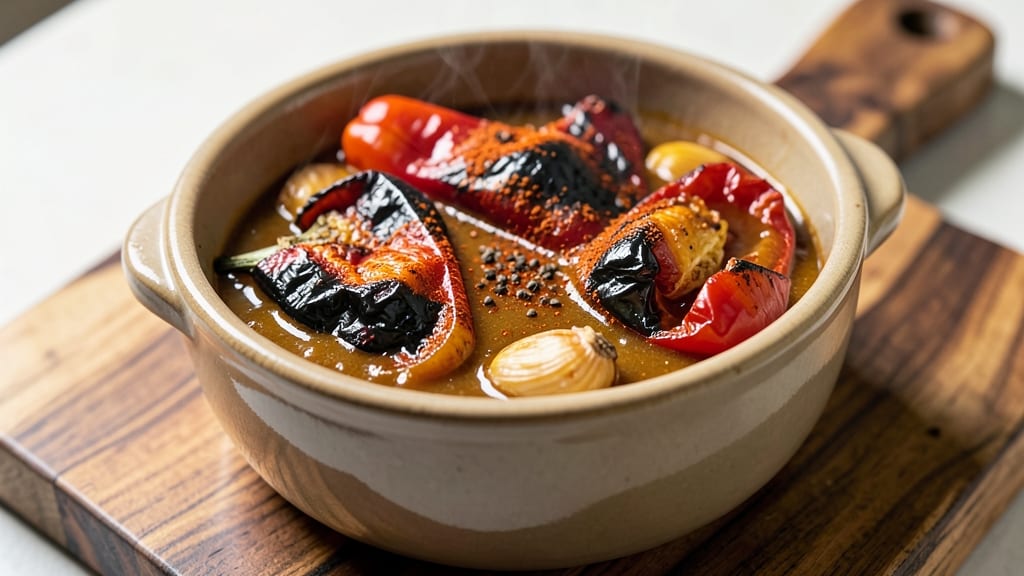
Alton Brown's hot sauce recipe delivers the kind of layered heat and smoky depth that elevates everything from tacos to cocktails. Inspired by his signature precision and flavor balance, this version combines roasted peppers, aged vinegar, and aromatic spices for a sauce that's complex yet approachable. The key lies in slow-cooking the pepper mixture to develop caramelized notes before blending it with vinegar for that signature tangy kick.
What sets this hot sauce apart is its attention to heat progression—starting with mild roasted peppers that gradually build to a smoky finish. The vinegar base ensures brightness without overpowering, while a touch of garlic and black pepper adds depth.
Unlike many hot sauces that rely solely on capsaicin, this recipe balances heat with acidity and umami, making it versatile for both cooking and drinking.
By the time you're done, you'll have a restaurant-quality hot sauce that's smoother than store-bought versions but packed with character. The slow reduction process concentrates flavors, while the final blend creates a sauce that's both vibrant and complex.
This isn't just another spicy condiment—it's a flavor enhancer that transforms simple dishes into something extraordinary.
Store it in the refrigerator for up to three months, where the flavors will continue to meld and deepen.
Whether you're drizzling it over grilled meats, mixing it into marinades, or using it to spice up cocktails, this hot sauce delivers the kind of professional-level results that make home cooking feel like a culinary experience. Let's get started on creating yours.
Ingredients for alton brown hot sauce
Roasted peppers and aged vinegar create a smoky, tangy hot sauce that's restaurant-worthy at home.
| Ingredient | Amount | Notes |
|---|---|---|
| Fresh Red Bell Peppers 🍅 | 2 whole | Roasted with skins on |
| White Vinegar 💧 | 1 cup | Aged white vinegar preferred |
| Garlic Cloves 🧄 | 4 cloves | Peeled and roasted |
| Smoked Paprika 🌶️ | 1 ½ tbsp | For smoky depth |
| Ground Black Pepper 🌶️ | 1 tsp | Freshly cracked |
| Cayenne Pepper 🔥 | ½ tsp | Adjust for heat level |
| Granulated Sugar 🍚 | 1 tbsp | Balances acidity |
| Salt 🧂 | 1 tsp | Kosher or sea salt |
| Extra-Virgin Olive Oil 🫒 | ¼ cup | For richness |
| Fresh Cilantro 🌿 | ¼ cup | Chopped, optional garnish |
The peppers are the foundation—roast them whole until charred for that deep, caramelized flavor. Trader Joe's and Whole Foods carry the best variety of fresh red bell peppers, but any firm, vibrant ones work. For extra smokiness, char them directly over a gas flame or under a broiler. The garlic gets roasted too—don't skip this step, it mellows the sharpness and adds sweetness. If you're short on time, a quick pan-toast with olive oil works, but roasting is worth the extra minute for that restaurant-quality depth.
No white vinegar? Apple cider vinegar works in a pinch, though it'll have a slightly sweeter profile. The smoked paprika is non-negotiable for that signature Alton Brown smokiness—Penzeys or McCormick brands deliver consistent quality. Want less heat? Cut the cayenne in half or swap it for a pinch of red pepper flakes. The sugar balances the acidity, but if you're avoiding it, a splash of honey or maple syrup does the trick. For the olive oil, California-grown extra-virgin adds the best fruity notes, but any good-quality oil will work.
This sauce gets better with time—store it in the fridge for up to 3 months, where the flavors meld beautifully. I like to keep it in a sterilized glass jar with a tight seal. For easy serving, transfer to a squeeze bottle after a week. The first batch always disappears fast—make a double batch if you're planning to gift some away. Freezing isn't recommended as it can alter the texture, but if you must, use ice cube trays for single-serving portions.
Why You'll Love This Recipe
- No-Fuss Ingredients: I swear, you can’t mess this up. Fresh red bell peppers, white vinegar, and a handful of pantry staples—that’s it. No fancy techniques, no last-minute grocery runs. Honestly, I’ve made it with whatever peppers I had in the fridge, and it still turned out ridiculously good.
- Smoky Garlic Magic: That smoked paprika and roasted garlic? Oh, it’s next level. The vinegar cuts through the sweetness of the peppers while the paprika adds this warm, almost charred depth. It’s the kind of flavor that makes you go, "Wait, I made this?"—and then immediately make a second batch.
- Game for Any Meal: Slather it on grilled chicken, drizzle it over tacos, or toss it into scrambled eggs. Between us, I’ve even used it as a marinade for shrimp. The acidity and heat play so well with proteins, and it’s way more interesting than store-bought. Plus, it keeps for months—so it’s always ready when inspiration (or hunger) strikes.
- Budget Bright Spot: A single jar of vinegar and a few peppers stretch into liters of sauce. I’ve filled mason jars for gifts, shared with neighbors, and still have leftovers. Not the prettiest, but the taste makes up for it—and my wallet thanks me every time. (Yes, even on a Tuesday night.)
Step-by-step instructions for Alton Brown's hot sauce recipe
This smoky, vinegar-balanced hot sauce comes together in layers—roasted peppers first, then aromatic spices.
Roast the Bell Peppers and Garlic
Preheat your oven to 400°F and line a baking sheet with parchment paper. Place the 2 whole fresh red bell peppers and 4 peeled garlic cloves directly on the sheet. Roast for 25-30 minutes, turning occasionally, until the peppers are charred black in spots and the garlic is soft and golden.
Here's the thing—those charred spots are where the deep, smoky flavor lives. Don't rush this step; you want the skins to blister and blacken in places. Once done, transfer the peppers and garlic to a bowl, cover with a towel, and let them steam for 10 minutes. This makes them easier to peel.
Blister and Peel the Roasted Peppers
After steaming, peel off the blackened skins from the peppers using your fingers or a knife. Remove the stems and seeds, then roughly chop the flesh into ½-inch pieces. The garlic should be soft enough to squeeze out of its skin—do this now and set aside.
I like to keep the peppers slightly chunky because they add texture to the sauce. If you prefer a smoother sauce, you can blend them later, but I find the bite of roasted pepper pieces adds complexity. Don't skip the peeling step—those skins can make the sauce bitter if left in.
Build the Flavor Base in a Saucepan
In a medium saucepan, combine the chopped peppers, 1 cup white vinegar, 1 tbsp granulated sugar, 1 tsp salt, 1.5 tbsp smoked paprika, 1 tsp ground black pepper, and ½ tsp cayenne pepper. Bring to a simmer over medium-high heat, then reduce heat to medium-low and let it cook for 15 minutes.
This is where the magic happens—the vinegar cuts through the sweetness of the peppers while the spices infuse the liquid. Stir occasionally to prevent sticking, and watch for the sauce to turn a deep, rich red. The sugar helps balance the acidity, so don't skip it—it's what makes this sauce approachable.
Blend and Finish with Olive Oil
Remove the pan from heat and let it cool slightly. Using an immersion blender, blend the mixture until smooth. If you prefer a chunkier texture, you can skip blending and just mash the peppers with a wooden spoon. Stir in the ¼ cup extra-virgin olive oil and the ¼ cup chopped fresh cilantro (if using). Taste and adjust the heat or sweetness as needed.
The olive oil adds richness and helps emulsify the sauce, while the cilantro brightens everything up. If the sauce is too thick after blending, add a splash of water or vinegar to reach your desired consistency. Let it cool completely before tasting—flavors develop as it sits.
Rest and Store for Maximum Flavor
Transfer the hot sauce to a clean glass jar and let it sit at room temperature for at least 1 hour before using. This resting time allows the flavors to meld and deepen. For best results, store it in the refrigerator for up to 2 weeks, though it often disappears faster than that.
This sauce is incredibly versatile—drizzle it over tacos, mix it into mayo for sandwiches, or use it as a finishing touch for grilled meats. The balance of smoky, spicy, and tangy makes it a crowd-pleaser. And if you make a big batch, freeze half for later—it keeps well for up to 3 months.
Pro Tips For Making Alton Brown Hot Sauce
- CHAR THE PEPPERS RIGHT: Don’t just toss them on the grill—cut the red bell peppers in half, scoop out the seeds and membranes, then lay them cut-side down on a hot grill or broiler. Flip them every 3-4 minutes until the skin blackens dramatically (that’s when the sweetness peaks). I used to rush this, and the sauce tasted flat—now I let them get properly charred, even if it means extra time.
- SMASH THE GARLIC: After roasting the garlic cloves, don’t just peel and mince them—smash them flat with the side of your knife first. This releases more flavor and blends better into the vinegar base. I learned this the hard way after making sauce that tasted like it was missing something—turns out, it was just underworked garlic.
- STRAIN TWICE, SAVE ONCE: After simmering the peppers, garlic, and vinegar, strain the mixture through a fine-mesh sieve twice—first to catch big bits, then again through a cheesecloth or coffee filter for ultra-smooth sauce. The first time I skipped this, I ended up with a chunky mess that separated later. Trust me, the effort pays off.
- UPGRADE WITH A SPLASH: If you want depth without fuss, add 1 teaspoon of honey or a pinch of brown sugar to the simmering mixture. It balances the vinegar’s sharpness and rounds out the smoky notes—no one will guess it’s there, but the sauce will taste richer. I was skeptical until I tried it, and now I never make it without it.
Best sauces and condiments for alton brown hot sauce
Smoky Chipotle Twist
Swap the smoked paprika for 2-3 chipotle peppers in adobo sauce (blended smooth) to deepen the smoky heat. I like La Costeña brand for consistent quality. Add ½ cup chicken broth instead of vinegar to balance the richness—this creates a thicker, more complex sauce perfect for dipping or marinades.
The chipotle adds a slow-building heat that pairs beautifully with grilled fish or roasted vegetables. 🔥
Sweet and Tangy Fruit Fusion
Add ½ cup pineapple juice and 1 tbsp honey to the simmering mixture for a sweet-tangy profile. This works especially well with mango chunks for a tropical hot sauce that’s great on tacos or in ceviche.
The fruit’s acidity brightens the peppers while the honey rounds out the vinegar’s sharpness. For extra depth, finish with 1 tsp lime zest.
Garlic-Infused Olive Oil
Replace the plain olive oil with garlic-infused olive oil—simmer 4 cloves garlic in ½ cup olive oil for 5 minutes before straining. This adds a nutty, aromatic layer that elevates the sauce’s complexity.
I use this version for drizzling over pasta or grilled shrimp, where the garlic’s intensity shines. For a milder touch, reduce the garlic to 2 cloves.
Spicy Honey Glaze
Reduce the sauce by half in a saucepan until syrupy, then stir in 2 tbsp hot honey (like Madhava brand). This creates a glossy, clingy glaze perfect for drizzling over wings or grilled corn.
The honey’s sweetness contrasts the vinegar’s tang while the cayenne adds a slow burn. For extra heat, add ½ tsp crushed red pepper flakes.
Herb-Forward Variation
Boost the freshness by adding 1 tbsp chopped fresh basil and 1 tsp dried oregano to the simmering mixture. This Mediterranean-inspired twist works well with grilled lamb or roasted eggplant.
The herbs add an earthy brightness that cuts through the smokiness. For a brighter finish, stir in 1 tbsp lemon juice before serving. 🌿
Fermented Umami Boost
Replace ½ cup of the vinegar with ½ cup fermented fish sauce (like Red Boat brand) for an umami-packed depth. This version is perfect for Asian-inspired dishes like noodles or stir-fries. The fish sauce adds a salty, funky note that balances the heat.
For a vegetarian option, use ½ cup soy sauce instead. Adjust the cayenne to taste—fermented flavors intensify heat perception. 💫
Nutrition facts
Frequently asked questions
Why does this hot sauce need roasted peppers instead of fresh?
Roasting the peppers creates deep, caramelized flavors that fresh peppers can't match. The charring adds smoky notes while concentrating the natural sweetness—this is what gives the sauce its complex, restaurant-quality depth. Fresh peppers would make the sauce taste raw and one-dimensional by comparison.
Can I make this hot sauce without vinegar?
While vinegar is traditional, you can substitute with lemon juice or apple cider vinegar for a milder tang. For a completely different profile, use ½ cup chicken broth instead—this creates a thicker, more umami-forward sauce perfect for dipping. The key is balancing acidity with sweetness to prevent harsh flavors.
How do I adjust the heat level?
Start with the ½ tsp cayenne as written for mild heat. For medium heat, add 1 tsp cayenne. For fiery heat, increase to 1.5 tsp or add ½ tsp crushed red pepper flakes. Always taste before blending—you can reduce heat by adding more vinegar or sugar, but you can't remove excess spiciness once it's in.
What's the best way to use this hot sauce?
This versatile sauce works everywhere! Drizzle it over tacos, grilled meats, or roasted vegetables for instant flavor. Mix 1 tbsp into mayo for spicy sandwich spreads. Stir into cocktails like margaritas or Bloody Marys for a smoky kick. The balanced heat makes it great for both cooking and finishing dishes—start with ½ tsp and adjust to taste.
Why does my hot sauce look cloudy after blending?
Cloudiness usually means the sauce needs more time to emulsify. Stir in 1 extra tbsp olive oil and let it sit for 10 minutes before blending again. If it's still cloudy, add 1 tsp cornstarch dissolved in water to help stabilize the mixture. Properly emulsified sauce should have a smooth, glossy appearance—this indicates the flavors are fully integrated.