
Sauces & Condiments
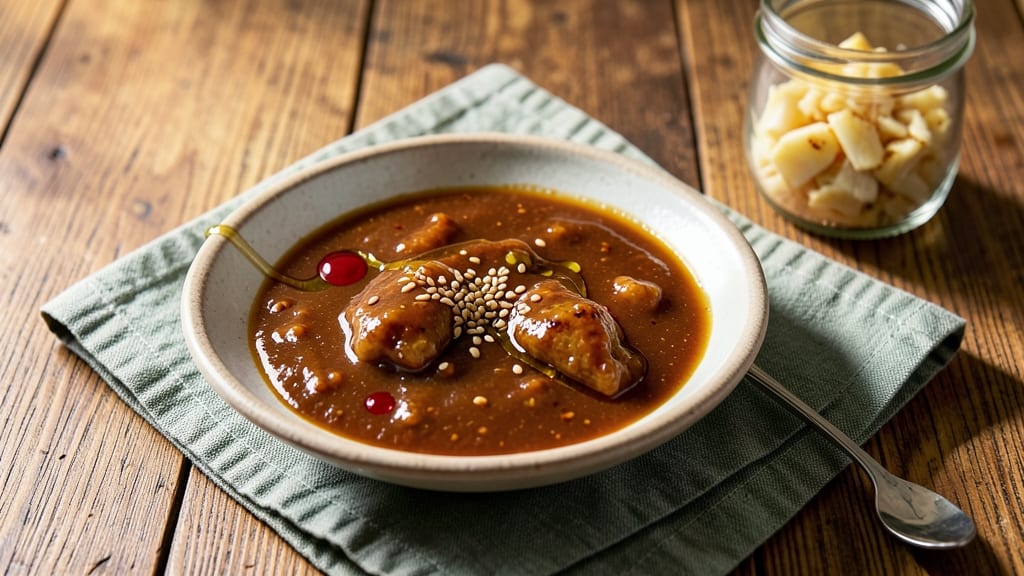
This all-purpose stir fry sauce recipe transforms any protein into restaurant-quality in minutes. The secret lies in balancing umami-rich ingredients like soy sauce and oyster sauce with aromatic garlic, ginger, and a touch of sugar for depth.
I developed this blend to elevate weeknight meals without complicated techniques—just a few pantry staples and 10 minutes of prep.
The sauce starts with a simple base of soy sauce, oyster sauce, and a splash of rice vinegar for brightness. Fresh garlic and ginger add aromatic complexity, while a cornstarch slurry creates that signature glossy, velvety texture.
What sets this apart is the flexibility—adjust the sweetness, saltiness, or heat to match your protein or personal preference.
By the time you toss it with your stir-fry, you'll have a sauce that's rich, flavorful, and perfectly balanced. It works with chicken, beef, tofu, or shrimp, delivering that wok-house taste without the fuss.
The best part? It keeps well in the fridge for up to two weeks, so you'll always have a quick flavor boost on hand.
For extra depth, consider adding a splash of sesame oil or chili paste, but the base recipe delivers exceptional results as-is. Let's create this versatile sauce that will become your go-to for quick, flavorful meals.
Ingredients for all purpose stir fry sauce
Pantry staples and a few fresh aromatics—this sauce delivers restaurant-quality flavor.
| Ingredient | Amount | Notes |
|---|---|---|
| Soy Sauce 🍶 | ½ cup | Light or dark, to taste |
| Oyster Sauce 🦪 | ¼ cup | High-quality for best flavor |
| Rice Vinegar 🍶 | ¼ cup | White or seasoned |
| Sesame Oil 🫒 | 1 tbsp | Toasted for aroma (optional) |
| Cornstarch 🌾 | 1 tbsp | For thickening slurry |
| Water 💧 | 1 tbsp | For cornstarch slurry |
| Garlic Cloves 🧄 | 4 cloves | Minced for aromatic punch |
| Fresh Ginger 🌿 | 1 tbsp | Finely grated, peeled |
| Granulated Sugar 🍚 | 1 tbsp | Or brown sugar for depth |
| Vegetable Oil 🫒 | 1 tbsp | For sautéing aromatics |
The sauce starts with soy sauce and oyster sauce—grab Lee Kum Kee oyster sauce for that authentic umami kick, but any good brand works. For soy sauce, Kikkoman is reliable, but the dark variety adds depth. Fresh ginger and garlic are non-negotiable here—they’re the aromatic backbone. I always grab ginger from the produce section (not the jarred kind) because it’s more potent. If you’re short on time, jarred works, but freshly grated is worth the effort. The sesame oil? Toasted adds that nutty aroma—skip it if you prefer a lighter flavor.
No oyster sauce? Hoisin sauce or extra soy sauce gets you close. Short on rice vinegar? Apple cider vinegar works in a pinch. Want more heat? Add 1 tsp of chili paste or sriracha. The cornstarch slurry is key—mix it with water before adding to the sauce to avoid clumping. For extra richness, a splash of chicken or vegetable broth balances the flavors. Store-bought sauces can be hit or miss, so making this from scratch ensures you control the saltiness and sweetness—adjust to taste as you go.
This sauce keeps for 2 weeks in the fridge, sealed in a jar. For longer storage, freeze portions in ice cube trays—thaw and reheat for fresh flavor. I double the batch and keep it on hand for quick weeknight meals. The slurry thickens as it cools, so reheat gently if it seems too stiff. A drizzle of sesame oil before serving adds that final wok-house touch. Leftovers? Toss with rice, noodles, or any protein for instant flavor.
Why You'll Love This Recipe
- Five-Ingredient Magic: I swear by this combo—soy, oyster, vinegar, sesame, and cornstarch—because it’s the bare minimum to get ridiculously good results. No fancy gadgets, no stress, just stir and go.
- Umami Bomb: That oyster sauce? It’s the secret weapon—salty, sweet, and deep all at once. A splash of rice vinegar brightens it up, and a tiny drizzle of sesame oil turns it from good to "why didn’t I make this sooner?"
- Pantry Staple Power: Honestly, this sauce lives in my fridge for weeks. Dump it on prepped veggies for a quick weeknight meal, toss it with takeout noodles, or even glaze chicken thighs—it’s the one sauce that actually does it all.
- Leftovers That Beg: The cornstarch thickens it just enough to cling to everything, so it reheats like a dream. I’ve had this sauce clinging to stir-fries, dumplings, and even grilled fish for days—no one ever complains.
Step-by-step instructions for all-purpose stir fry sauce
This sauce comes together in minutes and elevates any dish.
Sauté Aromatics Until Fragrant
Heat the 1 tablespoon vegetable oil in a small saucepan over medium heat. Add the 4 cloves minced garlic and 1 tablespoon finely grated fresh ginger, stirring constantly for 30 seconds until the garlic just begins to turn golden. This prevents it from burning and ensures you capture that aromatic punch.
Here's the thing—you want the aromatics to smell incredible but not color too much. If the pan starts to smoke or the garlic darkens, reduce the heat slightly. Once you see the garlic turn a pale golden color and smell intensely aromatic, it's time to move on. This step builds the flavor foundation for your sauce.
Combine Wet Ingredients
Pour in the 0.5 cup soy sauce, 0.25 cup oyster sauce, and 0.25 cup rice vinegar. Stir well to combine all the ingredients in the pan. Let the mixture simmer gently over medium-low heat for 3-4 minutes, allowing the flavors to meld together. You'll notice the sauce starts to reduce slightly and develop a deeper, more complex aroma.
I like to taste the sauce at this stage to check the balance. If it's too salty, you can add a splash of water later to adjust. If it needs more depth, the oyster sauce will continue developing flavor as it simmers. Keep the heat steady—too high and it'll cook off too quickly, losing some of that beautiful umami complexity.
Add Sugar and Sesame Oil
Stir in the 1 tablespoon granulated sugar and 1 tablespoon sesame oil. The sugar will help balance the savory flavors while adding a subtle sweetness. The sesame oil adds that nutty aroma that makes stir fry sauce so irresistible. Let the mixture simmer for another 2 minutes to fully incorporate these ingredients.
This is where the sauce starts to come together beautifully. You'll see the sugar dissolve and the sesame oil infuse throughout. If you're using toasted sesame oil, the aroma will be even more pronounced. Give it a quick taste—it should be balanced between salty, sweet, tangy, and umami. If it's too thin at this point, we'll thicken it next.
Thicken the Sauce Perfectly
In a small bowl, whisk together the 1 tablespoon cornstarch and 1 tablespoon water until smooth. This creates a slurry that will help thicken your sauce beautifully. Slowly pour the slurry into the simmering sauce while stirring constantly. The sauce will begin to thicken almost immediately.
Continue simmering for 1-2 minutes until the sauce reaches your desired consistency—it should coat the back of a spoon but still be pourable. If it thickens too much, you can add a splash of water to loosen it. The key is to achieve that perfect balance between glossy and thick enough to cling to your stir fry ingredients.
Finish and Adjust
Remove the sauce from heat and let it cool slightly. Taste and adjust the seasoning if needed—you might want to add a touch more soy sauce for saltiness, a bit of rice vinegar for tang, or even a pinch of sugar if it needs balancing. The sauce should be versatile enough to complement any protein or vegetable you're stir frying.
Let it sit for a few minutes before using. This resting time allows the flavors to fully meld together. You'll notice the sauce becomes even more cohesive and flavorful. This all-purpose stir fry sauce keeps well in the refrigerator for up to 2 weeks, making it perfect for meal prep and quick weeknight dinners.
Pro Tips For Making All Purpose Stir Fry Sauce
- Whisk the Cornstarch: Stir the cornstarch into cold water first—always—before adding it to the hot sauce. I learned this the hard way when I dumped dry cornstarch straight into a simmering pot and ended up with a lumpy, gluey mess that took 10 minutes to fix. One tablespoon of cornstarch mixed with two tablespoons of water is your go-to ratio for a glossy, silky finish.
- Taste Before Thickening: Check the flavor balance before you add cornstarch—soy and oyster sauce can overpower if you’re not careful. A quick taste after combining the sauces (but before heating) lets you adjust the rice vinegar or a pinch of sugar now, not after you’ve ruined the texture. Trust me, you’ll save yourself from scraping the pan later.
- Heat the Sauce Slowly: Simmer the sauce on medium-low heat—high heat burns the cornstarch slurry and turns it bitter. I used to rush it, thinking it needed to boil fast, but now I let it bubble gently for 2–3 minutes. If it smells acrid, you’ve gone too far. A whisper of steam is all you need.
- Add Sesame Oil Last: Toss the sesame oil in after the sauce is off the heat—it’s delicate and burns in seconds. I was skeptical at first (where’s the aroma?), but adding it at the end preserves its nutty punch without turning the sauce bitter. A few drops is enough; you’re not making dressing here.
Make-ahead tips for this dish
Batch Prep Strategy
Double the recipe and store it in a glass jar with an airtight lid—this keeps flavors fresh for up to 2 weeks in the fridge. I use a quart-sized mason jar because it’s easy to grab and pour directly into stir-fries.
For even longer storage, freeze 1-tablespoon portions in ice cube trays, then transfer to a freezer bag. Thaw overnight in the fridge or microwave for 20 seconds before using. 📅
Freezing for Convenience
When freezing, leave ½-inch headspace in your container to prevent expansion cracks. Label with the date—my sauce stays vibrant for 3 months without losing flavor. For quick meals, I keep a small batch frozen in the freezer door (the warmer spot) so it thaws faster.
If your sauce thickens after freezing, add 1 teaspoon water per tablespoon to restore consistency. 🧊
Flavor Boost Tips
Enhance your prepped sauce by adding 1 teaspoon chili paste or ½ teaspoon smoked paprika before storing. For extra umami, stir in 1 tablespoon fish sauce (like Red Boat) or a splash of mushroom broth.
I also like to add ½ teaspoon five-spice powder for depth—it blends beautifully with the aromatics. Adjust to taste before freezing, as flavors intensify over time. 🌶️
Reheating Like a Pro
Gently reheat your sauce on the stovetop over low heat for 2-3 minutes, stirring constantly to prevent scorching. Avoid microwaving—it can break down the cornstarch and make the sauce grainy. If it’s too thick after reheating, thin with 1 teaspoon water or broth.
For stir-fries, I like to toss the sauce with 1 teaspoon toasted sesame oil right before serving to revive its aroma. ✨
Meal Prep Pairings
Pair your prepped sauce with pre-cut proteins (like chicken breast or tofu) and chopped veggies (bell peppers, broccoli, snap peas) in separate containers.
Store everything in the fridge for up to 4 days—just toss everything in a hot wok with 1 tablespoon oil and your sauce for a 5-minute meal. For extra convenience, pre-cook rice or noodles and store them separately to reheat together. 🍚
Sauce Consistency Hacks
If your sauce thickens too much after refrigeration, whisk in 1 teaspoon water at a time until it reaches a pourable but glossy consistency. For a thinner sauce, add ½ teaspoon water while reheating.
To prevent clumping, stir the sauce gently before storing—this keeps the cornstarch evenly distributed. Pro tip: If you’re prepping for a spicy stir-fry, add ½ teaspoon sriracha to the jar before sealing. 🔥
Nutrition facts
Frequently asked questions
Can I make this stir fry sauce without oyster sauce?
Swap the 0.25 cup oyster sauce with 0.25 cup hoisin sauce or 0.3 cup extra soy sauce for a similar umami depth. For extra richness, add 1 tablespoon fish sauce or a splash of mushroom broth. The sauce will still taste balanced, just with slightly different flavor notes.
How do I adjust the heat level in this sauce?
For mild heat, add ½ teaspoon chili paste or ¼ teaspoon red pepper flakes. For spicy, increase to 1-2 teaspoons chili paste or 1 teaspoon sriracha. Always taste first—you can't remove heat later! For smoky flavor, add ½ teaspoon smoked paprika.
Why did my sauce turn cloudy after refrigeration?
This happens when cornstarch separates from the liquid. Simply whisk in 1 teaspoon water at a time until smooth. For prevention, stir the sauce gently before storing. If it's too thick after reheating, add ½ teaspoon water while warming. The cloudiness won't affect flavor—just consistency.
Can I use this sauce for non-stir fry dishes?
Yes! It's perfect for marinades, dipping sauces, or glazes. Try brushing it on grilled chicken or baked tofu for extra flavor. For noodles, add 1 tablespoon sesame oil and a splash of chicken broth to thin it. The balanced flavors work in any savory dish.
What's the best way to store leftovers?
Transfer to a glass jar with an airtight lid and refrigerate for up to 2 weeks. For longer storage, freeze in 1-tablespoon portions in ice cube trays. Thaw overnight in the fridge or microwave for 20 seconds. Always reheat gently to maintain texture.