
Sauces & Condiments
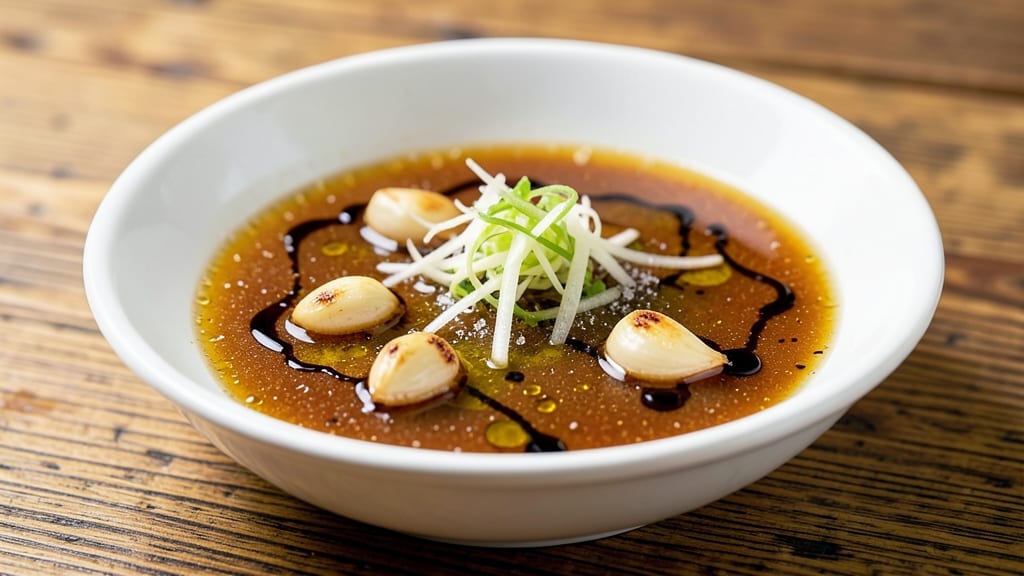
This all day sauce recipe transforms everyday meals into restaurant-worthy experiences with just 15 minutes of active time and a slow simmer that builds layers of flavor.
The secret lies in balancing rich umami with a bright vinegar kick that cuts through richness—creating a sauce that works as a dip, marinade, or finishing touch.
I developed this while craving something versatile enough for wings, fries, or grilled proteins that could be made ahead and taste better with time.
The foundation is a simple blend of oil, vinegar, and spices that simmers until the flavors meld into a cohesive, velvety sauce. What makes it special is the hidden depth from ingredients like soy sauce and a touch of sugar, which caramelize slightly during cooking.
Unlike store-bought versions, this sauce develops complexity as it sits, making it perfect for batch cooking and keeping in your fridge for up to a week.
What you'll end up with is a sauce that's rich yet balanced, tangy yet savory, and impossible to resist. The slow simmer ensures the vinegar's brightness doesn't overwhelm, while the umami elements create a satisfying depth that pairs beautifully with anything from crispy fries to tender meats.
This is the kind of sauce that turns a simple meal into something memorable.
Use it immediately or store it in the fridge for up to seven days, where the flavors continue to develop. The best part? It's equally at home on a weeknight dinner or a weekend cookout, making it the ultimate pantry staple. Let's make this sauce!
Ingredients for all day sauce
Pantry staples meet restaurant-quality flavor in this transformative umami sauce.
| Ingredient | Amount | Notes |
|---|---|---|
| Extra-Virgin Olive Oil 🫒 | ½ cup | High-quality, fruity variety |
| White Wine Vinegar 🍶 | ½ cup | White or apple cider vinegar |
| Soy Sauce 🥢 | ¼ cup | Light or dark preferred |
| Granulated Sugar 🍚 | 1 tbsp | Brown sugar works too |
| Garlic Cloves 🧄 | 4 cloves | Minced for depth of flavor |
| Fresh Ginger 🌿 | 1 tbsp | Grated, not powdered |
| Dried Red Pepper Flakes 🌶️ | 1 tsp | Adjust for heat preference |
| Ground Black Pepper 🌶️ | ½ tsp | Freshly cracked preferred |
| Salt 🧂 | 1 tsp | Diamond Crystal preferred |
| Water 💧 | ½ cup | Room temperature preferred |
The olive oil is your flavor carrier—California Olive Ranch or Trader Joe's brands are my go-to for that perfect balance of richness and fruity notes. Vinegar is non-negotiable for brightness, but apple cider vinegar adds subtle sweetness that works beautifully. Soy sauce? Kikkoman is reliable, but Japanese tamari gives extra depth. The garlic and ginger need to be fresh—pre-minced jars won't cut it here. If you're short on time, Trader Joe's sells pre-grated ginger, but it's worth the extra minute to grate your own for that fresh punch.
No white wine vinegar? Rice vinegar or balsamic vinegar work in a pinch, though balsamic adds a sweeter note. Short on soy sauce? Coconut aminos mimic the umami, but you'll need half again the amount. The sugar caramelizes during simmering—brown sugar adds molasses notes that some people love. For heat, gochugaru (Korean red pepper flakes) gives a different but delicious depth. The water helps thin the sauce to perfect consistency, but if you prefer it thicker, just reduce it by 2 tbsp.
This sauce gets better with time—3-4 days in the fridge is when it hits peak flavor. Store it in a glass jar with a tight seal, and the vinegar will keep it fresh. For freezing, portion into ice cube trays—perfect for single-use applications. The sauce doubles as a marinade, so make extra! It's my secret weapon for turning simple grilled chicken into a restaurant-worthy meal.
Why You'll Love This Recipe
- Pantry Magic: I swear, this sauce comes together with stuff you already have. No specialty shopping—just olive oil, vinegar, and that bottle of soy sauce gathering dust. Honestly, I’ve made it three times in a row with zero prep.
- Umami Bomb: That garlic and sugar combo? It’s the secret weapon. The white wine vinegar cuts through the richness while the soy sauce brings the deep, savory punch—like a little flavor explosion in every bite.
- Dresses Everything: Drizzle it on grilled chicken, toss it with noodles, or use it as a marinade. I’ve even slathered it on avocado toast when I’m lazy. Between us, it’s my go-to for when I can’t decide what to eat.
- Lasts All Week: A small jar keeps for days, so I make a big batch and use it for leftovers. Budget-friendly? Absolutely. Time-saving? Even more so. I’ve had it sit in my fridge for five days and still taste fresh.
Step-by-step instructions for slow-simmered umami sauce
This sauce builds flavor layer by layer—patience pays off with rich, balanced depth.
Bloom the Aromatics in Olive Oil
Heat the 0.5 cup extra-virgin olive oil in a medium saucepan over medium-low heat. Add the 4 minced garlic cloves and 1 tablespoon grated fresh ginger, stirring constantly. Cook for 2-3 minutes until the garlic turns golden and fragrant—this prevents bitterness while unlocking their full flavor.
Watch closely here: the moment the garlic starts to color, you'll smell that sweet, nutty aroma. If it darkens too quickly, reduce heat immediately. This is where the sauce's soul begins to develop, so don't rush it.
Add Vinegar and Sugar for Brightness
Pour in the 0.5 cup white wine vinegar and 1 tablespoon granulated sugar, stirring to combine. Increase heat to medium and let it simmer for 3-4 minutes until the vinegar's sharpness mellows and the sugar dissolves completely.
You'll notice the sauce starts to bubble gently—this is when the acidity begins to soften. The sugar helps balance the vinegar's tang while adding subtle caramel notes. If you taste it now, you'll detect the foundation of what will become a complex sauce.
Build Depth with Soy Sauce and Water
Reduce heat to low and stir in the 0.25 cup soy sauce and 0.5 cup water. The mixture will look cloudy at first, but keep stirring gently as it begins to thicken. Simmer uncovered for 10-12 minutes, stirring occasionally, until the sauce reduces by about 25%.
This is where the magic happens—the soy sauce's umami intensifies while the water evaporates, creating a concentrated flavor base. You'll see the sauce darken slightly and thicken noticeably. If it reduces too quickly, cover loosely with a lid and adjust heat as needed.
Finish with Spices and Final Reduction
Add the 1 teaspoon salt, 0.5 teaspoon ground black pepper, and 1 teaspoon dried red pepper flakes. Return to a gentle simmer and cook for another 5-7 minutes, stirring frequently, until the sauce reaches your desired consistency—it should coat the back of a spoon but still be pourable.
Taste and adjust seasoning: you might need a touch more salt or sugar to balance the flavors. The red pepper flakes add subtle heat that lingers beautifully. For the best results, let the sauce cool slightly before serving—this allows the flavors to meld even further.
Rest and Serve with Confidence
Remove from heat and let the sauce rest for 10 minutes at room temperature. This resting period allows the flavors to fully integrate and the sauce to thicken slightly as it cools. The texture should be glossy and velvety, with a perfect balance of sweet, salty, and tangy notes.
Serve warm over noodles, drizzled over grilled meats, or spooned alongside rice. Each bite should deliver that complex umami punch with a bright, vinegar-accented finish. Store leftovers in the refrigerator for up to 5 days, or freeze for 3 months—it only gets better with time!
Pro Tips For Making All Day Sauce
- Simmer Slow: All Day Sauce isn’t called that for nothing—give it at least 15 minutes of steady simmering. I used to rush it, and the flavors stayed flat and one-dimensional. Low heat lets the garlic and vinegar mellow instead of burning, and the sugar dissolves properly.
- Toast the Garlic: Sauté the minced garlic in olive oil until it’s just golden—about 2 minutes. Skip this, and you’ll get that bitter, overcooked garlic taste. If you’re impatient, reduce the heat but keep an eye on it; burnt garlic ruins everything.
- Balance the Vinegar: Start with half the white wine vinegar called for, then taste and add more as needed. Vinegar can overpower the sweetness if you’re not careful. I’ve learned to taste early—better to adjust now than regret it later.
- Whisk in Sugar Last: Add the granulated sugar after the vinegar and soy sauce have simmered together. This prevents graininess and lets the sugar caramelize slightly for depth. Stirring it in too soon makes the sauce clump like glue.
Wine and beer pairings for all day sauce
White Wine Pairings
This sauce's bright acidity and umami depth make it a perfect match for crisp, aromatic whites. I always reach for a Sauvignon Blanc from New Zealand—its citrus notes and herbal undertones complement the vinegar's tang while the sauce's richness balances the wine's acidity.
Try a 2022 Cloudy Bay or Kim Crawford for that perfect harmony. The wine's minerality cuts through the sauce's oiliness, creating a refreshing contrast. 🍷
Crisp Lager Balance
For beer lovers, a German-style Pilsner like Stella Artois or Warsteiner works beautifully. The lager's clean, crisp profile prevents the sauce from overwhelming your palate, while the malt sweetness enhances the sauce's subtle caramel notes.
If you prefer something with a little more character, try a Belgian Witbier like Hoegaarden—the coriander and orange peel notes create an unexpected but delicious pairing. 🍺
Red Wine for Heartier Dishes
When serving this sauce with rich meats like steak or duck, a Pinot Noir from Oregon or Burgundy adds elegance. The wine's earthy undertones and red fruit flavors mirror the sauce's umami depth, while its moderate tannins won't clash with the vinegar's brightness.
I love pairing it with a 2021 Domaine Serene—it's light enough to let the sauce shine but structured enough to hold its own. 🍇
Craft Beer Experimentation
Don't be afraid to get creative with craft beers! A hazy IPA with juicy hop flavors can work surprisingly well with this sauce when paired with fried dishes like chicken tenders or onion rings. The beer's bitterness balances the sauce's richness, while the tropical fruit notes add a fun contrast.
For a bolder option, try a German Dunkelweizen—the caramel malt sweetness complements the sauce's sugar caramelization beautifully. 🍻
Non-Alcoholic Options
For those skipping alcohol, a sparkling apple cider like Martinelli's or a ginger beer like Brew Dr. Brown's works wonderfully. The effervescence cleanses your palate between bites, while the ginger's warmth echoes the sauce's spicy notes.
For a more sophisticated option, try a sparkling water with a splash of lime juice—it's refreshing and lets the sauce's flavors truly stand out. 💧
Serving Temperature Tips
Serve your wine or beer slightly cooler than room temperature—around 50-55°F for whites and 55-60°F for reds. The chilled beverage helps balance the sauce's warmth, especially when served over hot dishes.
I like to pour my wine a few minutes before serving to let it breathe and develop its aromas, which will complement the sauce's complex flavors even more. ✨
Nutrition facts
Frequently asked questions
Can I make this sauce without vinegar?
The vinegar is essential for that signature bright tang that balances the richness. If you're avoiding vinegar, try substituting with lemon juice (same amount) or rice vinegar, but the flavor profile will be slightly different. The sauce will lose some of its signature depth and complexity without the acidity.
How spicy should the sauce be?
The 1 teaspoon red pepper flakes provides a mild heat that lingers beautifully. For more spice, add ½ teaspoon extra and adjust to taste. If you prefer no heat at all, simply omit the red pepper flakes entirely—the sauce will still be flavorful and versatile.
Can I use this sauce as a marinade?
This sauce makes an excellent marinade for chicken, pork, or tofu. For best results, marinate for 1-2 hours (not longer, as the acidity can break down proteins too much). The umami and vinegar create a perfect balance for grilled or baked dishes. Just reserve 2 tablespoons for basting.
Why does my sauce look too thin?
If your sauce is too thin, simmer it uncovered for an additional 5-10 minutes to reduce further. For a quicker fix, stir in 1 teaspoon cornstarch mixed with 1 tablespoon water and simmer until thickened. Avoid adding flour, as it can create a cloudy texture. The sauce should coat the back of a spoon but remain pourable.
How long does this sauce keep in the fridge?
The sauce tastes best when stored in an airtight container in the fridge for 3-5 days, as the flavors continue to develop. For longer storage, freeze in ice cube trays or small containers for up to 3 months. Thaw overnight in the fridge before using—never microwave directly from frozen.