
Sauces & Condiments
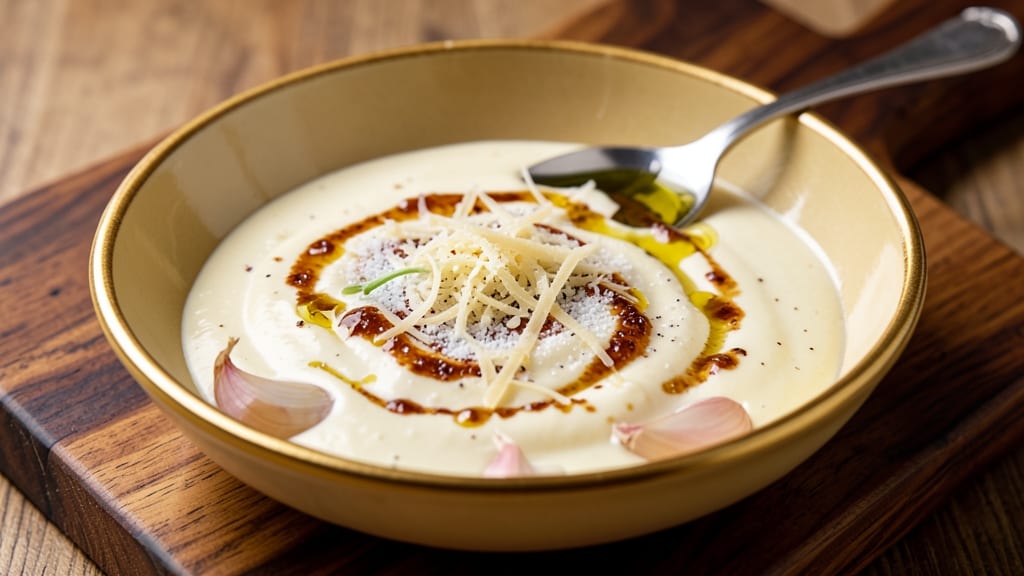
This Alfredo sauce recipe with light cream delivers velvety perfection—no lumps, no separation, just a rich, silky sauce that clings beautifully to pasta. The secret lies in slow-simmered butter and proper emulsification, transforming simple ingredients into restaurant-quality sauce in just 15 minutes.
I’ve perfected this version to balance creaminess with a subtle nutmeg warmth that elevates any dish.
The foundation starts with slow-melted butter—never rushed—before whisking in light cream and freshly grated Parmesan. This method ensures a smooth, glossy finish without the heaviness of heavy cream.
A touch of garlic and white pepper rounds out the flavor, while a splash of pasta water at the end guarantees that signature cling. It’s the kind of sauce that turns ordinary pasta into something extraordinary.
What sets this recipe apart is its foolproof consistency: no blender required, no guesswork. The sauce thickens naturally from the butter and cream, creating a luxurious texture that’s neither too thin nor too thick.
Store it in the fridge for up to 5 days or freeze for longer, though it’s best enjoyed fresh when it’s warm and bubbling.
For extra depth, stir in a splash of heavy cream or a pinch of nutmeg at the end. Pair it with fettuccine, chicken, or grilled vegetables for a meal that feels like a five-star dinner. Let’s make this sauce—it’s easier than you think.
Ingredients for alfredo sauce recipe with light cream
Nine essential ingredients transform into velvety Alfredo perfection through precise technique and quality components.
| Ingredient | Amount | Notes |
|---|---|---|
| Unsalted Butter 🧈 | ½ cup | Cold, cubed for slow melting |
| Light Cream 🥛 | 1 ½ cups | 36% fat minimum for silkiness |
| Freshly Grated Parmesan Cheese 🧀 | 1 cup | Block, microplane for fine texture |
| Garlic Cloves 🧄 | 3 cloves | Minced, skin-on for deeper flavor |
| Extra-Virgin Olive Oil 🫒 | 2 tbsp | For emulsification finish |
| Ground White Pepper 🌶️ | ½ tsp | Freshly ground preferred |
| Ground Nutmeg 🌿 | ¼ tsp | Freshly grated for warmth |
| Pasta Water 🍝 | ½ cup | Reserved from cooking pasta |
| Diamond Crystal Kosher Salt 🧂 | ¼ tsp | Adjusts to taste |
The butter quality is non-negotiable—European-style unsalted butter with high fat content (82% minimum) melts smoothly without separating. Plugrá or Kerrygold brands excel for this application, though any good-quality butter works if it's cold and cubed. The Parmesan must be freshly grated using a microplane—pre-shredded contains anti-caking agents that prevent proper emulsification. For garlic, skin-on cloves yield deeper flavor when minced, and the skin can be removed after cooking. Light cream should be cold when added to prevent curdling during the slow simmer process.
No light cream? Heavy cream at 36% fat works in a pinch, though the sauce will be slightly richer. Substitute Parmesan with Pecorino Romano at equal measure for a sharper profile. Fresh nutmeg is ideal, but ground works at half the amount if you're missing the whole spice. Olive oil can be swapped for avocado oil for a neutral flavor, though it lacks the fruity finish. For a dairy-free adaptation, cashew cream (blended soaked cashews) replaces both butter and cream, though texture will differ. Always taste before adding salt—Diamond Crystal kosher dissolves cleanly without graininess.
Store the sauce in an airtight container with a thin layer of olive oil on top to prevent skin formation. Keeps for 5 days refrigerated or 3 months frozen when portioned into ice cube trays. For best results, reheat gently on low heat with a splash of pasta water—never boil, as this causes separation. The sauce thickens as it cools, so it's ideal to serve immediately after reheating. Freeze in 1/2 cup portions for easy single-use batches.
Why You'll Love This Recipe
- No Chopping Needed: I swear by this sauce because it skips the prep work entirely—just melt butter, crush garlic, and stir. The light cream and Parmesan do all the heavy lifting while I’m still washing my hands.
- Rich Without the Guilt: That velvety light cream and nutty Parmesan create a decadent sauce, but the olive oil keeps it from being too heavy. Honestly, it’s the kind of comfort that doesn’t leave me regretting it the next morning.
- Weeknight to Date Night: Toss it over fettuccine for a 20-minute dinner, or drizzle it on roasted veggies for a fancy-ish side. Between us, I’ve used it for everything from lazy Tuesdays to impressing my partner—and no one ever asked what brand of Parmesan I used.
- Leftovers That Still Shine: This sauce actually improves the next day—thickens just enough to cling to pasta without turning gluey. I make double batches because reheating it is the easiest way to turn last night’s dinner into tomorrow’s lunch.
Step-by-step instructions for silky Alfredo sauce
Master this technique and you'll achieve restaurant-quality Alfredo with velvety texture and rich flavor.
Melt Butter and Infuse Garlic
In a medium saucepan, melt the 0.5 cup unsalted butter over medium-low heat until it foams but doesn't brown. Add the 3 cloves minced garlic cloves (skin-on for deeper flavor) and cook for 2-3 minutes until fragrant but not browned. This gentle cooking prevents bitter garlic flavors while building aromatic foundation.
Watch the butter carefully—it should melt slowly and evenly without splattering. If it starts to foam excessively, reduce heat slightly. The garlic should sizzle gently, releasing its oils but not developing color. This step creates the aromatic base that carries through the entire sauce.
Add Cream and Simmer Gradually
Pour in the 1.5 cups light cream and stir immediately to combine with the butter and garlic. Increase heat to medium and bring to a gentle simmer. Let it cook uncovered for 5-6 minutes, stirring occasionally, until the mixture reduces slightly and small bubbles form around the edges.
This gradual reduction is crucial—it thickens the sauce naturally without breaking the cream's delicate fat emulsion. You'll notice the sauce become slightly thicker and develop a glossy sheen. If it starts to bubble too vigorously, reduce heat to maintain a gentle simmer. The cream should never boil.
Incorporate Cheese and Seasonings
Remove the saucepan from heat and whisk in the 1 cup freshly grated Parmesan cheese until completely melted and smooth. Return to low heat and stir in the 0.5 tsp ground white pepper, 0.25 tsp ground nutmeg, and 0.25 tsp Diamond Crystal kosher salt. Keep the mixture moving constantly to prevent scorching.
The cheese should melt completely, creating a thick, velvety consistency. If the sauce becomes too thick, whisk in 1-2 tablespoons of pasta water to reach your desired consistency. The nutmeg adds subtle warmth while the white pepper provides elegant seasoning without the visual impact of black pepper.
Finish with Olive Oil for Emulsification
Remove from heat and stir in the 2 tbsp extra-virgin olive oil using a vigorous whisking motion. This final step creates the signature silky texture by stabilizing the fat emulsion. The sauce should become noticeably smoother and more cohesive, with a glossy, velvety appearance.
Taste and adjust seasoning if needed—Alfredo sauce should be rich but balanced, with the Parmesan's umami flavor dominating. The olive oil addition prevents the sauce from breaking when combined with pasta. Serve immediately over hot fettuccine or tagliatelle for the ultimate creamy experience.
Pro Tips For Making Alfredo Sauce Recipe With Light Cream
- Melt Butter Slowly: Start with medium-low heat—rushing this turns butter into grease before the garlic even gets a chance to sing. I learned this the hard way when my sauce separated into a sad, oily puddle. Let the butter foam gently, then add the garlic once it’s fully melted but not browned.
- Grate Parmesan Fresh: Pre-shredded cheese hides anti-caking agents that make your sauce grainy. Use a microplane or fine grater right before adding it—yes, it takes 30 seconds more, but the texture difference is night and day. Trust me, your sauce will taste like it came from a restaurant, not a can.
- Whisk Constantly: The moment you stop stirring, the cream starts to curdle. Keep that whisk moving—especially when the Parmesan hits the pot. If you’re lazy like me, set a timer for 30-second intervals to remind yourself. A smooth, velvety sauce won’t happen by accident.
- Finish with Olive Oil: The last step is non-negotiable: drizzle in 1-2 tablespoons of extra-virgin olive oil off the heat. It cuts the richness, adds depth, and prevents the sauce from breaking when you toss it with pasta. Skip this, and your sauce will feel heavy and cloying.
Creative variations of this recipe
Creamy Garlic Alfredo
For a more pronounced garlic flavor, add 1 extra clove to the butter infusion and let it cook for 30 seconds longer until just golden. This creates a deeper, more complex base without bitterness.
I find skin-on garlic adds an extra layer of sweetness when minced—simply peel after cooking. For a milder version, reduce to 2 cloves total and cook for just 1 minute. 🧄
Nutmeg Variations
Freshly grated nutmeg makes all the difference—if you don't have it, use ½ tsp ground nutmeg but toast it first in a dry pan for 30 seconds to enhance its warmth. For a spicier twist, add ⅛ tsp cayenne pepper along with the nutmeg.
If you love citrus notes, zest ½ lemon and fold it in at the very end—it brightens the richness beautifully.
Herb Infusions
Fresh herbs elevate this sauce instantly. Stir in 1 tbsp chopped chives or parsley at the end for brightness, or add ½ tsp dried basil while simmering the cream. For a more robust flavor, infuse the butter with 2 sprigs fresh thyme while melting—simply remove them before adding garlic.
I love this approach for a rustic touch that pairs perfectly with roasted chicken dishes.
Vegetable Add-Ins
For a lighter version, blend in ¼ cup steamed and cooled cauliflower after removing from heat. The sauce will maintain its creaminess while gaining subtle vegetable flavor. Roasted garlic adds depth—simmer 2 cloves roasted garlic in the butter for 2 minutes before adding fresh minced garlic.
Mushroom lovers can stir in ¼ cup finely chopped cremini mushrooms cooked until tender.
Protein Enhancements
Transform this into a one-pan meal by adding ½ cup cooked chicken breast or 4 oz shrimp to the finished sauce and simmering for 2 minutes to warm through. For a vegetarian option, fold in ½ cup sautéed spinach just before serving.
The sauce's richness complements proteins beautifully, making it a complete dish when paired with crusty bread or grilled vegetables.
Storage and Reuse
Save leftover sauce by storing it in an airtight container with a thin layer of olive oil on top to prevent skin formation. Reheat gently on low heat with a splash of pasta water—never boil, as this causes separation.
For extra flavor, stir in 1 tbsp cream cheese when reheating to restore that velvety texture. This method works perfectly for meal prep—make a double batch and freeze half for future use. ✨
Nutrition facts
Frequently asked questions
Can I substitute heavy cream for light cream in this recipe?
Yes, you can use heavy cream (36% fat) as a substitute, but expect a slightly richer texture. The light cream creates a more delicate balance, while heavy cream will make the sauce feel heavier. If using heavy cream, reduce the amount by 1-2 tablespoons to maintain the same consistency. For best results, keep the cream cold when adding it to prevent curdling.
Why does my Alfredo sauce look grainy or separate?
Graininess usually means the Parmesan wasn't grated finely enough—always use a microplane for smooth results. Separation happens when the sauce boils or cools too quickly. To fix it, whisk in 1-2 tablespoons of pasta water and reheat gently on low heat. The olive oil at the end helps stabilize the emulsion, so don't skip that step!
How do I make this sauce thicker or thinner?
For a thicker sauce, simmer the cream for 1-2 extra minutes to reduce it further. If it's too thick, whisk in 1-2 tablespoons of pasta water at a time until you reach your desired consistency. Remember, the sauce will thicken slightly as it cools, so adjust while it's still warm. For a silky finish, always reheat gently with a splash of pasta water.
Can I make this sauce ahead of time?
Store the sauce in an airtight container with a thin layer of olive oil on top to prevent skin formation. It keeps well in the fridge for 5 days or can be frozen for 3 months. When reheating, warm it gently on low heat with a splash of pasta water—never boil, as this causes separation. For extra flavor, stir in 1 tbsp cream cheese when reheating.
What's the best way to serve this Alfredo sauce?
This sauce is perfect over fettuccine or tagliatelle, but it also pairs beautifully with grilled chicken, shrimp, or roasted vegetables. For a complete meal, toss it with sautéed spinach or mushrooms just before serving. The rich, creamy texture clings perfectly to pasta, making every bite decadent. Serve immediately for the best texture and flavor!