
Sauces & Condiments
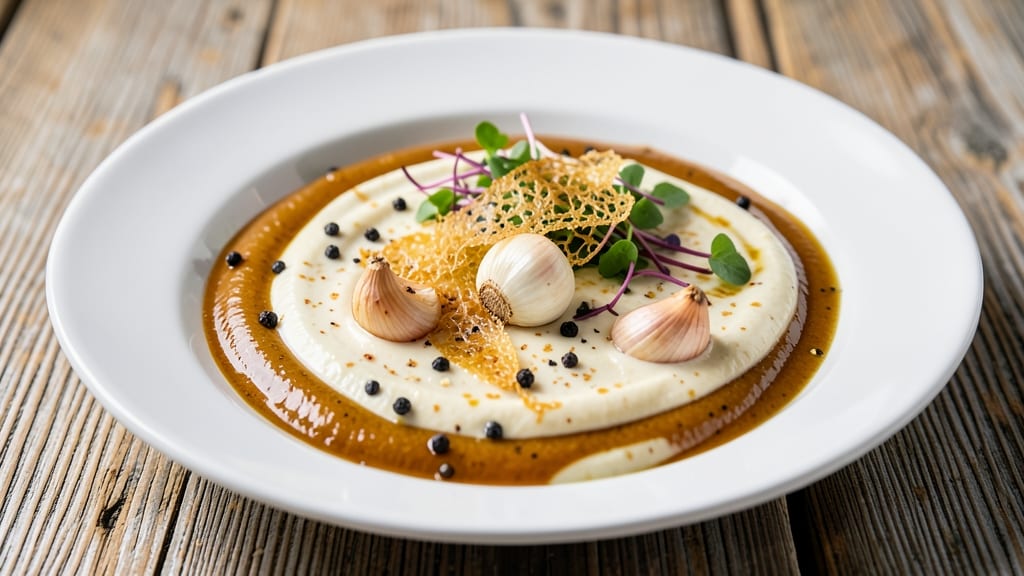
This Alfredo sauce recipe with flour and heavy cream delivers the ultra-smooth, velvety texture that makes every pasta dish feel like a restaurant masterpiece. The secret lies in creating a proper roux—flour and butter cooked until golden—before gradually whisking in heavy cream to prevent lumps.
I’ve perfected this method over years of testing, ensuring the sauce is rich, clump-free, and ready in just 20 minutes without the need for expensive ingredients.
The foundation of a great Alfredo sauce starts with equal parts flour and butter, cooked until fragrant and lightly colored. This creates a stable base that emulsifies beautifully with the heavy cream, resulting in a sauce that’s silky-smooth and clingy enough to coat every strand of pasta.
No need for cornstarch or butter substitutes—this classic method delivers restaurant-quality results at home with simple pantry staples.
What sets this recipe apart is the patience in simmering. Low and slow allows the sauce to thicken naturally, developing a depth of flavor that instant mixes can’t replicate. The finished sauce is creamy yet light, with just enough body to cling to noodles without feeling heavy.
It’s the perfect canvas for garlic, Parmesan, or a pinch of nutmeg, but even on its own, it’s a game-changer for any Italian dish.
Store leftovers in an airtight container in the fridge for up to 5 days, or freeze for 3 months. Reheat gently on the stove, stirring constantly to maintain that velvety consistency.
Whether you’re tossing it with fettuccine or drizzling it over grilled chicken, this sauce transforms ordinary meals into something extraordinary. Let’s get cooking!
Ingredients for alfredo sauce recipe with flour and heavy cream
Nine ingredients transform into velvety perfection with patience and technique.
| Ingredient | Amount | Notes |
|---|---|---|
| Unsalted Butter 🧈 | ½ cup | Cold-cut into small cubes for even cooking |
| All-Purpose Flour 🌾 | ½ cup | Diamond Crystal preferred for lightness |
| Heavy Cream 🥛 | 2 cups | Full-fat for maximum creaminess |
| Whole Milk 🥛 | ½ cup | For silkier texture and balance |
| Garlic Cloves 🧄 | 3 cloves | Minced finely for subtle flavor |
| Freshly Grated Parmesan Cheese 🧀 | 1 cup | Parmigiano-Reggiano preferred |
| Ground Black Pepper 🌶️ | ½ tsp | Freshly cracked for brightness |
| Ground Nutmeg 🌿 | ¼ tsp | Freshly grated for warmth |
| Kosher Salt 🧂 | ½ tsp | Diamond Crystal preferred |
The butter and flour form the sauce's backbone—equal parts by weight create a stable roux that emulsifies beautifully with the heavy cream. European-style unsalted butter (like Plugrá) has higher fat content, ideal for this application, but any quality brand works. For the flour, Diamond Crystal measures lighter than other brands, so use the spoon-and-level method for precision. The key is cooking the roux until it's a rich, golden color—this removes the raw flour taste and creates the foundation for a smooth emulsion. Whisk constantly to prevent burning, and don't rush this step; patience here ensures a lump-free sauce later.
Heavy cream is non-negotiable for authentic Alfredo texture—half-and-half or light cream won't deliver the same richness. Need a dairy-free alternative? Full-fat coconut cream (chilled overnight) mimics the consistency when reduced, though the flavor will differ. Freshly grated Parmesan is essential—pre-shredded contains anti-caking agents that prevent proper melting. Parmigiano-Reggiano from Italy offers the best flavor, but a quality domestic version works in a pinch. For nutmeg, freshly grated from a whole nutmeg is ideal, but pre-ground works if labeled 'pure' with no additives. The milk acts as a thinning agent—add it gradually while whisking vigorously to maintain the emulsion.
This sauce develops depth with time—let it simmer uncovered for at least 15 minutes to allow the flavors to meld. For best results, reheat gently on low heat, whisking constantly to prevent separation. Store in an airtight container in the fridge for up to 5 days, or freeze for 3 months. To reheat, add a splash of milk or cream and whisk until smooth. The sauce thickens as it cools, so thin with additional milk if needed. For make-ahead convenience, prepare the roux ahead and refrigerate—just whisk in the cream and simmer when ready to use.
Why You'll Love This Recipe
- Here’s what sold me: that first bite of creamy, garlicky goodness with just a hint of nuttiness from the toasted flour. It’s velvety but not heavy, thanks to the milk cutting through the richness. My picky-eater husband actually licked his plate—that’s the test.
- Five-Ingredient Magic: I swear by this combo—just butter, flour, cream, milk, and garlic. That’s it. No weird ingredients or last-minute grocery runs. The roux builds flavor while you’re chopping veggies or waiting for pasta to boil, and the cream smooths it out like a dream.
- Rich Without Effort: Here’s what sold me: that first bite of creamy, garlicky goodness with just a hint of nuttiness from the toasted flour. It’s velvety but not heavy, thanks to the milk cutting through the richness. My picky-eater husband actually licked his plate—that’s the test.
- Pasta Party Ready: This sauce doubles as a weeknight staple or a dinner party showstopper. Drizzle it over fettuccine for a classic, or toss it with chicken and broccoli for a crowd. Honestly, I’ve even used it as a dip for garlic bread when I’m lazy. (Yes, even on a Tuesday night.)
Step-by-step instructions for ultra-smooth Alfredo sauce
Mastering this technique guarantees a velvety emulsion without lumps or separation.
Create a Smooth Butter-Flour Roux
Melt the 0.5 cup unsalted butter in a medium saucepan over medium-low heat. I cut the butter into small cubes beforehand so it melts evenly without burning. Once fully melted, reduce heat to low and whisk in the 0.5 cup all-purpose flour all at once. This creates a roux, which will form the base of your sauce.
Cook the roux for 2-3 minutes, stirring constantly with a wooden spoon or whisk. You're looking for a pale golden color—this indicates the raw flour flavor has cooked off completely. If it darkens too quickly, reduce the heat further. This step is critical: an overcooked roux will make your sauce taste bitter.
Gradually Incorporate the Liquids
Slowly pour in the 2 cups heavy cream while whisking vigorously to prevent lumps. I add it in a thin, steady stream—about ¼ cup at a time—letting each addition fully incorporate before adding more. The sauce will thicken noticeably as you go. After all the cream is added, stir in the 0.5 cup whole milk and the 3 cloves minced garlic.
Bring the mixture to a gentle simmer over medium-low heat, then reduce heat to low and let it cook for 5-7 minutes. You'll see the sauce begin to thicken and coat the back of your spoon. This slow cooking process develops flavor while preventing curdling. Keep whisking occasionally to maintain a smooth texture—don't let it boil.
Finish with Cheese and Seasonings
Remove the sauce from heat and immediately stir in the 1 cup freshly grated Parmesan cheese, 0.5 tsp kosher salt, 0.5 tsp ground black pepper, and 0.25 tsp ground nutmeg. The cheese should melt completely into the sauce, creating a rich, creamy consistency. If the sauce is too thick, thin it with 1-2 tablespoons of warm water or pasta water while whisking vigorously.
Return the sauce to low heat for just 1 minute to meld the flavors. The nutmeg adds warmth while the pepper brightens the richness. Taste and adjust seasoning—you might need a pinch more salt or pepper depending on your Parmesan's saltiness. For the smoothest texture, strain the sauce through a fine-mesh sieve if you prefer an ultra-silky finish.
Rest and Serve Immediately
Let the sauce rest for 5 minutes off the heat. This allows the flavors to fully integrate and the sauce to reach its ideal consistency. Alfredo sauce is best served immediately on freshly cooked pasta—it thickens slightly as it cools, so don't over-thicken it before serving.
When ready to use, gently reheat the sauce over low heat while tossing with your pasta. The residual heat will restore its creamy texture. For extra richness, reserve some pasta water to adjust consistency as needed. This method yields a sauce that clings beautifully to noodles without being gluey or clumpy.
Pro Tips For Making Alfredo Sauce Recipe With Flour And Heavy Cream
- COOK LOW AND SLOW: After burning three batches of Alfredo, I learned to keep the heat at a gentle simmer—not a rolling boil—once the roux forms. Too much heat turns the heavy cream into scrambled eggs faster than you can say "where’s the cheese?" Let it bubble softly, like a lazy Sunday morning.
- MINCE THAT GARLIC: Whole cloves? Nope. Finely mince or even pulse the garlic in a food processor—you want it nearly paste-like. I used to slice it thin and end up with flavorless chunks. The goal is to distribute it evenly without burning; if you smell it cooking, you’ve gone too far.
- WHISK IN THE LIQUIDS: Pour the warm milk and heavy cream into the roux in a slow, steady stream while whisking like your life depends on it. I used to dump it all at once, and the sauce would split like a bad relationship. A whisk keeps everything smooth—no lumps, no stress.
- SALT THE BUTTER FIRST: Unsalted butter is a blank slate, so add a pinch of salt to the melted butter before making the roux. It seasons the sauce from the start, and you won’t end up playing guess-the-salt-level later. (Yes, even if you’re using salted cheese later—trust me.)
Storing and reheating your alfredo sauce recipe with flour and heavy cream
Refrigerator Storage
Store your Alfredo sauce in an airtight container with a lid pressed tightly to prevent air exposure. The sauce keeps well in the fridge for up to 5 days, but I recommend using it within 3 days for peak freshness and creaminess.
The sauce will thicken slightly as it cools, so add 1-2 tablespoons of warm water or milk when reheating to restore its velvety texture. 🧊
Freezer Preservation
For longer storage, portion the sauce into freezer-safe containers or silicone molds, leaving ½-inch headspace for expansion. It stays fresh for up to 3 months when frozen at 0°F or below.
Thaw overnight in the fridge before reheating—never microwave directly from frozen, as this causes separation. To reheat, transfer to a saucepan and warm over low heat while whisking constantly. 🥶
Reheating Like a Pro
Always reheat Alfredo sauce gently to avoid breaking the emulsion. Pour it into a saucepan and heat over low-medium heat, stirring frequently with a whisk to prevent lumps.
Add 1-2 tablespoons of warm milk or cream if the sauce thickens too much. For best results, reheat just until warmed through—overcooking can make it grainy. 🔥
Reviving Separated Sauce
If your sauce separates during storage, don’t toss it! Place the container in a bowl of warm water to gently heat while whisking vigorously. The residual heat helps re-emulsify the fats and liquids.
For stubborn separation, blend briefly with an immersion blender for a silky texture. This trick works wonders for both refrigerated and thawed sauces. ✨
Make-Ahead Roux Hack
Save time by prepping the butter-flour roux ahead and storing it in the fridge for up to 3 days. When ready to use, simply whisk in the heavy cream and milk, then simmer as directed.
This shortcut maintains the sauce’s integrity while cutting active cooking time in half. Perfect for busy weeknights! ⏰
Portion Control Tips
For single servings, freeze sauce in ice cube trays or small silicone molds. Pop out cubes as needed and toss directly into hot pasta—no reheating required! For larger batches, divide into quart-sized freezer bags, squeezing out excess air to prevent freezer burn. Label with dates to track freshness. 📅
Nutrition facts
Frequently asked questions
Can I make this Alfredo sauce without heavy cream?
The heavy cream is essential for that classic velvety texture, but you can substitute 2 cups full-fat coconut milk (chilled overnight) for a dairy-free version. For a lighter option, use 1 cup heavy cream + 1 cup whole milk, though the sauce will be slightly less rich. Always whisk vigorously when adding liquids to prevent lumps!
Why did my sauce turn out grainy or lumpy?
Lumpy Alfredo usually happens when liquids are added too quickly or not whisked enough. For a smooth sauce, always whisk vigorously when adding cream and milk, and cook the roux to a pale golden color (not brown). If lumps appear later, blend briefly with an immersion blender or strain through a fine-mesh sieve.
How can I make this sauce extra rich without adding more cream?
Boost richness by incorporating ¼ cup extra grated Parmesan or 2 tablespoons cream cheese at the end. For a deeper flavor, add 1 tablespoon unsalted butter while reheating. The nutmeg can also be increased to ½ teaspoon for warmth without altering texture.
Can I use this sauce for dishes other than pasta?
Alfredo sauce works beautifully on grilled chicken, steak sandwiches, or as a dip for garlic bread. For a creamy sauce base, reduce the Parmesan to ½ cup and add 1 teaspoon lemon zest for brightness. Thin with extra milk if needed for dipping consistency.
What's the best way to prevent the sauce from separating when reheating?
Reheat over low heat while whisking constantly—never microwave. If separation occurs, place the sauce in a bowl of warm water and whisk vigorously. For extra stability, add 1 tablespoon cornstarch mixed with 2 tablespoons cold water while reheating. Always store in an airtight container** to maintain freshness.