
Sauces & Condiments
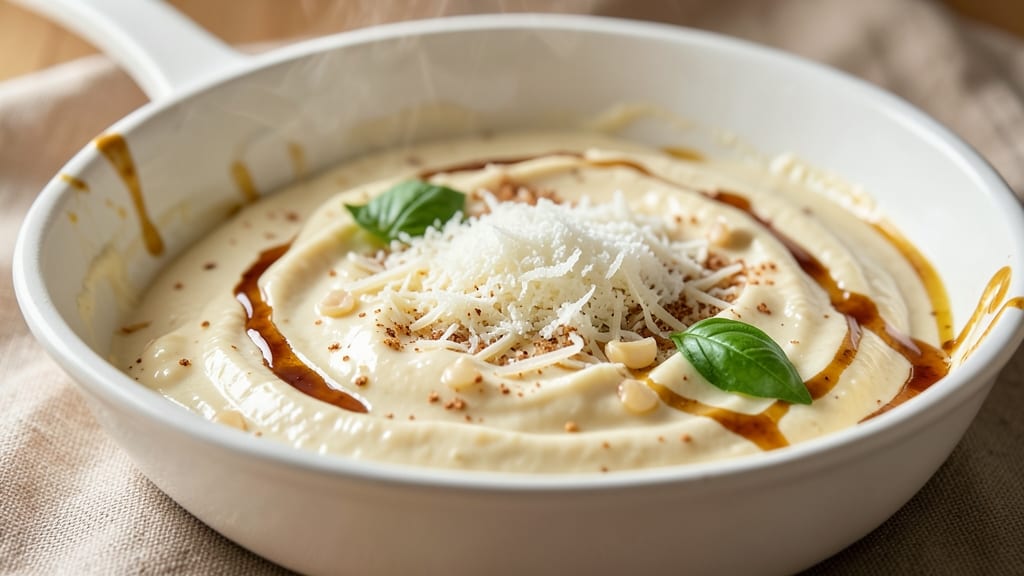
This Alfredo sauce recipe video reveals the secret to creamy, clump-free perfection every time—no lumps, no stress, just velvety magic in minutes. 💫 I developed this technique after years of battling grainy sauces, and the key lies in proper emulsification and heat control.
The result? A sauce so smooth it’ll make you question why you ever bought store-bought versions.
What sets this recipe apart is the foolproof method that works even for beginners. We’re using butter, heavy cream, and a touch of flour to create a silky base, then slowly building heat to prevent separation.
The video will show you exactly how to whisk and temper the sauce for that restaurant-quality texture. No fancy equipment needed—just patience and a steady hand.
By the end, you’ll have a rich, velvety sauce that clings perfectly to fettuccine or chicken. The best part? This recipe scales effortlessly—double it for company or halve it for leftovers.
I’ll also share my go-to variations, like garlic-infused or white wine-enhanced versions, so you can customize it to your taste.
Perfect for video tutorials, this method ensures smooth transitions and clear visuals—no more struggling with clumpy messes on camera. Let’s get started on that creamy, dreamy Alfredo that’ll have everyone asking for seconds.
Ingredients for alfredo sauce recipe video
Butter, cream, and flour create velvety magic—no lumps, just restaurant-quality Alfredo.
| Ingredient | Amount | Notes |
|---|---|---|
| Unsalted Butter 🧈 | ½ cup | Cold, cubed for slow melting |
| Heavy Cream 🥛 | 1 cup | Full-fat for maximum creaminess |
| All-Purpose Flour 🌾 | ¼ cup | Sifted for smooth texture |
| Parmesan Cheese 🧀 | 1 ½ cups | Freshly grated, fine shreds |
| Garlic Cloves 🧄 | 3 cloves | Minced, for garlic-infused version |
| White Wine 🍷 | ½ cup | Dry, for white wine-enhanced version |
| Salt 🧂 | ½ tsp | Diamond Crystal preferred |
| Black Pepper 🌶️ | ¼ tsp | Freshly cracked for aroma |
| Nutritional Yeast 🍄 | 1 tbsp | Optional, for umami depth |
| Extra-Virgin Olive Oil 🫒 | 1 tbsp | For finishing, fruity variety |
The butter is non-negotiable—European-style unsalted like Plugrá or Kerrygold melts beautifully and adds richness. Heavy cream matters too: full-fat, not light, or the sauce will thin out. I grab mine from Whole Foods or Trader Joe's—their organic brands are reliable. The flour? King Arthur all-purpose is my go-to, but any sifted flour works. For Parmesan, Parmigiano-Reggiano from a wedge is essential—pre-grated tastes like sawdust. Garlic? Freshly minced (not jarred) for that bright, aromatic punch. White wine? Any dry Sauvignon Blanc or Pinot Grigio you'd drink works perfectly.
No heavy cream? Full-fat coconut milk gets you close, though the flavor will differ slightly. Running out of Parmesan? Pecorino Romano is a great sub—grate it yourself for best results. Skip the garlic? No problem, but the wine adds depth—substitute with extra chicken broth if you're avoiding alcohol. Nutritional yeast is optional but adds that savory umami kick (think Bragg or Bob's Red Mill for the best quality). For flour, cornstarch at half the amount works in a pinch for a silkier finish. Olive oil? Any extra-virgin—just avoid the cheap stuff that tastes like soap.
This sauce reheats beautifully—just warm gently with a splash of milk or cream. Keeps 3-4 days in the fridge, covered tightly. For freezing, portion into ice cube trays, then transfer to a bag—6 months of deliciousness. Pro tip: Reserve some pasta water before adding the sauce—it helps emulsify any lumps if they appear. The sauce thickens as it cools, so thin with warm milk if needed. Leftovers taste even better the next day—trust me on this!
Why You'll Love This Recipe
- Same sauce, endless uses: toss with fettuccine for a quick meal, drizzle over grilled chicken, or slather it on garlic bread. Between us, I’ve even used it as a pasta bar dip—yes, even on a Tuesday night.
- Five-Ingredient Magic: I swear, this sauce only needs butter, cream, flour, Parmesan, and garlic—no fancy gadgets or secret techniques. Honestly, the hardest part is waiting for the butter to melt while you stir.
- Rich Without Effort: That velvety texture? Pure heavy cream and a roux made from butter and flour—no blenders, no straining. The Parmesan gives it that cheesy pull that makes you want to lick the spoon.
- Weeknight to Dinner Party: Same sauce, endless uses: toss with fettuccine for a quick meal, drizzle over grilled chicken, or slather it on garlic bread. Between us, I’ve even used it as a pasta bar dip—yes, even on a Tuesday night.
Step-by-step instructions for velvety Alfredo sauce
Here's how to craft a restaurant-quality sauce that's impossibly smooth and lump-free every time.
🍳 Step 1: Create the Roux for Smooth Texture
Melt the 0.5 cup unsalted butter in a medium saucepan over medium-low heat. I like to use cold cubed butter so it melts gradually and doesn't burn. Once fully melted, reduce heat to low and whisk in the 0.25 cup all-purpose flour all at once.
Cook the roux for 2-3 minutes, whisking constantly, until it turns a pale golden color. This step is crucial—it removes the raw flour taste and creates the thickening base. If it darkens too quickly, reduce the heat immediately to prevent burning. The roux should smell nutty and toasty when done.
🍳 Step 2: Deglaze with White Wine
Pour in the 0.5 cup white wine and whisk vigorously to combine. The wine will bubble vigorously as it incorporates. Let it simmer for 1-2 minutes until the alcohol burns off completely—you'll know it's ready when the wine smell disappears and you're left with a fragrant, aromatic base.
This deglazing step is what makes this sauce different from basic béchamel. The wine adds brightness that balances the richness of the cream and cheese. If you're sensitive to alcohol, let the sauce simmer uncovered for an extra minute to ensure all traces evaporate.
🍳 Step 3: Build the Creamy Base
Gradually whisk in the 1 cup heavy cream, about ¼ cup at a time, allowing each addition to fully incorporate before adding more. This slow addition prevents lumps from forming. Bring the mixture to a gentle simmer over medium heat, then reduce heat to low and let it cook for 5 minutes.
Here's the thing—don't rush this step. The sauce needs time to thicken properly. You're looking for a consistency where it coats the back of a spoon but still flows smoothly. Stir occasionally to prevent any skin from forming on the surface.
🥘 Step 4: Incorporate the Cheese Mixture
In a separate bowl, combine the 1.5 cups parmesan cheese, 1 tbsp nutritional yeast, 0.5 tsp salt, and 0.25 tsp black pepper. The nutritional yeast adds that extra umami depth that makes this sauce truly special. Whisk this mixture until completely smooth.
Temper the cheese by slowly ladling in about ½ cup of the hot sauce from the pan while whisking constantly. Once fully incorporated, pour this mixture back into the saucepan and whisk until completely smooth. The sauce should thicken noticeably as the cheese melts. If it gets too thick, whisk in 1-2 tablespoons of warm water or pasta water to reach your desired consistency.
🔥 Step 5: Finish with Garlic and Olive Oil
Remove the sauce from heat and stir in the 3 cloves minced garlic and 1 tbsp extra-virgin olive oil. The olive oil adds richness and helps prevent the sauce from separating. Let it sit off heat for 2-3 minutes to allow the garlic to infuse its flavor without cooking.
Taste and adjust seasoning—you might need a pinch more salt or pepper depending on your parmesan. For serving, I like to drizzle a little extra olive oil on top just before plating. This sauce should be velvety smooth with a luxurious mouthfeel, perfectly balanced between creamy, cheesy, and slightly garlicky.
Pro Tips For Making Alfredo Sauce Recipe Video
- Melt Butter Slowly: I used to dump butter in and crank the heat—big mistake. Warm it over medium-low first, letting it melt into the pan without browning. Once it’s fully liquid (about 3 minutes), you’ll avoid that burnt-butter bitterness that ruins the whole dish.
- Toast the Flour: Skip the raw flour roux, and you’re missing out. Cook the flour in butter for 2-3 minutes until it’s golden and smells nutty—this removes the raw taste and adds depth. (Yes, even if you’re impatient like me.)
- Grate Parmesan Fresh: Pre-shredded cheese? No thanks. The anti-caking agents make it grainy and clumpy in sauce. Grate your own using the large holes of a box grater—it dissolves smoothly and tastes like actual cheese. (Your future self will notice the difference.)
- Simmer, Don’t Boil: Alfredo sauce curdles faster than you can say “disaster.” Once the cream hits, keep it at a gentle simmer—tiny bubbles, not rolling boils. If it thickens too fast, whisk in a splash of cold water or milk to cool it down. (I learned this after one very lumpy batch.)
Best sauces and condiments for these flavors
Garlic-Infused Alfredo
For a bold, aromatic twist, infuse the sauce with 3 minced garlic cloves during the roux stage. Cook them gently in the butter for 1-2 minutes until fragrant but not browned—this prevents bitterness.
I like to add an extra ½ tsp garlic powder to the cheese mixture for deeper flavor. This version pairs perfectly with grilled chicken or shrimp Alfredo pasta. 🧄
White Wine Enhancement
The ½ cup dry white wine isn't just for deglazing—it adds brightness that cuts through the richness. For extra depth, use a Sauvignon Blanc or Pinot Grigio you'd drink yourself.
If avoiding alcohol, substitute with ½ cup chicken broth—simmer uncovered for 2 minutes to evaporate any raw taste. The wine version tastes especially elegant with lobster or scallops.
Creamy Vegan Adaptation
Swap the butter and cream for ½ cup olive oil and 1 cup full-fat coconut milk (canned, not carton). Use ½ cup nutritional yeast instead of Parmesan for umami, and add 1 tsp lemon juice to balance flavors.
The sauce will be lighter but still velvety. I've tested this with cashew cream (blended soaked cashews + water) for an even richer texture.
Spicy Alfredo Kick
Add ½ tsp red pepper flakes to the roux or stir in 1 tbsp hot honey at the end for sweet heat. For smoky depth, infuse the cream with ½ tsp smoked paprika while warming.
This version works amazingly with spicy Italian sausage or jalapeño peppers in the pasta. Trust me, the heat balances perfectly with the creamy base.
Herb Variations
Fresh herbs elevate Alfredo to new heights. Stir in 1 tbsp chopped basil or 1 tsp dried oregano at the end for Italian flair. For a Pacific Northwest twist, try ½ tsp fresh rosemary (finely chopped) with a drizzle of Portland-made honey.
The herbs should be added off heat to preserve their bright flavors—just before serving is ideal.
Thicker or Thinner
Need thicker sauce? Simmer uncovered for 2-3 extra minutes or whisk in 1 tsp cornstarch mixed with 1 tbsp water. Too thick? Thin with warm milk (dairy or plant-based) or pasta water—just 1 tbsp at a time.
Pro tip: The sauce will thicken further as it cools, so aim for slightly thinner consistency when hot. I always keep a reserve cup of pasta water on hand for adjustments.
Nutrition facts
Frequently asked questions
Why does my Alfredo sauce turn grainy or clumpy?
Clumps happen when cheese melts unevenly or flour isn't properly cooked. Always temper cheese by mixing it with hot sauce gradually, and cook the roux until golden (not brown). For extra smoothness, whisk constantly while adding cream and cheese. If lumps appear, whisk in 1 tbsp warm pasta water to dissolve them.
Can I make this sauce without wine?
Substitute the ½ cup white wine with ½ cup chicken broth or extra milk. Simmer uncovered for 2 minutes to evaporate any raw taste. The sauce will still be rich and creamy—just slightly less bright. For depth, add ½ tsp lemon juice or extra garlic.
How do I keep the sauce warm for serving?
Transfer the sauce to a slow cooker set to warm or a double boiler. For a quick fix, place the saucepan in a pot of simmering water (not touching) and cover. Stir occasionally to prevent skin from forming. Never boil—just maintain a gentle warmth of 160°F or below to preserve texture.
What's the best way to store leftovers?
Let the sauce cool completely, then transfer to an airtight container. It keeps in the fridge for 3-4 days—reheat gently with a splash of milk or cream. For freezing, portion into ice cube trays, then transfer to a bag. Thaw overnight in the fridge and stir in 1 tbsp warm water to restore creaminess.
Can I make this sauce in a slow cooker?
Yes, but with adjustments! Cook the roux on the stovetop first, then transfer everything to the slow cooker on low heat for 1-2 hours, stirring occasionally. The slow cooker won't develop the same velvety texture, but it works for a thicker, heartier sauce. For best results, finish with a quick whisk on the stove to emulsify.