
Sauces & Condiments
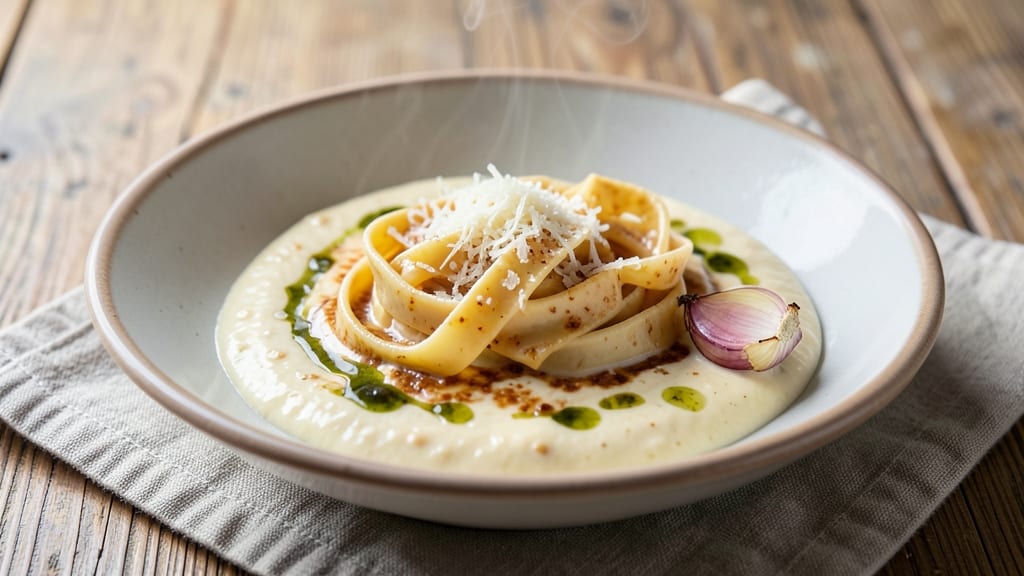
This Alfredo sauce recipe for one serving delivers velvety, no-clump perfection in just 10 minutes—no heavy cream clumps or lumps in sight. The secret lies in precise ratios and gentle heat, transforming simple pantry staples into a restaurant-worthy sauce that coats pasta effortlessly.
Whether you're feeding one or making a double batch, this method guarantees a smooth, creamy finish every time.
What sets this single-serving recipe apart is the foolproof emulsification technique—no whisking required. We start with butter and flour to create a stable base before adding cream and Parmesan, ensuring the sauce stays silky without breaking.
The result? A rich, nutty, and slightly tangy sauce that clings to noodles like a dream, with just the right balance of saltiness and creaminess.
The best part? This sauce comes together in one pot with minimal cleanup, making it ideal for weeknight dinners or last-minute pasta cravings. The 10-minute timeline includes prep and cooking, so you’ll have your sauce ready while your pasta boils.
Garnish with fresh black pepper or parsley for a touch of brightness, and you’ve got a sauce that’s worth repeating.
Perfect for pairing with fettuccine, chicken, or even as a dipping sauce, this recipe proves you don’t need a crowd to enjoy restaurant-quality Alfredo. Let’s get cooking—your single serving of creamy perfection is just minutes away.
Ingredients for alfredo sauce recipe one serving
Six staples plus a pinch of magic—this single-serving Alfredo comes together faster than you can boil water.
| Ingredient | Amount | Notes |
|---|---|---|
| Unsalted Butter 🧈 | 2 tbsp | Cold, cubed for even melting |
| All-Purpose Flour 🌾 | ½ tbsp | Diamond Crystal preferred |
| Heavy Whipping Cream 🥛 | ¼ cup | Full-fat for richness |
| Parmesan Cheese 🧀 | ¼ cup | Freshly grated, block preferred |
| Whole Milk 🥛 | ⅛ cup | Warmed for smoother sauce |
| Garlic Cloves 🧄 | 1 clove | Minced, for subtle aroma |
| Salt 🧂 | ¼ tsp | Diamond Crystal kosher |
| Black Pepper 🌶️ | ⅛ tsp | Freshly cracked |
| Fresh Parsley 🌿 | 1 tbsp | Chopped, for garnish |
The butter and flour form the sauce's backbone—cold cubed butter melts into a roux without browning, while Diamond Crystal flour ensures smoothness (regular flour can clump). For the Parmesan, skip the pre-grated stuff—it's full of anti-caking agents that ruin texture. I grab a wedge at Whole Foods or Trader Joe's because their selection is consistently fresh. The garlic? One clove is perfect—any more gets bitter. If you're using frozen garlic, thaw and dry it first to avoid watery sauce.
No heavy cream? Full-fat coconut milk works in a pinch (though it tastes slightly coconutty), or Greek yogurt thinned with milk for tangier flavor. Running low on Parmesan? Pecorino Romano has a sharper bite that works well. The milk should be warmed to room temperature—cold milk causes separation. For extra richness, add 1 tbsp sour cream at the end. And if you're making a double batch, just double everything except the garlic—two cloves can overpower.
This sauce stays creamy for 3-4 days refrigerated—just reheat gently with a splash of milk. Freezes beautifully for up to 3 months, but add a pinch of milk when reheating to restore silkiness. I always keep a small jar in the fridge for quick pasta nights. Garnish with parsley right before serving—it wilts fast, so wait until the last minute.
Why You'll Love This Recipe
- No Measuring Madness: I swear by this—just eyeball the butter and flour. You’re not making a soufflé; a quick toss in a saucepan with the milk, a whisk, and a minute of simmering is all it takes. The sauce comes together faster than my coffee brews, and honestly? That’s saying something.
- Rich Without Effort: That first spoonful of creamy, nutty Parmesan melting into the warm butter? It’s the kind of flavor that makes you pause mid-bite. No fancy reductions or infused oils—just the deep, velvety goodness of heavy cream and real cheese doing the heavy lifting.
- Pasta’s Best Friend: Use it tonight on fettuccine, toss it with roasted chicken for lunch tomorrow, or drizzle it over garlic bread while you’re at it. The beauty? It’s one serving, but it stretches across multiple meals without tasting like leftovers—because let’s be real, this sauce is too good to waste.
- Pantry Staple Power: Between us, this recipe uses things you already own. Butter, flour, milk—check. Parmesan? I keep a wedge in the fridge for emergencies like this. It’s the ultimate budget move: one serving costs pennies, but the comfort factor? Priceless. Plus, the leftovers? Freeze them. Yes, even Alfredo.
Step-by-step instructions for creamy Alfredo sauce
Here's how to make velvety, lump-free Alfredo sauce in minutes—no fancy techniques required.
Melt Butter and Create a Smooth Roux
In a medium saucepan, melt the 2 tbsp unsalted butter over medium-low heat. Once fully melted, add the 0.5 tbsp all-purpose flour and whisk vigorously for 1-2 minutes until the mixture forms a smooth, pale roux with no visible flour specks. This step is crucial—it removes the raw flour taste and creates the sauce's thickening power.
Watch closely as the butter melts—if it browns before the flour is fully incorporated, you'll develop a nutty flavor instead of the clean, creamy base we want. Keep the heat gentle to prevent burning. Once the roux is smooth and pale, we're ready to build the sauce.
Add Garlic and Warm Milk
Reduce the heat to low and add the 1 minced garlic clove. Stir for 30 seconds until fragrant but not browned—garlic burns quickly, and you want subtle flavor, not bitterness. Immediately pour in the 0.125 cup warmed whole milk and whisk constantly to prevent lumps from forming.
Let the mixture simmer gently for 2-3 minutes, stirring frequently, until it begins to thicken slightly. The sauce should coat the back of a spoon but still flow smoothly. If it thickens too quickly, add 1 teaspoon of milk to adjust the consistency. This gradual thickening process ensures a silky texture without clumping.
Incorporate Cream and Cheese
Pour in the 0.25 cup heavy whipping cream and whisk to combine. Increase the heat to medium-low and let the sauce simmer for 3-4 minutes, stirring occasionally, until it begins to thicken. Here's where the magic happens—this is when the sauce transforms from thin to luxurious.
Reduce the heat to low and gradually whisk in the 0.25 cup freshly grated Parmesan cheese, adding 1 tablespoon at a time to prevent clumping. The cheese should melt completely into the sauce, creating a rich, nutty depth of flavor. If the sauce looks too thick, add 1-2 teaspoons of milk to reach your desired consistency—it should coat the back of a spoon but still pour smoothly.
Season and Finish
Remove the sauce from heat and stir in the 0.25 tsp salt and 0.125 tsp freshly cracked black pepper. Taste and adjust the seasoning if needed—Alfredo sauce should be rich but not overly salty. Let it rest for 1-2 minutes to allow the flavors to meld together.
For the final touch, stir in the 1 tbsp chopped fresh parsley just before serving. This adds a bright, fresh contrast to the richness of the cheese and cream. The sauce is now ready to toss with fettuccine, drizzle over grilled chicken, or serve as a creamy dip. Remember, the sauce will thicken slightly as it cools, so adjust the consistency to your liking before serving.
Pro Tips For Making Alfredo Sauce Recipe One Serving
- WHISK THE FLOUR FIRST: Don’t just toss the flour into the butter—whisk it into a smooth paste with a splash of cold milk before adding the rest. I learned this the hard way when my sauce turned into a grainy mess because the flour clumped. This step guarantees a silky texture every time.
- MELT BUTTER SLOWLY: Low and steady wins the race—melt the butter over medium-low heat until it’s just golden, not brown. Rushing this step burns the butter and turns your sauce bitter. If you’re impatient like me, keep the heat at the lowest setting that still melts the butter evenly.
- GRATE YOUR OWN CHEESE: Pre-shredded Parmesan has anti-caking agents that make your sauce look (and taste) like it’s swimming in powder. Grate your own cheese fresh—it dissolves smoothly and gives that rich, nutty depth the sauce needs. Yes, it takes 30 seconds extra, but the difference is noticeable.
- STIR CONSTANTLY AFTER ADDING CREAM: The moment you pour in the heavy cream, the sauce will bubble and thicken fast. If you walk away for even 30 seconds, you risk lumps or a split sauce. Keep that whisk moving—this is the non-negotiable step that keeps your sauce velvety, not gluey.
Regional styles of this dish
Classic Italian Style
This single-serving Alfredo sauce stays true to its Roman roots with a focus on simplicity and quality ingredients. In Italy, they often use Parmigiano Reggiano instead of regular Parmesan for its superior flavor and texture.
The sauce is traditionally made with just butter, cream, and cheese—no garlic or milk in the original recipe. For an authentic touch, use 1 tbsp unsalted butter and 2 tbsp heavy cream per serving, and let the cheese shine without additional seasoning. 🧀
Americanized Creamy Version
The rich, velvety Alfredo sauce we know today became popular in the US during the 1960s, thanks to restaurants like Alfredo di Roma in New York. This version incorporates garlic and milk for extra depth.
For a true American-style sauce, add 1 minced garlic clove and ¼ cup warm milk to the base. The result is a smoother, more approachable sauce that pairs perfectly with fettuccine. I find this version works better for picky eaters who prefer milder flavors.
Northern Italian Twist
In Northern Italy, especially in regions like Lombardy, Alfredo sauce often includes a touch of nutmeg for warmth. Add ⅛ tsp freshly grated nutmeg when incorporating the Parmesan. This regional variation adds subtle complexity without overpowering the creamy base.
Pair it with tagliatelle or pappardelle for a true Northern Italian experience. The nutmeg enhances the sauce's richness while keeping it light enough for summer meals.
Southern Italian Fusion
For a Southern Italian-inspired version, stir in ½ tsp dried oregano and ¼ tsp red pepper flakes at the end. This fusion adds a Mediterranean brightness that cuts through the creaminess. I love this version with grilled shrimp or chicken parmesan strips.
The oregano and chili flakes create a flavor bridge between traditional Alfredo and classic Italian marinara. It's a great way to spice up a single serving without losing the sauce's signature creaminess.
Vegetarian-Friendly Adaptation
This regional style keeps the creamy texture but replaces Parmesan with nutritional yeast for a vegetarian-friendly version. Use 2 tbsp nutritional yeast instead of cheese and add ½ tsp garlic powder for depth. The sauce stays rich and flavorful while being completely dairy-free.
I've found this works especially well with mushroom risotto or roasted vegetable pasta. It's a great option for those avoiding dairy but still craving creamy Alfredo flavors.
Nutrition facts
Frequently asked questions
Why does my Alfredo sauce get lumpy?
Lumps happen when flour isn't fully dissolved in the butter or when cheese is added too quickly. The key is whisking constantly when combining ingredients and adding cheese 1 tablespoon at a time while keeping heat on low. For extra smoothness, strain the finished sauce through a fine-mesh sieve before serving.
Can I make this sauce without heavy cream?
Yes! Substitute with ½ cup full-fat coconut milk (for a slightly tropical note) or ½ cup warm whole milk + 2 tbsp Greek yogurt (for tangy richness). Both options work well, though the texture may be slightly lighter. Adjust seasoning with an extra pinch of salt if using coconut milk.
How do I prevent the sauce from breaking when adding cheese?
Heat control is everything! Keep the sauce on low heat and add cheese gradually while whisking vigorously. If the sauce looks too thick, thin it with 1 tsp warm milk before adding more cheese. Never let the sauce boil—this causes separation. The ideal temperature is just below a gentle simmer.
What's the best pasta shape for this sauce?
Flat, wide noodles work best—fettuccine or tagliatelle are classic choices because their broad surfaces cling to the sauce. Ribbon-shaped pasta like pappardelle also pairs beautifully. For extra sauce coverage, try linguine or spaghetti, but avoid small shapes like penne that hide sauce.
Can I make this sauce ahead of time?
Yes! Store in an airtight container in the fridge for 3-4 days or freeze for up to 3 months. To reheat, warm gently on low heat with 1-2 tsp milk to restore creaminess. Never microwave directly—this causes separation. For best texture, reheat just until warm, then stir in fresh parsley before serving.