
Sauces & Condiments
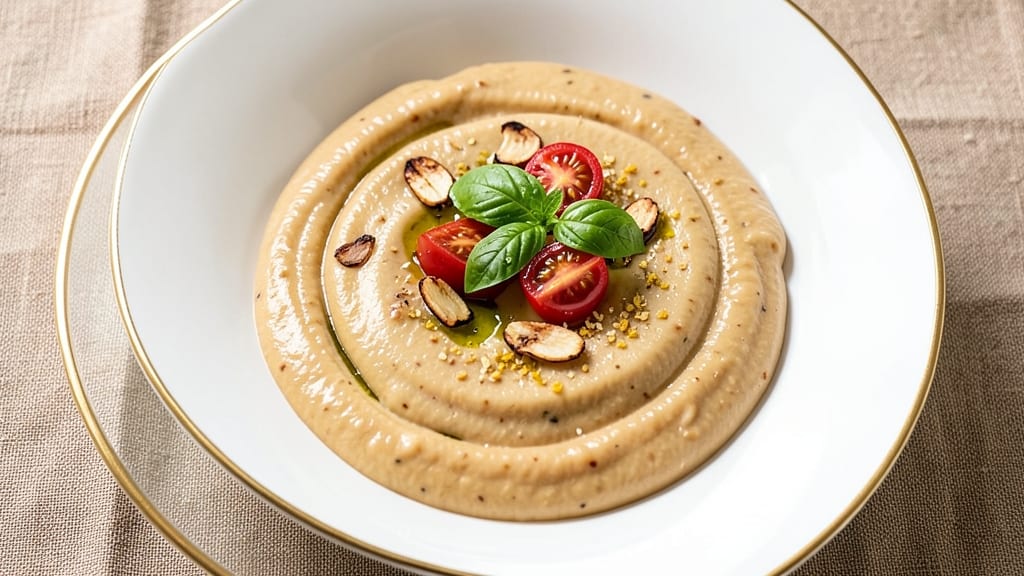
This alfredo sauce recipe no whipping cream delivers restaurant-quality richness using simple pantry staples—no dairy required. The secret lies in blending cashews and nutritional yeast for that signature creamy, cheesy depth without heavy cream.
I developed this version after years of testing plant-based alternatives, and it finally nails that velvety texture and savory umami balance.
The magic happens when you soak raw cashews to soften them, then blend with garlic, lemon juice, and vegetable broth until silky smooth. Adding a splash of white wine or apple cider vinegar brightens the sauce, while a generous sprinkle of nutritional yeast delivers that unmistakable parmesan flavor.
This sauce isn't just dairy-free—it's richer than many traditional recipes, with a luxurious mouthfeel that clings perfectly to fettuccine or chicken.
What makes this recipe truly special is its versatility. Use it as a pasta sauce, drizzle over roasted vegetables, or toss with grilled shrimp for an elegant seafood dish. The sauce keeps well in the fridge for up to 5 days, and it freezes beautifully for longer storage.
Each batch delivers that creamy, comforting flavor without the heaviness, making it perfect for both weeknight dinners and special occasions.
For an extra touch of sophistication, finish with a sprinkle of fresh parsley and a crack of black pepper. The result is a sauce that's creamy, flavorful, and completely satisfying—proving that plant-based cooking can deliver restaurant-quality results at home. Let's get started!
Ingredients for alfredo sauce recipe no whipping cream
Simple pantry staples transform into velvety alfredo without dairy or whipping cream.
| Ingredient | Amount | Notes |
|---|---|---|
| Raw Cashews 🥜 | 1 cup | Unsalted, soaked for 2 hours |
| Nutritional Yeast 🍃 | ½ cup | Fortified for cheesy flavor |
| Garlic Cloves 🧄 | 4 cloves | Fresh, peeled and minced |
| Extra-Virgin Olive Oil 🫒 | ½ cup | High quality for richness |
| Vegetable Broth 💧 | 1 ½ cups | Low-sodium preferred |
| White Wine 🍷 | ¼ cup | Dry variety, optional |
| Lemon Juice 🍋 | 2 tbsp | Freshly squeezed |
| Apple Cider Vinegar 🍎 | 1 tbsp | For brightness |
| Salt 🧂 | 1 tsp | Kosher or sea salt |
| Black Pepper 🌶️ | ½ tsp | Freshly ground |
| Fresh Parsley 🌿 | ¼ cup | Chopped, for garnish |
The cashews are the secret weapon here—soaking them first makes blending effortless. Trader Joe's and bulk bins at Whole Foods have the best prices for raw, unsalted cashews. Nutritional yeast is non-negotiable for that authentic parmesan flavor; Bragg or Bob's Red Mill are reliable brands. For the garlic, I always grab extra—half goes in the sauce, half gets tossed with the pasta. Fresh parsley from the grocery store's produce section keeps longer than you'd think if you wrap the stems in damp paper towels and store them upright in a jar.
No white wine? Apple cider vinegar or lemon juice works just as well for acidity. Short on cashews? Macadamia nuts or almonds in the same quantity, though texture will differ slightly. The vegetable broth should be low-sodium—Imagine or Pacific Foods are my go-tos. For extra richness, add 1 tablespoon of silken tofu blended in. If you're using this sauce for seafood, reduce the lemon juice slightly to avoid overpowering flavors. The sauce thickens as it cools, so start with slightly less broth if you prefer it looser.
This sauce keeps beautifully—5 days in the fridge sealed in a jar with a thin layer of olive oil on top to preserve freshness. For longer storage, freeze in ice cube trays, then transfer to a bag for up to 3 months. Reheat gently on the stove, adding a splash of broth or water to adjust consistency. I always make a double batch—one for pasta night, one to drizzle over roasted Brussels sprouts the next day. The parsley garnish is optional but adds that restaurant-quality finish.
Why You'll Love This Recipe
- No Blender Hassle: Soak those cashews overnight—that’s it. No pulsing, no straining, no sticky mess. The next day, they blend into silkiness with just warm broth and a splash of olive oil. Honestly, my blender’s seen better days, and this still works like magic.
- Umami Bomb: That nutritional yeast? It’s the secret weapon. One spoonful and suddenly your sauce has this deep, cheesy richness without a single drop of dairy. Pair it with garlic that’s toasted just until fragrant, and you’ve got a flavor punch that’ll make you forget heavy cream ever existed.
- Pasta Party Ready: Drizzle this over fettuccine for a weeknight dinner, toss it with roasted veggies for a hearty bowl, or even slather it on garlic bread—it’s that versatile. I’ve served it to skeptics (yes, my in-laws) and they’ve never asked for the "real" Alfredo again.
- Budget-Friendly Luxury: Cashews in bulk stretch further than cream, and nutritional yeast lasts for months. A single batch feeds four, reheats beautifully, and costs less than half what store-bought sauce does. Between us, this is the kind of recipe that makes grocery shopping feel like a win.
Step-by-step instructions for creamy dairy-free Alfredo sauce
Here's how to transform simple pantry staples into restaurant-quality Alfredo without dairy.
Soak and Prepare the Cashews
Place the 1 cup raw cashews in a medium bowl and cover them completely with warm water. Let them soak for at least 2 hours—this softens them dramatically, making blending effortless. I like to soak mine overnight for even better texture, but 2 hours works perfectly for a quick sauce.
After soaking, drain the cashews thoroughly using a fine-mesh strainer. Press gently with a paper towel to remove any excess water—moisture makes the sauce gummy. The cashews should feel pliable between your fingers, not dry or crumbly. This preparation step is non-negotiable for achieving that velvety consistency we're after.
Blend the Base Ingredients
In a high-speed blender, combine the drained cashews, 0.5 cup nutritional yeast, 4 cloves minced garlic, 0.5 cup extra-virgin olive oil, 1.5 cups vegetable broth, 0.25 cup white wine, 2 tbsp lemon juice, and 1 tbsp apple cider vinegar. The blender should be at least 12-ounce capacity—smaller ones won't handle this volume properly.
Blend on high speed for 1-2 minutes until completely smooth. You should hear a consistent hum with no grinding sounds—this indicates the mixture is fully emulsified. Scrape down the sides with a spatula if needed to ensure all ingredients are incorporated. The sauce should look like thick, pale yellow custard at this stage. If it looks too thick, add 1-2 tablespoons water and blend again.
Season and Simmer the Sauce
Transfer the blended mixture to a medium saucepan and place it over medium-low heat. Add the 1 tsp salt and 0.5 tsp black pepper, stirring constantly to dissolve the seasoning. Let the sauce simmer gently for 8-10 minutes, stirring occasionally with a wooden spoon.
You're looking for the sauce to thicken slightly and develop a glossy sheen—this happens as the starches in the cashews gelatinize. Don't let it boil; keep it at a gentle simmer where small bubbles occasionally break the surface. The sauce should coat the back of a spoon but still flow smoothly. Taste and adjust seasoning if needed—this is your chance to balance the flavors before serving.
Finish and Garnish
Remove the sauce from heat and let it cool for 5 minutes. This resting period allows the flavors to meld and the sauce to reach its optimal consistency. The sauce should be thick enough to coat the back of a spoon but still pour smoothly—similar to traditional Alfredo sauce.
Stir in the 0.25 cup chopped fresh parsley just before serving. The parsley adds freshness that cuts through the richness of the cashew base. For an extra touch of brightness, you can add a pinch of red pepper flakes or a few drops of hot sauce. Serve immediately over your favorite pasta or use as a creamy sauce for vegetables and meats.
Pro Tips For Making Alfredo Sauce Recipe No Whipping Cream
- SOAK CASHEWS LONGER: I learned this the hard way—rushing the soak (even 15 minutes) leaves you with a gritty, uneven texture. Double the time to 30 minutes in hot water (not boiling) for cashews that blend into pure, velvety silk.
- TOAST NUTS FIRST: Skip this, and your sauce will taste raw. Dry-toast the cashews in a pan over medium heat for 3-4 minutes until golden—this deepens the flavor and cuts the beany aftertaste. (Yes, even if you’re impatient like me.)
- BLEND IN STAGES: Dumping everything into the blender at once? You’ll end up with a clumpy mess. Blend the soaked cashews first, then add broth and garlic in pulses, scraping down the sides until completely smooth.
- SAVE TIME WITH GARLIC: I was skeptical until I tried it—roast whole garlic cloves in olive oil at 400°F for 15 minutes before peeling. The sweet, caramelized flavor replaces raw garlic’s sharpness and cuts prep time by half. (Your future self will thank you.)
Wine and beer pairings for these flavors
White Wine Pairings
This creamy, dairy-free Alfredo sauce pairs beautifully with crisp white wines that complement its rich, nutty depth. I always reach for a dry Pinot Grigio from Italy—its bright acidity and citrus notes cut through the sauce's richness while enhancing the garlic and lemon flavors.
A Chardonnay with minimal oak, like one from Sonoma County, also works wonderfully, especially if you've added a touch of white wine to the sauce itself. The wine's subtle vanilla notes from careful aging harmonize perfectly with the cashew base. 🍷
Italian Sparkling Options
For a festive touch, serve this sauce with Prosecco or Franciacorta—their effervescence cleanses the palate between bites of creamy pasta. The bubbles also help balance the sauce's richness, making each mouthful feel lighter.
I love pairing this with Fettuccine Alfredo for a celebratory dinner that feels special without being overly heavy. The acidity in the sparkling wine mirrors the lemon juice in the sauce, creating a delightful harmony.
Craft Beer Pairings
If you prefer beer, opt for a Belgian Witbier like Hoegaarden—its coriander and citrus notes complement the sauce's garlic and lemon beautifully. For a bolder option, try a German Hefeweizen with its banana and clove undertones, which add an unexpected depth to the dish.
Avoid heavy IPAs or stouts, as their bitterness can clash with the sauce's creamy texture. A crisp lager like Peroni also works well for those who prefer a lighter beer option. 🍺
Non-Alcoholic Pairings
Don't drink alcohol? No problem! A sparkling apple cider with a squeeze of lemon provides the same bright acidity as white wine, while ginger beer adds a subtle spice that enhances the garlic in the sauce.
For a more sophisticated non-alcoholic option, try a sparkling grape juice like Martinelli's Sparkling. These pairings keep the meal refreshing and balanced without alcohol. 🍎
Seasonal Wine Adjustments
In summer, when the sauce feels lighter, I reach for a Sauvignon Blanc from New Zealand—its zesty grapefruit notes play off the lemon in the sauce beautifully. For fall and winter, a Riesling with its honeyed sweetness balances the sauce's richness, especially when paired with roasted root vegetables.
The wine's slight sweetness also complements the nutty depth of the cashews. Always adjust based on the season and what's freshest in your pantry! 🍇
Nutrition facts
Frequently asked questions
Can I make this without cashews?
Yes! For a nut-free version, replace cashews with 1 cup silken tofu blended until smooth or ½ cup coconut cream (chilled overnight to thicken). The texture will be slightly lighter, but still creamy. For extra richness, add 1 tbsp olive oil to the blend.
How do I prevent the sauce from getting grainy?
Always soak cashews thoroughly (2+ hours) and drain them well to remove excess water. Use a high-speed blender and blend until completely smooth—no visible specks should remain. If it's still grainy, add 1-2 tbsp water and blend again. The sauce should be velvety, not chunky.
Can I use this sauce for non-pasta dishes?
This versatile sauce works beautifully over grilled chicken, roasted vegetables, or even as a dip for garlic bread. For seafood, reduce the lemon juice slightly to avoid overpowering delicate flavors. The creamy texture clings well to any protein or veggie.
Why does my sauce taste bitter?
Bitterness usually comes from over-soaked cashews or too much garlic. Start with 3 cloves instead of 4, and reduce soaking time to 1 hour if needed. For extra flavor without bitterness, add ½ tsp onion powder or 1 tsp white miso paste to the blend. Taste as you go!
How do I adjust the thickness?
If too thick, thin with warm vegetable broth (1 tbsp at a time). If too thin, simmer uncovered for 2-3 minutes to reduce. For a thicker sauce, add 1 tbsp cornstarch mixed with 2 tbsp water and stir until smooth. Always adjust gradually!