
Sauces & Condiments
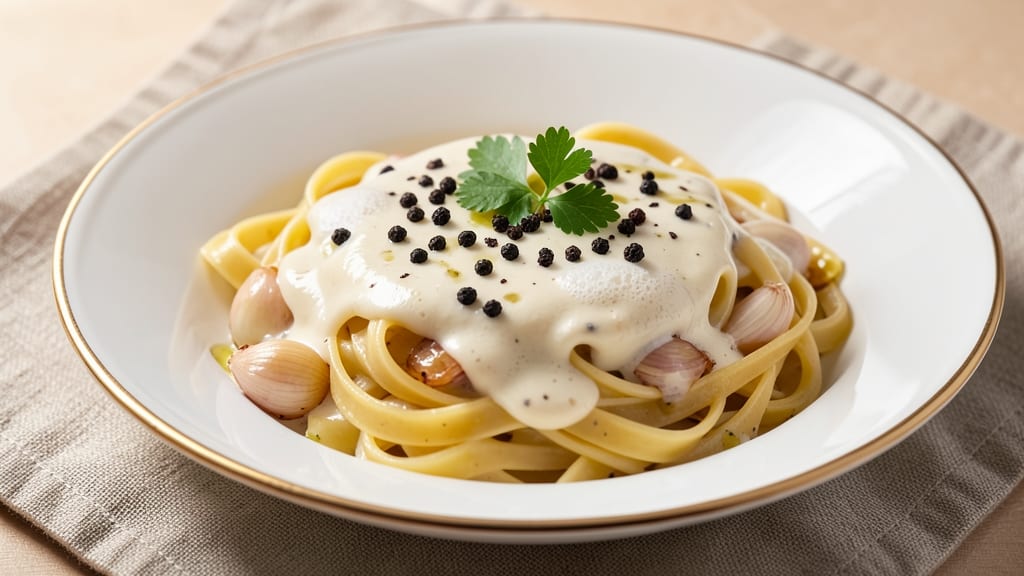
This alfredo sauce recipe no butter delivers restaurant-quality richness using a clever vinegar trick instead of butter. The secret lies in balancing cream and acidity to create a velvety, velvety sauce that clings perfectly to pasta.
I developed this version after realizing traditional recipes rely too heavily on butter, making it unsuitable for dietary restrictions or lighter meals.
The foundation of this sauce is heavy cream and a touch of white wine, which form a smooth base. The vinegar trick—adding just a splash of white vinegar—cuts through the richness while enhancing the sauce's depth, preventing it from becoming overly heavy.
Olive oil replaces butter entirely, providing a neutral fat that keeps the sauce luscious without overpowering flavors.
What you’ll end up with is a creamy, velvety sauce with a subtle tang that elevates any pasta dish. It’s foolproof, requiring just 15 minutes of active time, and works beautifully with fettuccine, chicken, or vegetables.
The sauce thickens naturally as it simmers, ensuring it coats every strand of pasta without separating.
Perfect for meal prep or last-minute dinners, this sauce stays fresh in the refrigerator for up to 5 days or can be frozen for longer storage. The vinegar trick isn’t just a substitution—it’s the key to a sauce that’s lighter yet just as indulgent as the original. Let’s make it!
Ingredients for alfredo sauce recipe no butter
Five core ingredients plus a few pantry staples create this velvety alfredo without butter.
| Ingredient | Amount | Notes |
|---|---|---|
| Heavy Cream 🥛 | 1 ½ cups | Full-fat for maximum richness |
| Extra-Virgin Olive Oil 🫒 | ½ cup | High-quality, fruity variety |
| White Wine 🍷 | ½ cup | Dry, medium-bodied preferred |
| White Wine Vinegar 🍶 | 1 tbsp | For the signature tang |
| Garlic Cloves 🧄 | 4 cloves | Minced, fresh preferred |
| Shallots 🧅 | 2 whole | Finely minced, or sub onion |
| Diamond Crystal Kosher Salt 🧂 | ½ tsp | Adjust to taste |
| Freshly Ground Black Pepper 🌶️ | ¼ tsp | For subtle heat |
| Unbleached All-Purpose Flour 🌾 | 1 tbsp | For thickening, optional |
| Freshly Grated Parmesan Cheese 🧀 | ½ cup | For umami depth |
The heavy cream is non-negotiable—full-fat only—for that signature richness. Trader Joe's and Whole Foods carry the best quality, but any store's heavy cream works if it's fresh (no sour smell). The white wine should be dry and medium-bodied—Sauvignon Blanc or Pinot Grigio are foolproof choices. Skip the cheap stuff; you'll taste the difference. For the olive oil, California extra-virgin brands like Corto or Bertolli add fruity notes that elevate the sauce. The garlic and shallots? Fresh is essential—no jarred minced garlic here. Roast them first if you're feeling fancy, but raw works too.
No white wine? Dry vermouth or even apple cider vinegar in a pinch (reduce the vinegar by half). Swapping the olive oil? Avocado oil works, but it lacks the fruity depth. The flour is optional—only add it if your sauce needs thickening, but the vinegar trick usually does the job. Parmesan can be subbed with Pecorino Romano for a sharper bite. For a dairy-free version, use nutritional yeast instead of cheese (though it won't be identical). The vinegar is the magic—don't skip it! It's what keeps this sauce light yet luxurious.
This sauce reheats beautifully—just warm gently on the stove with a splash of milk or water if it thickens too much. Keeps in the fridge for 5 days (cover tightly with plastic wrap pressed directly on the surface to prevent a skin). Freezes for 3 months in airtight containers. For meal prep, make a double batch—it's perfect over pasta, roasted veggies, or grilled chicken. The flavor actually improves after resting, so let it sit for 10 minutes before serving. Trust me on that.
Why You'll Love This Recipe
- No-Fuss Simplicity: This sauce comes together in one pot—no butter to melt, no fussing with roux. Just heat the olive oil, toss in minced garlic, deglaze with wine, and let the cream do its magic while you chop veggies or boil pasta. Honestly, I’ve made it while answering emails.
- Wine-Infused Depth: That splash of white wine and vinegar brightens the cream without overpowering it. The garlic roasts gently in the olive oil, adding a nutty warmth that turns this into something richer than store-bought—like a fancy dinner in a weeknight saucepan.
- Pasta Party Ready: Drizzle it over fettuccine for a classic, or toss it with roasted chicken and broccoli for a one-pan wonder. It’s my go-to for last-minute dinner guests because it works with anything—even grilled shrimp or garlic bread.
- Leftovers That Shine: This sauce actually improves the next day—thickens just enough to coat without being gluey. I keep a jar in the fridge for quick meals; reheat with a splash of milk or water, and it’s like making fresh sauce all over again. (Yes, even on a Tuesday night.)
Step-by-step instructions for creamy alfredo sauce without butter
Here's how to make a lusciously rich sauce that rivals classic Alfredo—just without butter.
Bloom the Flour and Sauté Aromatics
Heat the 0.5 cup extra-virgin olive oil in a medium saucepan over medium heat until shimmering but not smoking. Add the 2 whole shallots and 4 cloves garlic cloves, cooking for 3-4 minutes until the shallots soften and become translucent. Here's the thing—don't let them brown, or you'll get bitterness instead of sweetness.
Stir in the 1 tablespoon unbleached all-purpose flour and cook for 1-2 minutes, whisking constantly, until it forms a pale roux. This step creates the foundation for thickening your sauce later. If you notice the mixture smells nutty, you've gone too far—reduce the heat immediately and add a splash of white wine to mellow the flavor.
Deglaze with Wine and Vinegar
Pour in the 0.5 cup white wine and 1 tablespoon white wine vinegar, scraping up any browned bits from the bottom of the pan. Let the mixture bubble gently for 2-3 minutes until the alcohol smell dissipates completely. This deglazing step is where the magic happens—the wine and vinegar combination adds acidity that balances the richness of the cream.
Taste the mixture now. You should detect a bright, almost citrusy note from the vinegar working with the wine. If it tastes too sharp, add a pinch of 0.5 teaspoon diamond crystal kosher salt to round out the flavors. This is your chance to adjust before adding the cream.
Simmer the Cream to Velvety Perfection
Reduce the heat to low and gradually whisk in the 1.5 cups heavy cream. Bring the mixture to a gentle simmer, then reduce heat to maintain a barely-there bubble at the surface. Let it cook for 8-10 minutes, stirring occasionally, until it thickens enough to coat the back of a spoon. You're looking for a sauce that's smooth but still pourable—not gluey.
Real talk: This is where patience pays off. If you walk away, the sauce can split or develop a skin. I like to stir every 30 seconds during this phase to ensure even heating. The sauce should smell like warm, creamy comfort food with just a hint of garlic and shallot.
Finish with Cheese and Seasoning
Remove the pan from heat and stir in the 0.5 cup freshly grated parmesan cheese until fully melted and smooth. Taste and adjust seasoning with 0.25 teaspoon freshly ground black pepper and additional diamond crystal kosher salt if needed. The cheese should add a salty, umami depth that ties everything together.
For an extra-smooth texture, strain the sauce through a fine-mesh sieve into a clean saucepan. This removes any stray garlic pieces or shallot bits, giving you that restaurant-quality finish. Keep the sauce warm over low heat until ready to serve—never boil it again, or you'll break the emulsion and end up with a separated sauce.
Adjust Consistency and Serve Immediately
If your sauce is too thick, thin it with 1-2 tablespoons hot water or pasta water at a time until you reach your desired consistency. The sauce should cling to fettuccine like a second skin without being gluey. For extra richness, you can stir in an additional 2 tablespoons heavy cream at the end, but don't overdo it.
Serve the sauce immediately over hot pasta, tossing gently to coat each strand. The vinegar trick might seem unusual, but it's what prevents the sauce from tasting flat or overly heavy. Each bite should deliver creamy, cheesy goodness with just a whisper of bright acidity to cut through the richness. Trust me—this sauce will fool even the biggest butter purists.
Pro Tips For Making Alfredo Sauce Recipe No Butter
- Bloom the Garlic: Slice those cloves paper-thin and let them sit in the olive oil for 30 seconds before adding wine. I used to rush this and end up with raw garlic chunks—this way, they soften into the sauce instead of fighting for flavor.
- Reduce the Wine: Don’t just dump the wine and walk away—simmer it on medium-low until it’s cut in half. That extra reduction concentrates the flavor and keeps the sauce from tasting like you’re drinking it straight. (Yes, I’ve learned this the hard way.)
- Whisk the Cream: Heat the heavy cream separately to 160°F (71°C) before adding it to the sauce. Cold cream shocks the sauce and can turn it grainy—warm it first, then whisk it in slowly. Trust me, your sauce will thank you.
- Finish with Vinegar: Stir in the white wine vinegar off the heat and let it sit for 10 seconds. It brightens the sauce without overpowering it—skip this, and you’ll miss that little pop of acidity that ties everything together. (I know, it sounds counterintuitive.)
Wine and beer pairings for this dish
Crisp White Wine Pairings
This creamy sauce pairs beautifully with dry white wines that complement its rich, velvety texture without overpowering it.
I always reach for a chilled Sauvignon Blanc from New Zealand—its bright citrus notes and crisp acidity cut through the sauce's richness perfectly. Pinot Grigio from Italy is another fantastic choice, especially if you want to highlight the subtle garlic and shallot flavors in the sauce. 🍷
Avoid heavy, oaky whites like Chardonnay—they’ll clash with the sauce’s delicate balance. Instead, opt for wines with medium body and high acidity to refresh your palate between bites.
If you’re serving this with grilled chicken or shrimp, a Vermentino from Sardinia adds a mineral note that pairs wonderfully with the sauce’s umami depth.
Light Beer Complements
For beer lovers, a crisp lager like Peroni or Heineken works surprisingly well—its clean, effervescent quality helps cleanse your palate between forkfuls. If you prefer craft beer, a Belgian witbier (like Hoegaarden) adds a touch of spice and citrus that echoes the sauce’s vinegar trick.
The effervescence also helps balance the sauce’s richness. 🍺
Avoid heavy stouts or IPAs—they’ll overpower the sauce’s delicate flavors. Instead, try a German Helles Lager for a slightly malty contrast that pairs beautifully with the Parmesan’s umami. The key is to choose beers that are light-bodied and refreshing, so they don’t compete with the sauce’s creamy texture.
Unexpected Sparkling Wine
If you’re feeling fancy, serve this sauce with a dry sparkling wine like Prosecco or Cava. The bubbles and acidity make every bite feel luxurious, and the wine’s crispness keeps the meal feeling light.
I’ve even enjoyed pairing it with a chilled Moscato d’Asti—its slight sweetness balances the sauce’s tang without overpowering it. 🥂
For a non-alcoholic option, sparkling water with a splash of lemon works surprisingly well—it mimics the acidity of the wine and vinegar in the sauce, keeping everything fresh. If you’re serving this at a gathering, offer both wine and beer options to cater to different preferences.
Red Wine for Bold Plates
If you’re serving this sauce with grilled steak or hearty vegetables, a light red wine like Pinot Noir or Beaujolais can work. The wine’s bright acidity and red fruit notes complement the sauce’s creaminess without clashing. Just avoid heavy Cabernets—they’ll overpower the dish entirely. 🍇
For a bolder twist, try a Chianti with its earthy notes—it pairs beautifully with the Parmesan’s umami depth. The key is to match the wine’s acidity to the sauce’s tang, ensuring every bite is balanced and refreshing.
Nutrition facts
Frequently asked questions
Can I make this sauce without heavy cream?
Yes! For a lighter version, substitute 1 cup full-fat coconut milk (chilled overnight to separate the cream) or 1 cup Greek yogurt blended with 0.5 cup milk. The texture will be slightly tangier but still velvety. For a dairy-free option, use 1 cup cashew cream (soaked cashews blended with water). The vinegar trick still works to balance richness.
Why does the recipe call for vinegar if it's not traditional?
The white wine vinegar is the secret to preventing a greasy, flat taste. Butter-heavy Alfredo sauces often feel heavy because they lack acidity. The vinegar brightens the sauce, cuts through the cream's richness, and helps it cling better to pasta. Think of it like the lemon juice in a vinaigrette—it's what makes the sauce sing!
Can I make this sauce ahead of time?
This sauce actually tastes better after resting. Store it in an airtight container in the fridge for up to 5 days. Reheat gently on low heat, stirring in 1-2 tablespoons warm water or milk if it thickens too much. For freezing, portion into ice cube trays, freeze, then transfer to a bag—perfect for quick pasta meals later. Just avoid boiling when reheating.
What's the best pasta to use with this sauce?
Fettuccine is classic, but this sauce works beautifully with pappardelle, tagliatelle, or even linguine. For extra texture, try gluten-free pasta or whole wheat. Avoid thick, chewy pastas—the sauce's lightness pairs best with medium-width noodles. Pro tip: Toss the sauce with hot pasta water (not cold) to help it cling perfectly.
Can I use this sauce for dishes other than pasta?
This versatile sauce works as a creamy dip for crudités, a topping for grilled chicken or fish, or a glaze for roasted vegetables. For a creamy salad dressing, thin it with 2 tablespoons warm water or broth. It also makes a luxurious stuffing for chicken or squash. The vinegar trick keeps it from tasting too heavy in any application.