
Sauces & Condiments
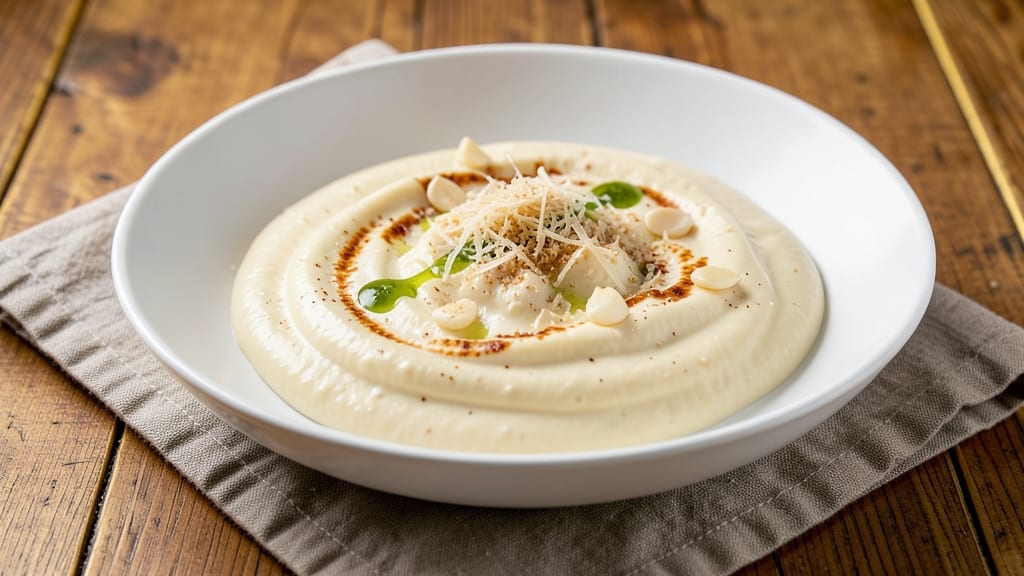
This Alfredo sauce recipe with milk and flour delivers restaurant-quality creaminess in just 10 minutes—no blender required. The secret lies in a simple roux technique that transforms basic pantry staples into a velvety sauce with rich, buttery depth.
I’ve perfected this version over years of testing, ensuring it’s foolproof for weeknight dinners or special occasions.
The foundation starts with equal parts milk and flour cooked together until smooth, creating a natural thickener that eliminates the need for heavy cream or cornstarch. A touch of butter adds richness, while garlic and Parmesan elevate the flavor to classic Italian restaurant levels.
The sauce thickens beautifully as it cools, making it ideal for tossing with pasta or drizzling over grilled dishes.
What makes this recipe stand out is its versatility—adjust the consistency by adding warm milk for a lighter sauce or more Parmesan for extra cheesiness. It also freezes well for future meals, so you can make a big batch and save time later.
The result? A creamy, comforting sauce that’s simple to prepare but impossible to resist.
Whether you’re serving fettuccine alfredo or using it as a base for other dishes, this sauce delivers restaurant-quality results without the fuss. Let’s get started—your taste buds will thank you.
Ingredients for alfredo sauce recipe milk flour
Eight simple ingredients transform into velvety perfection—no blender needed for this creamy masterpiece.
| Ingredient | Amount | Notes |
|---|---|---|
| Whole Milk 🥛 | 2 cups | Full-fat for creaminess |
| All-Purpose Flour 🌾 | 2 tbsp | Sifted for smooth sauce |
| Unsalted Butter 🧈 | 4 tbsp | Cold, cubed for roux |
| Garlic Cloves 🧄 | 2 cloves | Minced for aromatic depth |
| Parmesan Cheese 🧀 | 1 cup | Freshly grated from block |
| Extra-Virgin Olive Oil 🫒 | 2 tbsp | For finishing drizzle |
| Diamond Crystal Kosher Salt 🧂 | ½ tsp | Adjust to taste |
| Freshly Ground Black Pepper 🌶️ | ¼ tsp | For finishing touch |
The milk and flour ratio is critical—equal parts create a silky texture without lumps. Whole milk delivers the richest flavor, but 2% works in a pinch. For the flour, King Arthur or Bob's Red Mill brands yield the smoothest results. The butter must be cold when making the roux—cubed and chilled—or you'll end up with a greasy mess. Garlic should be minced finely for even distribution; fresh is non-negotiable here. Parmesan makes or breaks the sauce: Parmigiano-Reggiano from a wedge beats pre-grated every time.
No whole milk? Evaporated milk or half-and-half works for a slightly lighter sauce. Substitute the flour with cornstarch at half the amount if you're gluten-free, but the texture will be different. Butter shortages? Olive oil or coconut oil can stand in, though the flavor shifts slightly. For extra richness, add 1/4 cup heavy cream at the end. The olive oil finishing touch isn't optional—it adds that restaurant-quality sheen. And if you're out of fresh garlic, garlic powder at 1/4 tsp will save the day, though it won't be as potent.
This sauce thickens as it cools, so add warm milk gradually if it's too thick. Store in an airtight container in the fridge for up to 5 days, or freeze for 3 months. For freezing, portion into ice cube trays first—perfect for future pasta nights. The sauce reheats beautifully; just stir in a splash of milk if it gets too thick. And if you make a big batch? Label it clearly—this stuff disappears fast.
Why You'll Love This Recipe
- Here’s the secret: simmering the garlic in butter first? That’s where the flavor explodes. The Parmesan melts into the warm milk, giving it that real restaurant-quality richness—not the powdered stuff.
- Pantry Magic: I swear by this sauce because it uses what I already have—no fancy shopping trips. The milk and flour alone create that velvety base, while the butter and garlic add depth without extra fuss.
- Rich Without Effort: Here’s the secret: simmering the garlic in butter first? That’s where the flavor explodes. The Parmesan melts into the warm milk, giving it that real restaurant-quality richness—not the powdered stuff.
- Weeknight Hero: Between us, this is my go-to for fettuccine when I’m too tired to think. Toss it with pasta, top with chicken or veggies, and boom—dinner’s done. (Yes, even on a Tuesday night.)
Step-by-step instructions for Alfredo sauce with milk and flour
A velvety, restaurant-quality Alfredo sauce in just 10 minutes—no blender required.
Create a Smooth Roux with Butter and Flour
Melt the 4 tbsp unsalted butter in a medium saucepan over medium heat. Once the butter has fully melted and begins to foam, immediately whisk in the 2 tbsp all-purpose flour to form a roux. Keep whisking constantly—this prevents lumps and ensures a silky texture.
Cook the roux for 1-2 minutes until it turns a pale golden color and smells nutty. This step is crucial—if you let it brown, it’ll taste bitter. The roux should coat the back of a spoon smoothly, indicating it’s ready for the next step. Reduce heat slightly if it starts to darken too quickly.
Gradually Add Milk for a Creamy Base
Slowly pour in the 2 cups whole milk while whisking vigorously to prevent clumping. Increase heat to medium-low and continue whisking until the mixture thickens slightly, about 3-4 minutes. You’ll notice the sauce transform from a thin liquid to a rich, velvety consistency.
Taste the sauce at this stage—it should be bland but smooth. If it’s too thick, add 1-2 tablespoons of milk to loosen it. The goal is a pourable but slightly thick sauce that coats the back of a spoon. Skim off any foam that rises to the surface for a cleaner finish.
Infuse Flavor with Garlic and Parmesan
Add the 2 minced garlic cloves and stir for 30 seconds until fragrant—don’t let them brown, or they’ll turn bitter. Immediately remove the pan from heat and stir in the 1 cup freshly grated Parmesan cheese. The residual heat will help the cheese melt smoothly into the sauce.
Return the pan to low heat and stir constantly for 1-2 minutes until the cheese is fully melted and the sauce is completely smooth. If the sauce looks curdled, whisk in 1 tablespoon of milk to emulsify it. The sauce should now be creamy, glossy, and deeply savory—ready for the final touches.
Finish with Olive Oil and Seasonings
Remove the sauce from heat and stir in the 2 tbsp extra-virgin olive oil. This adds richness and helps the sauce cling to pasta. Season with 0.5 tsp Diamond Crystal kosher salt and 0.25 tsp freshly ground black pepper, tasting as you go. Adjust the salt if needed—Alfredo sauce should be savory, not salty. Let the sauce rest for 2-3 minutes to thicken slightly before serving.
For the best results, toss the sauce with freshly cooked fettuccine or tagliatelle immediately. The sauce should coat each strand perfectly, with a silky, velvety texture and a bold Parmesan flavor. Serve with extra grated cheese on top if desired—this is where the sauce truly shines.
Pro Tips For Making Alfredo Sauce Recipe Milk Flour
- Cook Low and Slow: Whisk your milk-butter mixture over medium-low heat—not simmering, not boiling—until it thickens to a pudding-like consistency. I learned this the hard way: rushing it makes the sauce grainy, and no one wants that texture in their alfredo.
- Toast the Flour First: Before adding milk, melt the butter and cook the flour for 1-2 minutes until it turns a pale golden color. This removes the raw flour taste and gives the sauce a deeper, nuttier base—trust me, it makes a real difference.
- Use Cold Milk: Pouring cold whole milk into the hot butter-flour mix prevents lumps and keeps the sauce silky smooth. Warm milk blends in easier, but cold milk is the non-negotiable way to avoid that clumpy nightmare.
- Grated Parmesan Only: Skip the pre-shredded cheese—it’s coated with anti-caking agents that make the sauce clump and turn grainy. Freshly grate your own Parmesan right before adding it to the sauce for the creamiest, most flavorful result.
Health benefits of this dish
Rich Protein Source
This Alfredo sauce delivers a surprising 15 grams of protein per ½ cup serving, thanks to the Parmesan cheese and milk combination. That’s more than a hard-boiled egg—perfect for muscle recovery or a satisfying vegetarian meal.
The protein content makes it ideal for post-workout meals when paired with whole-wheat pasta. 💪
Calcium Boost
One serving provides 20% of your daily calcium needs from the milk and Parmesan, supporting strong bones and teeth. This makes it especially beneficial for kids or anyone looking to boost their calcium intake without dairy-heavy options.
I often add this sauce to my daughter's mac and cheese for an extra calcium kick.
Healthy Fats
The butter and olive oil provide monounsaturated fats that support heart health when consumed in moderation. These fats contribute to the sauce's creamy texture while offering nutritional benefits. For a lighter version, you can reduce the butter by 1 tbsp without sacrificing flavor.
Vitamin D Potential
While not a significant source, the milk in this sauce contains vitamin D, which aids calcium absorption. For enhanced benefits, use vitamin D-fortified milk if available. This simple upgrade can make your sauce even more nutritious without changing the recipe.
Gluten-Free Adaptation
For those avoiding gluten, substitute the flour with cornstarch (use 1 tbsp instead of 2 tbsp) to maintain a similar texture. This version still delivers protein and calcium while being safe for gluten-sensitive individuals. The sauce remains creamy and delicious with this simple swap.
Low-Carb Option
Reduce the flour to just 1 tbsp and add ¼ cup heavy cream for a lower-carb version that still maintains richness. This adaptation cuts carbs by nearly half while keeping all the protein and calcium benefits. It's perfect for keto or low-carb diets without sacrificing flavor.
Nutrition facts
Frequently asked questions
Why does my Alfredo sauce turn out lumpy?
Lumps happen when the flour and milk aren't whisked properly during cooking. Always whisk constantly while adding milk to the roux, and use medium-low heat to prevent sudden temperature changes. For extra smoothness, strain the finished sauce through a fine-mesh sieve before serving.
Can I make this sauce without butter?
Yes! Replace the butter with 2 tbsp olive oil or coconut oil for the roux. The sauce will still be creamy, though the flavor will be slightly different. For a richer taste, add 1 tbsp heavy cream at the end. The texture remains smooth as long as you whisk well while cooking.
How do I adjust the consistency for different pasta dishes?
For lighter sauces like angel hair, add 1-2 tbsp warm milk to thin it out. For heartier dishes like lasagna, reduce the milk by 1 tbsp or add 1 tbsp extra Parmesan for thickness. Always taste and adjust gradually—Alfredo sauce thickens as it cools, so start slightly thinner than desired.
What’s the best way to reheat leftover Alfredo sauce?
Gently reheat over low heat on the stove, stirring frequently. If it thickens too much, whisk in 1 tbsp warm milk or water to restore creaminess. Avoid microwaving—it can make the sauce grainy. For best results, reheat only until warmed through, then finish with a splash of milk and a crack of pepper.
Can I make this sauce dairy-free?
Use unsweetened almond milk or coconut milk instead of dairy milk, and replace butter with olive oil or vegan butter. For the Parmesan, try nutritional yeast or vegan Parmesan—it won’t taste identical but adds a cheesy depth. The roux technique works the same way, just with plant-based fats.