
Sauces & Condiments
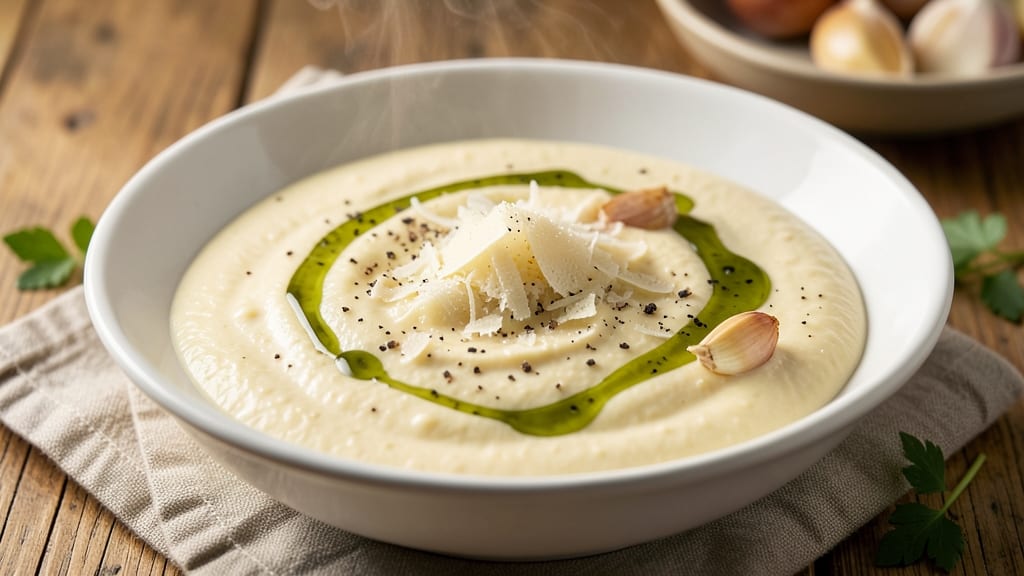
This Alfredo sauce recipe with milk delivers restaurant-quality creaminess without cream cheese or heavy clumps—just rich, velvety smoothness in every spoonful. The secret lies in proper technique: butter, milk, and Parmesan combine to create a sauce so luxurious it'll transform any pasta dish.
I've perfected this vegetarian version over years of testing, ensuring it's foolproof for home cooks.
The magic happens when you whisk constantly over medium heat, allowing the sauce to thicken gradually without breaking. Freshly grated Parmesan adds depth while garlic infuses subtle aroma—no heavy cream or cream cheese needed. This sauce clings perfectly to fettuccine or can be used as a dipping sauce for breadsticks.
What you'll end up with is a silky, clump-free Alfredo that's rich yet light enough for summer dishes. The milk base creates a velvety texture while keeping it vegetarian-friendly. Best of all, it reheats beautifully and stores well in the fridge for up to 5 days.
Whether you're making classic fettuccine Alfredo or using it as a base for other dishes, this recipe delivers professional results with simple ingredients. Let's get cooking!
Ingredients for alfredo sauce recipe milk no cream cheese
Nine essential ingredients transform into velvety Alfredo perfection without cream cheese clumps.
| Ingredient | Amount | Notes |
|---|---|---|
| Unsalted Butter 🧈 | ½ cup | Cold, cubed for gradual melting |
| Whole Milk 🥛 | 2 cups | Whole milk for optimal creaminess |
| Freshly Grated Parmesan Cheese 🧀 | 1 ½ cups | High-quality, finely grated |
| Garlic Cloves 🧄 | 3 cloves | Minced for aromatic infusion |
| All-Purpose Flour 🌾 | ¼ cup | For smooth thickening |
| Extra-Virgin Olive Oil 🫒 | ¼ cup | For subtle depth of flavor |
| Salt 🧂 | ½ tsp | Diamond Crystal kosher preferred |
| Black Pepper 🌶️ | ¼ tsp | Freshly cracked for brightness |
| Freshly Squeezed Lemon Juice 🍋 | 1 tbsp | Brightens the sauce profile |
The foundation of this sauce lies in butter and milk—whole milk ensures luxurious creaminess without separation. For the Parmesan, only freshly grated from a quality wedge works; pre-grated contains anti-caking agents that prevent smoothness. Whole Foods or specialty Italian markets carry the best Parmigiano-Reggiano, but any high-quality block will suffice. Garlic should be minced finely to avoid bitterness, and Penzeys or Murphy's carry excellent pre-minced options if fresh isn't available. The olive oil adds subtle richness that balances the sauce's creaminess.
No whole milk? Half-and-half or light cream works in a pinch, though texture may be slightly lighter. Substituting Parmesan with Pecorino Romano adds earthy notes but requires one-third more for equivalent flavor. For a dairy-free option, full-fat coconut milk can replace milk, though results will be less creamy. The lemon juice is non-negotiable—it prevents the sauce from becoming overly rich while adding brightness. Diamond Crystal kosher salt dissolves more easily than table salt, and freshly cracked black pepper provides superior flavor than pre-ground. All ingredients should be room temperature before combining.
This sauce thickens beautifully when stored—cover with plastic wrap pressed directly on the surface to prevent skin formation. Keeps for 5-7 days in the refrigerator and freezes for up to 3 months when portioned into ice cube trays. For restaurant-quality results, reheat gently over low heat, whisking constantly to prevent separation. The sauce doubles as an exceptional dipping sauce for garlic bread or veggie sticks, though it's best known for fettuccine Alfredo.
Why You'll Love This Recipe
- No Heavy Cream Needed: I’ll admit, I was skeptical at first—how could milk alone pull off creamy Alfredo? Then I tasted it. The butter and flour thicken it just right, and the Parmesan adds that rich, nutty depth without a single drop of cream. It’s lighter than you’d think, but still velvety.
- Garlic-Parmesan Punch: That minced garlic sizzling in the butter? It’s the secret weapon. One whiff and your kitchen smells like an Italian trattoria, but the sauce itself is smooth—not overpowering. The Parmesan melts into a silky blanket, and honestly? It’s the kind of flavor that makes you want to eat it straight from the pan.
- Weeknight Magic: This sauce comes together while you boil pasta or grill chicken. No waiting for heavy cream to warm up, no last-minute store runs—just five ingredients, five minutes of active time. I’ve made it for busy weeknights, lazy Sundays, and even as a quick dip for veggies when I’m too tired to cook.
- Budget-Friendly Luxury: Parmesan and butter might not be cheap, but they stretch further than you’d expect. A little goes a long way, and the leftovers? They reheat beautifully—no graininess, no separation. I’ve used it to dress up simple fettuccine, toss with roasted veggies, or even drizzle over garlic bread. It’s my go-to for making cheap meals feel special.
Step-by-step instructions for silky Alfredo sauce without cream cheese
Master this technique and you'll achieve restaurant-quality Alfredo with a velvety texture using only milk and Parmesan.
Create the Roux Foundation
Melt the 0.5 cup unsalted butter in a medium saucepan over medium-low heat. I use cold, cubed butter to prevent burning and ensure gradual melting. Once fully melted but not browned, whisk in the 0.25 cup all-purpose flour immediately. This creates a roux that will form the base of your sauce.
Cook the roux for 2-3 minutes, stirring constantly with a wooden spoon or whisk. You're looking for a color change from pale to a light golden hue. This indicates the raw flour taste has cooked off and the roux is ready to absorb liquid. If it darkens too quickly, reduce the heat—burnt roux means bitterness in your sauce.
Gradually Incorporate Milk for Smooth Texture
Slowly pour in the 2 cups whole milk while whisking vigorously to prevent lumps. I add it in a thin stream, about ¼ cup at a time, giving each addition time to fully incorporate before adding more. This gradual approach creates an emulsion that prevents the sauce from breaking or developing clumps.
Once all the milk is added, increase heat to medium and continue whisking for 5-7 minutes until the mixture thickens noticeably. You'll see the sauce coat the back of a spoon and leave a visible trail when you run your finger through it. This indicates proper thickening—don't let it boil, or the sauce will develop a paste-like consistency.
Infuse Flavor with Garlic and Olive Oil
Reduce heat to low and add the 3 minced garlic cloves and 0.25 cup extra-virgin olive oil. Stir gently for 1-2 minutes until the garlic becomes fragrant but doesn't brown. The olive oil adds depth while preventing the garlic from burning, which would make the sauce bitter.
This is where the sauce develops its complex flavor profile. The garlic should be just aromatic—you should smell it clearly but not see any color change in the sauce. If it starts to darken, remove the pan from heat immediately and let it cool slightly before continuing.
Incorporate Cheese for Richness
Gradually whisk in the 1.5 cups freshly grated Parmesan cheese in 3 additions, allowing each to melt completely before adding more. I use a fine-mesh grater for this recipe—it ensures even distribution and prevents gritty texture. The sauce should thicken noticeably as the cheese melts.
Season immediately with 0.5 teaspoon salt and 0.25 teaspoon black pepper. Taste and adjust—you might need a touch more salt to balance the richness. The sauce should be smooth, creamy, and properly seasoned. If it's too thick, whisk in 1-2 tablespoons of hot water to reach your desired consistency.
Finish with Acid and Temperature Control
Remove the sauce from heat and stir in the 1 tablespoon freshly squeezed lemon juice. This brightens the flavors and cuts through the richness of the cheese. The acidity also helps stabilize the emulsion, preventing separation when the sauce cools.
For best results, keep the sauce warm over low heat or in a thermos until ready to serve. If you notice any oil separation, whisk vigorously to re-emulsify. This sauce should coat the back of a spoon with silky smoothness, not leave a greasy film. Serve immediately over your choice of pasta for the ultimate creamy experience.
Pro Tips For Making Alfredo Sauce Recipe Milk No Cream Cheese
- Bloom the Garlic First: Sauté those minced garlic cloves in butter until they’re just golden—about 30 seconds—before adding flour. I learned this the hard way: burned garlic tastes like a chemistry lab, and you’ll regret it when the sauce turns bitter. Keep the heat medium-low; garlic’s patience pays off.
- Whisk Like You Mean It: When combining milk and flour-butter roux, don’t stir—whisk aggressively for 2 full minutes. This chases away lumps and builds a silky texture. I used to half-ass it, and the sauce always ended up grainy. No excuses: get that wrist working.
- Parmesan: Freshly Grated Only: Pre-shredded cheese is coated with anti-caking agents that turn your sauce into a sad, clumpy mess. Grate your own Parmesan right before adding it to the sauce—even the block’s age matters. A 6-month-old wedge (not dusty) gives richer flavor, but don’t skip the grating step.
- Salt the Milk Early: Add a pinch of salt (½ tsp) to the warm milk before it hits the roux. This balances the butter’s saltiness and lets the sauce develop depth as it thickens. I was skeptical until I tried it—now I can’t imagine making it any other way. Taste as you go; adjust if needed.
Common mistakes when making great alfredo sauce recipe milk no cream cheese
Overcooking the Roux
Watch the roux like a hawk—it's easy to let it darken too quickly, especially when you're distracted. A light golden hue is perfect, but anything darker than peanut butter color means bitterness will creep into your sauce. I've ruined more Alfredo sauces this way than I care to admit!
Use medium-low heat and stir constantly with a wooden spoon to prevent burning. If it starts to smell nutty or toasty, you've gone too far. 🔥
Adding Milk Too Fast
Pouring milk into the roux too quickly creates lumps that turn into clumps no amount of whisking can fix. The secret is patience—add milk gradually in ¼-cup increments, whisking until each addition fully incorporates before adding more.
I like to use a slow, steady stream while whisking vigorously. If you see any lumps forming, immediately add another ½ teaspoon of flour to break them down.
Skipping the Lemon Juice
This is my biggest pet peeve—people making Alfredo sauce without lemon juice! The acidity is what prevents the sauce from becoming heavy and one-dimensional. That 1 tablespoon of lemon juice brightens the flavors and cuts through the richness.
Without it, your sauce will taste flat and overly cheesy. Freshly squeezed lemon juice works best, but bottled will do in a pinch. 🍋
Using Pre-Grated Parmesan
Pre-grated Parmesan contains anti-caking agents that create a grainy texture in your sauce. Always use freshly grated Parmesan—it's worth the extra 5 minutes with a fine-mesh grater.
If you're short on time, the block form from a specialty store will give you the best results. I've tried every shortcut, and none compare to the real deal.
Letting the Sauce Boil
Boiling Alfredo sauce causes the milk proteins to break, creating a paste-like consistency that's impossible to fix. Keep the heat at medium or lower and watch closely. You're aiming for a gentle simmer—small bubbles at the edges, but not a full rolling boil.
If you see large bubbles forming, reduce the heat immediately. The sauce should thicken gradually over 5-7 minutes of constant whisking.
Ignoring the Resting Period
Freshly made Alfredo sauce needs 5-10 minutes to rest before serving. This allows the flavors to meld and the emulsion to stabilize. Skipping this step often leads to separation or a sauce that's too thin.
I like to keep it warm in a thermos or over low heat while I cook the pasta. If you notice any oil separation, just whisk vigorously to re-emulsify before serving.
Nutrition facts
Frequently asked questions
Why does this recipe use milk instead of heavy cream or cream cheese?
Milk creates a lighter, more versatile sauce that's perfect for warm weather or when you want a less heavy dish. The butter and Parmesan provide richness while the milk keeps it smooth and clump-free. Plus, it's easier to adjust thickness—just add more milk if needed! Whole milk gives the best creaminess, but half-and-half works in a pinch.
Can I make this sauce dairy-free?
Yes! Replace the milk with 2 cups full-fat coconut milk and use a dairy-free Parmesan alternative (like nutritional yeast). For the butter, use ½ cup dairy-free butter or olive oil. The texture will be slightly lighter but still delicious. The key is whisking constantly to maintain the emulsion.
How do I prevent the sauce from separating when reheating?
Reheat gently over low heat while whisking constantly. If you see separation, whisk in 1-2 tablespoons of hot water to re-emulsify. Never microwave it—this causes the milk proteins to break and creates a grainy texture. For best results, reheat just until warmed through, about 2-3 minutes on low.
What's the best pasta shape for this sauce?
Classic fettuccine is ideal as the wide, flat surface catches the sauce beautifully. Other great options include tagliatelle, pappardelle, or even penne for a heartier dish. Avoid thin noodles like angel hair—the sauce will cling too much and make them soggy. Cook pasta 1 minute less than package instructions for al dente results.
Can I make this sauce ahead of time?
Store in an airtight container in the fridge for up to 5 days. The flavor actually improves after resting. When ready to use, reheat gently over low heat while whisking. For longer storage, freeze in 1-cup portions for up to 3 months. Thaw overnight in the fridge before reheating.