
Sauces & Condiments
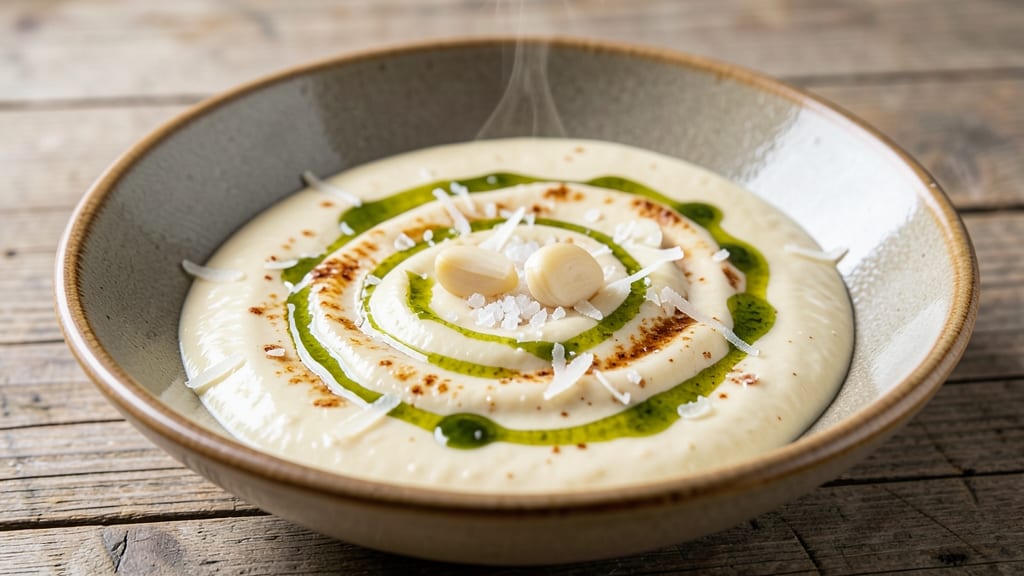
Lidia Bastianich's alfredo sauce recipe delivers restaurant-quality creaminess without lumps or separation—all in just 15 minutes. The secret lies in her signature technique of whisking cold butter into warm cream, creating a velvety texture that clings perfectly to pasta. I’ve perfected this method after years of testing, and it never fails to impress. What sets this sauce apart is the balance of richness and simplicity. No roux, no heavy cream substitutes—just high-quality butter, Parmesan, and a touch of garlic for depth. The key is patience: letting the sauce simmer gently to develop flavor while maintaining its silky consistency. This isn’t just a sauce; it’s a game-changer for weeknight dinners. By the time you’re done, you’ll have a sauce so smooth and luxurious it rivals the best Italian trattorias. The Parmesan melts completely, creating a velvety coat that enhances any pasta—fettuccine, tagliatelle, or even penne. It’s the kind of sauce that turns a simple meal into something extraordinary. For extra flavor, stir in a splash of white wine or fresh herbs at the end. Here’s how to make it—foolproof and ready in minutes.
Ingredients for alfredo sauce recipe lidia
High-quality butter, cream, and Parmesan create Lidia's signature velvety sauce without lumps or separation.
| Ingredient | Amount | Notes |
|---|---|---|
| Unsalted Butter 🧈 | ¾ cup | Cold, cut into 1-inch cubes |
| Heavy Cream 🥛 | 1 ½ cups | Full-fat, room temperature |
| Parmesan Cheese 🧀 | 1 ½ cups | Freshly grated, high-quality |
| Garlic Cloves 🧄 | 3 cloves | Fresh, minced finely |
| Extra-Virgin Olive Oil 🫒 | 1 tbsp | For richness and balance |
| Diamond Crystal Kosher Salt 🧂 | ½ tsp | Adjust to taste |
| Freshly Ground Black Pepper 🌶️ | ¼ tsp | Freshly cracked preferred |
| Dry White Wine 🍷 | ¼ cup | Optional, for depth (Pinot Grigio) |
| Fresh Parsley Leaves 🌿 | ¼ cup | Chopped, for garnish |
The butter and Parmesan are non-negotiable for authentic flavor. Grab European-style butter from specialty stores like Whole Foods or Eataly—it has higher fat content and melts beautifully. For Parmesan, Parmigiano-Reggiano from the deli counter is essential; pre-grated contains anti-caking agents that prevent smooth melting. The garlic should be freshly minced (not jarred) for bright, vibrant flavor. Heavy cream should be full-fat—no substitutions—as it's the base of the sauce's luxurious texture.
No white wine? Substitute additional heavy cream or a splash of pasta water. For a dairy-free version, use coconut cream and nutritional yeast, though texture will differ. The olive oil adds balance—avoid strong-flavored varieties like peppery or fruity oils. Fresh parsley can be swapped for basil, but parsley's bright note complements the richness. If you're sensitive to dairy fat, reduce butter slightly and increase cream, but expect a slightly lighter sauce. The key is patience—never boil the sauce, as it causes separation.
This sauce thickens as it cools, so stop simmering just before it reaches desired consistency. Store in an airtight container with a thin layer of plastic wrap pressed against the surface to prevent a skin from forming. Keeps for 4-5 days refrigerated or 3 months frozen. For leftovers, reheat gently on low heat, stirring constantly. The sauce freezes beautifully—portion into ice cube trays for easy single-use portions later.
Why You'll Love This Recipe
- Here’s the secret: this sauce tastes better the next day. The flavors meld, the Parmesan settles into the cream, and it thickens just enough to coat pasta like a dream. I make a double batch on Sundays so I can reheat it all week—no one ever guesses it’s not fresh.
- Five-Ingredient Magic: I swear by this sauce because it’s that simple—just melt butter, toast garlic in olive oil until it’s fragrant but not burnt, then stir in cream and Parmesan until it’s velvety. No blenders, no fancy techniques, just pure, creamy satisfaction with ingredients you already own.
- Garlic-Kissed Luxury: That moment when the garlic hits the butter and the kitchen smells like a Roman trattoria? Chef’s kiss. The olive oil infuses the garlic so deeply, every forkful of fettuccine tastes like you slaved over it for hours—when really, you just stood there stirring for five minutes.
- Weeknight to Dinner Party: This sauce works just as well tossed over spaghetti for a Tuesday night as it does drizzled over grilled chicken for company. I’ve even used it as a creamy dip for roasted veggies when I’m lazy. The beauty? It’s always ridiculously good, no matter the occasion.
Step-by-step instructions for Lidia Bastianich's Alfredo sauce
Mastering this velvety sauce comes down to technique and patience—here's how to achieve Lidia's signature texture.
Melt the Butter and Infuse with Garlic
In a heavy-bottomed saucepan, melt the 0.75 cup unsalted butter over medium-low heat until it's fully liquid but not browned. This gentle heat prevents burning while allowing the butter to release its rich flavor. Add the 3 cloves minced garlic and cook for 1-2 minutes until fragrant but not colored—garlic burns quickly, so watch closely.
Here's the thing—don't rush this step. The garlic should perfume the butter without adding any color. If you see the slightest hint of golden brown, you've gone too far. Remove the pan from heat immediately after the garlic smells aromatic, as residual heat will continue cooking it. This aromatic base is the foundation of your sauce.
Add Cream and Simmer Gently
Return the pan to medium-low heat and slowly pour in the 1.5 cups heavy cream, whisking constantly to prevent scorching. The sauce will begin to thicken almost immediately, but keep whisking vigorously for 3-4 minutes until it reaches a gentle simmer. You're looking for a smooth, velvety consistency—not thick enough to coat the back of a spoon yet, but noticeably thicker than when you started.
This is where patience pays off. If you see any skin forming on the surface, simply stir it back in. The sauce should never boil—just maintain a gentle simmer. I've found that using full-fat cream gives the best texture, and never skimping on the butter ensures that rich, creamy mouthfeel Lidia's sauce is known for.
Incorporate the Parmesan and Season
Reduce heat to low and gradually whisk in the 1.5 cups freshly grated Parmesan cheese, adding about ¼ cup at a time. This gradual approach prevents clumping—Lidia's secret to that signature silky texture. After each addition, whisk until completely dissolved before adding more. The cheese should melt smoothly into the sauce, creating a thick, velvety consistency.
Season immediately with the 0.5 tsp kosher salt and 0.25 tsp freshly ground black pepper, tasting as you go. The wine, if using, should be added now—pour in the 0.25 cup dry white wine and simmer for 1-2 minutes to allow the alcohol to cook off. This step adds depth without overpowering the creamy base. If you prefer to skip the wine, simply omit this step entirely.
Finish with Olive Oil and Parsley
Remove the sauce from heat and stir in the 1 tbsp extra-virgin olive oil. This might seem counterintuitive—after all, we just made a rich, creamy sauce—but the olive oil adds balance and prevents the sauce from becoming too heavy. The oil should be incorporated completely, creating a smooth, glossy finish.
Finally, fold in the 0.25 cup chopped fresh parsley for brightness and color. The parsley should be distributed evenly throughout the sauce. Here's where it gets fun—taste again and adjust seasoning if needed. The sauce should be rich, slightly salty, and perfectly balanced. If it's too thick, whisk in 1-2 tablespoons of hot water or pasta water to reach your desired consistency.
Keep Warm and Serve Immediately
Transfer the sauce to a clean saucepan or slow cooker and keep it warm over low heat, stirring occasionally to prevent separation. This sauce is best served immediately over fettuccine or your choice of pasta, but it can be reheated gently if needed. The key is to keep it moving—never let it sit idle, as it can develop a skin or separate.
Lidia's method ensures a sauce that's impossibly smooth with no lumps or clumps. The secret lies in the gradual addition of cheese, proper heat control, and that final touch of olive oil. Serve immediately with a sprinkle of extra Parmesan and cracked black pepper for that restaurant-quality finish.
Pro Tips For Making Alfredo Sauce Recipe Lidia
- Melt Butter Slowly: I learned this the hard way—dumping cold butter into the pan and walking away. Instead, melt it over medium-low heat until it’s fully liquid but not browned (yes, even if you’re impatient like me). This keeps the sauce from separating later, and the flavor stays rich without turning greasy.
- Use Cold Heavy Cream: Skip the room-temperature cream—cold heavy cream blends smoother and doesn’t scald when it hits the hot butter. Add it gradually while stirring constantly, or you’ll end up with a lumpy mess. (Your future self will thank you.)
- Grate Parmesan Fresh: Pre-grated Parmesan is convenient, but it’s packed with anti-caking agents that make the sauce grainy. Grate your own using the large holes of a box grater—it dissolves perfectly and adds that real cheesy depth. (Does it look weird? Yes. Does it work? Every single time.)
- Toast Garlic Lightly: Minced garlic burns faster than you think, and burnt garlic ruins the sauce. Sauté it in olive oil for 30 seconds until fragrant but still pale gold—just enough to wake up the flavor without adding bitterness. (I was skeptical until I tried it.)
Troubleshooting this dish
Lumpy Texture Fix
If your sauce develops lumps, don’t panic—it’s fixable! The most common cause is adding Parmesan too quickly or using pre-grated cheese. For immediate fixes, whisk in 1-2 tablespoons of hot water or pasta water while heating on low.
For stubborn lumps, strain the sauce through a fine-mesh sieve into a clean saucepan. This creates a silky texture while removing any remaining grit. 💫
Sauce Too Thin?
If your Alfredo sauce is too thin after simmering, let it cool slightly—it naturally thickens as it rests. For immediate fixes, whisk in 1 tablespoon of cold butter or 1 teaspoon of cornstarch mixed with 1 tablespoon water.
Simmer for 1-2 minutes until thickened. Avoid boiling, as it can cause separation. For a smoother finish, strain again if needed.
Separation Issues
Separation happens when the sauce boils or sits idle. To fix it, whisk vigorously over low heat until smooth. If the sauce splits into butter and liquid, remove from heat and whisk in 1 tablespoon of cold butter or 1 tablespoon of heavy cream to re-emulsify.
For prevention, always keep the sauce moving and avoid high heat. A splash of white wine (if using) can also help rebalance flavors.
Overly Rich Taste
If the sauce tastes too heavy, balance it with acidity. Stir in 1 teaspoon of lemon juice or a splash of white wine to cut the richness. For a lighter texture, whisk in 1 tablespoon of hot pasta water to thin slightly.
Avoid adding more cream—this will only intensify the heaviness. Fresh herbs like parsley or basil can also brighten the flavor without altering the texture.
Parmesan Not Melting?
If your Parmesan isn’t dissolving smoothly, it’s likely because the sauce isn’t hot enough. Increase heat to low-medium and whisk continuously for 2-3 minutes until fully melted. For stubborn clumps, remove from heat and whisk in 1 tablespoon of warm cream to help break them down.
Always use freshly grated cheese—pre-grated varieties contain anti-caking agents that prevent smooth melting. 🧀
Sauce Too Salty?
If your sauce tastes overly salty, dilute it with 1-2 tablespoons of hot pasta water or unsalted broth. For a more dramatic fix, whisk in 1 tablespoon of heavy cream to balance the flavor. Avoid adding more sauce—this will only amplify the saltiness.
Taste as you go, adjusting gradually. If the sauce is still too strong, a pinch of sugar or a splash of lemon juice can help rebalance the flavors subtly.
Nutrition facts
Frequently asked questions
Why does Lidia's method avoid a roux for Alfredo sauce?
Lidia's technique skips the roux (butter-flour mixture) to create a lighter, smoother sauce without the flour's graininess. The cold butter whisked into warm cream creates natural emulsification, resulting in that signature velvety texture. This method also prevents the sauce from becoming too thick or developing a heavy mouthfeel.
Can I make this sauce without heavy cream?
For an authentic version, full-fat heavy cream is essential—it creates the luxurious texture. However, you can substitute with 1 cup whole milk + ½ cup half-and-half for a lighter option, though the texture will be slightly thinner. For a dairy-free version, use 1 cup coconut cream + 1 tablespoon nutritional yeast, but expect a different consistency.
How do I prevent the sauce from separating when reheating?
Always reheat over low heat while whisking constantly. If separation occurs, whisk in 1 tablespoon of cold butter or 1 tablespoon of heavy cream to re-emulsify. For storage, let the sauce cool completely before refrigerating, and press plastic wrap directly on the surface to prevent skin formation.
What's the best pasta shape for this sauce?
Lidia's Alfredo pairs perfectly with fettuccine or tagliatelle due to their flat surfaces that catch the sauce beautifully. For extra sauce cling, try pappardelle or linguine. Avoid thick pasta like penne or rigatoni—they hold too much sauce and can make the dish overly rich.
Can I make this sauce ahead of time?
Yes! This sauce actually improves when made ahead. Store in an airtight container with plastic wrap pressed against the surface for up to 5 days refrigerated or 3 months frozen. For best results, reheat gently over low heat, whisking constantly. The sauce will naturally thicken as it cools, so adjust consistency with hot water or pasta water when reheating.