
Sauces & Condiments
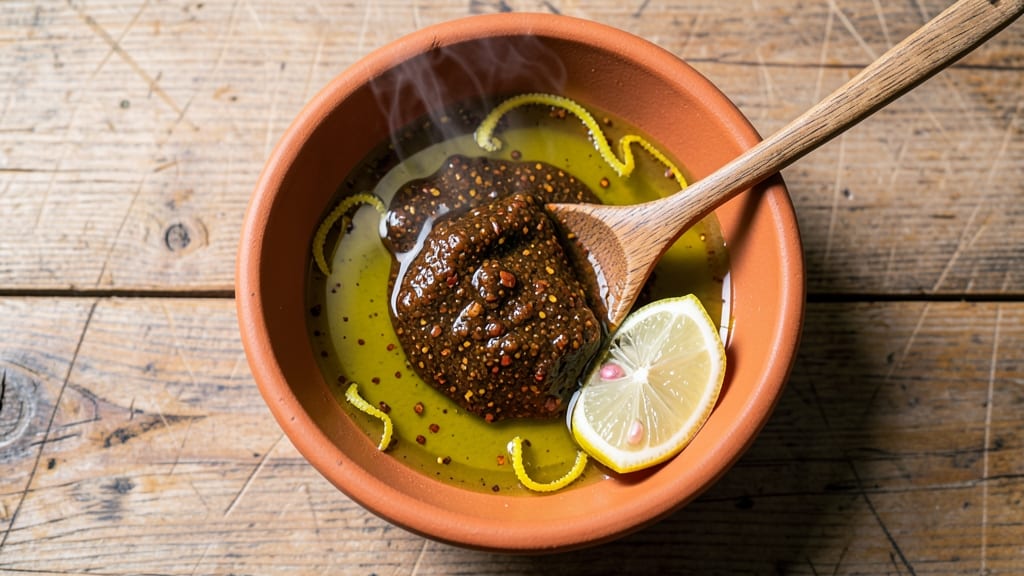
This Aleppo sauce recipe transforms three simple ingredients into a complex, smoky condiment with fruity depth and balanced heat. The key lies in blending Aleppo pepper flakes—milder yet more aromatic than cayenne—with high-quality olive oil and a touch of acidity, whether from lemon juice or vinegar.
What starts as a basic emulsion becomes a versatile sauce that elevates everything from grilled meats to roasted vegetables, all while maintaining restaurant-quality depth.
The magic happens during the emulsification process, where the pepper's natural oils meld with the oil and acid, creating a velvety texture that clings beautifully. Unlike store-bought sauces, this version develops richer flavor over time, with the heat building gradually rather than overwhelming.
The result is a sauce that's equally at home drizzled over hummus or mixed into dressings, offering a sophisticated touch without complicating your cooking.
What sets this recipe apart is its 3-ingredient simplicity—no complex techniques or last-minute ingredient hunts. The process takes just 10 minutes of active time, with the sauce ready to use immediately or stored for up to 2 weeks in the fridge.
The balance of smoky, fruity, and slightly tangy notes makes it a pantry staple, perfect for adding depth to both simple and elaborate dishes.
For best results, use extra-virgin olive oil and freshly ground pepper flakes for maximum flavor. Adjust the heat level by adding more pepper or diluting with a splash of water if needed.
This sauce is the secret weapon behind countless Mediterranean dishes—now you can make it at home with professional ease.
Ingredients for aleppo sauce
Three ingredients, restaurant-quality depth—this sauce transforms simple pantry staples into Mediterranean magic.
| Ingredient | Amount | Notes |
|---|---|---|
| Aleppo Pepper Flakes 🌶️ | ½ cup | Freshly ground for maximum aroma |
| Extra-Virgin Olive Oil 🫒 | 1 cup | High-quality, fruity variety preferred |
| Lemon Juice 🍋 | 2 tbsp | Freshly squeezed for bright acidity |
The Aleppo pepper flakes are the heart of this sauce, offering a complex blend of smoky, fruity heat that sets it apart from cayenne. For the best flavor, source them from specialty spice shops like Penzeys or bulk bins at Whole Foods, where they're typically sold in small jars. The flakes should be vibrant in color—anything dull or clumped means they've lost potency. If you can't find Aleppo, smoked paprika mixed with cayenne at a 3:1 ratio is a decent substitute, though it won't have the same depth. The olive oil must be extra-virgin—look for brands like Colavita or Bertolli that highlight fruity, peppery notes on their labels.
No lemon juice on hand? Apple cider vinegar or white wine vinegar work beautifully, though they'll add a slightly different tang. For a milder sauce, reduce the pepper flakes to 3 tbsp and add a pinch of sugar to balance the heat. The emulsification process is foolproof—just whisk vigorously for 2-3 minutes until thick and glossy. If the sauce separates, simply whisk in another 1 tsp of lemon juice or a splash of water. For extra richness, some chefs recommend adding 1 tsp of garlic powder or a pinch of smoked salt, though these aren't traditional ingredients.
This sauce keeps beautifully in a clean glass jar in the fridge for up to 2 weeks, with flavors deepening over time. For long-term storage, transfer to an airtight container and freeze for up to 6 months. The texture may thicken slightly when refrigerated—simply whisk in 1 tsp of water or olive oil to restore it. Portion into small jars for easy use on everything from grilled fish to roasted potatoes. The sauce also freezes wonderfully in ice cube trays, making it perfect for adding heat to soups or dressings later.
Why You'll Love This Recipe
- Three-Ingredient Magic: I swear by this—just pepper, oil, and lemon. That’s it. No fancy gadgets, no last-minute grocery runs. The flakes add this perfect balance of heat and smokiness, while the lemon keeps it bright. Honestly, it’s the kind of sauce I make when I’ve forgotten to shop and still want dinner on the table.
- Bright Heat Boom: The Aleppo pepper flakes give it that warm, fruity kick—not too sharp, not too smoky, just right. Toss it with grilled chicken or drizzle it over roasted veggies, and suddenly everything tastes like it’s been kissed by the Mediterranean sun. (Yes, even on a Tuesday night.)
- Pantry Staple Power: This sauce is my secret weapon for lazy nights and last-minute guests. A jar in the fridge means I can jazz up eggs, salads, or even hummus in seconds. Between us, I’ve used it to fix takeout leftovers, and it saved dinner more times than I can count.
- No-Waste Wonder: A little goes a long way, so you’ll have leftovers for days. Store it in the fridge, and it keeps its punch for weeks—great for batch cooking. Plus, the ingredients? Cheap. A few dollars buys enough oil and pepper to make this for months. Budget-friendly and delicious? That’s my kind of recipe.
Step-by-step instructions for crafting a balanced Aleppo pepper sauce
This simple method transforms three ingredients into a vibrant sauce with layered heat and fruity depth.
Combine Dry and Wet Ingredients for Even Distribution
In a medium heatproof bowl, measure out the 0.5 cup Aleppo Pepper Flakes and the 1 cup Extra-Virgin Olive Oil. I like to use a whisk to gently break up any clumps in the pepper flakes before adding the oil—this ensures they disperse evenly throughout the sauce. The olive oil should be at room temperature; if it's chilled from the fridge, let it sit for 10 minutes to prevent the sauce from separating later.
Add the 2 tablespoons Lemon Juice to the mixture and whisk vigorously for 30 seconds. The lemon juice acts as both a preservative and a flavor enhancer, brightening the smoky notes of the Aleppo pepper. At this stage, the mixture should look like a coarse, peppery emulsion rather than a fine paste—this texture indicates proper dispersion of the pepper flakes.
Infuse the Mixture for Maximum Flavor Extraction
Cover the bowl with plastic wrap and let it sit at room temperature for at least 4 hours, though I prefer 8-12 hours for deeper flavor development. This resting period allows the pepper flakes to fully infuse the olive oil, extracting their aromatic compounds and creating a more complex sauce. Place the bowl in a warm spot—like on top of a low-temperature oven with the light on—to maintain consistent warmth during infusion.
During this time, the mixture will develop a rich, reddish hue and a subtle sheen from the oil. The lemon juice will also begin to mellow, balancing the pepper's heat with a bright citrus note. Avoid refrigerating during this initial infusion; cold temperatures can cause the oil to solidify and the pepper to settle unevenly.
Blend to a Silky, Cohesive Texture
After infusion, transfer the mixture to a blender or food processor. Pulse 3-4 times until the pepper flakes are broken down but the sauce retains a slight graininess—this texture is ideal for both coating and garnishing. Over-blending can turn the sauce into a fine paste that loses its visual appeal and some of its complexity. If the sauce appears too thick, add 1 teaspoon of water at a time until it reaches a smooth, pourable consistency.
Taste the sauce and adjust the balance: if it's too sharp, add a pinch more Aleppo pepper flakes; if it's too mild, stir in an extra ½ teaspoon of lemon juice. The finished sauce should have a fruity, smoky heat with a lingering warmth rather than an immediate burn. This balance is what makes Aleppo sauce so versatile—it enhances rather than overpowers dishes.
Store and Use for Peak Freshness
Transfer the finished sauce to a clean, airtight glass jar. I like to use a dark glass container to protect the sauce from light, which can degrade the olive oil over time. Store it in the refrigerator where it will keep for up to 2 weeks. The flavors will continue to meld subtly during this time, making the sauce even more complex with each passing day.
When ready to use, give the jar a gentle shake before each application—this redistributes any settled pepper flakes. The sauce works beautifully as a finishing drizzle over grilled meats, a marinade for seafood, or a vibrant accent for roasted vegetables. Its versatility comes from the careful balance of heat, fruitiness, and oiliness, which makes it adaptable to both bold and delicate dishes.
Pro Tips For Making Aleppo Sauce
- Toast the Peppers: Heat your olive oil just until it shimmers—not smoking—then add the Aleppo flakes for 10-15 seconds. I used to rush this, and the sauce tasted raw and bitter; a quick toast brings out the smoky depth without burning.
- Use Cold-Pressed Lemon: Strain the lemon juice through a fine-mesh sieve to remove pulp—it’s the little bits that make the sauce gritty. I learned this the hard way after serving a batch where the texture was all wrong; now I keep a sieve dedicated to citrus.
- Balance the Heat First: Taste the sauce before adding lemon—Aleppo can sneak up on you. If it’s too sharp, a pinch of salt or a splash of water (yes, really) mellows it out before the acid cuts in.
- Skip the Blender: A fork or whisk works just fine for emulsifying the oil and lemon—no need for a food processor. I tried blending once, and the sauce turned greasy; stirring keeps the texture light and silky.
Make-ahead tips for this recipe
Infusion Timing
For best flavor, let your sauce infuse at room temperature for 8-12 hours—this is where the magic happens. I often make mine overnight so it's ready first thing in the morning. The longer it rests, the deeper the smoky, fruity notes develop.
If you're short on time, 4 hours minimum still works, but you'll miss some complexity. Place the bowl in a warm spot (like on top of your fridge) to maintain even temperature during infusion. ⏳
Batch Prep
Double the recipe and store in two 8-ounce glass jars for easy grab-and-use convenience. I label them with the date so I can track freshness—this sauce keeps for 2 weeks refrigerated or 6 months frozen.
For quick access, portion into ice cube trays and pop out individual servings for soups, dressings, or drizzling over dishes. The smaller portions also make it easier to experiment with heat levels in different recipes. 🧊
Freezing Tricks
Freeze your sauce in 1-tablespoon portions using silicone molds or ice cube trays. Once frozen, transfer to a ziplock bag with the date written on it. When thawing, let it sit at room temperature for 30 minutes—this preserves texture better than microwave reheating.
The sauce may thicken slightly after freezing, so whisk in ½ teaspoon of water per tablespoon to restore consistency. These small portions are perfect for adding heat to sauces or marinades without overpowering them. ❄️
Heat Adjustments
Make your sauce milder by reducing pepper flakes to 3 tablespoons and adding ½ teaspoon of sugar to balance. For extra heat, increase to ⅔ cup pepper flakes and add 1 extra tablespoon of lemon juice to maintain balance.
I like keeping a small jar of plain olive oil nearby to thin out concentrated batches—just whisk in 1 teaspoon at a time until you reach your desired consistency. The key is always maintaining that perfect balance of oil, acid, and pepper. 🌶️
Storage Containers
Use amber or cobalt glass jars to protect your sauce from light, which can degrade the olive oil over time. I avoid plastic containers because they can absorb odors and flavors. For long-term storage, leave ½ inch of headspace in the jar to prevent oxidation.
When storing in the fridge, place the jar in the main compartment (not the door) where temperatures are most stable. The sauce will thicken slightly when cold—just give it a good stir before using. 🥫
Nutrition facts
Frequently asked questions
What's the difference between Aleppo sauce and harissa?
While both are spicy pepper sauces, Aleppo sauce is milder with fruity, smoky notes from Aleppo pepper flakes, while harissa is typically hotter with a mix of dried red peppers and spices like cumin and coriander. Aleppo sauce uses olive oil as the base, while harissa often includes garlic and sometimes tomatoes or vinegar. Think of Aleppo as a refined, fruity heat—ideal for finishing dishes—while harissa is more robust for stews and marinades.
Can I make this sauce without lemon juice?
Yes! Substitute with 2 tablespoons of apple cider vinegar or white wine vinegar for tangy brightness. For a milder option, use 1 tablespoon of red wine vinegar or even orange juice (though it will change the flavor profile slightly). The acidity is key to balancing the pepper's heat and helping the emulsion form properly. Just adjust to taste after blending.
Why did my sauce separate? How can I fix it?
This happens when the oil and acid aren't properly emulsified, often from cold ingredients or insufficient whisking. To fix it, whisk in 1 teaspoon of lemon juice or water at a time until smooth. For prevention, ensure your olive oil is room temperature and whisk vigorously for at least 2-3 minutes during preparation. A quick blend in a food processor can also help re-emulsify separated sauce.
What are the best dishes to use this sauce with?
This versatile sauce elevates everything from grilled meats (like lamb chops or chicken) to roasted vegetables (zucchini, eggplant) and even flatbreads. Drizzle it over hummus or baba ganoush, mix into vinaigrettes, or use as a marinade for seafood. The fruity heat pairs beautifully with creamy dishes like yogurt sauces or mashed potatoes. Start with ½ teaspoon per serving to taste.
Can I make this sauce spicier?
For extra heat, increase the Aleppo pepper flakes to ⅔ cup and add 1 extra tablespoon of lemon juice to maintain balance. For a fiery kick, stir in ½ teaspoon of cayenne pepper or a pinch of red pepper flakes. Always adjust gradually—taste as you go. The sauce should have a slow-building warmth rather than an immediate burn.