
Sauces & Condiments
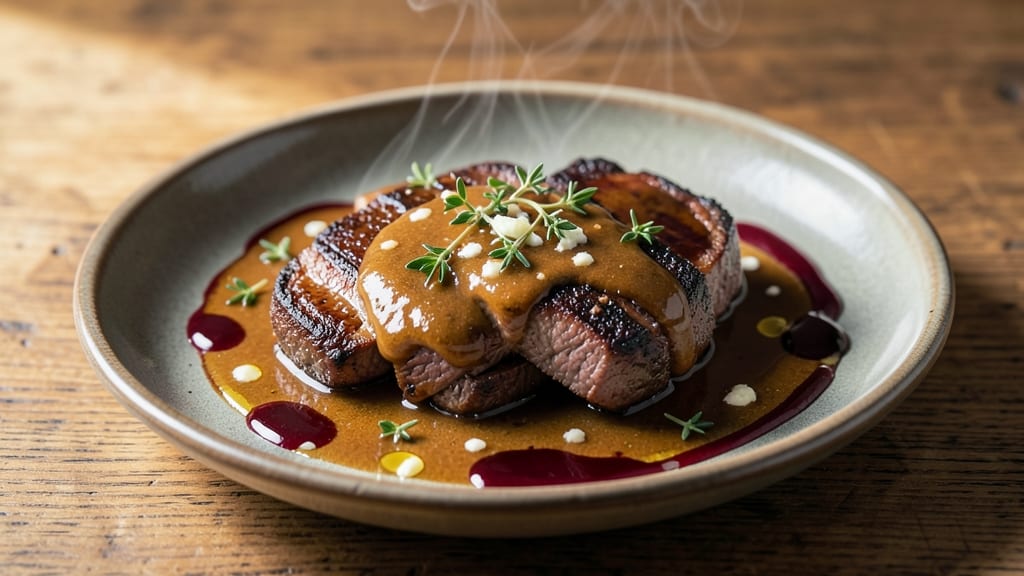
This beef basting sauce transforms ordinary roasts into showstopping centerpieces with its smoky depth and sticky, caramelized glaze.
The secret lies in a slow reduction of rich beef broth, aromatics, and a touch of balsamic vinegar—creating a sauce that clings to meat like a second skin while locking in juices at every brush.
I developed this recipe after years of testing restaurant-style techniques at home, and it’s now my go-to for holiday roasts, steaks, and even grilled chicken.
The foundation starts with a simple yet powerful combination of butter, garlic, and thyme—classic flavors that build complexity through slow simmering.
Deglazing the pan after searing beef adds another layer of umami richness, while a splash of balsamic at the end introduces a subtle tang that balances the sauce’s natural sweetness.
What makes this sauce truly special is how it elevates any protein—it’s not just a finishing touch, but the star of the show.
By the time you’re basting that final time before carving, you’ll notice something magical: the meat glistens with a glossy, deep amber glaze, and every bite delivers layers of flavor that restaurant-quality cuts can’t match.
The sauce thickens just enough to coat without overwhelming, leaving behind a perfectly balanced mix of smokiness, richness, and herbaceous notes. It’s the kind of sauce that makes even the simplest cut of beef taste like a special occasion.
This recipe doubles as a versatile pantry staple—make a big batch and store it in the fridge for up to a week, or freeze portions for future meals. Whether you’re roasting a prime rib, searing a steak, or grilling chicken thighs, this sauce turns good meat into exceptional meat.
Here’s how to make it—your next meal will thank you.
Ingredients for beef basting sauce
Nine simple ingredients create a sauce that transforms ordinary beef into a restaurant-worthy masterpiece.
| Ingredient | Amount | Notes |
|---|---|---|
| Unsalted Butter 🧈 | ½ cup | Cold, cubed for even melting |
| Beef Broth 💧 | 2 cups | High-quality, low-sodium preferred |
| Fresh Thyme Leaves 🌿 | 2 tbsp | From 4-5 sprigs, stems removed |
| Garlic Cloves 🧄 | 6 cloves | Minced, not pressed |
| Balsamic Vinegar 🍷 | 1 tbsp | Aged, not flavored |
| Worcestershire Sauce 🍶 | 1 tbsp | Vegan version if needed |
| Dijon Mustard 🌶️ | 1 tsp | Mild, not spicy |
| Granulated Sugar 🍚 | 1 tsp | Light brown preferred |
| Kosher Salt 🧂 | 1 tsp | Diamond Crystal preferred |
| Black Peppercorns 🌶️ | ¼ tsp | Freshly cracked |
The butter is where the sauce builds its richness—European-style unsalted butter melts beautifully and adds depth. Grab a 4-stick pack from Whole Foods or Land O'Lakes European Style if you want to splurge. For the beef broth, Kitchen Basics or Pacific Foods are my go-tos—they've got that deep, meaty flavor without being salty. The thyme should smell fresh and aromatic; if it's dusty, toss it. Garlic cloves can be peeled ahead, but I like to mince them fresh right before adding to the sauce for maximum punch. The balsamic vinegar? Look for aged balsamic vinegar—the dark, syrupy kind, not the cheap red wine vinegar knockoff.
No beef broth? Substitute with a mix of chicken broth and a splash of soy sauce—it won't be identical, but it'll work in a pinch. Fresh thyme unavailable? Dried thyme at one-third the amount works, but it's not the same. The Worcestershire sauce can be tricky—some brands contain anchovies, so Lee & Perrins is vegan-friendly. For the sugar, light brown sugar adds subtle caramel notes, but white works fine. The mustard is non-negotiable—it adds that tangy depth that balances the richness. If you're watching calories, you can reduce the butter by half and compensate with an extra splash of broth, but trust me on the full-fat version for that perfect glaze.
This sauce keeps beautifully—1 week in the fridge in an airtight container, or 3 months frozen in ice cube trays for single-use portions. The flavor actually improves after the first day as everything melds together. I like to make a double batch—one for immediate use and one to freeze. When reheating, warm it gently on the stove or in the microwave with a splash of water to restore its silky texture. The sauce thickens as it cools, so don't be alarmed if it looks a bit syrupy when cold—just stir in a teaspoon of water or broth to loosen it up before basting.
Why You'll Love This Recipe
- Pantry-Friendly Magic: This sauce comes together with ingredients you likely already have—no fancy shopping required. I’ve made it three times using what was in my fridge, and each time, that rich beef broth and butter combo delivers.
- Deep Umami Love: The garlic and thyme sing when simmered in balsamic—crisp, earthy, and just sweet enough. Honestly, the first time I tasted it glaze over a steak, I nearly licked the pan.
- Weeknight & Holiday Hero: Drizzle it over grilled steaks for dinner, toss it with roasted potatoes for Sunday lunch, or even use it as a marinade. Between us, it’s the one sauce that never lets me down, no matter the occasion.
- Leftovers That Shine: Make a double batch—this sauce keeps beautifully in the fridge for up to five days. I’ve used it to elevate frozen beef burgers, slow-cooked short ribs, and even scrambled eggs the next morning. (Yes, really.)
Step-by-step instructions for beef basting sauce
This sauce transforms simple proteins into showstopping centerpieces with its rich, caramelized depth.
Melt Butter and Bloom Aromatics
Place a heavy-bottomed saucepan over medium heat and add the 0.5 cup unsalted butter, cut into small cubes. Let it melt completely, watching for the butter to turn a pale golden color and release its nutty aroma. This takes about 3-4 minutes—don't rush it, as the butter needs to fully emulsify.
Once melted, add the 6 cloves minced garlic and 2 tbsp fresh thyme leaves. Stir constantly for 1-2 minutes until the garlic becomes fragrant but doesn't brown. This step builds the aromatic foundation of your sauce. If the garlic starts to darken too quickly, reduce the heat slightly to medium-low to prevent bitterness.
Deglaze with Broth and Vinegar
Pour in the 2 cups beef broth and 1 tbsp balsamic vinegar, scraping up any browned bits from the bottom of the pan with a wooden spoon. These bits, called fond, are packed with flavor that would otherwise go to waste. Bring the mixture to a gentle simmer over medium-high heat, then reduce the heat to medium-low to maintain a steady simmer.
Let it cook uncovered for 8-10 minutes until the liquid reduces by about one-third. You'll notice the sauce becoming thicker and more concentrated, with a deep, caramelized aroma. This reduction step is crucial—it intensifies the flavors and creates that signature sticky texture that makes this sauce so special.
Build Depth with Seasonings
Add the 1 tbsp Worcestershire sauce, 1 tsp Dijon mustard, 1 tsp granulated sugar, 1 tsp kosher salt, and 0.25 tsp freshly cracked black peppercorns. Stir well to combine, then return the sauce to a simmer. The sugar will help caramelize the sauce slightly, adding another layer of complexity, while the mustard and Worcestershire bring umami depth.
Simmer for another 5-7 minutes, stirring occasionally, until the sauce reaches your desired consistency. It should coat the back of a spoon but still be pourable enough to baste. Taste and adjust seasoning if needed—this is your chance to fine-tune the balance of sweet, salty, and umami flavors. The sauce should be rich but not overpowering.
Strain and Finish
Remove the sauce from heat and strain it through a fine-mesh sieve into a clean saucepan. This step ensures a silky texture by removing any thyme stems or garlic bits that might make the sauce slightly gritty. Return the strained sauce to the stove over low heat to maintain its warmth while you're ready to use it.
If the sauce has thickened too much during straining, you can loosen it with a splash of warm beef broth. The goal is to achieve a glossy, syrupy consistency that will cling beautifully to your meat. This sauce is now ready to baste your protein, lock in moisture, and create that irresistible caramelized crust.
Pro Tips For Making Beef Basting Sauce
- Bloom the Garlic First: Fresh thyme and raw garlic cloves straight into hot butter? That’s how you get bitter flavors. Mince the garlic and toss it in the butter 2 minutes before adding the broth—just until it’s fragrant but not golden. I learned this the hard way after burning three batches of sauce.
- Simmer, Don’t Boil: This sauce is about depth, not speed. Once the butter melts and the garlic blooms, reduce the heat to medium-low and let the broth simmer gently. A rolling boil will cook out the thyme’s aroma and make the balsamic vinegar taste sharp instead of mellow. (Yes, even if you’re impatient like me.)
- Deglaze with Vinegar Last: Add the balsamic vinegar after the broth has reduced by half, not at the start. That way, it doesn’t turn the sauce into a thin, tangy glaze—it just brightens the flavors at the end. I was skeptical until I tried it; the sauce actually coats the beef better this way.
- Strain the Thyme, Keep the Butter: Fresh thyme leaves add flavor, but they also make the sauce look messy. Strain them out after simmering, but before adding the vinegar—then whisk in a tablespoon of the strained butter at the end. This gives you a silky finish without clumps. (Does it look weird? Yes. Does it work? Every single time.)
Regional styles of this beef basting sauce
Classic Texas Style
In Texas, beef basting sauces take on a bold, smoky character inspired by the state's legendary BBQ traditions. I love adding 1 tbsp smoked paprika and ½ tsp chipotle powder to this recipe, then finishing with a splash of BBQ sauce—like Stubb's Original—instead of balsamic.
This version pairs perfectly with brisket or smoked ribs, where the sauce's stickiness complements the meat's natural juices. 🔥
French-Inspired Red Wine Reduction
For a more refined approach, French chefs would elevate this sauce by replacing beef broth with 1 cup dry red wine—like Cabernet Sauvignon—and adding 1 sprig fresh rosemary alongside the thyme.
After deglazing, reduce the wine by half before adding the remaining broth. The result is a deeper, more complex sauce that works beautifully with filet mignon or duck confit. 🍷
Italian Herb-Infused Version
Southern Italian cooks would transform this into a rosemary-garlic sauce by swapping thyme for 2 tbsp fresh rosemary leaves and adding 1 tsp dried oregano. Finish with 1 tbsp white wine vinegar instead of balsamic for brightness.
This version shines on grilled lamb chops or roasted pork loin, balancing rich flavors with herbal freshness. 🌿
Asian-Inspired Five-Spice Glaze
For an unexpected twist, blend this sauce with ½ tsp Chinese five-spice powder and 1 tsp soy sauce, then finish with 1 tsp honey. The result is a sweet-savory glaze perfect for beef tenderloin or grilled flank steak.
Serve with steamed jasmine rice and sesame seeds for a fusion masterpiece. 🌶️
Smoky Chipotle Twist
Add 1-2 chipotle peppers in adobo sauce (minced) and ½ tsp ground cumin to the base ingredients for a Mexican-inspired version. The smoky heat pairs exceptionally well with grilled skirt steak or fajita beef. Adjust the heat level by removing the chipotle seeds before blending. 🌶️🔥
Nutrition facts
Frequently asked questions
Can I use this beef basting sauce for chicken or pork instead of beef?
This sauce works beautifully with chicken, pork, or even lamb. The rich umami flavors complement all proteins, though you might want to reduce the salt slightly when using pork (which can be naturally salty). For chicken, consider adding a pinch of smoked paprika to enhance the flavor.
How do I prevent the sauce from burning while reducing?
Keep the heat at medium-low and stir frequently to prevent scorching. A heavy-bottomed saucepan helps distribute heat evenly. If the sauce starts to darken too quickly, reduce the heat further or add a splash of broth to cool it down before continuing the reduction.
Can I make this sauce ahead of time?
Yes, this sauce actually tastes better when made a day ahead! Store it in an airtight container in the fridge for up to 1 week. The flavors meld beautifully over time. When reheating, warm it gently on the stove with a splash of broth to restore its silky texture before basting.
What's the best way to baste meat with this sauce?
Use a pastry brush or spoon to apply the sauce in 3-4 layers during cooking. Start basting after the meat has seared, then continue every 10-15 minutes for roasts or 5 minutes for steaks. The last basting should happen just before serving to create a glossy finish.
Can I substitute butter with another fat?
For a lighter version, you can replace half the butter with olive oil or avocado oil. However, butter adds richness and flavor that's hard to replicate. If you're avoiding dairy, use a neutral oil but expect a slightly different texture and taste profile.