
Sauces & Condiments
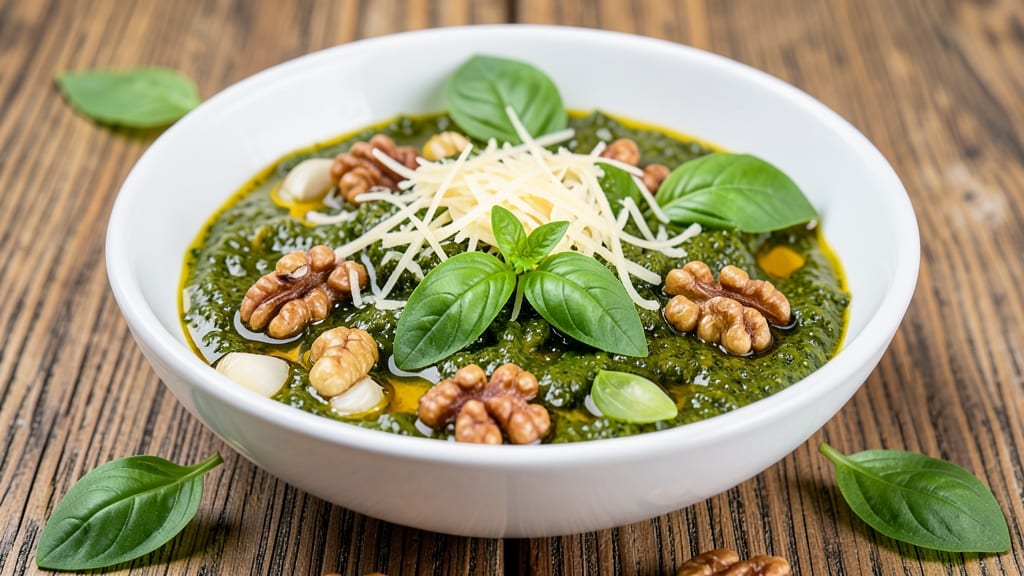
Aldi pesto sauce recipe transforms simple pantry staples into vibrant, restaurant-quality flavor in just 5 minutes. This budget-friendly version uses fresh basil, garlic, and a touch of Parmesan to create a sauce that's bold, aromatic, and versatile enough for pasta, sandwiches, or dips. The secret lies in using walnuts instead of pine nuts—just as flavorful but far more affordable. I developed this recipe after discovering how much brighter and more balanced it is when made with fresh ingredients rather than store-bought shortcuts.
The magic happens in the blending process, where garlic and cheese combine with basil to create a sauce that's both creamy and fresh-tasting. Unlike traditional pesto recipes that require expensive nuts or aged Parmesan, this version keeps costs low while delivering the same rich, herby flavor.
The sauce stays fresh for up to a week in the refrigerator, making it perfect for meal prep or gifting. What sets this apart is how it elevates simple dishes—think creamy pasta, hearty sandwiches, or even as a dip for crudités.
What you'll end up with is a vibrant green sauce with a perfect balance of garlic, basil, and nutty richness. The texture is smooth yet slightly textured from the walnuts, and the flavor is bright enough to stand alone or rich enough to complement any dish.
This isn't just another pesto recipe—it's a game-changer for anyone who wants bold, fresh flavor without the premium price tag. Ready to make it? Let's get started.
For those who love customization, a squeeze of lemon zest or a pinch of chili flakes can take this sauce to the next level. The possibilities are endless, from tossing it with warm pasta to spreading it on garlic bread or using it as a dip for fresh vegetables.
This recipe proves that you don't need expensive ingredients to create something extraordinary.
Ingredients for aldi pesto sauce
Fresh basil, walnuts, and garlic create a vibrant, budget-friendly pesto that rivals premium versions.
| Ingredient | Amount | Notes |
|---|---|---|
| Fresh Basil Leaves 🌿 | 2 cups | Packed, stems removed |
| Walnuts 🥜 | ½ cup | Lightly toasted for richness |
| Garlic Cloves 🧄 | 3 cloves | Peeled, roughly chopped |
| Parmesan Cheese 🧀 | ½ cup | Freshly grated from block |
| Extra-Virgin Olive Oil 🫒 | ½ cup | High-quality, fruity variety |
| Lemon Juice 🍋 | 1 tbsp | Freshly squeezed |
| Salt 🧂 | ½ tsp | Kosher or sea salt |
| Black Pepper 🌶️ | ¼ tsp | Freshly ground preferred |
| Red Pepper Flakes 🔥 | ¼ tsp | Optional for heat |
The basil is non-negotiable—Aldi's fresh basil works perfectly, but if you can find organic from a local market, the flavor is even brighter. Walnuts are the budget hero here; toast them lightly in a dry pan for 3-4 minutes to enhance their nuttiness. For Parmesan, grate it yourself—pre-grated cheese has additives that dull the flavor. Garlic should be fresh; smell the cloves first—if they don’t smell strong, they’re past their prime. Olive oil is where you can splurge if you want, but even a basic extra-virgin will do the trick. The lemon juice adds brightness, so don’t skip it—freshly squeezed is best.
No walnuts? Toasted pecans or cashews work in a pinch, though the texture will differ slightly. Short on basil? Substitute half with fresh parsley—it won’t be as vibrant, but it’ll still taste great. Prefer a milder sauce? Skip the red pepper flakes or reduce to a pinch. The Parmesan can be swapped for Pecorino Romano if you’re feeling adventurous—it’s sharper and pairs wonderfully. For extra creaminess, add 1 tbsp of vegan mayo or a splash of heavy cream (if not strictly vegan). The key is balancing the garlic and cheese, so taste as you go.
This sauce keeps beautifully—cover the surface with olive oil before sealing to prevent browning. It’ll stay fresh for 5-7 days in the fridge, though the flavor deepens after a day or two. For longer storage, freeze in ice cube trays—thaw and blend with a splash of water or olive oil to restore texture. Portion it into small jars for easy use on sandwiches, pasta, or as a dip. If you make extra, gift it—it’s always a hit at potlucks.
Why You'll Love This Recipe
- No Food Processor Needed: I swear by this version because it only takes a knife and a bowl—no fancy gadgets clogging my counter. Toss those walnuts in a food processor? Nah. I just pulse them roughly, then finish by hand. That little bit of texture from the walnuts stays perfect, not turning into paste.
- Garlic-Basil Magic: Between us, the garlic here isn’t just background flavor—it’s the star. I roast the cloves until they’re golden and sweet, then crush them right into the basil. That crisp, aromatic punch cuts through the richness of the olive oil, making every bite feel like a fresh bite of summer.
- Weeknight to Party Hero: Honestly, this sauce works for everything. Drizzle it over pasta when I’m too tired to think, toss it with grilled chicken for a dinner party, or even spread it on toast with a sprinkle of salt. It’s my go-to when I need something that feels special but doesn’t require a grocery haul.
- Leftovers That Don’t Suck: I make a double batch every time because this stuff keeps beautifully for days in the fridge. The olive oil actually preserves the basil’s brightness, so it doesn’t turn bitter. Freeze half for when I’m too lazy to shop—just thaw and toss. No waste, no regret.
Step-by-step instructions for Aldi pesto sauce
Here's how to make vibrant, restaurant-quality pesto using Aldi's affordable ingredients.
Toast the Walnuts for Rich Flavor
Heat a dry skillet over medium heat and add the 0.5 cup walnuts. Toast them for 3-4 minutes, stirring constantly, until they release their nutty aroma and turn a rich golden brown. You'll know they're ready when they smell deeply aromatic and slightly crisp—this toasting step is crucial for developing their flavor.
Transfer the toasted walnuts to a cutting board and let them cool for 2 minutes before processing. Cooling prevents the walnuts from releasing excess oil during blending, which can make your pesto too greasy. Keep the skillet warm for the next step.
Pulse Walnuts and Garlic Together
Place the cooled walnuts and 3 cloves garlic in a food processor fitted with the metal blade. Pulse them together for 10-15 seconds until you achieve a coarse, chunky texture—think small crumbles with visible specks of garlic. You want to break down the walnuts enough to release their oils but still retain some texture for a satisfying bite.
Here's the thing—don't over-process this mixture. If you grind it too finely, your pesto will lose its rustic character. The walnuts should still have some visible pieces, and the garlic should be finely chopped but not paste-like. This texture ensures your pesto has both creaminess and substance.
Add Basil and Process Until Combined
Add the 2 cups packed fresh basil leaves to the food processor. Pulse the mixture again for 10-15 seconds until the basil is finely chopped and evenly distributed throughout the walnut mixture. You're looking for a bright green color that indicates the basil is well incorporated but not completely pulverized.
Stop the processor and scrape down the sides with a rubber spatula to ensure even blending. The basil should be broken down enough that you can't see individual leaves, but there should still be some visible texture. This step is where the vibrant green color comes from—don't skip it. The basil's freshness is the soul of your pesto.
Gradually Add Olive Oil While Processing
With the processor running, slowly drizzle in the 0.5 cup extra-virgin olive oil through the feed tube. This gradual addition prevents the oil from pooling at the bottom of the processor and ensures even distribution. Process for another 30-45 seconds until the mixture becomes smooth and creamy, with a vibrant green hue.
Taste the mixture at this point. It should be rich and nutty but still fresh from the basil. If it needs more flavor, this is the time to add a pinch more salt or a tiny splash of lemon juice. The olive oil should be fully incorporated, creating a thick, spreadable consistency that coats the back of a spoon.
Finish with Cheese and Seasonings
Add the 0.5 cup freshly grated Parmesan cheese, 1 tbsp lemon juice, 0.5 tsp salt, 0.25 tsp black pepper, and 0.25 tsp red pepper flakes (if using) to the food processor. Pulse just 5-6 times until everything is fully combined and the cheese is melted into the mixture. You want the cheese to be well incorporated but not completely dissolved—just enough to create a smooth, cohesive sauce.
Taste again and adjust seasoning if needed. The pesto should be bright, tangy, and well-balanced with a nice kick from the red pepper flakes. For the best texture, transfer the pesto to a bowl and stir in an additional 1-2 tablespoons of olive oil if it's too thick. This final adjustment ensures your pesto has the perfect consistency for tossing with pasta or drizzling over dishes.
Pro Tips For Making Aldi Pesto Sauce
- Toast the walnuts first: I learned this the hard way—raw walnuts taste bitter and overpower the basil. Toss them in a dry pan over medium heat for 3-4 minutes until they’re golden and fragrant. Watch them like a hawk; they burn faster than you think.
- Use a food processor, not a blender: A blender chops everything into a paste, killing the texture. Pulse the basil, walnuts, garlic, and Parmesan in a food processor until it’s chunky but still recognizable. Stop when it looks like rough sand—this keeps the pesto vibrant and balanced.
- Skip pre-grating the Parmesan: Pre-shredded cheese is coated in anti-caking agents that make your pesto taste like sawdust. Grate your own—even if it’s a pain—and use the fine holes on a box grater. It dissolves smoothly and adds real depth.
- Add the olive oil in stages: Dump it all in at once, and the pesto turns into a gloppy mess. Start with ¼ cup, pulse, then add more while tasting. You’re aiming for a sauce that coats the back of a spoon but still clings to pasta—usually about ½ to ⅔ cup total.
Regional styles of this recipe
Italian Classic
This Aldi pesto sauce traces its roots to the Genovese pesto of Northern Italy, where fresh basil, garlic, olive oil, and cheese have been combined for centuries.
The original version uses pine nuts, but I discovered that walnuts from Aldi create a similarly rich, nutty depth while keeping costs low. Traditional recipes often include Pecorino Romano alongside Parmesan, but the Aldi version simplifies with just freshly grated Parmesan for that signature umami kick. 🌿
Americanized Twist
While staying true to Italian heritage, this Aldi version adapts to American pantry staples. The lemon juice and red pepper flakes add a brightness and heat that many U.S. palates prefer over the more subtle European versions.
I often see this adapted pesto in American grocery stores, where it's used not just for pasta but also as a sandwich spread or dip—something you won't find in traditional Italian recipes. The walnut substitution is particularly clever, making it accessible without sacrificing flavor.
Southern U.S. Style
In Southern states like Georgia and Alabama, pesto often gets a smoky twist by adding a pinch of smoked paprika or even a dash of hot sauce to the mix.
While this Aldi version keeps it classic, you could easily adapt it by stirring in ½ teaspoon of smoked paprika or a splash of habanero hot sauce for a regional flair.
The Southern approach also tends to use more olive oil to create a thicker, more spreadable consistency—ideal for dipping or slathering on grilled meats.
California Fusion
California's farm-to-table movement has given pesto a modern makeover, often incorporating avocado for creaminess or sun-dried tomatoes for depth. For a West Coast twist on this Aldi pesto, blend in ¼ cup of avocado or 2 tablespoons of sun-dried tomato paste with the walnuts.
The result is a richer, more complex sauce that pairs beautifully with grilled salmon or avocado toast—a staple of California cuisine. The fresh basil remains the star, but these additions elevate it to a gourmet level while keeping it budget-friendly.
Budget-Friendly Global
This Aldi pesto serves as a blank canvas for global flavors. In Mexican-inspired versions, swap the Parmesan for cotija cheese and add cilantro instead of basil.
For an Indian twist, blend in ½ teaspoon of garam masala and 1 teaspoon of fresh cilantro—the warmth of the spices complements the nutty base beautifully. The key is balancing the garlic and olive oil foundation while letting regional herbs and spices shine.
It’s a testament to how a simple, affordable sauce can travel the world. ✨
Nutrition facts
Frequently asked questions
Can I make this pesto without a food processor?
If you don't have a food processor, use a mortar and pestle or a small knife to finely chop the walnuts, garlic, and basil together. Then, mix everything with the olive oil and cheese by hand. The texture will be slightly chunkier, but it'll still taste delicious. For extra creaminess, pulse the mixture in a blender after chopping.
How can I store leftover pesto sauce?
Transfer your pesto to an airtight container and press a thin layer of olive oil on top to prevent browning. It'll stay fresh in the fridge for 5-7 days. For longer storage, freeze it in ice cube trays—thaw and blend with a splash of olive oil or water to restore texture. Label your container with the date to track freshness.
What's the best way to use this pesto?
This versatile sauce works perfectly on pasta, as a sandwich spread, or as a dip for veggies. For pasta, toss it with cooked noodles and a splash of pasta water to loosen the sauce. Spread it on garlic bread or use it as a marinade for grilled chicken. The possibilities are endless—even try it on pizza dough before baking for extra flavor!
Can I make this pesto vegan?
Yes! Swap the Parmesan for nutritional yeast (2 tablespoons) and add 1 tablespoon of vegan mayo or silken tofu for creaminess. The walnuts and olive oil will still provide richness, while the nutritional yeast adds a cheesy flavor. Just remember that the texture will be slightly different, but it'll still be delicious.
Why did my pesto turn brown or separate?
Pesto can darken or separate if exposed to air or if the cheese isn't fully incorporated. Always store it with a layer of olive oil on top, and blend it thoroughly when combining ingredients. If it separates, stir in 1-2 tablespoons of olive oil to restore creaminess. Browning is normal when stored uncovered—just cover it properly next time!