
Sauces & Condiments
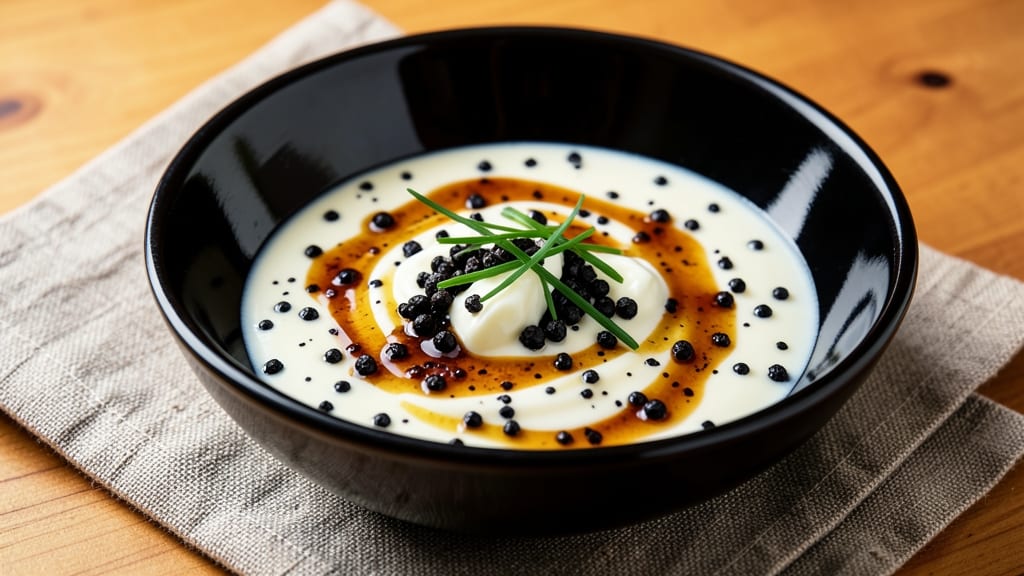
This alcohol-free peppercorn sauce delivers restaurant-quality depth without relying on wine or brandy, making it perfect for both meat lovers and those avoiding alcohol. The secret lies in a slow reduction of peppercorn-infused broth, butter, and cream, creating a velvety sauce with bold umami and just the right peppery kick.
What sets this apart is its clump-free texture—no lumps, just smooth elegance that clings beautifully to roasted meats, fish, or pasta.
The recipe starts with whole peppercorns toasted to release their aromatic oils, then simmered in a rich broth until deeply flavorful. Cream and butter are added at the end to create a luxurious finish, while a touch of vinegar brightens the sauce without overpowering its depth.
Unlike many peppercorn sauces, this one avoids alcohol entirely, making it versatile for any dish—even those where alcohol isn’t an option.
What you’ll achieve is a sauce that’s rich yet balanced, with layers of peppercorn heat and savory notes that elevate steak, salmon, or even mashed potatoes. The texture remains silky-smooth, thanks to proper emulsification, and the flavor develops even more as it rests.
This isn’t just a substitute for traditional peppercorn sauce—it’s a standout on its own.
Best of all, it keeps well in the fridge for up to a week, allowing you to make a big batch for multiple meals. Whether you’re cooking for a special dinner or simply craving something sophisticated, this sauce delivers restaurant-quality results with minimal effort. Let’s get started!
Ingredients for alcohol free peppercorn sauce
Eight ingredients crafting a sauce that rivals classic peppercorn but skips the alcohol entirely.
| Ingredient | Amount | Notes |
|---|---|---|
| Whole Black Peppercorns 🌶️ | 2 tbsp | Freshly cracked for maximum aroma |
| Heavy Cream 🥛 | 1 cup | Full-fat for luxurious texture |
| Unsalted Butter 🧈 | ½ cup | Cold, cubed for smooth incorporation |
| Vegetable Broth 💧 | 2 cups | Low-sodium preferred for balance |
| White Wine Vinegar 🍋 | 1 tbsp | Brightens without overpowering |
| Granulated Sugar 🍬 | 1 tsp | Balances peppercorn heat |
| Diamond Crystal Kosher Salt 🧂 | ½ tsp | Adjusts to taste at the end |
| Freshly Ground Black Pepper 🌶️ | ¼ tsp | Enhances peppercorn flavor |
The peppercorns are non-negotiable here—Penzeys or Spicewalla for premium quality, but any whole black peppercorns will work. Toast them in a dry pan until fragrant (about 2 minutes), then grind them just before adding to the broth. This releases their aromatic oils and prevents bitterness. The broth should be rich but not salty—Pacific Foods or Imagine brands are my go-tos. If you're using bouillon cubes, opt for low-sodium to avoid overpowering the delicate balance later.
No heavy cream? Full-fat coconut milk works surprisingly well, though it adds a slight sweetness. Butter substitutes? Vegan butter or olive oil (use 3 tbsp oil for 0.5 cup butter), but texture may differ slightly. Vinegar substitutes? Lemon juice at half the amount brightens differently but still works. For extra depth, add 1 tsp soy sauce or Worcestershire (ensure alcohol-free if needed)—it boosts umami without alcohol. The sugar is key for balancing peppercorn heat, but honey or maple syrup can replace it if preferred.
This sauce thickens as it cools, so don't over-reduce it. Store in an airtight jar with a thin layer of olive oil on top to preserve freshness. Keeps for 5-7 days in the fridge or 3 months frozen. For best flavor, let it sit at room temperature for 10 minutes before serving—it develops richness as it rests. Double the batch if you're using it for multiple meals; it reheats beautifully and tastes even better the next day.
Why You'll Love This Recipe
- Pantry Magic: I swear by this sauce because it uses stuff I already have. No last-minute grocery runs—just peppercorns, cream, and a splash of vinegar to wake things up. Honestly, the only prep is cracking those peppercorns, and even that’s optional if you’re in a rush.
- Rich Without Fuss: That creamy, peppery depth hits different—like a hug for your taste buds. The butter and cream make it velvety, while the vinegar cuts through just enough to keep it bright. It’s the kind of sauce that makes you pause mid-bite and think, “Wait, how is this so good?”
- Weeknight Workhorse: This sauce plays nice with everything: drizzle it over roasted veggies, toss it with pasta, or slather it on grilled chicken. I’ve even used it to elevate a simple sheet-pan dinner when I’m too tired to plan. Between us, it’s my go-to for when I need flavor but not effort.
- Leftovers That Don’t Let You Down: Make a double batch—it keeps for days in the fridge and reheats like a dream. The flavors only get better as the peppercorns infuse longer. I’ll be real: I’ve reheated this sauce three times and still craved it. That’s a win for my wallet and my lazy Sundays.
Step-by-step instructions for alcohol-free peppercorn sauce
Here's how to craft a velvety peppercorn sauce with deep umami—no alcohol required.
Toast the Peppercorns for Maximum Aroma
Heat a dry skillet over medium heat. Add the 2 tbsp whole black peppercorns and toast for 2-3 minutes until fragrant and slightly darkened. You'll know they're ready when you smell that intense, spicy aroma filling your kitchen—this is when their oils begin to release. Immediately transfer the peppercorns to a mortar and pestle or small spice grinder.
Grind them into a coarse powder, being careful not to over-grind into a fine powder. The texture should resemble coarse sand—this ensures proper flavor infusion without turning the sauce into a clumpy paste. Set aside; you'll use this aromatic base to build your sauce's character.
Melt Butter and Bloom the Peppercorn Flavor
In a medium saucepan, melt the 0.5 cup unsalted butter over medium-low heat. Once fully melted, add the ground peppercorns and stir constantly for 1-2 minutes. You'll see the butter take on a subtle gray tint and develop a rich, peppery aroma—this is the "blooming" process where the peppercorns release their essential oils into the fat.
Don't let the butter brown or it will develop bitter flavors. Keep the heat gentle and maintain a slow simmer. After 2 minutes, remove from heat and immediately whisk in the 1 cup heavy cream. The sudden temperature change will create a luxurious, velvety emulsion—this is your sauce's foundation.
Build the Sauce with Broth and Vinegar
Return the saucepan to medium heat and add the 2 cups vegetable broth and 1 tbsp white wine vinegar. Stir well to combine, then add the 1 tsp granulated sugar and 0.5 tsp diamond crystal kosher salt. Bring to a gentle simmer, then reduce heat to low and let it cook uncovered for 10-12 minutes, stirring occasionally.
You're looking for a reduction that coats the back of a spoon but still moves freely—this indicates proper thickening. The vinegar brightens the peppercorn's heat while the sugar balances its intensity. If the sauce thickens too quickly, add 1-2 tablespoons of water to maintain the desired consistency.
Finish with Freshly Ground Pepper
Remove the sauce from heat and stir in the 0.25 tsp freshly ground black pepper. This final addition enhances the peppercorn's complexity by adding a fresh, bright note. Taste and adjust seasoning—you may need an additional pinch of salt or sugar to perfect the balance between sweet, salty, and peppery flavors.
For the smoothest texture, strain the sauce through a fine-mesh sieve to remove any remaining peppercorn particles. Serve immediately over grilled meats, roasted vegetables, or creamy pasta dishes. The sauce will maintain its velvety consistency for up to 3 days refrigerated, though it's best enjoyed fresh.
Pro Tips For Making Alcohol Free Peppercorn Sauce
- CRUSH THE PEPPERCORNS: Don’t just toss them in whole—lightly crush half of them with a mortar and pestle or the flat side of a knife. This releases more flavor without turning the sauce into a peppercorn slurry. I learned this the hard way after making a sauce that tasted like it was hiding peppercorn confetti.
- SIMMER LOW AND SLOW: Once you add the heavy cream, drop the heat to a bare simmer—no boiling. Heavy cream breaks and splits if it gets too hot, and you’ll end up with a grainy, separated mess. Trust me, 5 minutes of patience here saves 10 minutes of scraping curdled cream off the bottom.
- SALT THE BROTH FIRST: Season the vegetable broth before adding it to the sauce, especially if you’re using unsalted butter. The butter’s saltiness will sneak up on you later, and you’ll end up with a sauce that’s either bland or overly salty. A pinch of salt in the broth upfront makes balancing flavors effortless.
- STRAIN THE PEPPERCORNS: After simmering, strain the sauce through a fine-mesh sieve to remove the peppercorns—unless you’re going for a rustic, speckled look. Whole peppercorns left in can make the sauce gritty, and you’ll spend the whole meal picking them out. (Yes, even if you love texture, this is worth it for smoothness.)
Common mistakes when making this recipe
Over-Reducing the Sauce
One of the biggest mistakes is letting the sauce reduce too much, which can turn it grainy or separate. I’ve seen this happen when people don’t monitor the heat closely—especially during the 10-12 minute simmer.
The goal is a sauce that coats the back of a spoon but still flows freely. If it starts to thicken too quickly, add 1-2 tablespoons of water or broth to maintain that perfect consistency. 🌡️
Skipping the Toasting Step
Many recipes call for raw peppercorns, but toasting them first unlocks their full aromatic potential. When you skip this step, the sauce lacks depth and can taste flat or bitter.
Always toast your 2 tbsp of whole peppercorns in a dry pan for 2-3 minutes until fragrant. This releases the essential oils that make the sauce truly special.
Adding Cream Too Early
Introducing the 1 cup heavy cream too soon can cause the sauce to curdle or separate. The cream needs to be added after the butter has bloomed and the peppercorns have infused into the fat.
I’ve made this mistake before—adding cream too early leads to a broken emulsion and a less luxurious texture. Always wait until the butter is fully melted and aromatic before whisking in the cream.
Ignoring the Straining Step
Some home cooks skip straining the sauce, leaving behind tiny peppercorn particles that can make each bite feel gritty. While this isn’t a dealbreaker, straining through a fine-mesh sieve ensures a silky-smooth finish.
I recommend straining the sauce right before serving to preserve its velvety texture. If you’re serving it immediately, this step is optional, but for a restaurant-quality result, it’s worth the extra effort.
Over-Salting or Over-Peppering
Balancing the flavors is key—too much salt or pepper can overpower the delicate umami notes. Taste as you go and adjust gradually. The 0.5 tsp kosher salt and 0.25 tsp freshly ground pepper are starting points, but every kitchen’s ingredients vary.
Trust your palate and make small adjustments. A little goes a long way, especially with pepper!
Using Low-Quality Ingredients
Cheap butter, low-fat cream, or pre-ground pepper can ruin the sauce’s richness. Invest in quality ingredients like European-style butter and full-fat heavy cream—they make a noticeable difference.
Even the peppercorns matter: Penzeys or Spicewalla brands deliver superior flavor. Skimping here won’t just affect taste; it can make the sauce taste flat or off-balance. 💡
Nutrition facts
Frequently asked questions
Can I make this sauce without dairy?
Yes! Replace the 0.5 cup butter with 3 tbsp olive oil and use full-fat coconut milk instead of heavy cream. The texture will be slightly lighter but still rich. For extra depth, add 1 tbsp nutritional yeast to boost umami flavors. The sauce may separate slightly when cold, so reheat gently before serving.
How do I adjust the peppercorn heat level?
For milder heat, reduce the toasted peppercorns to 1 tbsp and omit the final 0.25 tsp freshly ground pepper. For extra spice, add 1 tsp cayenne pepper at the end or use red peppercorns instead of black. Always taste as you go—peppercorn flavors develop as the sauce cools.
What's the best way to reheat leftover sauce?
Gently reheat in a saucepan over low heat with 1-2 tbsp water or broth to prevent curdling. Never microwave directly—this can break the emulsion and create a grainy texture. Stir constantly until warmed through (1-2 minutes max). The sauce thickens as it cools, so thin with water if needed before serving.
Can I use this sauce for vegetarian dishes?
This sauce pairs beautifully with roasted vegetables, creamy mushroom risotto, or even as a dip for grilled halloumi. The umami depth complements plant-based proteins like tofu or tempeh. For extra richness, stir in 1 tbsp vegan butter when reheating. The vinegar and sugar balance work perfectly with vegetarian flavors.
Why did my sauce turn grainy?
Graininess usually happens from over-reducing or adding cream too early. To fix it, whisk in 1 tbsp cold butter or 1 tbsp heavy cream while stirring constantly over low heat. For prevention: maintain gentle simmering, add cream only after butter blooms, and avoid high heat. If the issue persists, strain through a fine-mesh sieve to remove any separated particles.