
Sauces & Condiments
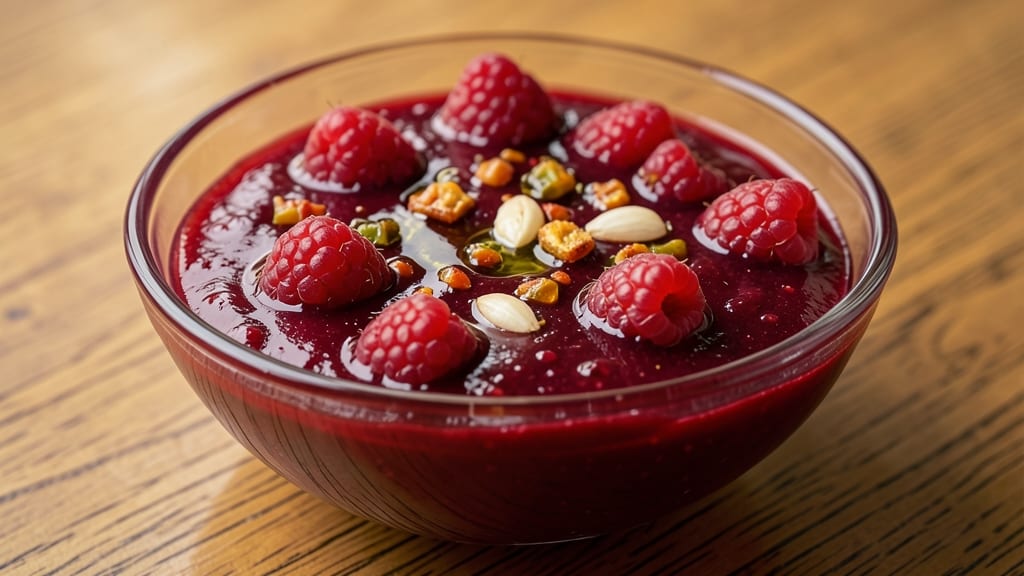
This raspberry habanero sauce recipe delivers the signature sweet-spicy balance that makes TGI Fridays' wings unforgettable. 🔥 The secret lies in simmering fresh raspberries with habanero peppers until their flavors meld into a vibrant, tangy-sweet sauce that's perfect for wings, fries, or even drizzling over grilled meats.
I've perfected this recipe after years of balancing heat and sweetness—no more blistering your mouth while missing the fruity depth.
The process starts with carefully blending raspberries and habanero peppers, then simmering until thickened. A touch of apple cider vinegar brightens the sauce, while a hint of brown sugar rounds out the heat.
What makes this sauce special is its versatility—it works as a dipping sauce, a glaze, or even a marinade, all while keeping that signature restaurant-quality kick. The key is patience: letting the flavors develop over low heat ensures a smooth, balanced sauce that won't overpower your dish.
By the time you're done, you'll have a glossy, fiery-sweet sauce that clings beautifully to wings or fries. The raspberries add natural sweetness, while the habanero peppers bring just enough heat to make it addictive.
This isn't just a copycat recipe—it's a refined version that delivers restaurant-quality results at home, with none of the guesswork. The best part? It keeps well in the fridge for up to two weeks, so you can enjoy it again and again.
For safety, always wear gloves when handling habanero peppers, and taste cautiously—this sauce packs serious heat. Whether you're serving it at a game day party or just craving that familiar TGI Fridays flavor, this recipe is your ticket to homemade perfection. Let's get started on making it!
Ingredients for tgi fridays raspberry habanero sauce
Eight simple ingredients transform into that iconic TGI Fridays fiery-sweet sauce you'll crave.
| Ingredient | Amount | Notes |
|---|---|---|
| Fresh Raspberries 🍓 | 1 ½ cups | Frozen works if fresh unavailable |
| Habanero Peppers 🌶️ | 2 whole | Wear gloves when handling |
| Apple Cider Vinegar 🍏 | ¼ cup | For tangy brightness |
| Brown Sugar 🍚 | ¼ cup | Light or dark variety |
| Garlic Cloves 🧄 | 2 cloves | Minced for depth |
| Extra-Virgin Olive Oil 🫒 | ¼ cup | For richness |
| Salt 🧂 | ½ tsp | Kosher or sea salt |
| Black Pepper 🌶️ | ¼ tsp | Freshly ground preferred |
| Water 💧 | ¼ cup | For thinning consistency |
The habanero peppers are the star here, but don't let their heat scare you off. Trader Joe's and Whole Foods carry them fresh or frozen, and they're often cheaper than the grocery store. If you can't find fresh, frozen works just fine—just thaw them first. Raspberries should be ripe but firm; Costco sells them in bulk for great prices. The key is balancing the heat with sweetness, so don't skimp on the brown sugar. I always double-check the habanero heat level—some are milder than others, and you want that signature kick without overwhelming the raspberry flavor.
No habanero peppers? Scotch bonnet or serrano peppers work in a pinch, but reduce the amount to half a pepper—these pack even more heat. Fresh raspberries unavailable? Frozen raspberries work perfectly, just don't thaw them first. The apple cider vinegar adds that tangy brightness, but if you're out, white vinegar or lemon juice will do. Want to make it even smoother? Blend the sauce for 30 seconds after simmering. And trust me, the olive oil isn't optional—it adds that silky texture that makes the sauce cling to wings and fries like a dream.
This sauce keeps beautifully for up to 2 weeks in the fridge, sealed in a jar. The flavors actually get better as it sits, so make extra if you can. For longer storage, freeze portions in ice cube trays—perfect for single servings later. Just give it a quick stir before reheating. Pro tip: if it thickens too much, add a splash of water or vinegar to loosen it up. And always taste cautiously—this sauce packs serious heat, especially after a few days in the fridge.
Why You'll Love This Recipe
- Five-Ingredient Magic: I swear by this—just toss those raspberries, habanero, vinegar, brown sugar, and garlic into a blender. No peeling, no dicing, no fancy techniques. Honestly, the hardest part is deciding how much heat to handle.
- Sweet Heat Balance: That first taste? Tart raspberries cut through the habanero’s fire while the brown sugar rounds it out—like a fruity, spicy hug. I’ll be real: my kids sneak bites of the leftovers, and they’re not big on spicy food.
- Weeknight Wing Night: Drizzle it over wings, toss it on grilled chicken, or even use it as a marinade. I keep a jar in the fridge because it turns boring meals into something special—no last-minute grocery runs needed.
- Lasts All Week: Make a big batch (it’s cheap to do) and store it for up to two weeks. The vinegar keeps it fresh, and the flavor only gets better as the habanero’s kick mellows into something deeper—like a secret weapon for lazy dinners.
Step-by-step instructions for TGI Fridays' raspberry habanero sauce
Here's how to recreate that signature sweet-spicy sauce at home—perfect for wings, fries, or dipping.
🍳 Step 1: Char the Habaneros and Garlic
Heat a dry skillet over medium-high heat. Add the 2 whole habanero peppers and 2 cloves garlic (peeled and left whole). Let them char for 3-5 minutes, turning occasionally, until the peppers are blackened in spots and the garlic turns golden brown. This step builds deep, smoky flavor—don't rush it.
Watch closely—the habaneros are done when they're blistered and slightly shriveled. Transfer them to a bowl and cover to steam for 10 minutes. This makes them easier to peel later. I always wear gloves when handling them—they're spicy even when cooked!
🍳 Step 2: Simmer the Base Ingredients
In a medium saucepan, combine the 1.5 cups fresh raspberries (or frozen, thawed), 0.25 cup apple cider vinegar, 0.25 cup brown sugar, 0.5 tsp salt, and 0.25 tsp black pepper. Bring to a boil over medium heat, then reduce to a simmer.
Let it cook for 5-7 minutes until the raspberries break down and the mixture reduces slightly. You'll see the sauce thicken and turn a vibrant red-pink color. Stir occasionally to prevent sticking—this is where the sweet-tangy foundation forms.
🍳 Step 3: Blend Until Silky Smooth
Carefully peel the charred habaneros (discard the skins) and add them to the saucepan along with the steamed garlic. Let it simmer for another 2 minutes. Then transfer everything to a blender.
Blend until completely smooth, about 30-45 seconds. If the sauce is too thick, add 1-2 tablespoons of water at a time until you reach a pourable consistency. The final texture should coat the back of a spoon but still flow easily.
🍳 Step 4: Finish with Olive Oil for Richness
Return the blended sauce to the saucepan and stir in the 0.25 cup extra-virgin olive oil. Heat gently over low heat for 2-3 minutes to emulsify the sauce—this creates that signature velvety texture. Taste and adjust seasoning if needed.
Here's the thing—this sauce is meant to be balanced. If it's too spicy, add a pinch more brown sugar. If it's too sweet, add a splash more vinegar. The olive oil adds richness that makes it perfect for dipping or drizzling.
⏰ Step 5: Cool and Store Properly
Let the sauce cool to room temperature, then transfer it to a clean jar. It'll thicken as it cools—this is normal. The sauce keeps in the refrigerator for up to 1 week, or you can freeze it for up to 3 months.
When ready to use, give it a quick stir and warm gently if needed. This sauce is amazing on wings, fries, or even as a marinade. The heat builds gradually, so start with small amounts if you're sensitive to spice!
Pro Tips For Making Tgi Fridays Raspberry Habanero Sauce
- STRAIN THE PEPPERS: After seeding and mincing the habanero, let it sit in the sauce for 10 minutes before straining—this pulls out more heat and flavor. I used to skip this, and the sauce always tasted thin and underwhelming. A fine-mesh sieve works best, and don’t press the pulp; you’ll get bitterness.
- COOK THE GARLIC LOW: Sauté the minced garlic in oil over medium-low heat until just golden—about 3 minutes. High heat burns it fast, and you’ll end up with that acrid, chemical taste. My grandmother swore by this, and she was right: patience here makes the whole sauce smoother.
- USE FROZEN RASPBERRIES: Frozen raspberries work just as well as fresh, and they save time when you’re short on prep. Thaw them first, then drain off any excess liquid—the sauce won’t be watery, and you avoid the mess of squished berries. (Yes, even if you’re impatient like me.)
- BALANCE THE VINEGAR: Start with 2 tablespoons of apple cider vinegar, then taste and add 1 more if needed. Too much makes the sauce sharp and unbalanced; too little leaves it flat. I learned this the hard way—my first batch tasted like a science experiment. Trust your palate.
Common mistakes when making great tgi fridays raspberry habanero sauce
Skipping the Char
Charred habaneros and garlic are what give this sauce its deep, smoky complexity. If you skip this step and just add raw peppers, your sauce will taste flat and one-dimensional. I’ve seen people microwave the peppers instead of charring them—don’t do it!
The heat from the skillet caramelizes the sugars in the peppers, creating that signature depth. If you’re worried about the smoke alarm, work near an open window or use a well-ventilated area. 🔥
Overblending the Sauce
Blending too long can turn your smooth, velvety sauce into a frothy mess. Once the sauce is silky, stop immediately—overblending introduces air bubbles that make the texture unstable. I’ve ruined batches by blending for over a minute, and it’s a nightmare to fix.
The goal is a thick, pourable consistency, not a whipped cream texture. If it looks too thin after blending, add a splash of water, but don’t overdo it.
Using Too Much Habanero
Habaneros are intense—way more than most people realize. Two peppers are plenty for this recipe, but I’ve seen home cooks use three or even four, thinking they’ll get more heat. Instead, they end up with a sauce that’s overwhelmingly spicy with no balance.
If you love heat, start with two peppers and taste as you go. You can always add more sweetness later, but you can’t take the heat out once it’s in. 🌶️
Ignoring the Simmer Time
Rushing the simmer is a big mistake. The raspberries and vinegar need time to break down and meld into a cohesive sauce. If you rush it, the flavors will be sharp and unbalanced. Let it simmer for the full 5-7 minutes—this is where the magic happens.
Stir occasionally to prevent burning, and don’t walk away. The sauce should reduce slightly and develop a glossy sheen before you blend it.
Not Adjusting the Balance
This sauce is all about balance—sweet, spicy, and tangy. I’ve tasted homemade versions where the heat drowned out the raspberry flavor, or the sugar made it cloying. Taste as you go! If it’s too spicy, add a pinch more brown sugar.
If it’s too sweet, stir in a splash of vinegar. The goal is harmony, not just heat. Trust your taste buds—they’re your best tool.
Storing Improperly
This sauce thickens as it cools, which is normal, but if you store it in a shallow container, it can develop a skin or even mold. Always transfer it to an airtight glass jar and fill it to the top to minimize air exposure.
I’ve seen people store it in plastic containers, which can absorb odors and flavors from the fridge. Label it with the date—it keeps for up to 2 weeks in the fridge, but if it smells off, toss it.
When reheating, do it gently over low heat to avoid separating the sauce.
Nutrition facts
Frequently asked questions
Can I substitute frozen raspberries for fresh?
Frozen raspberries work perfectly in this recipe—just make sure they're thawed before using. The texture will be slightly different but won't affect the sauce's flavor. For best results, drain any excess liquid after thawing to prevent a watery sauce. This substitution is especially handy when fresh raspberries aren't in season.
How do I adjust the heat level if habaneros are too spicy?
Start by using only 1 habanero pepper instead of 2, or remove the seeds and membranes before cooking. For extra heat control, blend in 1 tablespoon of honey or brown sugar after simmering. If the sauce is already made, stir in 1 teaspoon of sugar per cup of sauce to balance the heat. Always taste as you go!
Can I make this sauce without a blender?
Yes, but the texture will be chunkier. After simmering, let the sauce cool slightly, then use a food mill or fine-mesh strainer to remove skins and seeds. For a smoother result, mash the cooked peppers and garlic with a fork before mixing into the sauce. The flavor will still be delicious, just with more texture.
What's the best way to use leftover sauce?
This versatile sauce works as a marinade for grilled chicken or shrimp, a glaze for pork chops or ribs, or a dipping sauce for fries, spring rolls, or veggie sticks. For extra richness, stir in 1 tablespoon of butter or olive oil before using. The sauce also freezes beautifully—portion into ice cube trays for single servings later!
Why did my sauce separate after reheating?
This happens when the sauce cools too quickly or isn't emulsified properly. To fix it, gently reheat the sauce over low heat while whisking constantly. For prevention, always stir in the olive oil at the end and heat gently to combine. If it separates again, blend briefly to re-emulsify. The sauce should be smooth and glossy when done.