
Sauces & Condiments
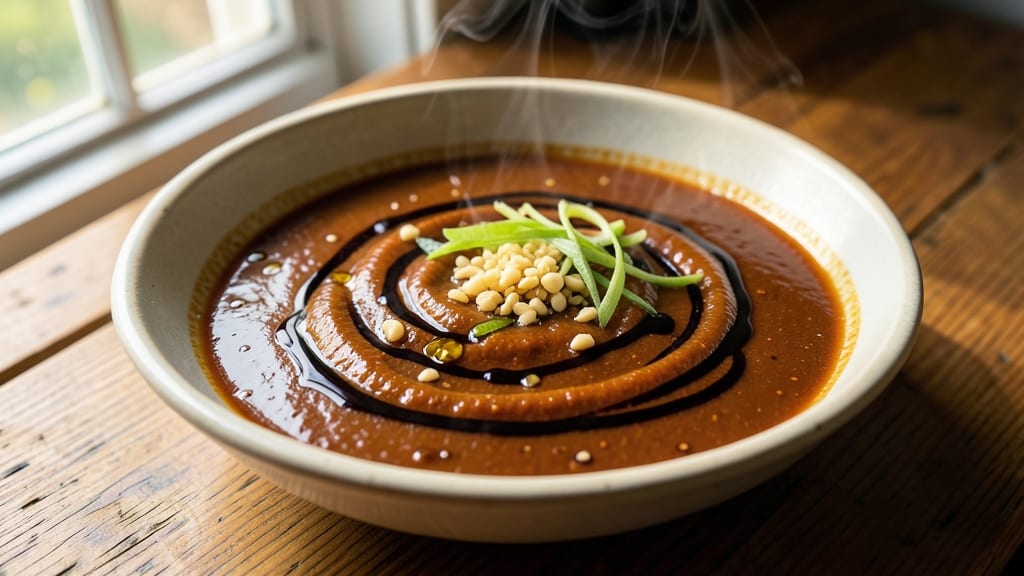
This hoisin stir fry sauce recipe transforms ordinary dishes into restaurant-quality meals with its signature sweet-savory umami depth. 🌟 The secret lies in balancing fermented soybean paste with aromatic garlic, vinegar, and just the right amount of sugar—creating a sauce that's both complex and approachable.
I've perfected this version to deliver that perfect balance between tangy, sweet, and savory notes that make every stir-fry unforgettable.
The beauty of this sauce is its versatility—it works as a marinade for meats, a dipping sauce for spring rolls, or the star of your stir-fry. Traditional preparation involves simmering the ingredients to meld flavors, then blending for a smooth, glossy finish.
What sets this recipe apart is the careful ratio of ingredients that ensures rich flavor without overpowering your dish.
By the time you're done, you'll have a vibrant, aromatic sauce that adds depth to any stir-fry, noodle dish, or grilled protein. The sauce keeps beautifully in the refrigerator for up to two weeks, making it perfect for meal prep.
Each spoonful delivers that perfect harmony of flavors that makes hoisin so beloved in Asian cuisine.
Whether you're cooking for a weeknight dinner or preparing for a weekend feast, this sauce will elevate your dishes to new heights. The process is straightforward, but the results are anything but basic—this is the kind of sauce that turns simple ingredients into something extraordinary.
Let's get started on creating your own batch.
Ingredients for stir fry sauce recipe hoisin
Eleven simple ingredients transform into the ultimate hoisin sauce—sweet, tangy, and packed with umami.
| Ingredient | Amount | Notes |
|---|---|---|
| Fermented Soybean Paste (Hoisin Paste) 🥫 | ½ cup | Store-bought or homemade |
| Garlic Cloves 🧄 | 4 cloves | Freshly minced for aroma |
| Fresh Ginger 🌿 | 1 tbsp | Grated, not powdered |
| Rice Vinegar 🍶 | ¼ cup | White or seasoned |
| Sesame Oil 🫒 | 1 tbsp | Toasted for nutty flavor |
| Dark Soy Sauce 🍶 | ¼ cup | For deep umami |
| Brown Sugar 🍯 | ¼ cup | Packed, not granulated |
| Honey 🍯 | 1 tbsp | For smooth sweetness |
| Red Chili Flakes 🌶️ | 1 tsp | Adjust for heat |
| Ground Black Pepper 🌶️ | ½ tsp | Freshly cracked |
| Sesame Seeds 🥜 | 1 tsp | Toasted for garnish |
The fermented soybean paste is the heart of this sauce—don’t skimp! Kikkoman or Lee Kum Kee are my go-tos, but any brand with bold flavor works. Fresh garlic and ginger are non-negotiable here; powdered just won’t cut it. For the vinegar, seasoned rice vinegar adds a subtle depth, but plain white works too. Toast your sesame oil in a dry pan for 30 seconds before adding—trust me, it makes all the difference. The brown sugar needs to be packed; don’t use granulated or you’ll end up with a runny sauce.
No hoisin paste? Mix 2 tbsp soy sauce + 1 tbsp molasses + 1 tsp vinegar as a quick swap. Fresh ginger too strong? Substitute 0.5 tsp ground ginger, but you’ll lose some of that bright zing. Running low on sesame oil? Avocado oil + 0.5 tsp toasted sesame seeds mimics the flavor. The red chili flakes can be omitted entirely if you’re sensitive to heat—just add a pinch of smoked paprika for depth. For a smoother texture, strain the sauce after blending, but I love the rustic bite of little bits of garlic and ginger.
This sauce keeps for 2 weeks in the fridge, sealed tightly in a jar. The flavors actually improve over time—let it sit for at least 24 hours before using for maximum depth. Portion into small containers if you’re making a big batch; it’s perfect for meal prep. Freeze for up to 3 months if you won’t use it soon. Pro tip: Stir before each use—those toasted sesame seeds sink like rocks!
Why You'll Love This Recipe
- Five-Ingredient Magic: I swear, this sauce comes together while you’re still debating whether to take the kids to the park or just order takeout. The hoisin paste does 80% of the work—just toss in minced garlic, a thumb of ginger, a splash of vinegar, and a drizzle of sesame oil. No fancy techniques, no waiting for reductions—just stir and go.
- Umami Bomb: That fermented soybean paste? It’s where the real flavor lives. Sweet, salty, and funky all at once, with garlic and ginger cutting through like a knife. Honestly, the first time I made this, I poured extra on my rice just to taste it straight—no shame.
- Weeknight to Dinner Party: Same sauce, endless uses. Drizzle it over quick stir-fries, toss it with noodles, or even use it as a dipping sauce for dumplings. I’ve served this at both my messy kitchen table and my in-laws’ holiday dinner, and no one ever asked for the recipe—because they just kept eating.
- Budget-Friendly Pantry Hero: Sesame oil and rice vinegar stretch miles, and hoisin paste lasts forever in the fridge. Between us, I’ve made this sauce for under $3 a batch, and it’s saved me from takeout more times than I can count. Plus, the leftovers? They taste just as good the third time around.
Step-by-step instructions for homemade hoisin stir fry sauce
This sauce is where all the magic happens—simple steps, bold flavors, and perfect balance every time.
🍳 Step 1: Bloom the Aromatics in Sesame Oil
Heat a small saucepan over medium-low heat and add the 1 tablespoon sesame oil. Once the oil shimmers gently, add the 4 cloves minced garlic cloves and 1 tablespoon freshly grated ginger. Cook for 30-45 seconds until the garlic turns golden and fragrant—this is where the sauce gets its aromatic foundation. Watch closely so the garlic doesn't burn; it should smell like a warm Asian street market.
Here's the thing—if you use pre-minced garlic, it'll burn before it fragrant. Freshly minced garlic releases its oils more gradually, so take the extra 30 seconds to prep it yourself. Once the aromatics are golden, remove the pan from heat immediately to preserve their flavor.
🥘 Step 2: Combine Wet Ingredients for Sweet-Savory Balance
Return the pan to medium heat and add the 0.5 cup fermented soybean paste (hoisin paste), stirring constantly to melt it into the oil. Once smooth, pour in the 0.25 cup rice vinegar and 0.25 cup dark soy sauce. Let this mixture simmer gently for 2 minutes until it begins to thicken slightly—you'll see it transform from a loose liquid to a glossy, syrupy consistency.
This is where the sauce starts to come together. The vinegar adds brightness, the dark soy sauce deepens the umami, and the hoisin paste ties everything together with its signature sweet-savory complexity. Stir frequently to prevent sticking, and don't walk away—the sauce can burn quickly at this stage.
🔥 Step 3: Sweeten and Season to Perfection
Add the 0.25 cup packed brown sugar, 1 tablespoon honey, 1 teaspoon red chili flakes, and 0.5 teaspoon ground black pepper to the pan. Stir vigorously for 1-2 minutes until the sugar dissolves completely and the sauce becomes glossy and thick. You're looking for a consistency that coats the back of a spoon but still flows smoothly.
Taste and adjust the balance here—need more heat? Add a pinch more chili flakes. Want it sweeter? A splash of honey. The goal is that perfect harmony of sweet, salty, umami, and just a hint of spicy kick. This sauce should be vibrant, not cloying, and packed with layered flavors that make every bite exciting.
⏰ Step 4: Toast the Garnish and Finish
While the sauce simmers, dry-toast the 1 teaspoon sesame seeds in a small dry skillet over low heat for 1-2 minutes until they turn golden and release their nutty aroma. Remove immediately so they don't burn. Once your sauce reaches that perfect consistency, pour it into a bowl and let it cool slightly—it'll thicken further as it rests.
Just before serving, sprinkle the toasted sesame seeds on top. These seeds add texture and a final nutty punch that elevates the sauce from good to extraordinary. The contrast between the smooth, glossy sauce and the crunchy seeds is what makes this sauce so irresistible. Store any leftovers in an airtight container in the refrigerator for up to 1 week—it only gets better with time!
Pro Tips For Making Stir Fry Sauce Recipe Hoisin
- Bloom the Ginger: Toss the sliced ginger in the hot wok for 10 seconds before adding garlic—it softens faster and releases aroma without burning. I learned this the hard way when my batch tasted like charred regret.
- Low and Slow for Paste: Simmer the hoisin paste on medium-low heat for 2-3 minutes after adding it, stirring constantly. High heat makes it split or turn grainy—like trying to fix lumpy mashed potatoes after the fact.
- Vinegar Last, Always: Add rice vinegar after everything else is cooked, or it’ll cook off and leave your sauce flat. A splash at the end keeps the tang bright—like the difference between a dull snap and a crisp crackle.
- Toast the Garlic Right: Mince garlic thin (almost like paste) so it cooks through without turning bitter. If it’s chunky, it’ll burn before softening—like overcooked onions, but worse.
Make-ahead tips for this recipe
Prep Ahead Sauce
Make this hoisin sauce 2-3 days in advance—the flavors deepen as it sits, becoming richer and more complex. Store it in a clean, airtight glass jar in the refrigerator.
I like to portion it into small containers so I can grab just what I need for a stir-fry or marinade without transferring the whole batch. 💫
Freezer-Friendly
For long-term storage, freeze the sauce in ice cube trays or small silicone molds. Once frozen, transfer the cubes to a freezer bag with 1 inch of headspace to prevent freezer burn.
Thaw overnight in the fridge before using—this prevents any texture changes from rapid temperature shifts. Perfect for meal prep!
Meal Prep Hack
Double the recipe and store half in the freezer while keeping the other half refrigerated. This way, you always have fresh sauce on hand for quick weeknight stir-fries.
I keep a permanent batch in my fridge—it’s my go-to for 5-6 meals before I make a fresh batch. Label your containers with the date to track freshness.
Reheating Tips
When reheating, place the sauce in a small saucepan over low heat and add 1 tablespoon water to restore its glossy texture. Stir constantly for 2-3 minutes until warmed through—never microwave, as it can make the sauce grainy.
If the sauce thickens too much, thin it with a splash of water or rice vinegar.
Garnish Prep
Toast your sesame seeds in advance and store them in a small jar at room temperature. This saves time during cooking and ensures they’re always ready to add that final nutty crunch.
I keep a separate jar of toasted seeds in my pantry—just sprinkle them on top whenever I need that extra texture boost. ✨
Sauce Pairings
Prep extra sauce to use as a marinade for chicken, pork, or tofu—just coat and let sit for 30 minutes before cooking. The sauce also makes an incredible dipping sauce for spring rolls, dumplings, or grilled meats.
Keep a small jar in your fridge for spontaneous snacking or quick meals.
Nutrition facts
Frequently asked questions
Can I make this hoisin sauce without fermented soybean paste?
Yes, but the flavor will be less authentic. For a quick substitute, blend 2 tablespoons soy sauce with 1 tablespoon molasses and 1 teaspoon rice vinegar to mimic the sweet-savory depth. For a closer match, reduce the sugar slightly since store-bought substitutes often lack fermented complexity. The texture will be thinner, so simmer longer to thicken.
How can I adjust the heat level in this sauce?
Start with the 1 teaspoon red chili flakes called for, then adjust to taste. For mild heat, reduce to 0.5 teaspoon or replace with 0.25 teaspoon smoked paprika. Want more kick? Add 0.5 teaspoon gochugaru (Korean chili flakes) or a dash of sriracha. Always taste before serving—hoisin sauce should enhance, not overpower, your dish.
What's the best way to use leftover hoisin sauce?
This versatile sauce works as a marinade (coat proteins for 30 minutes before cooking), dipping sauce (perfect with spring rolls or dumplings), or stir-fry glaze (add 1 tablespoon water to thin). For extra richness, mix with 1 teaspoon honey and brush onto grilled meats. Store leftovers in an airtight container for up to 2 weeks—flavors intensify over time!
Why did my hoisin sauce turn out too thin?
This usually happens when using granulated sugar instead of packed brown sugar or if the sauce wasn't simmered long enough. Fix it by returning the sauce to low heat and simmering 3-5 minutes longer, stirring constantly. For instant thickening, mix 1 teaspoon cornstarch with 1 tablespoon water, stir into the sauce, and cook until it reaches a glossy consistency.
Can I make this sauce gluten-free?
Yes! Replace the fermented soybean paste with 0.5 cup gluten-free tamari and add 1 tablespoon coconut aminos for depth. Use gluten-free dark soy sauce if available, and check that your red chili flakes and sesame oil are certified gluten-free. The texture will be slightly thinner, so simmer longer to achieve the same consistency.