
Sauces & Condiments
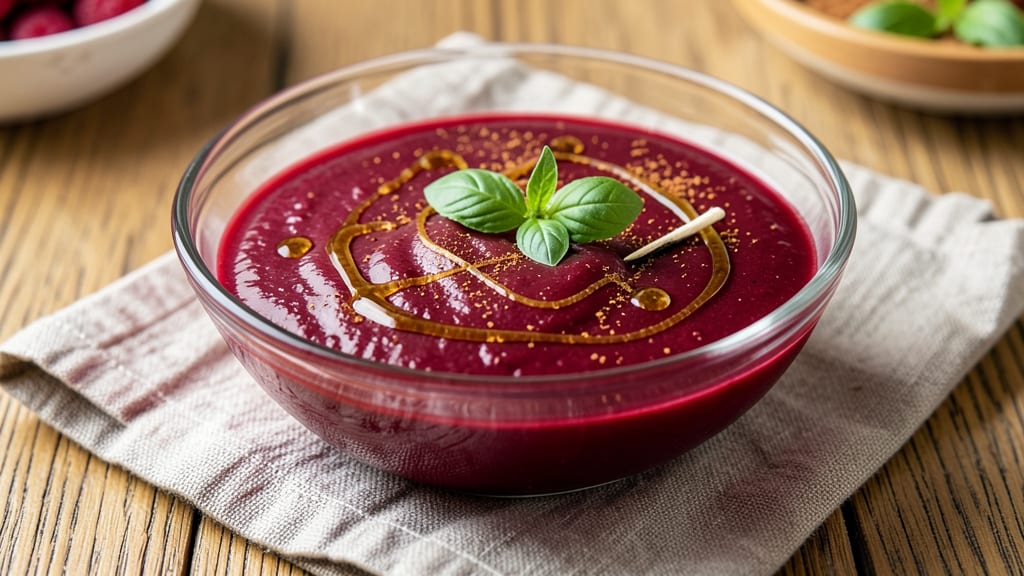
This seedless raspberry sauce transforms fresh berries into a silky, vibrant spread perfect for desserts, drizzling, or dipping. The secret lies in blending and straining—no seeds, just pure fruit intensity that balances sweet-tart perfection. I developed this recipe after struggling to find store-bought versions without artificial additives or lingering seeds.
Start with ripe raspberries (about 2 cups) and simmer them gently with a touch of sugar to enhance natural sweetness. The sauce thickens beautifully as it reduces, creating a velvety texture that coats every spoonful.
For extra brightness, a squeeze of lemon juice at the end cuts through the richness while preserving the fruit's signature tang.
What you’ll end up with is a smooth, seedless raspberry sauce that’s versatile enough for cheese boards, pancakes, or even as a glaze for roasted meats. It keeps well in the fridge for up to 10 days, making it ideal for meal prep.
The process is straightforward—no fancy equipment needed, just patience for the perfect balance of flavors.
Optional enhancements like vanilla or a pinch of cinnamon can elevate the sauce further, but the base recipe relies solely on the raspberries’ natural goodness. This is the kind of sauce that turns simple desserts into showstoppers—without the fuss. Ready to make it?
Ingredients for seedless raspberry sauce
Eight simple ingredients create this velvety, seedless raspberry sauce ideal for desserts and dips.
| Ingredient | Amount | Notes |
|---|---|---|
| Fresh Raspberries 🍓 | 2 cups | Fully ripe, stems removed |
| Granulated Sugar 🍚 | ¼ cup | Adjust to tartness preference |
| Lemon Juice 🍋 | 1 tbsp | Freshly squeezed, seedless |
| Extra-Virgin Olive Oil 🫒 | 1 tbsp | Light fruity variety preferred |
| Pure Vanilla Extract 🌿 | ½ tsp | Optional for depth of flavor |
| Ground Cinnamon 🌶️ | ¼ tsp | Optional finishing touch |
| Filtered Water 💧 | ¼ cup | For thinning if needed |
| Unsweetened Applesauce 🍎 | ½ cup | For natural thickening |
The quality of raspberries is non-negotiable here—locally sourced or organic berries yield the most vibrant flavor. Trader Joe's and Whole Foods consistently carry ripe, flavorful varieties during peak season. For best results, select berries that are fully ripe (deep red) but not mushy. If using frozen raspberries, thaw them completely first and drain any excess liquid. The sugar should be fine granulated for even dissolution during simmering, and Diamond Crystal kosher salt is ideal for balancing sweetness if needed.
No fresh raspberries? Frozen raspberries work perfectly—just ensure they're fully thawed before blending. The lemon juice can be substituted with bottled lemon juice, though fresh provides brighter acidity. For a sugar-free version, omit the granulated sugar entirely and rely on the natural sweetness of the berries. The vanilla extract and cinnamon are optional but recommended for depth—Nestlé Pure Vanilla or McCormick ground cinnamon are reliable choices. If the sauce thickens too much, add filtered water in small increments. For extra richness, replace half the olive oil with vegan butter during the simmering stage.
This sauce maintains its velvety texture for up to 10 days when refrigerated in an airtight container. For longer storage, transfer to a sterile glass jar and freeze for up to 6 months. The sauce thickens further when chilled, so thin with a splash of water if needed before serving. To prevent skin formation, press a sheet of parchment paper directly onto the sauce surface before sealing. The sauce pairs beautifully with vegan cheese boards, as a glaze for roasted vegetables, or as a drizzle over pancakes and waffles.
Why You'll Love This Recipe
- I’ll be real: picking seeds out of raspberries is a chore. This recipe skips that mess entirely—just crush, simmer, and enjoy that jammy, velvety texture without the fuss. The olive oil and vanilla actually make the seeds less noticeable, so you get all the flavor, none of the work.
- No-Seed Struggle: I’ll be real: picking seeds out of raspberries is a chore. This recipe skips that mess entirely—just crush, simmer, and enjoy that jammy, velvety texture without the fuss. The olive oil and vanilla actually make the seeds less noticeable, so you get all the flavor, none of the work.
- Sweet-Tart Magic: That balance of bright lemon juice and just enough sugar? It’s ridiculously good—like a fancy dessert but with none of the pretension. The vanilla rounds out the tartness so it’s smooth, not sharp, and the olive oil adds this unexpected depth that makes it taste homemade, not store-bought.
- Pantry Stash Hero: I keep a jar of this in my fridge for everything—drizzled over vanilla ice cream, stirred into yogurt, or tossed with whipped cream for a quick dessert. It’s also my go-to for breakfast: spooned over pancakes or mixed into oatmeal for a burst of summer flavor. (Yes, even on a Tuesday morning.)
Step-by-step instructions for seedless raspberry sauce
Transform ripe raspberries into a silky, seedless sauce with perfect balance using these precise techniques.
Prepare and Cook the Raspberry Base
In a medium saucepan, combine the 2 cups fresh raspberries, 0.25 cup granulated sugar, and 1 tablespoon lemon juice. Bring the mixture to a gentle boil over medium-high heat, stirring occasionally to prevent scorching. Let it simmer for 5-7 minutes until the raspberries break down and release their juices.
You'll notice the sauce thicken slightly as the natural pectin in the raspberries activates. The lemon juice helps balance the tartness while preventing the sugar from crystallizing. Keep a close eye on the pan—raspberries can burn quickly if left unattended.
Incorporate Thickening Agents
Reduce the heat to medium-low and stir in the 0.5 cup unsweetened applesauce and 1 tablespoon extra-virgin olive oil. The applesauce acts as a natural thickener while adding subtle sweetness, and the olive oil enriches the texture without overpowering the raspberry flavor.
Simmer the mixture for an additional 4-5 minutes, stirring frequently, until it reaches a smooth, jam-like consistency. If the sauce becomes too thick before reaching this point, add the 0.25 cup filtered water 1 tablespoon at a time until you achieve the desired texture.
Finish with Aromatics and Strain
Remove the saucepan from heat and stir in the 0.5 teaspoon pure vanilla extract and 0.25 teaspoon ground cinnamon. Let the mixture steep for 2-3 minutes to allow the flavors to meld together. The vanilla adds depth, while the cinnamon enhances the warm, fruity notes.
For a completely seedless sauce, transfer the mixture to a fine-mesh strainer lined with cheesecloth. Press gently with a silicone spatula to extract every last bit of juice, leaving behind the seeds and skins. If you prefer a slightly textured sauce, skip this step and proceed with the mixture as-is.
Adjust Consistency and Serve
Return the strained sauce to the saucepan (if strained) and heat gently over low heat for 1-2 minutes to warm through. Taste and adjust the sweetness or tartness by adding a pinch more sugar or lemon juice as needed. The sauce should coat the back of a spoon but remain pourable.
Let the sauce cool to room temperature before serving. It will thicken slightly as it cools, so adjust consistency again if necessary. This versatile sauce pairs beautifully with cheese platters, yogurt parfaits, or as a glaze for roasted meats. Store any leftovers in an airtight container in the refrigerator for up to 5 days.
Pro Tips For Making Seedless Raspberry Sauce
- Strain Twice, Slowly: Use a fine-mesh sieve, then press the pulp with a spoon—don’t rush it. The first pass catches big seeds, but lingering for 10 seconds with gentle pressure pulls out the tiny ones hiding in the juice. (Yes, even if your hands get sticky.)
- Use Cold Berries: Toss raspberries in ice water for 10 minutes before cooking—this prevents them from turning mushy and makes straining easier. I learned this the hard way after making a sauce that looked more like raspberry pudding.
- Balance Sugar Gradually: Add sugar in two batches: start with half the recipe’s amount, simmer until thickened, then taste. The second addition should be no more than 10% of the first—raspberries vary wildly in tartness, and you’ll avoid a cloying mess.
- Infuse the Oil First: Heat 1 tablespoon of olive oil with a pinch of sugar and ½ teaspoon vanilla in a small saucepan for 2 minutes—just until fragrant. This creates a richer base flavor without overpowering the sauce. (Your future self will notice the difference.)
Wine and beer pairings for this seedless raspberry sauce
White Wine Pairings
For a bright, crisp contrast, I reach for Sauvignon Blanc—its zesty citrus notes mirror the sauce’s tanginess while cleansing the palate. A New Zealand Sauvignon Blanc like Oyster Bay or a French Sancerre from the Loire Valley elevates the dish with their herbal undertones.
The acidity in these wines cuts through the sauce’s sweetness, creating a refreshing balance. 🍷
Rosé Wine Complements
Dry rosé is my go-to for this sauce, especially a Provençal rosé like Whispering Angel or Château d’Esclans. The delicate raspberry and strawberry notes in the wine harmonize beautifully with the sauce, while its crisp finish prevents the meal from feeling too heavy.
Opt for a dry rosé with 0.5% residual sugar or less to avoid clashing with the sauce’s natural sweetness.
Sparkling Wine Options
For a celebratory touch, Prosecco or Cava adds effervescence that brightens the sauce’s richness. A Veneto Prosecco like La Marca or a Spanish Cava from Freixenet provides a light, fruity contrast. The bubbles help reset your palate between bites, making it ideal for cheese boards or dessert pairings.
Beer Pairings
A Belgian witbier like Hoegaarden or Stella Artois offers a crisp, citrusy match that complements the sauce’s tartness. For a bolder option, try a dry Riesling beer such as Ayinger Altbairisch, which balances the sweetness with its mineral notes. Avoid heavy stouts or lagers—they’ll overpower the delicate raspberry flavors.
Non-Alcoholic Pairings
For a refreshing non-alcoholic option, I love sparkling raspberry lemonade—mix 1 cup sparkling water, 2 tbsp raspberry syrup, and 1 tbsp lemon juice. The effervescence mimics wine’s cleansing effect, while the fruit notes enhance the sauce’s flavors.
A ginger-infused iced tea also works beautifully, adding a spicy kick that contrasts the sauce’s sweetness.
Nutrition facts
Frequently asked questions
Can I make this seedless raspberry sauce with frozen raspberries?
Use 2 cups of thawed frozen raspberries—just drain any excess liquid first. Frozen berries work perfectly, but avoid partially thawed ones since they release more moisture. For extra flavor, add 1 extra teaspoon of lemon juice to compensate for their slightly duller taste.
Why does my sauce have a strong raspberry seed taste even after straining?
This happens when seeds rupture during cooking. To prevent it, simmer the raspberries at low heat for 5-7 minutes before straining, and press the cheesecloth gently but firmly. For a smoother result, blend the cooked raspberries first, then strain through a fine-mesh sieve.
How can I make this sauce thicker or thinner?
For a thicker texture, simmer uncovered for 2-3 extra minutes> or stir in 1 tablespoon of cornstarch mixed with 1 tbsp water. To thin, add filtered water or apple juice 1 tablespoon at a time. The sauce naturally thickens when chilled, so adjust before serving.
What are the best ways to use this sauce beyond desserts?
Try it as a glaze for roasted chicken or pork tenderloin, a drizzle over creamy goat cheese, or a tangy dip for veggie platters. For a savory twist, reduce the sugar to 0.125 cup and add 1 tsp balsamic vinegar. It also brightens up yogurt bowls or savory oatmeal with a spoonful!
Can I substitute applesauce with another thickener?
Yes! Swap the 0.5 cup applesauce with 1 tbsp chia seeds soaked in 3 tbsp water> or 1 tbsp tapioca starch. For a fruit-only option, blend 0.5 cup cooked mashed banana> (adds sweetness) or 0.25 cup pomegranate seeds> (for tartness contrast). Test consistency after simmering.