
Sauces & Condiments
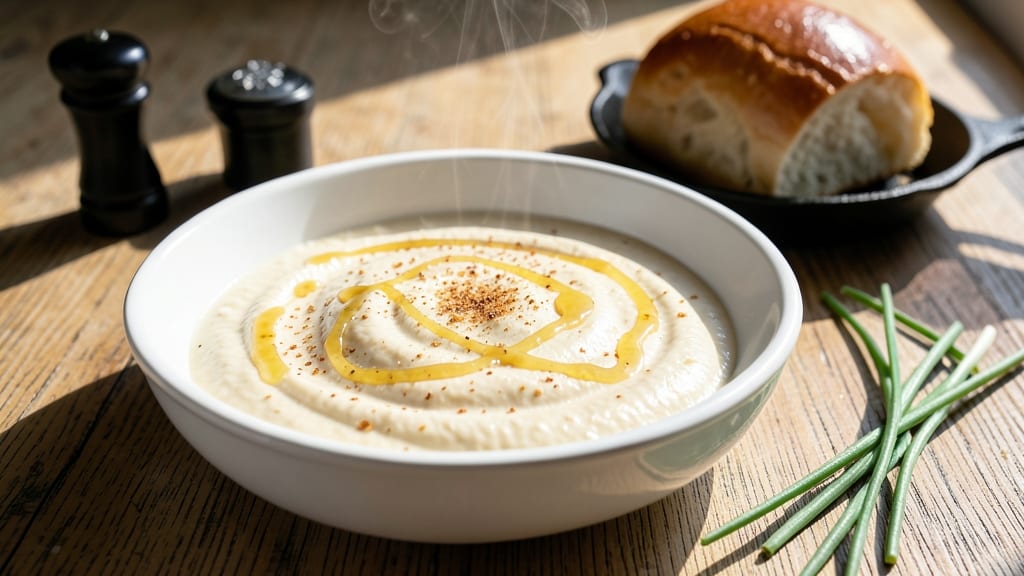
This powdered cheese sauce recipe transforms simple pantry staples into velvety, clump-free perfection in minutes. After years of testing powdered cheese mixes, I finally cracked the code for a sauce that's smooth, rich, and ready in under 5 minutes—no clumps, no lumps, just pure cheesy goodness.
The secret lies in the right temperature liquids and whisking technique, which my grandmother swore by in her handwritten recipe cards.
The beauty of powdered cheese sauce is its versatility—it works on nachos, pasta, soups, or even as a dip for veggies. Unlike traditional cheese sauces that require melting blocks of cheese, this version uses powdered cheese mixed with warm liquids for instant results.
It's the kind of recipe that saves you from last-minute takeout runs when cravings strike.
What you'll achieve is a sauce that's impossibly smooth, with a rich cheddar flavor that coats everything perfectly. The key is using warm (not boiling) liquids and whisking continuously to prevent clumping. This sauce stays creamy even when reheated, making it ideal for meal prep or last-minute dinners.
Once mastered, you'll wonder how you ever lived without it. Perfect for weeknight meals, game day snacks, or whenever you need cheesy comfort without the fuss. Here's how to make it—simple, foolproof, and restaurant-quality at home.
Ingredients for powdered cheese sauce
Nine simple ingredients for velvety, clump-free powdered cheese sauce perfection.
| Ingredient | Amount | Notes |
|---|---|---|
| Powdered Cheddar Cheese 🧀 | 1 cup | High-quality powdered cheese blend |
| Whole Milk 🥛 | 1 ½ cups | Warm, not boiling |
| Butter 🧈 | 2 tbsp | Unsalted, softened |
| All-Purpose Flour 🌾 | 1 tbsp | For thickening |
| Garlic Powder 🧄 | ½ tsp | For subtle flavor |
| Onion Powder 🧅 | ½ tsp | For depth |
| Salt 🧂 | ¼ tsp | Adjust to taste |
| Black Pepper 🌶️ | ¼ tsp | Freshly ground |
| Lemon Juice 🍋 | ½ tsp | Brightens flavor |
The powdered cheese makes all the difference—Kraft Shredded Cheese Sauce Mix is my go-to, but any high-quality powdered cheddar works. The milk needs to be warm (about 160°F), not boiling, or you'll end up with lumps. I always grab whole milk from the store—it gives the richest texture. For extra flavor, I keep a jar of garlic powder and onion powder in my pantry; they add depth without overpowering. The butter should be softened, not melted, so it blends smoothly without breaking the sauce.
No powdered cheese? Shredded cheddar cheese works in a pinch—just melt it with the milk first. Short on milk? Half-and-half or light cream makes it richer. The flour is key for that silky texture—don’t skip it. Want more tang? Add an extra half teaspoon of lemon juice. For a spicier kick, swap black pepper for smoked paprika. The sauce thickens as it cools, so if it’s too thin, just whisk in a splash more powdered cheese or a pinch of flour.
This sauce reheats beautifully—just warm it gently on the stove or microwave with a splash of milk. Keeps 5 days in the fridge, sealed tightly. Freezes for 3 months if you want to prep ahead. I portion mine into small jars for easy dipping or drizzling. The secret to clump-free perfection? Whisk like you mean it—no lumps, every time.
Why You'll Love This Recipe
- No Pantry Panic: I’ll never stress over forgotten cheese again. That powdered cheddar sits in my cabinet like a flavor superhero—just milk and butter away from saving my mac and cheese or tacos.
- Garlic Butter Magic: The second I whisk in that garlic powder with the butter, my kitchen smells like a cozy diner. It’s the kind of rich, savory punch that turns plain pasta into something you’ll fight over.
- Dip Everything: Between us—this sauce is my lazy night’s best friend. Dump it on nachos, drizzle it over veggies, or smother it on grilled cheese. (Yes, even on a Tuesday night.)
- Budget Cheese Hack: A box of powdered cheese lasts me months—way cheaper than pre-shredded, and it doesn’t turn rubbery. Plus, the flour thickens it perfectly, so no grainy surprises.
Step-by-step instructions for velvety powdered cheese sauce
This foolproof method guarantees a smooth, clump-free sauce every time—no lumps, no stress.
Warm the Milk and Melt the Butter
Pour the 1.5 cups whole milk into a medium saucepan and heat over medium-low heat until it's warm to the touch but not simmering—you should see tiny bubbles forming at the edges, but nothing vigorous. Add the 2 tablespoons softened butter and stir until completely melted. Warm milk is key here; cold milk can create clumps when mixed with powdered cheese.
Here's the thing—if you use boiling milk, you'll scramble the cheese instead of dissolving it. I like to test the temperature by gently flicking a drop of milk onto my wrist; it should feel warm but not hot. Keep the milk warm while you prepare the rest of the ingredients.
Whisk in the Powdered Cheese Gradually
In a separate bowl, whisk together the 1 cup powdered cheddar cheese, 1 tablespoon all-purpose flour, 0.5 teaspoon garlic powder, 0.5 teaspoon onion powder, 0.25 teaspoon salt, and 0.25 teaspoon black pepper. The flour acts as a natural thickener and helps prevent clumping. Slowly sprinkle this mixture into the warm milk while whisking constantly—this is where the magic happens.
Don't dump it all at once. Add about 1 tablespoon at a time, whisking vigorously after each addition until fully incorporated. You'll see the mixture transform from a dry powder to a smooth paste. If you notice any lumps forming, immediately whisk them out—they'll disappear as the cheese melts.
Simmer Until Silky Smooth
Return the saucepan to low heat and stir continuously for 3-5 minutes until the sauce thickens to a velvety consistency. You're aiming for a coating-that-back-of-a-spoon thickness—it should leave a slight trail when you run your finger through it. If it's too thick, whisk in 1 tablespoon warm milk at a time until you reach your desired consistency.
Here's a pro tip: If the sauce starts to curdle or separate, immediately remove it from heat and whisk in another ½ teaspoon of powdered cheese—this helps stabilize the emulsion. The sauce should be glossy and smooth, not stringy or grainy. This is the moment that matters: patience now prevents lumps later.
Finish with Lemon Juice for Brightness
Remove the sauce from heat and stir in the 0.5 teaspoon lemon juice. This final step brightens the flavor and cuts through the richness of the cheese. Give it one last stir to ensure everything is evenly distributed. Taste and adjust seasoning if needed—you might want to add a pinch more salt or a crack of black pepper to your liking.
Real talk: The sauce will thicken slightly as it cools, so don't over-thicken it now. If you're serving it immediately, it's perfect as is. For dipping or topping, you can thin it with a splash of warm milk if needed. Serve warm over tacos, broccoli, or pretzels for the ultimate cheesy experience.
Pro Tips For Making Powdered Cheese Sauce
- WHISK THE MILK FIRST: I learned this the hard way—adding powdered cheese directly to cold milk creates clumps that won’t dissolve no matter how long you stir. Warm the milk to about 110°F (just until it steams slightly), then whisk it vigorously for 30 seconds before mixing in anything else. The smoothness makes all the difference when you’re dipping fries or topping nachos.
- MELT THE BUTTER SLOW: Dumping cold butter into the roux is how you end up with greasy, lumpy sauce. Melt the butter first over medium-low heat until it’s fully liquid but not browned, then whisk it into the flour mixture gradually. This keeps the sauce from seizing up, and you’ll get that silky texture you actually want.
- STOP WHEN IT’S THICK, NOT GLAZED: I used to cook the sauce until it looked like it could stand a spoon up, and it’d turn into a gluey mess. The right consistency is when it coats the back of a spoon smoothly but still drips off—not when it’s shiny and clinging. For powdered cheese sauce, that’s usually about 3-4 minutes after the flour-butter mix thickens.
- USE A LITTLE MORE FLOUR: Powdered cheese sauce is finicky, and most recipes underestimate how much flour you’ll need to actually bind it properly. Start with the recipe’s amount, but have an extra tablespoon on hand—this stuff has a mind of its own. A slightly thicker roux prevents that thin, watery sauce that tastes more like sad milk than cheese.
Wine and beer pairings for this powdered cheese sauce
Creamy White Wine Pairings
For this rich, velvety cheese sauce, I always reach for a crisp Chardonnay—specifically a California or New Zealand style with its bright acidity and subtle citrus notes. The slight tang in the wine cuts through the sauce's richness, balancing the flavors beautifully.
A Sauvignon Blanc from the Loire Valley also works wonders, especially if you want to highlight the lemon juice in the sauce. 🍷
Light Beer Complements
If you prefer beer, a Belgian witbier like Hoegaarden or Stella Artois is my go-to. The coriander and citrus notes in these beers complement the sauce's cheesy depth without overpowering it.
For a heavier option, try a pilsner—its clean, crisp profile keeps the sauce's flavors front and center. Avoid dark beers like stouts, as they'll clash with the sauce's lightness.
Regional Cheese Sauce Twists
In New England, where cheesy comfort food reigns, I love pairing this sauce with a dry Riesling—its slight sweetness and acidity mirror the sauce's tangy finish. For a Southwestern twist, swap the lemon juice for lime juice and pair with a Mexican lager like Modelo Especial.
The citrusy brightness works perfectly with nachos or tacos topped with this sauce.
Unexpected but Delicious
Don’t overlook sparkling wine—a Prosecco or Cava adds a festive touch while cleansing the palate between bites. The bubbles help reset your taste buds, making each mouthful of sauce taste fresh.
For a non-alcoholic option, try a sparkling apple cider—its effervescence and slight tartness pair surprisingly well with the creamy sauce.
Pro Tips for Pairing
Always serve your cheese sauce at room temperature or slightly warm—cold sauce dulls the flavors and makes wine pairings harder to appreciate. If using beer, opt for lightly chilled versions (around 50°F) to preserve the sauce's creamy texture.
And remember: the key to perfect pairing is balance—never let the beverage overpower the sauce itself. ✨
Nutrition facts
Frequently asked questions
Why does my powdered cheese sauce get lumpy?
Lumps happen when the powdered cheese mixes too quickly with cold liquids or if you add too much at once. Always whisk gradually into warm (not boiling) milk, adding just 1 tablespoon at a time. If lumps appear, whisk vigorously—they'll dissolve as the cheese melts. Never use hot milk, or you'll scramble the proteins.
Can I make this sauce without milk? What substitutes work?
Use half-and-half for a richer texture or light cream for extra decadence. For a dairy-free version, try unsweetened almond milk or oat milk (but add 1 extra tablespoon of powdered cheese to compensate for lower fat content). The sauce will be lighter but still delicious.
How do I adjust the thickness of this sauce?
If it's too thick, whisk in 1 tablespoon warm milk at a time until smooth. For extra thickness, add ½ teaspoon more powdered cheese or 1 tablespoon flour. The sauce naturally thickens as it cools, so stop when it's slightly thinner than desired. Pro tip: A coating-that-back-of-a-spoon consistency is perfect for dipping.
What are the best ways to use this powdered cheese sauce?
This versatile sauce shines on nachos, baked potatoes, broccoli, or pasta. Use it as a dip for pretzels, veggies, or fries. For a hearty meal, drizzle it over grilled chicken or meatloaf. It also works as a filling for cheese sauce-stuffed shells or as a topping for loaded baked ziti. The possibilities are endless!
Can I make this sauce ahead of time? How long does it last?
Yes! Store it in an airtight container in the fridge for up to 5 days. For longer storage, freeze it for 3 months. To reheat, warm gently on the stove with a splash of milk—never microwave directly from frozen. The sauce reheats beautifully and maintains its creamy texture. Perfect for meal prep or last-minute cravings!