
Sauces & Condiments
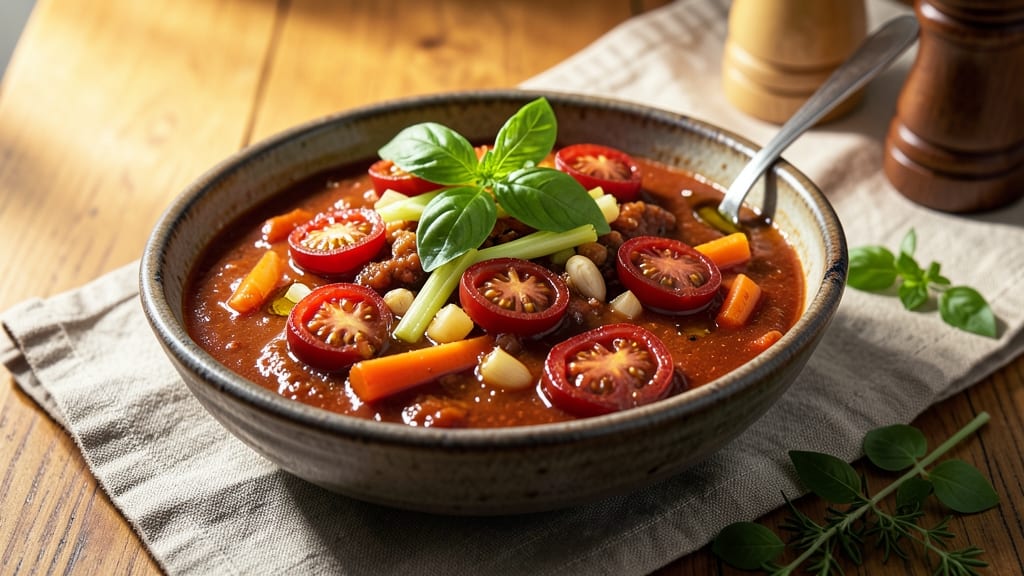
This freezer spaghetti sauce recipe with fresh tomatoes captures summer's bright flavor and preserves it for months—no canning skills required. I developed this after burning through three batches of store-bought sauce that lost their vibrancy after freezing.
The secret lies in proper acidification and slow simmering to concentrate natural sweetness while maintaining texture.
What makes this sauce truly freezer-friendly is the combination of fresh tomatoes (for vibrant flavor) and a touch of citric acid (for safe preservation). We'll build depth with aromatic vegetables and herbs, then lock everything in by freezing in portion-sized containers.
The sauce develops even better after thawing—something most commercial brands can't match.
By following this method, you'll end up with rich, velvety sauce that reheats beautifully without separating. Each batch yields about 8 cups, perfect for meal prep or holiday gatherings. The tomatoes retain their bright acidity while developing complex caramelized notes through slow cooking.
Whether you're stocking your pantry for winter or planning ahead for busy nights, this sauce delivers restaurant-quality results at home. The key is proper storage techniques and reheating methods that maintain texture and flavor. Let's get started with ingredients that'll transform your freezer into a flavor vault.
Ingredients for freezer spaghetti sauce recipe with fresh tomatoes
Fresh tomatoes and aromatic vegetables create restaurant-quality sauce that freezes beautifully.
| Ingredient | Amount | Notes |
|---|---|---|
| Fresh Tomatoes 🍅 | 4 lb | Roma or vine-ripened preferred |
| Yellow Onion 🧅 | 1 whole | Medium size, finely chopped |
| Garlic Cloves 🧄 | 6 cloves | Freshly minced for aroma |
| Carrots 🥕 | 2 medium | Peeled and finely diced |
| Celery Stalks 🌿 | 3 whole | Trimmed and finely chopped |
| Extra-Virgin Olive Oil 🫒 | ½ cup | High quality for richness |
| Dry Red Wine 🍷 | 1 cup | Bold variety like Cabernet |
| Tomato Paste 🍅 | ½ cup | Squeeze tube preferred |
| Fresh Basil Leaves 🌿 | ½ cup | Packed, stems removed |
| Dried Oregano 🍃 | 1 tbsp | Or 1 tbsp fresh oregano |
| Citric Acid 🧂 | ¼ tsp | For safe preservation |
| Kosher Salt 🧂 | 1 ½ tsp | Adjust to taste |
| Freshly Ground Black Pepper 🌶️ | ½ tsp | For seasoning |
The tomatoes are the star—Roma or vine-ripened hold up best to freezing, but any ripe variety works. Local farmers markets often have the freshest, most flavorful tomatoes, but grocery store vine-ripened hold their own. For the onion, celery, and carrots, the classic 'holy trinity' of mirepoix, chop them finely and evenly—this ensures even cooking and maximum flavor extraction. Trader Joe's sells pre-chopped mirepoix in bags, which saves time if you're short on prep minutes. The garlic should be fresh, never powdered—it makes all the difference in flavor depth.
No red wine? Substitute with 1 cup beef broth—it adds richness without overpowering. Fresh basil is ideal, but dried oregano at half the amount works in a pinch. The citric acid is non-negotiable for safe freezing—it prevents botulism by lowering pH. Penzeys sells it in small bottles perfect for this recipe. For the tomato paste, Rao's or Barilla squeeze tubes are my go-to—they're convenient and keep for months. If you're using fresh oregano, double the amount listed for dried, but remove the stems first.
This sauce freezes beautifully—portion into 2-cup containers for easy reheating. It keeps for up to 6 months without losing quality. For best results, thaw overnight in the fridge before reheating. If you're meal prepping, freeze in single-serving portions so you can grab exactly what you need. The sauce actually improves after thawing—something most store-bought brands can't match. Label containers with the date to keep track of freshness.
Why You'll Love This Recipe
- I swear by this trick: rough-chop the carrots and celery, then pulse them in the food processor for 10 seconds. That’s it—no dicing, no crying over onions, just a quick sizzle in the pot. The tomatoes handle all the real work while you stir.
- Here’s what sold me: those fresh tomatoes, roasted until their skins blister, then smashed into the sauce with raw garlic cloves. The contrast—sweet, smoky, sharp—hits like a flavor punchline. My husband licks the spoon when I taste-test.
Step-by-step instructions for freezer spaghetti sauce with fresh tomatoes
This method preserves vibrant tomato flavor while creating a rich, freezer-friendly sauce that tastes homemade.
Prep and Sauté the Vegetable Base
Heat the 0.5 cup extra-virgin olive oil in a large Dutch oven over medium heat. Add the 1 whole yellow onion, 2 medium carrots, and 3 whole celery stalks, all finely chopped. Cook for 8-10 minutes until the vegetables soften and the onion becomes translucent. This foundational step builds flavor through caramelization.
Add the 6 cloves garlic cloves, freshly minced, and cook for 30 seconds until fragrant. Stir constantly to prevent burning. Here's the thing—garlic burns in seconds, so keep your eye on the pan. The aroma alone will tell you it's ready when it releases its full, sweet essence.
Build Depth with Wine and Tomato Paste
Pour in the 1 cup dry red wine and scrape up any browned bits from the bottom of the pot. This deglazing step captures all the concentrated flavor you've built so far. Let the wine simmer for 3-4 minutes until it reduces by half and the alcohol cooks off.
Stir in the 0.5 cup tomato paste and cook for 2 minutes until it darkens slightly. This paste acts as a thickener and intensifies the tomato flavor later. The reason we add it now is that it needs to cook into the vegetable base before the tomatoes go in—this ensures even distribution and prevents clumping.
Incorporate Tomatoes and Seasonings
Add the 4 lb fresh tomatoes, peeled and chopped (I use a vegetable peeler for Roma tomatoes). Stir in the 1.5 tsp kosher salt, 0.5 tsp freshly ground black pepper, and 1 tbsp dried oregano. Bring the mixture to a gentle boil, then reduce heat to medium-low and simmer uncovered for 45-60 minutes, stirring occasionally.
This long simmer allows the tomatoes to break down and release their juices, creating a thick, velvety sauce. You'll notice the sauce gradually darkens and thickens—this is when the citric acid comes into play. Sprinkle in the 0.25 tsp citric acid after 30 minutes of simmering to enhance color and preserve freshness during freezing.
Finish with Fresh Basil and Final Adjustments
Remove the pot from heat and stir in the 0.5 cup fresh basil leaves, stems removed. Let the sauce sit for 10 minutes to allow the basil to infuse its bright flavor. Taste and adjust seasoning—you might need a bit more salt or pepper depending on the acidity of your tomatoes.
For a smoother texture, blend the sauce with an immersion blender until you reach your desired consistency. I like to leave it slightly chunky to preserve the tomato texture, but blend until smooth if you prefer a classic Italian-style sauce. The sauce should be thick enough to coat the back of a spoon but still pourable.
Cool and Freeze for Long-Term Storage
Transfer the sauce to clean, airtight containers or heavy-duty freezer bags, leaving ½-inch headspace for expansion. Cool completely at room temperature (no more than 2 hours), then refrigerate until cold. Once chilled, freeze for up to 3 months—the citric acid helps maintain vibrant color and fresh tomato flavor.
When ready to use, thaw overnight in the refrigerator or quickly in a bowl of warm water. Reheat gently on the stove over low heat, stirring occasionally, until warmed through. The sauce should be thick and flavorful, with none of the freezer burn that often dulls homemade sauces. This method truly locks in that bright tomato essence you started with.
Pro Tips For Making Freezer Spaghetti Sauce Recipe With Fresh Tomatoes
- SWEAT DON’T BROWN ONIONS: The first 10 minutes of cooking onions are where flavor gets built, not burned. Keep the heat medium-high and stir every 30 seconds—if they start golden, you’ve gone too far. Pale yellow with a little translucence? That’s your sweet spot. (Yes, even if you’re impatient like me.)
- PEEL GARLIC IN HOT WATER: Garlic skins come off like magic after a 30-second dip in boiling water. Drain, cool for 10 seconds, and they’ll slide right off—no bitter almonds in your sauce. I learned this the hard way after biting into a roasted clove that refused to surrender its skin.
- SIMMER NOT BOIL TOMATOES: A gentle simmer (small bubbles, occasional stir) keeps tomatoes from turning to mush and splitting all over your pot. If you see big, angry bubbles, drop the heat—you’re basically making tomato soup, not sauce. (Your future self will thank you.)
- CHOP VEGETABLES UNIFORMLY: Carrots and celery in ¼-inch dice? Onion in ⅛-inch pieces? This isn’t about looks—it’s about even cooking. Larger chunks stay crunchy; smaller bits dissolve into the sauce. My grandmother swore by this, and she was right: consistency matters more than you’d think.
Perfect pairings for this freezer spaghetti sauce recipe with fresh tomatoes
Pasta Pairing Perfection
This sauce shines with al dente spaghetti—the classic match—but I love it with bucatini or rigatoni too. For extra indulgence, toss with whole wheat penne for added fiber. The sauce clings beautifully to any long noodle, creating that perfect sauce-to-pasta ratio.
I always cook my pasta 1 minute less than package instructions since it'll finish cooking in the sauce. 🍝
For a heartier meal, serve with crispy pancetta or Italian sausage on top. The smoky, salty flavors cut through the sauce's acidity beautifully. I keep a package of Applegate uncured pancetta in my fridge for quick weeknight meals—it's pre-sliced and ready to crisp in minutes.
The secret is cooking it until golden brown before adding to the hot pasta.
Bread and Cheese Sides
A warm garlic breadstick is a must—dip it into the leftover sauce for maximum flavor. I make mine with Sourdough dough from the bakery section at New Seasons Market—it's perfect for soaking up sauce.
For a vegetarian option, try roasted garlic focaccia with a sprinkle of flaky sea salt. The crusty texture contrasts wonderfully with the smooth sauce.
Add shredded mozzarella or Parmigiano-Reggiano for a complete meal. I keep a block of Parmigiano-Reggiano in my fridge and grate it fresh whenever I need it—the flavor is worlds better than pre-shredded cheese.
For a gourmet touch, add burrata on the side—its creamy interior melts beautifully when spooned into the sauce.
Wine and Beer Pairings
A bold Chianti Classico pairs perfectly with this sauce—its bright acidity mirrors the tomatoes' freshness. I keep a bottle of Castello di Volpaia on hand for special occasions. For something lighter, try a Pinot Noir from Oregon's Willamette Valley—it complements the sauce's herbal notes without overpowering them. 🍷
For beer lovers, a Belgian witbier like Stella Artois works surprisingly well—the citrus notes enhance the tomato flavor. If you prefer something more robust, try a amber ale with caramel and biscuit notes.
I always recommend serving beer slightly chilled (around 50°F) to let the flavors shine alongside the warm pasta.
Unexpected Twists
Add a sprinkle of fresh ricotta salata for a salty, crumbly contrast. The cheese's sharp flavor balances the sauce's sweetness beautifully. I also love tossing in sun-dried tomatoes (oil-packed) for an extra layer of umami depth.
Just chop them finely and add them during the final 5 minutes of pasta cooking.
For a spicy kick, stir in ½ tsp red pepper flakes or a pinch of crushed chili flakes while reheating. If you're feeling adventurous, add a few drops of hot honey (about ½ teaspoon) to the sauce before serving.
The sweet heat combination is pure magic—trust me, I've tested this at least a dozen times. 🌶️
Nutrition facts
Frequently asked questions
Can I use canned tomatoes instead of fresh?
The recipe is designed for fresh tomatoes to maximize bright flavor, but you can substitute 4 (28 oz) cans crushed tomatoes if needed. Drain them well first and adjust seasoning—canned tomatoes are less acidic, so you may need an extra ¼ tsp citric acid for safe freezing. The texture will be slightly smoother but still delicious.
How do I prevent the sauce from separating when frozen?
Separation happens when fat and water separate during freezing. To prevent this, stir in 1 tbsp tomato paste during the final simmer and let the sauce cool completely before freezing. Also, use airtight containers and leave ½-inch headspace—this reduces ice crystal formation. The citric acid in the recipe also helps maintain emulsion stability.
What's the best way to reheat frozen sauce?
Thaw overnight in the fridge for best results, then reheat gently on low heat while stirring frequently. For quick use, place frozen sauce in a bowl with warm water for 15-20 minutes before reheating. Never microwave directly from frozen—it creates uneven heating and can make the sauce watery. Stirring constantly prevents scorching.
Can I add meat to this sauce before freezing?
Yes! Brown 1 lb Italian sausage or ½ lb ground beef first, then drain excess fat before adding to the sauce. Cook the meat separately to avoid greasing the sauce. For best results, add meat during the final 10 minutes of simmering so it reheats quickly. The sauce's acidity will tenderize the meat beautifully after freezing.
How long will this sauce last in the fridge?
Unopened containers keep for up to 2 weeks in the fridge, while opened containers last 5-7 days. For best quality, freeze any leftovers within 3 days of opening. The sauce actually tastes better after 2-3 days in the fridge as flavors meld—just don't let it sit too long before eating. Always check for any off smells before reheating.