
Sauces & Condiments
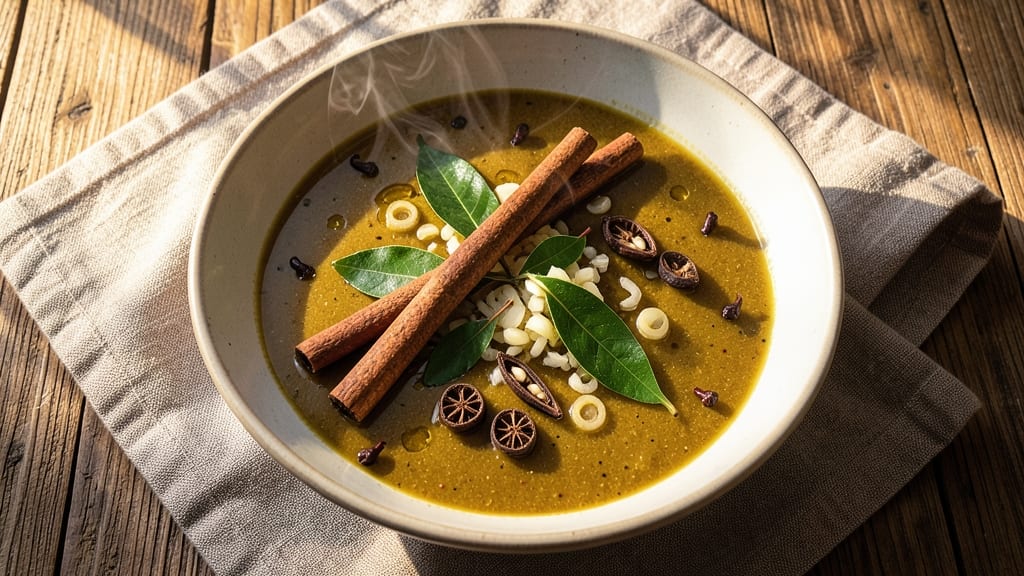
This curry leaf sauce recipe transforms simple ingredients into a fragrant, versatile condiment that elevates every dish it touches. The secret lies in toasting whole spices until they release their deep, aromatic oils, then blending them with fresh curry leaves and garlic into a smooth, vibrant paste.
I developed this recipe after realizing how much brighter and more complex my curries became when I added this sauce—it’s the difference between good and extraordinary.
The process is straightforward but precise: gently fry shallots and spices until golden, then pulse them with curry leaves and garlic into a fine paste. The sauce keeps well in the fridge for up to a week or freezes for months, making it a pantry staple for quick flavor boosts.
Whether drizzled over rice, stirred into soups, or used as a marinade base, its citrusy, herbal notes cut through richness and add layers of complexity.
What makes this sauce special is its ability to transform ordinary meals into restaurant-worthy dishes with minimal effort. The curry leaves deliver a bright, slightly bitter contrast to rich foods, while the spices add warmth and depth.
Unlike store-bought pastes, this version is fresh, customizable, and free from preservatives—just pure, concentrated flavor in every spoonful.
Use it as a finishing touch for grilled meats, a stir-in for curries, or even a dip for vegetables. The possibilities are endless, but the technique remains simple: blend, store, and enjoy the difference it makes. Here’s how to make it perfectly every time.
Ingredients for curry leaf sauce
Ten simple ingredients transform into a fragrant, aromatic sauce that elevates any dish.
| Ingredient | Amount | Notes |
|---|---|---|
| Curry Leaves 🌿 | ½ cup | Fresh, packed, stems removed |
| Shallots 🧅 | ½ cup | Thinly sliced, peeled |
| Green Cardamom Pods 🌶️ | 10 whole | Lightly crushed |
| Black Cardamom Pods 🌶️ | 2 whole | Lightly crushed |
| Cinnamon Sticks 🌿 | 2 whole | 2-inch pieces |
| Cloves 🌶️ | 4 whole | Whole, lightly crushed |
| Garlic Cloves 🧄 | 6 cloves | Peeled, rough chopped |
| Extra-Virgin Olive Oil 🫒 | ½ cup | High-quality, fruity |
| Lemon Juice 🍋 | 2 tbsp | Freshly squeezed |
| Salt 🧂 | ½ tsp | Diamond Crystal preferred |
The curry leaves are the heart of this sauce—look for vibrant, fresh leaves at Indian or Asian grocery stores, where they’re often sold in bundles or jars. Whole spices like cardamom and cinnamon should be aromatic and plump, not dusty or stale. If buying whole, toast them lightly before crushing to deepen their flavor. The shallots and garlic should be firm and fresh, with no signs of sprouting. For the olive oil, a fruity extra-virgin will add complexity, while a lighter oil works in a pinch. Fresh lemon juice is non-negotiable—bottled won’t give the same bright punch.
No curry leaves? Fresh bay leaves or a pinch of ground coriander can mimic the herbal brightness, though nothing replaces their unique flavor. Skip the cardamom? Allspice berries or a dash of ground cinnamon will add warmth. Short on shallots? Red onion works in a pinch, but it’s less sweet and aromatic. For garlic, garlic powder at half the amount is a poor substitute, but it’s better than nothing. The sauce can be made with less oil if you prefer a thicker consistency, but the blend won’t be as smooth. Adjust the lemon juice to taste—more for brightness, less for subtlety.
Store the sauce in an airtight container in the fridge for up to 1 week, or freeze in ice cube trays for 3 months. The flavors deepen over time, so it’s worth making a batch ahead. To use, simply thaw and blend with a splash of water or oil to reach your desired consistency. This sauce is incredibly versatile—drizzle it over rice, stir it into curries, or use it as a marinade base for grilled meats. The possibilities are endless, but the technique remains simple: blend, store, and enjoy the difference it makes.
Why You'll Love This Recipe
- Pantry Magic: I swear by this sauce because it lives in my spice rack—no fresh herbs, no fuss. Toss in dried curry leaves (or a pinch of ground if you’re in a pinch) with toasted shallots and crushed cardamom pods, and you’ve got depth without the prep. The cinnamon sticks? Just tie them in a knot, simmer, and forget them.
- Umami Bomb: That first whiff of curry leaves hitting hot oil is chef’s kiss—earthy, citrusy, with a whisper of smoke. The black cardamom adds a peppery kick, while the shallots caramelize into something sweet and sticky. It’s the kind of flavor that makes you pause mid-stir and think, “Wait, I’m actually cooking?”
- Sauce for Everything: Drizzle it over rice, toss with roasted veggies, or slather it on grilled fish—this sauce is my secret weapon for lazy nights. Honestly, I’ve even used it as a marinade for chicken (yes, even on a Tuesday night). The spices mellow as they sit, so it works fresh or reheated.
- Budget Stretch: A handful of curry leaves and a few whole spices cost pennies but taste like a restaurant. I make a big batch, freeze it in ice cube trays, and pull out cubes as needed. No waste, no stress—just flavor that doesn’t break the bank. My wallet and my taste buds thank me.
Step-by-step instructions for curry leaf sauce
This aromatic sauce builds layer by layer—whole spices infuse the oil, shallots caramelize, and curry leaves release their signature brightness.
Infuse the Oil with Whole Spices
Heat the 0.5 cup extra-virgin olive oil in a medium saucepan over low heat. Add the 2 whole cinnamon sticks, 4 whole cloves, 10 whole green cardamom pods, and 2 whole black cardamom pods. Let the oil simmer gently for 5-7 minutes until the spices begin to release their fragrance—you'll notice the aroma deepen and the oil take on a golden hue.
Keep the heat low to prevent burning. The spices should sizzle softly, not smoke. This slow infusion is what builds the sauce's complex base. If you smell any acridity, immediately reduce the heat or remove the pan from the burner. Strain the spices through a fine-mesh sieve into a clean bowl, pressing gently to extract all the flavorful oil.
Caramelize the Shallots
Return the strained oil to the saucepan and increase the heat to medium-low. Add the 0.5 cup thinly sliced shallots and cook for 8-10 minutes, stirring occasionally, until they soften and turn a rich golden color. You're aiming for caramelization—not crispy bits, just tender shallots with a deep, sweet aroma.
If the shallots begin to brown too quickly, reduce the heat slightly. They should release their moisture and then slowly evaporate, leaving behind a fragrant paste. This step is crucial for balancing the sauce's depth—don't rush it. The shallots should coat the back of a spoon when pressed between your fingers.
Add Garlic and Curry Leaves
Push the shallots to one side of the pan and add the 6 cloves rough chopped garlic to the empty space. Cook for 1-2 minutes until the garlic turns golden and fragrant. Be careful not to let it burn—garlic darkens quickly. Stir to combine with the shallots, then add the 0.5 cup packed curry leaves (stems removed). Cook for another 30 seconds until the leaves wilt slightly and release their citrusy aroma.
The curry leaves should darken just slightly but not crisp. Their bright, lemony flavor is the signature of this sauce, so don't overcook them. If they start to brown too quickly, remove the pan from heat for a moment to let them cool slightly before continuing.
Finish with Lemon Juice and Salt
Remove the pan from heat and stir in the 2 tablespoons freshly squeezed lemon juice and 0.5 teaspoon salt. The lemon juice brightens the sauce, cutting through the richness of the oil and spices. Taste and adjust the salt if needed—this sauce should balance sweet, spicy, and tangy notes.
Let the sauce sit off the heat for 5 minutes to allow the flavors to meld. The lemon juice will infuse the oil, and the spices will continue to release their essence. This resting period ensures the sauce is cohesive and well-balanced. Serve immediately over rice, grilled fish, or vegetables, or store in an airtight container in the refrigerator for up to 5 days. Reheat gently before serving.
Pro Tips For Making Curry Leaf Sauce
- CRUSH THE WHOLE SPICES: I learned this the hard way—lightly smashing green and black cardamom pods with the flat side of a knife before adding them to the oil. The crack releases their oils immediately, so you don’t waste 5 minutes waiting for them to bloom. Skip this, and your sauce will taste like you forgot them entirely.
- TOAST SHALLOTS UNTIL GOLDEN: Don’t just sauté the shallots—push them until they’re deep golden, almost caramelized, with a little char at the edges. That’s where the sweetness comes from. I used to pull them out too soon, and the sauce always tasted flat. (Yes, even if you’re impatient like me.)
- REMOVE CURRY LEAVES LATE: If you pull them out too early, their flavor fades fast. Wait until the very end—just before you finish with the sauce—to strain them. They’ll still infuse the oil beautifully, but your dish won’t taste bitter. (And no, you can’t just chop them—whole leaves work magic.)
- USE LESS OIL, MORE HEAT: This sauce needs high heat to develop its depth, but too much oil dulls the spices. Use just enough to coat the pan—about 2 tablespoons—and keep the flame cranked. I used to drown it in oil, and the flavors got lost. Sounds weird, but it works.
Storing and reheating your leftovers
Fridge Storage Tips
Transfer your curry leaf sauce to an airtight glass jar or stainless steel container—I prefer Le Parfait jars for their airtight seals.
Store it in the fridge for up to 7 days, but I find the flavors actually deepen after 2-3 days as the spices and lemon meld together. The sauce may thicken slightly, so stir in 1-2 teaspoons of water or oil before using if needed.
Always let it come to room temperature before opening to preserve its aromatic oils. 🌿
Freezer Preservation
For long-term storage, portion the sauce into ice cube trays or small silicone molds—this makes it easy to thaw just what you need. Once frozen solid, transfer the cubes to a freezer bag and label with the date.
This sauce keeps for 3 months without losing flavor, though I recommend using it within 2 months for peak freshness. When ready to use, thaw overnight in the fridge or quickly in a bowl of warm water for 5-10 minutes.
Thawing and Reusing
If your sauce has thickened after freezing, revive it by blending with 1 tablespoon of water or oil until smooth. I like to add a pinch of salt if the flavors seem muted after thawing.
The sauce works beautifully in curries, marinades, and rice dishes—just stir it in during the last 5 minutes of cooking to preserve its bright, herbal notes. For grilled meats, use it as a finishing drizzle after cooking for maximum impact. 🔥
Reviving Stale Sauce
If your refrigerated sauce starts to smell dull after 5-6 days, don't toss it! Revive it by gently reheating in a small saucepan over low heat for 2-3 minutes, then stir in 1 teaspoon of fresh lemon juice and ½ teaspoon of salt.
The acidity will cut through any flatness and restore its vibrancy. This trick works wonders for sauces that have lost their punch. Just avoid reheating if the sauce has developed an off odor—trust your nose on that one!
Portion Control
For easy use, divide the sauce into 1-tablespoon portions in small containers. This way, you can grab just what you need without thawing the whole batch. I keep these portions in the fridge for up to 5 days—perfect for quick weeknight meals.
Label each container with the date and contents to avoid mix-ups. This method also helps prevent waste, as you're less likely to forget about a small portion in the back of your fridge. ✨
Flavor Boost Before Using
Before adding the sauce to dishes, give it a quick flavor refresh by blending it with ½ teaspoon of fresh garlic or a pinch of ground black pepper. This works especially well if you've stored it for a few days.
For extra brightness, add 1 teaspoon of fresh lemon juice right before using. The key is to treat it like a fresh ingredient—small adjustments can make all the difference in transforming a simple dish. 💫
Nutrition facts
Frequently asked questions
Can I substitute fresh curry leaves with dried ones?
Fresh curry leaves are essential for authentic flavor, but if you must use dried, reduce the amount to 1 tablespoon (about 1/8 cup) and toast them lightly in the oil for 1 minute before removing. Dried leaves lack the bright citrusy notes of fresh, so the sauce will taste more herbal. For best results, always use fresh leaves when possible.
How much sauce should I make for a family of four?
This recipe yields about 1 cup of sauce, which is perfect for 4 servings. Use 1 tablespoon per serving over rice, drizzle over curries, or mix into marinades. If you plan to use it frequently, double the batch—the sauce keeps well and makes meal prep easier.
What dishes pair best with this sauce?
This versatile sauce shines in rice dishes, curries, soups, and grilled meats. Drizzle it over steamed basmati rice, stir into coconut milk-based curries, or use it as a marinade for chicken or fish. It also works as a dip for roasted vegetables or a finishing touch for noodle dishes.
Can I make this sauce without oil?
Oil is key for infusing the spices and creating a smooth texture, but you can reduce it to ¼ cup for a lighter version. The sauce will be thicker and less rich, but still flavorful. If you omit oil entirely, the spices won’t release their full aroma, and the sauce may separate when stored.
Why did my sauce turn bitter?
Overcooking the curry leaves or spices is the most common cause of bitterness. Keep the heat low and cook the leaves for only 30 seconds. If the sauce tastes bitter, balance it with 1 extra tablespoon of lemon juice or a pinch of sugar. Always taste as you go to adjust seasoning.