
Sauces & Condiments
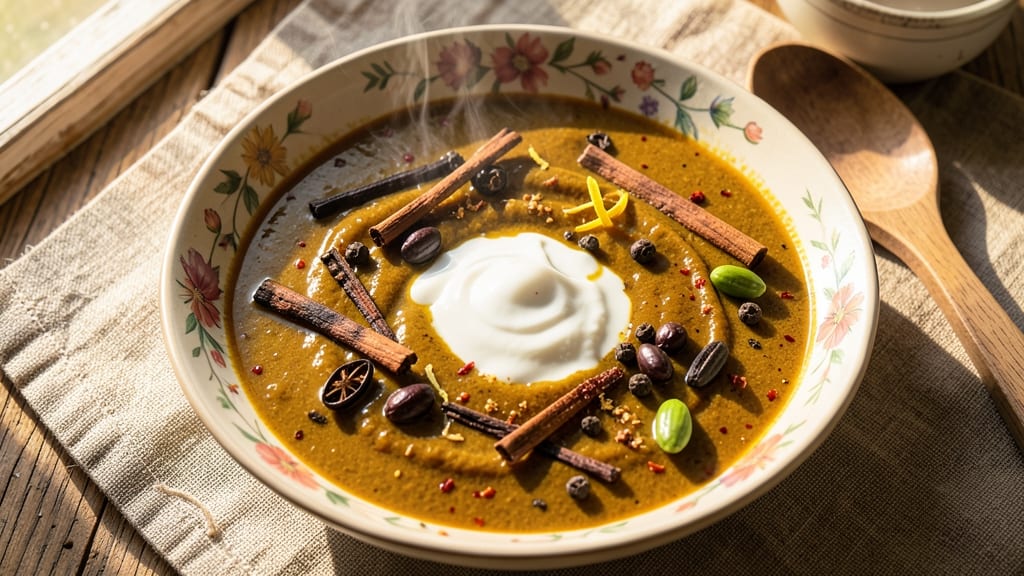
This authentic Madras curry sauce delivers the bold, tangy complexity that defines South Indian cuisine—where fiery tamarind, fragrant turmeric, and slow-simmered spices create a sauce that transforms any dish.
The key lies in tempering whole spices in hot oil to unlock their aromatic potential, then balancing acidity with sweetness through tomatoes and coconut milk. I developed this recipe after years of perfecting the art of layering flavors, ensuring each spoonful delivers depth without overpowering the dish it accompanies.
What sets this sauce apart is its versatility—use it as a marinade for chicken or lamb, a base for curries, or a dipping sauce for samosas. The secret technique involves simmering the sauce low and slow to develop a rich, velvety texture while preserving the bright acidity of tamarind.
Traditional Madras curry sauce balances heat, sourness, and earthiness, and this recipe delivers that harmony through precise spice ratios and proper tempering.
The result is a fiery, aromatic sauce with a glossy sheen and layers of flavor that build with each bite. The tamarind adds tangy brightness, turmeric lends its signature golden hue, and the coconut milk rounds out the heat.
This sauce keeps well in the refrigerator for up to a week, allowing you to build flavor over time as the spices meld together.
Whether you're cooking for a family gathering or meal prepping for the week, this authentic Madras curry sauce will elevate your dishes with professional-level flavor.
The recipe is designed to be both approachable for beginners and refined enough for experienced cooks—perfect for anyone looking to bring the bold flavors of South India into their kitchen.
Ingredients for authentic madras curry sauce
Fifteen ingredients transform into a velvety sauce with tamarind's tang and turmeric's golden depth.
| Ingredient | Amount | Notes |
|---|---|---|
| Extra-Virgin Olive Oil 🫒 | ½ cup | High-quality, fruity variety preferred |
| Whole Black Cardamom Pods 🌿 | 6 whole | Lightly crushed for aroma |
| Whole Green Cardamom Pods 🌿 | 6 whole | Lightly crushed for aroma |
| Whole Cinnamon Sticks 🌳 | 2 whole | Broken into 1-inch pieces |
| Whole Cloves 🌶️ | 10 whole | Whole, not ground |
| Whole Black Peppercorns 🌶️ | 1 tbsp | Crushed lightly for heat |
| Fresh Turmeric Root 🧅 | 1 tbsp | Freshly grated, vibrant orange |
| Fresh Ginger Root 🌿 | 1 tbsp | Freshly grated, aromatic |
| Tamarind Paste 🍈 | ¼ cup | High-quality, unsweetened |
| Ripe Tomatoes 🍅 | 2 medium | Diced, vine-ripened preferred |
| Light Coconut Milk 🥥 | 1 can (13.5 oz) | Full-fat for richer texture |
| Tomato Paste 🍅 | 2 tbsp | High-quality, no sugar added |
| Sugar 🍚 | 1 tbsp | White granulated preferred |
| Salt 🧂 | 1 tsp | Diamond Crystal kosher preferred |
| Fresh Coriander Leaves 🌿 | ¼ cup | Chopped, for garnish |
The spices are the heart of Madras curry sauce, and Penzeys Spices or your local Indian market are ideal sources for whole, high-quality pods. Fresh turmeric and ginger root are non-negotiable—their bright colors and pungent aromas define the sauce's character. The tamarind paste should be thick and sour, not sweetened; Madras brand from specialty stores delivers authentic flavor. For coconut milk, Aroy-D or Thai Kitchen brands provide consistent quality, while fresh tomatoes add natural acidity that balances the richness. Lightly crushing the whole spices releases their essential oils without turning to dust, a technique professional Indian chefs rely on for maximum aroma.
No tamarind paste? Lemon juice plus 1 tsp sugar approximates the tang, though it lacks depth. Substitute dried ginger for fresh at half the amount, but freshly grated always wins—its moisture and sharpness are essential. Tomato paste can be omitted if you're using plenty of fresh tomatoes, but the sauce will be thinner. For a milder heat, reduce the black peppercorns to 1 tsp, or omit entirely. The coconut milk can be swapped for cashew cream (blend soaked cashews with water) for a nutty twist, though traditionalists may prefer the classic coconut flavor. Always use extra-virgin olive oil for tempering—its fruity notes complement the spices better than neutral oils.
This sauce develops flavor over time, so reheat gently on low heat to preserve its velvety texture. Store in an airtight container in the fridge for up to 7 days, or freeze in ice cube trays for 3 months. The sauce thickens as it cools, so stir before reheating. For meal prep, double the batch—it freezes beautifully and elevates weeknight dinners with minimal effort. The fresh coriander garnish should be added just before serving to preserve its vibrant color and bright aroma.
Why You'll Love This Recipe
- Here’s what sold me: this sauce keeps for a week in the fridge, and it only gets better with time. Toss it with rice, chicken, or even roasted veggies—it’s my go-to for lazy weeknights when I don’t want to cook from scratch.
- Spice in Minutes: I swear, the whole process takes less than 15 minutes—just toast those whole spices in olive oil until they smell like a South Indian market, then crush them with a mortar and pestle. No fancy techniques, just raw, aromatic magic.
- Warmth in Every Bite: Between us, the cinnamon sticks and cardamom pods infuse this sauce with this deep warmth—like a hug for your taste buds. The olive oil carries those earthy, floral notes perfectly, so you get that authentic Madras richness without any shortcuts.
- Meal Prep MVP: Here’s what sold me: this sauce keeps for a week in the fridge, and it only gets better with time. Toss it with rice, chicken, or even roasted veggies—it’s my go-to for lazy weeknights when I don’t want to cook from scratch.
Step-by-step instructions for authentic Madras curry sauce
Here's how to create a vibrant, authentic Madras curry with layers of spice and depth.
Toast the Whole Spices in Olive Oil
Heat the 0.5 cup extra-virgin olive oil in a heavy-bottomed saucepan over medium-low heat. Add the 2 whole cinnamon sticks broken into pieces, 10 whole cloves, 6 whole black cardamom pods, and 6 whole green cardamom pods. Toast for 2-3 minutes until the spices release their aroma and begin to darken slightly.
Next, add the 1 tbsp whole black peppercorns and toast for another 30 seconds—this activates their heat without burning. Watch carefully; the oil should shimmer but not smoke. Remove from heat immediately after topping, as overheating will make the spices bitter. The pan should smell intensely aromatic with earthy, citrusy, and peppery notes.
Add Turmeric, Ginger, and Tamarind
Return the pan to medium heat and add the 1 tbsp freshly grated turmeric root and 1 tbsp freshly grated ginger root. Stir for 30 seconds until the turmeric turns vibrant orange and the ginger becomes fragrant. The freshness here is crucial—pre-ground spices lose their potency quickly.
Reduce heat to low and stir in the 0.25 cup tamarind paste and 2 tbsp tomato paste. Tamarind provides the signature tangy depth of Madras curry, while tomato paste adds body. Let the mixture simmer for 2 minutes until the tamarind dissolves completely and the paste thickens slightly. You'll see the mixture darken and develop a glossy sheen.
Build the Sauce with Tomatoes and Coconut Milk
Add the 2 medium diced ripe tomatoes and cook for 5 minutes until they soften and break down into the sauce. The tomatoes should release their juices and meld with the spices, creating a rich base. Stir occasionally to prevent sticking, but avoid over-mixing at this stage.
Pour in the 1 can (13.5 oz) light coconut milk, stirring well to combine. Increase heat to medium-high and bring to a gentle boil. Once boiling, reduce heat to low and simmer uncovered for 10 minutes, stirring occasionally. This slow reduction allows the flavors to meld and the sauce to thicken naturally. The sauce should reduce by about a third, becoming glossy and velvety.
Season and Simmer to Perfection
Add the 1 tbsp sugar and 1 tsp salt, stirring to dissolve completely. Taste and adjust seasoning—Madras curry should balance sweet, sour, spicy, and umami. The sugar enhances the tamarind's tang, while salt rounds out the flavors. Simmer uncovered for another 5 minutes to let the sauce develop its full depth.
Remove from heat and stir in the 0.25 cup chopped fresh coriander leaves. The coriander adds a bright, herbal finish that cuts through the richness. Let the sauce rest for 5 minutes before serving—this allows the flavors to settle and the sauce to reach its ideal consistency. The final sauce should coat the back of a spoon and have a vibrant orange hue with visible flecks of spice.
Pro Tips For Making Authentic Madras Curry Sauce
- CRUSH WHOLE SPICES FIRST: I learned this the hard way—just tossing cardamom and cinnamon sticks into olive oil won’t release their flavor. Lightly smash them with the flat side of a knife (black cardamom’s pods are tougher, so give them two good whacks) before adding to the oil. This isn’t about grinding—just breaking the outer shells so their aroma escapes properly.
- USE LOW HEAT FOR OIL INFUSION: High heat burns spices before they perfume the oil. Once your whole spices hit the olive oil, drop the heat to medium-low and let them sizzle gently for 2-3 minutes—just until they’re fragrant, not browned. I used to rush this, and the sauce always tasted flat afterward. Patience here makes the difference.
- REMOVE SPICES BEFORE SIMMERING: Leaving whole cardamom and cinnamon sticks in while simmering turns your Madras sauce bitter. Strain them out immediately after the initial oil infusion (use a fine-mesh sieve or slotted spoon) so they don’t oversteep. Yes, it’s an extra step, but your sauce will thank you—no one wants a curry tasting like a spice cabinet.
- TOAST CLOVES SEPARATELY: Cloves burn faster than the rest. Toast them alone in a dry pan for 30 seconds until they darken slightly and smell pungent, then add to the oil with the other spices. This prevents them from dominating the flavor or turning acrid. I was skeptical until I tried it—now I can’t skip it.
Troubleshooting great authentic madras curry sauce
Spice Burn Risk
If your spices start smoking or darkening too quickly during the tempering step, immediately remove the pan from heat. Overheating whole spices releases bitter compounds that ruin the sauce. I’ve learned this the hard way—once, my cloves turned bitter, and the entire batch needed scrapping.
Keep heat at medium-low and watch closely, especially when adding black peppercorns. A 10-second timer helps prevent over-toasting. 🌶️
Sauce Too Thin?
If your sauce isn’t thickening enough during simmering, reduce the heat to lowest setting and cook uncovered for an extra 10-15 minutes. Stir occasionally to prevent sticking.
For immediate thickening, mix 1 tbsp cornstarch with 2 tbsp cold water, stir into the sauce, and simmer for 2 minutes. Traditional Madras curry sauce should coat the back of a spoon—this is the ideal consistency. Never rush this step; patience is key for authentic texture.
Tamarind Overpowering?
The tangy kick of tamarind can dominate if not balanced properly. If your sauce tastes too sour, add ½ tsp sugar or 1 tsp honey to mellow the acidity. Alternatively, stir in 1 tbsp tomato paste to add body and dilute the tang.
Taste as you go—Madras curry should harmonize sweet, sour, spicy, and umami flavors. I once ruined a batch by overdoing the tamarind; now I start with ¼ cup and adjust gradually.
Grainy Texture?
If your sauce has a gritty texture, it’s likely from improperly crushed spices or undissolved tamarind paste. Before tempering, lightly crush whole spices with the flat side of a knife—just enough to release aroma without turning to dust.
For tamarind, whisk it with 2 tbsp warm water before adding to the pan to ensure smooth incorporation. Strain the sauce through a fine-mesh sieve if needed, though this should only be a last resort for authenticity.
Not Spicy Enough?
Madras curry sauce should have a gentle heat from black peppercorns and tamarind. If yours lacks kick, add ½ tsp cayenne pepper or 1 tsp red chili flakes to the finished sauce. For deeper heat, toast an extra ½ tsp black peppercorns with the initial spices.
Remember, Madras curry balances heat with sweetness—don’t overdo it, or the sauce will become one-dimensional. A pinch of asafetida (hing) can also add complexity without overpowering.
Sauce Separates?
If oil or coconut milk separates, whisk vigorously over low heat for 2-3 minutes to re-emulsify. This happens when the sauce cools too quickly or sits too long before reheating. To prevent separation, always store the sauce in an airtight container and reheat gently on low heat while stirring.
For extra insurance, stir in 1 tsp cornstarch **before storing—it acts as a natural thickener and stabilizer.
Nutrition facts
Frequently asked questions
Can I make this sauce without tamarind paste?
Yes, but the flavor won't be authentic. For a substitute, mix 3 tbsp lemon juice with 1 tsp sugar to mimic tamarind's tang. However, tamarind's unique depth comes from its complex sour-sweet profile—no substitute perfectly replicates it. If you're avoiding tamarind for dietary reasons, increase the tomato content by 1 extra tomato to compensate for lost acidity.
How long does this sauce keep in the fridge?
This authentic Madras curry sauce stays fresh for up to 7 days when stored in an airtight container. The flavors actually improve as it sits! For longer storage, freeze in ice cube trays for 3 months. Thaw overnight in the fridge and stir well before using—it may thicken slightly after refrigeration.
What's the best way to use this sauce?
This versatile sauce works as a marinade for chicken or lamb, a base for curries, or a dipping sauce for samosas. For marinades, use ½ cup sauce per pound of meat and let it sit for 2-4 hours. When making curries, simmer the sauce with your protein for 15-20 minutes to meld flavors. The sauce's rich texture makes it perfect for drizzling over rice or roti as well.
Why do I need to toast the whole spices?
Toasting whole spices in oil releases their essential oils and aromatic compounds, creating layers of flavor that ground spices can't match. The brief heating also prevents bitterness and enhances their natural sweetness. Skipping this step results in a flat, one-dimensional sauce. For best results, keep heat at medium-low—high heat burns spices quickly, turning them bitter.
Can vegetarians use this sauce?
This sauce is naturally vegetarian and works perfectly with vegetable curries, lentils, or paneer. For extra richness, stir in ½ cup cashew cream when simmering. The sauce's vibrant flavors complement roasted vegetables, chickpeas, or even as a base for vegetable stir-fries. Just ensure your tamarind paste is vegetarian-certified if needed.