
Sauces & Condiments
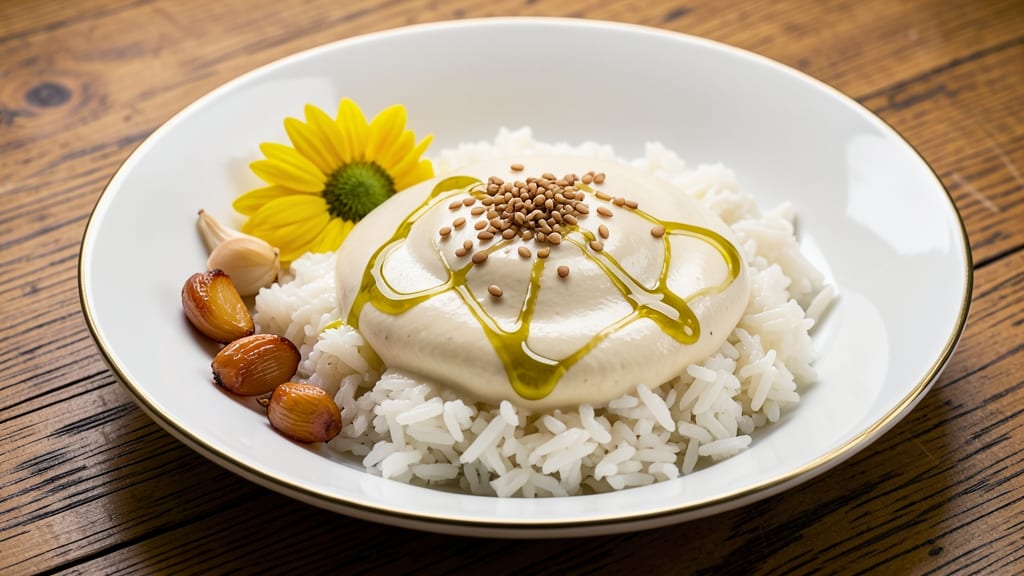
This creamy tofu sauce recipe delivers silky velvety richness without clumps or dairy, transforming simple meals into restaurant-quality dishes. The secret lies in blending silken tofu with coconut milk and aromatic ingredients like garlic and ginger, creating a base that's smooth, flavorful, and completely plant-based.
I developed this recipe after struggling to find a creamy vegan sauce that didn't separate or taste artificial—this version solves both problems with a foolproof blending technique.
The sauce builds flavor through a simple yet effective method: toasting whole spices in coconut oil before blending them with silken tofu, coconut milk, and a touch of miso for umami depth. This approach eliminates the need for heavy cream while delivering that same luxurious texture.
The result is a sauce that coats perfectly, whether drizzled over noodles, tossed with stir-fried vegetables, or used as a dip for spring rolls.
What makes this sauce truly special is its versatility—it works equally well in both cold and hot dishes, and the flavor actually improves when refrigerated overnight. The tofu base provides natural creaminess without the heaviness, while the coconut milk adds a subtle sweetness that balances the savory notes.
Best of all, it stores beautifully for up to 5 days in the refrigerator, making it an ideal make-ahead solution for busy weeknights.
This isn't just another vegan sauce—it's a game-changer for anyone looking to add rich, creamy texture to their meals without animal products. The blend of ingredients creates a complex flavor profile that's both comforting and sophisticated, proving that plant-based cooking can be just as indulgent as traditional recipes.
Ready to elevate your dishes with this velvety creation?
Ingredients for creamy tofu sauce
Silken tofu and coconut milk create velvety richness without dairy clumps or artificial aftertaste.
| Ingredient | Amount | Notes |
|---|---|---|
| Silken Tofu 🧀 | 12 oz | Extra-firm for best texture |
| Full-Fat Coconut Milk 🥥 | 1 cup | Canned, for maximum creaminess |
| White Miso Paste 🍶 | 2 tbsp | For umami depth |
| Garlic Cloves 🧄 | 4 cloves | Freshly minced for aroma |
| Fresh Ginger 🌿 | 2 tbsp | Grated, not minced |
| Extra-Virgin Olive Oil 🫒 | 2 tbsp | For toasting spices |
| Yellow Onion 🧅 | ¼ cup | Finely diced, sweet variety |
| Ground Turmeric 🌶️ | ½ tsp | For vibrant color |
| Ground Cumin 🌿 | ½ tsp | Toasted for depth |
| Lemon Juice 🍋 | 1 tbsp | Freshly squeezed |
| Vegetable Broth 💧 | ½ cup | Low-sodium preferred |
| Tahini 🥜 | 1 tbsp | For nutty richness |
The silken tofu is the secret weapon here—extra-firm yields the smoothest texture, while soft varieties can leave a chalky residue. Wild Garden or Nasoya brands are my go-to for consistent quality, but any silken tofu works if it's not watery. Coconut milk matters too: full-fat canned delivers that luxurious creaminess, while light versions won't cut it. For the miso, Japanese white miso from Miso Master or bulk bins adds the perfect umami without overpowering. Toast your spices in the olive oil first—this step transforms basic flavors into something truly complex. The ginger should be freshly grated, not minced, to avoid bitterness.
No silken tofu? Blend firm tofu with a splash of coconut milk first to mimic the texture. Substitute coconut milk with cashew cream (blend soaked cashews with water) for a neutral base. Running out of miso? White soy sauce at half the amount provides a similar savory punch. The tahini adds richness—if you're nut-free, sunflower seed butter works as a substitute. For extra depth, toast the cumin seeds whole before grinding them, but pre-ground is fine in a pinch. The vegetable broth should be low-sodium to avoid over-salting the sauce. All these ingredients blend together seamlessly, so don't stress about precision—just aim for balance.
This sauce improves with time—refrigerate overnight for flavors to meld beautifully. Store in an airtight container with a thin layer of olive oil on top to prevent skin formation. Keeps for 5 days in the fridge or 3 months frozen. For portion control, freeze in ice cube trays—perfect for adding to dishes as needed. The sauce thickens slightly when chilled, so thin with a splash of water or broth when reheating. Always bring it to room temperature before using to ensure even distribution.
Why You'll Love This Recipe
- Five-Ingredient Magic: I swear, this sauce comes together with just a blender, a pan, and zero stress. Blend silken tofu with coconut milk and miso—no straining, no peeling, no fuss—just smooth, velvety goodness in minutes. Honestly, my lazy Sundays just got a whole lot easier.
- Umami Bomb: That white miso paste? It’s the secret weapon here—deep, savory, and just a spoonful makes everything taste like you slaved over it. The garlic and ginger hit like a warm hug, but the coconut milk keeps it rich without being heavy. Between us, this is the kind of flavor that makes people ask, "What’s in this?"
- Sauce for Everything: Drizzle it over noodles, toss it with roasted veggies, or slather it on grilled fish—this stuff sticks to anything. I’ve even used it as a dip for spring rolls (yes, even on a Tuesday night). It’s the kind of versatile sauce that makes meal planning feel like a win, not a chore.
- Leftovers That Don’t Suck: Unlike so many sauces that turn gloopy or separate, this one actually improves overnight. Store it in the fridge, and the next day? Still creamy, still packed with flavor—just reheat and go. I’ll be real: it’s my budget-friendly secret for feeding a crowd without breaking the bank.
Step-by-step instructions for creamy tofu sauce
A velvety, clump-free tofu sauce requires precise technique and patience, but the result is worth every step.
Blend the Silken Tofu to Ultra-Smooth Texture
Drain the 12 oz silken tofu and pat it completely dry with paper towels. This removes excess moisture that can dilute your sauce. Transfer the tofu to a blender or food processor and blend until completely smooth—no lumps should remain. For best results, I use a high-speed blender and pulse in short bursts to ensure even consistency.
Here's the thing—silken tofu has a naturally delicate texture, so blending it properly is critical. You're essentially creating the base for your sauce, and any remaining texture will translate into grit in your final product. If you notice any resistance, add 1-2 tablespoons of water to help it process more easily, but don't overdo it or you'll dilute the flavor.
Toast the Spices and Aromatics
Heat 2 tablespoons extra-virgin olive oil in a medium saucepan over medium-low heat. Add the finely diced ¼ cup yellow onion and cook for 3-4 minutes until softened but not browned. This gentle cooking preserves the onion's sweetness rather than making it bitter.
Add the 4 cloves minced garlic cloves and 2 tablespoons grated fresh ginger to the pan. Cook for another 1-2 minutes until fragrant—this releases their essential oils and builds the aromatic foundation of your sauce. Be careful not to let them brown, as that can create a bitter taste. Once the garlic turns golden, it's time to move quickly to the next step.
Build the Sauce Base with Miso and Broth
Reduce the heat to low and add the 2 tablespoons white miso paste, stirring constantly to dissolve completely. The miso will darken slightly as it melts into the oil, creating a rich umami base. Add the ½ teaspoon ground turmeric and ½ teaspoon ground cumin, stirring to combine. These spices will give your sauce depth and a beautiful golden hue.
Pour in the ½ cup vegetable broth and bring the mixture to a gentle simmer. Let it cook for 3-4 minutes until slightly reduced. This step develops the flavor profile while ensuring your sauce has the proper consistency to carry the silken tofu blend. The broth also helps prevent the sauce from becoming too thick when combined with the coconut milk later.
Combine and Emulsify for Ultimate Creaminess
Slowly pour the blended silken tofu into the saucepan while whisking continuously. This gradual addition prevents the sauce from curdling. Add the 1 cup full-fat coconut milk and 1 tablespoon tahini, whisking vigorously to combine. The tahini adds nutty richness while helping to stabilize the emulsion.
Bring the mixture to a gentle simmer over low heat, stirring constantly for 5-7 minutes. This slow cooking allows the flavors to meld while the coconut milk's natural fats create a luxurious texture. If the sauce starts to thicken too much, add 1-2 tablespoons of water to reach your desired consistency. The final sauce should coat the back of a spoon smoothly without being watery.
Finish with Acid and Adjust Seasoning
Remove the sauce from heat and stir in the 1 tablespoon freshly squeezed lemon juice. This brightens the flavors and balances the richness of the coconut milk. Taste and adjust seasoning with additional salt if needed—remember, the miso already contributes significant umami, so be mindful not to over-salt.
Let the sauce rest for 5 minutes before serving. This allows the flavors to fully develop and the texture to stabilize. The result should be a silky, velvety sauce with no clumps, perfect for drizzling over noodles, tofu dishes, or using as a dip. The turmeric gives it a vibrant color, while the miso and tahini provide that unmistakable umami depth that makes this sauce truly special.
Pro Tips For Making Creamy Tofu Sauce
- BLEND COLD INGREDIENTS FIRST: Silken tofu is stubborn when cold—it clumps like a stubborn guest who won’t leave. Start by blending the tofu, coconut milk, and miso before adding garlic or ginger, or you’ll end up with a grainy paste that screams "amateur hour." Let everything warm up together, and the sauce will emulsify like it’s supposed to.
- PEEL GINGER THICK: Thin ginger slices burn before they soften, and that’s a flavor disaster. Use a spoon to peel off just the outer layer, then slice the whole knob thick—about ¼-inch chunks. They’ll cook down evenly without turning to ash, and you’ll actually taste that bright, zesty punch you paid for.
- SIMMER LOW AND SLOW: This isn’t soup—don’t boil it. A rolling simmer turns silken tofu into a sad, watery mess. Keep the heat at a whisper, just enough to see tiny bubbles at the edges, and let it thicken naturally. Patience here means the sauce won’t separate like a bad relationship.
- USE LESS GARLIC: I used to load up on garlic like it was going out of style, but too much overpowers the miso’s depth. Stick to 2 cloves max, minced fine, and toast them in the coconut oil for 30 seconds until fragrant—not brown. Trust me, your nose knows when you’ve gone too far.
Troubleshooting this dish
Clumpy Texture Fix
If your sauce turns clumpy, it's usually from improperly blended silken tofu or rushing the process. Start by blending the tofu until completely smooth—no visible lumps. For extra insurance, strain the blended tofu through a fine-mesh sieve to eliminate any remaining texture.
If clumps appear after combining all ingredients, whisk vigorously or use an immersion blender to break them down. The key is patience—don't over-blend, but ensure the tofu is silky before adding other ingredients. 💫
Separation Issues
Coconut milk separation happens when the sauce sits too long or isn't emulsified properly. To prevent this, whisk constantly when combining the silken tofu with coconut milk and tahini. If separation occurs, gently reheat the sauce over low heat while whisking until smooth.
A splash of cold water can also help re-emulsify the mixture. For future batches, add 1 tsp cornstarch mixed with 1 tbsp water at the end to stabilize the texture.
Overly Thick Sauce
If your sauce is too thick, you likely reduced it too much or used too much tofu. Thin with 1-2 tbsp vegetable broth or water while whisking to reach your desired consistency. For a smoother texture, strain the sauce through a fine-mesh sieve after blending.
If the sauce thickens when chilled, reheat it gently with a splash of liquid to restore creaminess. Always taste as you go—adjust gradually to avoid over-diluting.
Weak Flavor Profile
Flavor can fade if the miso or spices aren't fully incorporated. Toast your spices in the olive oil for 1-2 minutes before adding other ingredients to deepen their aroma. Ensure the miso dissolves completely by stirring constantly over low heat.
For extra umami, add ½ tsp nutritional yeast or an additional ½ tbsp soy sauce. If the sauce tastes bland after resting, a pinch of salt or a squeeze of lemon juice can brighten the flavors.
Grainy or Chalky Texture
This usually means the tofu wasn't blended smooth enough or wasn't extra-firm. For a foolproof fix, blend the tofu with 2 tbsp coconut milk first to help break it down. If using soft tofu, strain it in a cheesecloth for 10 minutes to remove excess water before blending.
For future batches, invest in a high-speed blender—it makes a noticeable difference in achieving a silky texture. 🔥
Nutrition facts
Frequently asked questions
Can I make this sauce without coconut milk?
For a neutral base, blend ½ cup soaked cashews with ½ cup water until smooth and use that instead of coconut milk. The sauce will have a slightly different flavor profile but maintain the same creamy texture. Alternatively, try ½ cup silken tofu plus ¼ cup water for a lighter version.
Why does my tofu sauce turn grainy?
Graininess usually means the silken tofu wasn't blended smooth enough or wasn't extra-firm. For a fix, blend the tofu with 2 tbsp coconut milk first to help break it down completely. If using soft tofu, strain it in cheesecloth for 10 minutes before blending. A high-speed blender makes all the difference for that silky texture.
How can I use this sauce in cold dishes?
This sauce works beautifully in cold applications! Use it as a creamy dip for spring rolls or veggie sticks, or drizzle over chilled noodle salads. The flavors actually develop better when refrigerated overnight, making it perfect for make-ahead meals. Just thin with a splash of water if it thickens when chilled.
Can I make this sauce spicier?
Yes! Add ½-1 tsp red pepper flakes when toasting the spices, or stir in 1 tbsp sriracha or gochujang at the end. For heat without spice, add ½ tsp cayenne powder with the turmeric and cumin. Always taste as you go—you can adjust the heat level to your preference.
What's the best way to store leftover sauce?
Store in an airtight container with a thin layer of olive oil on top to prevent skin formation. It keeps for 5 days in the fridge or 3 months frozen. For portion control, freeze in ice cube trays—perfect for adding to dishes as needed. Always bring it to room temperature before using to ensure even distribution.