
Sauces & Condiments
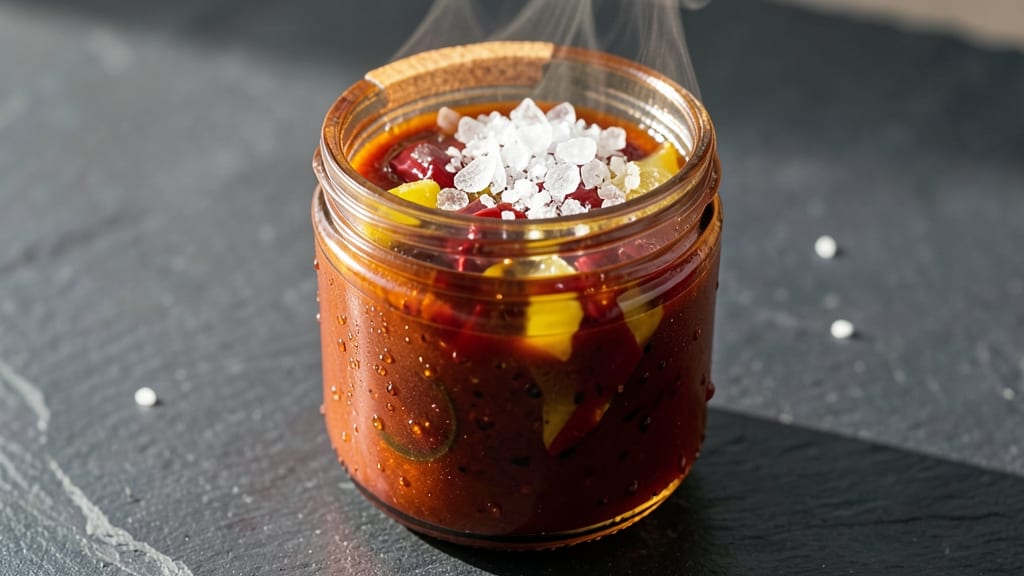
This citrus hot sauce recipe transforms simple ingredients into a vibrant, balanced condiment that brightens everything it touches. The secret lies in fermenting citrus peppers with apple cider vinegar—creating a complex blend of acidity, sweetness, and heat that lingers on the tongue.
I developed this recipe after years of experimenting with hot sauces, and it’s become my go-to for adding zing to everything from tacos to grilled seafood.
The fermentation process is key—it deepens the flavors and mellows the heat just enough to make it approachable. You’ll need only a handful of ingredients: citrus peppers (like habanero or jalapeño), citrus juice, apple cider vinegar, and a touch of salt.
The sauce comes together in about a week, giving you time to let the flavors develop naturally.
What makes this sauce special is its versatility. Drizzle it over tacos, mix it into marinades, or use it as a finishing touch for roasted vegetables. The balance of bright citrus and subtle heat makes it perfect for both bold and delicate dishes.
Plus, it keeps well in the fridge for months, so you can enjoy homemade flavor anytime.
Once fermented, strain the sauce through a fine-mesh sieve to remove any solids, then bottle it for easy storage. The result is a smooth, tangy hot sauce with layers of flavor that store-bought versions can’t match. Ready to elevate your meals with a burst of citrus heat?
Ingredients for citrus hot sauce
Bright citrus peppers and tangy vinegar create a hot sauce bursting with balanced heat and zing.
| Ingredient | Amount | Notes |
|---|---|---|
| Citrus Peppers (Habanero or Jalapeño) 🌶️ | ½ lb | Fresh or dried, seeds removed |
| Apple Cider Vinegar 🍏 | 2 cups | Raw, unfiltered preferred |
| Orange Juice (Freshly Squeezed) 🍊 | 1 cup | No added sugar |
| Lemon Juice (Freshly Squeezed) 🍋 | ½ cup | Bright, no pulp |
| Granulated Sugar 🍚 | ¼ cup | White or raw cane |
| Kosher Salt 🧂 | 1 tsp | Diamond Crystal preferred |
| Garlic Cloves 🧄 | 3 cloves | Minced or finely chopped |
| Fresh Cilantro Stems 🌿 | ¼ cup | Packed, chopped fine |
The peppers are everything here—habanero for serious heat or jalapeño for a milder kick. Local farmers markets often have fresh peppers at peak flavor, but the grocery store works too. Look for vibrant color and firm texture—no wrinkles. Apple cider vinegar matters just as much; raw, unfiltered brands like Bragg or local orchard varieties add depth. Skip the pasteurized stuff. For the citrus, fresh is non-negotiable—store-bought juice lacks the bright acidity that balances the heat. I always double-check my garlic cloves for sprouts, tossing any that've gone bad. The cilantro stems? Don't waste them—they pack extra flavor.
No habanero? Scotch bonnet or ghost pepper at half the amount delivers similar heat. Out of fresh orange juice? Grenadine or pomegranate juice works in a pinch, but you'll lose some citrus brightness. The sugar isn't just sweetness—it helps balance the acidity during fermentation. Coconut sugar or maple syrup can substitute, but white sugar is foolproof. For the salt, Diamond Crystal dissolves better than table salt. Want extra depth? Add a pinch of smoked paprika or a dash of liquid smoke. The garlic can be roasted for a sweeter profile if you prefer.
Ferment for 7-10 days in a clean glass jar, then strain through a fine-mesh sieve. Store in sterilized bottles in the fridge—keeps for 6-8 months. The sauce thickens over time, so add a splash of vinegar if it gets too syrupy. I always make a double batch; it disappears faster than I expect. For gifting, use small amber bottles—they preserve the color beautifully. If you get mold, toss it immediately. Trust me on that one.
Why You'll Love This Recipe
- Fridge-Friendly Magic: I swear by this sauce—it’s the kind of thing I make on Sundays and keep in the fridge for weeks. The vinegar and citrus preserve it perfectly, so no sad, moldy hot sauce here.
- Bright Heat Balance: Honestly, the sugar isn’t just for sweetness—it rounds out the habanero’s bite so it’s dangerously good, not just painful. That orange-lemon tang? It’s like a citrusy hug for your taste buds.
- Game for Any Meal: Slather it on eggs, drizzle it over tacos, or toss it into marinades—this stuff doesn’t care what you do with it. Even my picky teen sneaks it into his sandwiches. (Yes, even on a Tuesday night.)
- Pennies and Patience: Between us, store-bought hot sauces cost a fortune for a tiny bottle. This recipe uses pantry staples and makes way more—plus, the sugar stretches my citrus budget. Win-win.
Step-by-step instructions for citrus hot sauce
Here's how to make a bright, balanced hot sauce with perfect heat and tang.
Prepare the Citrus Peppers
Start by removing the stems and seeds from the 0.5 lb citrus peppers. I like to wear gloves for this step—those habaneros or jalapeños pack a punch! Cut the peppers into ¼-inch pieces, leaving the skins on for extra color and texture. If using dried peppers, soak them in warm water for 15 minutes first to soften them.
For the best flavor, I recommend using a mix of habaneros and jalapeños. The habaneros bring the heat while jalapeños add a touch of smokiness. Once chopped, set them aside in a bowl—they'll release their oils and become more aromatic as they sit.
Combine Wet Ingredients
In a large saucepan, combine the 2 cups apple cider vinegar, 1 cup freshly squeezed orange juice, and 0.5 cup freshly squeezed lemon juice. I always use fresh citrus juice here—it makes a noticeable difference in brightness. Bring this mixture to a gentle simmer over medium heat.
While the liquid heats, add the 3 minced garlic cloves and let them sizzle for 30 seconds until fragrant. This step builds the sauce's aromatic foundation. Be careful not to let the garlic brown—it should just perfume the liquid without coloring it.
Simmer the Peppers and Seasonings
Add the chopped citrus peppers to the simmering liquid and stir gently. Let the mixture cook for 10 minutes to allow the peppers to soften slightly and release their oils. Then stir in the 0.25 cup granulated sugar and 1 teaspoon kosher salt.
This is where the sauce starts to come together. The sugar helps balance the acidity while the salt enhances all the flavors. Let the mixture simmer uncovered for another 15-20 minutes, stirring occasionally, until it thickens slightly and the peppers are tender but still retain some bite.
Finish with Cilantro and Cool
Remove the saucepan from heat and stir in the 0.25 cup finely chopped fresh cilantro stems. The cilantro adds a bright, herbaceous note that cuts through the heat. Let the sauce cool to room temperature—this allows all the flavors to meld together.
I like to taste the sauce at this stage to adjust the balance. If it needs more heat, add a pinch of cayenne. If it's too acidic, a splash of orange juice helps. Once you're happy with the flavor, transfer the sauce to clean jars and let it rest for at least 24 hours before using. This resting period lets the flavors develop fully.
Store and Use
Store the hot sauce in airtight jars in the refrigerator where it will keep for up to 3 months. The flavors actually improve over time as the sauce mellows and develops complexity. Start with small amounts—this sauce is potent!
Use it to add heat and brightness to tacos, grilled meats, seafood, or even drizzle it over avocado toast. The perfect balance of citrus, vinegar, and spice makes it incredibly versatile. Enjoy your homemade citrus hot sauce!
Pro Tips For Making Citrus Hot Sauce
- Char the Peppers First: Toss whole habaneros or jalapeños directly into a dry, screaming-hot skillet for 30 seconds per side until blackened in spots. That smoky bitterness cuts through the citrus sharpness and makes the sauce taste like it was aged in a barrel—not just dumped together. (Yes, even if you’re impatient like me, resist the urge to rush this.)
- Strain Twice, Once Fine: After simmering, pour the sauce through a coarse strainer first to catch seeds and pulp, then through a fine-mesh sieve lined with cheesecloth for silky texture. I learned this the hard way—skipping the second strain leaves grittiness that ruins the smooth heat. (Your future self will thank you.)
- Balance Heat with Sugar Early: Add half the sugar upfront while simmering, not just at the end. The heat from the peppers and vinegar caramelizes the sugar faster, deepening the flavor instead of just masking it. If it tastes too sweet later, you can always add a splash more citrus.
- Use Aged Vinegar: Skip the cheap white vinegar—apple cider vinegar with at least 6 months of aging (or balsamic vinegar in a pinch) adds complexity that cuts through the citrus. The tangy depth makes the sauce taste like it’s been simmering for hours, not 20 minutes. (I was skeptical until I tried it.)
Best sauces and condiments for this recipe
Taco Night Essential
This citrus hot sauce transforms ordinary tacos into a flavor explosion. I drizzle about ½ teaspoon over each taco—just enough to brighten the meat or beans without overpowering. For shrimp tacos, the citrus cuts through the richness beautifully.
Pair it with lime crema (mix sour cream with lime juice and salt) for a perfect balance of tangy and creamy. 🌮
Seafood Elevator
Grilled or blackened fish becomes extraordinary with this sauce. I recommend brushing 1 tablespoon over salmon or mahi-mahi before grilling, then finishing with a final drizzle. The citrus helps tenderize the fish while adding a zesty kick.
For shrimp skewers, marinate them in 2 tablespoons of sauce for 15 minutes before cooking—they'll stay juicy and packed with flavor.
Marinade Magic
Use this sauce as a marinade for chicken or pork—it works wonders! Toss 1 pound chicken thighs with 3 tablespoons of sauce and let them marinate for 2-4 hours in the fridge. The acidity breaks down the proteins while infusing incredible flavor.
For pork chops, I like to add 1 teaspoon honey to the marinade to balance the heat. Always pat the meat dry before cooking for a perfect sear.
Avocado Toast Upgrade
Take your avocado toast to the next level by drizzling ½ teaspoon of this sauce over sliced avocado. The citrus brightens the creamy texture while the heat adds excitement.
I top it with crumbled feta and everything bagel seasoning for a restaurant-quality breakfast. For extra crunch, sprinkle with toasted pumpkin seeds or crushed tortilla chips.
Vinaigrette Versatility
Mix 2 tablespoons of this sauce with ¼ cup olive oil and 1 tablespoon honey to create a vibrant salad dressing. It pairs perfectly with mixed greens, shredded cabbage, or roasted vegetables.
For a creamy version, whisk 1 tablespoon of sauce into ¼ cup Greek yogurt with a pinch of salt—great for drizzling over soups or grilled meats.
Cocktail Companion
Add ½ teaspoon of this sauce to your favorite margarita or mojito for a spicy-sweet twist. I love mixing it into a paloma cocktail (grapefruit soda + tequila + lime) for extra zing.
For non-alcoholic drinks, stir 1 teaspoon into iced tea or sparkling water with a lime wedge. The heat and citrus make it feel like a refreshing vacation in a glass. 🍹
Nutrition facts
Frequently asked questions
Can I make this hot sauce without fermenting it?
Yes, but the flavor will be less complex. Skip fermentation by simmering all ingredients together for 20-30 minutes until thickened, then strain immediately. The heat will be sharper and acidity more pronounced—great for quick use, but lacks the mellow depth of fermented sauce. Fermentation (7-10 days) is key for that signature balanced zing.
How do I adjust the heat level?
For milder heat, reduce pepper quantity by 25% or use only jalapeños. For extra kick, add ½ teaspoon cayenne powder or swap habaneros for ghost peppers (use half the amount). Always taste before bottling—you can't remove heat once added!
What's the best way to store homemade hot sauce?
Use sterilized glass jars with airtight lids and store in the fridge. Unopened, it lasts 6-8 months (fermented version). Once opened, consume within 3 months for peak flavor. For longer shelf life, freeze in ice cube trays—thaw quickly in warm water before using.
Can I substitute vinegar? What about white vinegar?
Apple cider vinegar is ideal for depth, but rice vinegar or white vinegar work in a pinch. White vinegar will be sharper and less complex—balance with extra ½ teaspoon sugar per cup. For best results, stick with raw, unfiltered vinegars like balsamic or malt vinegar for richer flavor.
Why did my hot sauce turn cloudy or develop mold?
Cloudiness often means fermentation is active—stir and let it rest 24 hours before bottling. Mold is dangerous: discard immediately if you see fuzzy spots. Always use clean equipment, sterile jars, and store properly. For safety, ferment at room temp (68-72°F) and refrigerate after opening.