
Sauces & Condiments
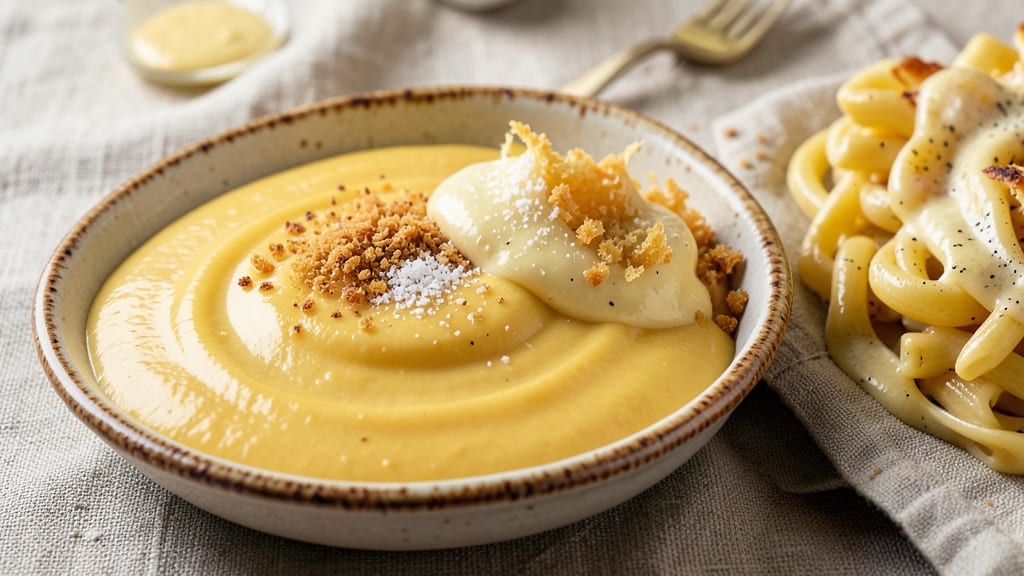
This cheese sauce recipe UK delivers that signature velvety, lump-free texture that makes every bite irresistible. After years of perfecting the technique—especially when making mac and cheese for my daughter Lily—I’ve cracked the code for a sauce that’s rich, smooth, and foolproof.
The secret lies in the roux and how you melt the cheese, ensuring it never seizes or clumps.
What sets this recipe apart is its simplicity and adaptability. You’ll use just five core ingredients—flour, butter, milk, mature cheddar, and a touch of mustard powder—to create a sauce that’s creamy yet balanced.
The mustard powder is key; it prevents the cheese from curdling and adds a subtle depth that elevates the flavor. This method works equally well for classic mac and cheese, as a dip for veggies, or even a topping for baked potatoes.
The result is a sauce so silky it practically melts on your tongue, with a golden hue that signals perfection. No lumps, no graininess—just that luxurious, restaurant-quality texture you crave. The best part?
It takes less than 15 minutes to make, and the leftovers reheat beautifully, making it a weeknight staple. Trust me, once you try this, you’ll never go back to store-bought.
For those with dietary preferences, I’ve included variations using Greek yogurt or nutritional yeast for a lighter, vegan-friendly version. The technique remains the same—just swap the ingredients. Let’s get started on creating the ultimate cheese sauce that’ll have everyone asking for seconds.
Ingredients for cheese sauce recipe uk
Five simple ingredients transform into that ultra-smooth, UK-style cheese sauce everyone craves.
| Ingredient | Amount | Notes |
|---|---|---|
| All-Purpose Flour 🌾 | ¼ cup | For smooth roux base |
| Unsalted Butter 🧈 | ½ cup | Cold, cubed for roux |
| Whole Milk 🥛 | 2 cups | Full-fat for creaminess |
| Mature Cheddar Cheese 🧀 | 2 cups | Shredded, sharp variety |
| Mustard Powder 🌶️ | ½ tsp | Prevents curdling |
| Salt 🧂 | ½ tsp | Kosher or sea salt |
| Black Pepper 🌶️ | ¼ tsp | Freshly ground preferred |
| Lemon Juice 🍋 | 1 tsp | Brightens flavor |
The cheddar is non-negotiable here—mature, sharp cheddar melts best and gives that authentic UK richness. Tesco or Sainsbury's carry excellent options, or grab a block from the deli counter. For the butter, I always use Plugrá or President (the European-style kind)—they have higher fat content, which is key for that velvety texture. If you're in the US, Land O'Lakes or Kerrygold work perfectly. The mustard powder might seem like an odd addition, but trust me, it's the secret weapon—prevents curdling and adds depth. Grab the jar from the spice aisle, not the baking section.
No sharp cheddar? Parmesan mixed with mild cheddar works in a pinch, but the flavor won't be quite the same. Out of whole milk? Half-and-half or heavy cream gives similar richness, though the texture will be slightly heavier. The lemon juice might seem unnecessary, but it's what keeps the sauce from getting too heavy—freshly squeezed is best, but bottled works if you're in a hurry. For a lighter version, swap half the milk for Greek yogurt or crème fraîche. And if you're making this vegan, nutritional yeast plus cashew cream mimics that cheesy umami perfectly.
This sauce reheats like a dream—just add a splash of milk if it thickens too much. Keeps in the fridge for 5-6 days, though I usually make it fresh every few days. For freezing, portion into ice cube trays, then transfer to a bag—3 months max. The secret to reheating? Low heat only. High heat turns it grainy. Perfect for mac and cheese, baked potatoes, or even as a dip. Make a double batch—it disappears fast.
Why You'll Love This Recipe
- Pantry Magic: I swear by this one—just butter, flour, milk, and that sharp cheddar from the back of your fridge. No fancy gadgets, no last-minute shopping. Honestly, I’ve made it while waiting for the kettle to boil.
- Cheese Love Bomb: That mustard powder cut? Chef’s kiss. It keeps the sauce from being too heavy while letting the cheddar sing—creamy, tangy, and just a little kick. My kids ask for it on everything, even toast (yes, even on a Tuesday night).
- Dinner Party MVP: Slap it on mac and cheese, stir it into baked potatoes, or drizzle it over veggies—it’s the glue that makes everything feel special. I’ve used it for lazy weeknight dinners and impressing in-laws. No judgment either way.
- Leftovers That Lie: Make a double batch and thank me later. This sauce thickens beautifully when reheated, so it’s my go-to for meal prep. Between us, I’ve frozen it for up to three months—still tastes fresh, not sad. Budget win, too.
Step-by-step instructions for creamy cheese sauce
Here's how to make a lusciously smooth cheese sauce that coats perfectly every bite.
Create the Perfect Roux Base
Melt the 0.5 cup unsalted butter in a medium saucepan over medium-low heat. Once the butter has completely melted and starts to foam, immediately whisk in the 0.25 cup all-purpose flour. This is where the magic begins—your roux needs to cook just until it turns a pale golden color, about 1-2 minutes. If you let it brown, you'll get a nutty flavor instead of that clean, velvety base we want.
Keep whisking constantly during this time. You'll notice the mixture thicken and change texture—this is normal. The key is patience here. If the roux starts to smell toasty or darken, remove it from heat immediately. We want a smooth, lump-free foundation for our cheese sauce, and that starts with this perfect roux.
Gradually Add the Milk
Slowly pour in the 2 cups whole milk, about ¼ cup at a time, whisking vigorously after each addition. This gradual approach prevents lumps from forming. You'll see the mixture thicken as you go, but don't worry if it looks a bit curdled at first—this will smooth out as we continue cooking.
Once all the milk is incorporated, increase the heat to medium and let the sauce simmer gently for 3-4 minutes. You're looking for it to thicken enough to coat the back of a spoon. Stir occasionally to prevent any sticking or burning at the bottom of the pan. The mustard powder and lemon juice will go in next, but first, we need this base properly emulsified.
Incorporate the Cheese and Seasonings
Reduce the heat to low and begin adding the 2 cups mature cheddar cheese, stirring constantly until fully melted and smooth. This is where that mustard powder comes into play—it helps prevent curdling by stabilizing the cheese's proteins. Add the 0.5 tsp mustard powder, 0.5 tsp salt, 0.25 tsp black pepper, and 1 tsp lemon juice now, stirring well to distribute evenly.
The lemon juice might seem like a small addition, but it brightens the rich cheese flavor and prevents the sauce from tasting too heavy. Keep stirring gently—you don't want to create any air bubbles, which could make the sauce break later. If the sauce starts to thicken too much, you can add a splash of milk to loosen it, but we want it thick enough to cling beautifully to whatever you're serving it with.
Finish and Serve Immediately
Once the cheese is completely melted and the sauce is smooth, give it one final taste and adjust the seasoning if needed. The sauce should be rich, velvety, and perfectly balanced between salty, sharp, and slightly tangy. Transfer it to a serving dish and keep it warm over low heat—this sauce doesn't wait well and will thicken as it cools.
For the best results, serve immediately over macaroni, mashed potatoes, or crusty bread. The texture should be silky, with no lumps or graininess. If you notice any lumps while serving, simply whisk vigorously to smooth them out. This cheese sauce is the perfect companion to so many dishes—enjoy it while it's hot and creamy!
Pro Tips For Making Cheese Sauce Recipe Uk
- MELT THE CHEESE SLOWLY: I learned this the hard way—dumping grated cheddar straight into hot sauce and ending up with clumps. Warm the milk first, then whisk in the cheese gradually while keeping the sauce on low heat. If it starts to separate, take it off the heat and stir like your life depends on it.
- USE COLD BUTTER: Don’t let the butter melt into a puddle before adding flour—that’s how you get a gluey mess. Cut the cold butter into small cubes and toss them into the pan first. Let it sizzle for 30 seconds until it’s foamy but not brown, then add the flour. This keeps the roux from turning into a sad, greasy paste.
- GRATE THE CHEESE FRESH: Pre-shredded cheddar is coated in anti-caking agents that make your sauce grainy no matter how much you strain it. Grab a box of mature cheddar, pull out the block, and grate it yourself—just before you need it. If you’re lazy, at least buy the "block" version sold in deli sections and grate it yourself. Your sauce will thank you.
- STIR THE MILK FIRST: Whole milk separates when heated, and nothing ruins a cheese sauce faster than curdling. Before adding it to the roux, pour the milk into a saucepan and warm it gently—just until tiny bubbles form around the edges. Then, whisk it into the sauce slowly while keeping the heat low. No one wants cottage cheese in their mac and cheese.
Dietary considerations for these flavors
Vegan Cheese Sauce
For a plant-based version, swap the dairy cheese for 1 cup nutritional yeast plus ½ cup cashew cream (soaked overnight in water, then blended). The nutritional yeast provides that cheesy umami, while the cashews add creaminess. I use Bob's Red Mill nutritional yeast—it's the most flavorful brand I've found.
Add 1 tbsp lemon juice and ½ tsp garlic powder to boost the savory notes. This version works perfectly as a mac and cheese sauce or for dipping roasted veggies. 🌱
Gluten-Free Adaptation
Replace the all-purpose flour with ¼ cup gluten-free flour blend (I recommend King Arthur Measure for Measure—it's my go-to for smooth textures). You may need to add an extra 1 tbsp cornstarch to help thicken the sauce properly.
The roux will be slightly different, so cook it for 1-2 minutes longer to ensure it reaches that pale golden color. Taste as you go—sometimes gluten-free versions need a bit more salt to balance the flavor. 🥄
Dairy-Free Cheese
If you're avoiding dairy but not plant-based, try 2 cups dairy-free cheddar shreds (like Violife or Daiya). These brands melt beautifully and provide that sharp cheddar flavor. Add 1 tbsp white miso paste to the roux before adding milk—it deepens the savory profile.
For extra creaminess, stir in 2 tbsp coconut cream at the end. This version is perfect for those with lactose intolerance but still want that rich, cheesy taste. 🧀
Lower-Calorie Option
Cut calories by using 1 cup low-fat Greek yogurt instead of half the milk, and reduce the butter to ¼ cup. Add 1 tbsp cornstarch to the roux to help thicken without extra fat.
For flavor, boost the seasoning with ½ tsp smoked paprika and 1 tsp Dijon mustard instead of powder. This lighter version still delivers that creamy texture but with fewer calories—ideal for weeknight dinners when you want comfort without guilt. 💪
Nut-Free Allergy-Friendly
For nut allergies, skip the cashew cream and use ½ cup blended silken tofu instead. It adds protein and creaminess without nuts. Add 1 tsp apple cider vinegar to mimic the tang of lemon juice and help balance the flavors.
This version is just as smooth and safe for those with nut allergies. Always check labels on nutritional yeast and dairy-free cheeses to ensure they're processed in nut-free facilities. 🚫🌰
Nutrition facts
Frequently asked questions
Why does my cheese sauce keep getting lumpy?
The most common cause is adding cheese too quickly or not stirring constantly over low heat. Always melt cheese gradually while whisking vigorously. For extra smoothness, try adding a splash of cold milk to cool the sauce slightly before adding cheese. The mustard powder in this recipe actually helps prevent lumps by stabilizing the proteins!
Can I use any cheese in this recipe?
Not all cheeses melt the same way! For the best results, stick with mature cheddar—it melts smoothly and has that signature sharp flavor. Mild cheddar works in a pinch, but you'll lose some depth. Avoid pre-shredded cheese (it contains anti-caking agents that prevent proper melting). For extra richness, blend ½ cup grated Parmesan into the finished sauce.
How do I make this sauce thicker or thinner?
For a thicker sauce, simmer uncovered for 2-3 extra minutes to evaporate moisture. Need it thinner? Stir in 1-2 tablespoons milk at a time until reaching your desired consistency. Remember—this sauce thickens as it cools, so adjust while still warm. If it gets too thick while reheating, add a splash of milk and whisk vigorously.
What's the best way to reheat leftover cheese sauce?
Always reheat gently over low heat on the stovetop, stirring constantly. Microwaving can make it grainy. If it thickens too much, add 1-2 tablespoons milk to loosen it. For best results, reheat only until warmed through—overcooking can break the emulsion and create separation. Store leftovers in an airtight container for up to 5 days.
Can I make this sauce ahead of time?
You can prepare everything up to the cheese step, then refrigerate the roux mixture for up to 24 hours. When ready to use, simply add the milk and cheese as directed. For complete make-ahead prep, freeze the finished sauce in ice cube trays, then transfer to a bag. Thaw overnight in the fridge and reheat gently. The texture will be slightly thicker after freezing, so add extra milk as needed.