
Sauces & Condiments
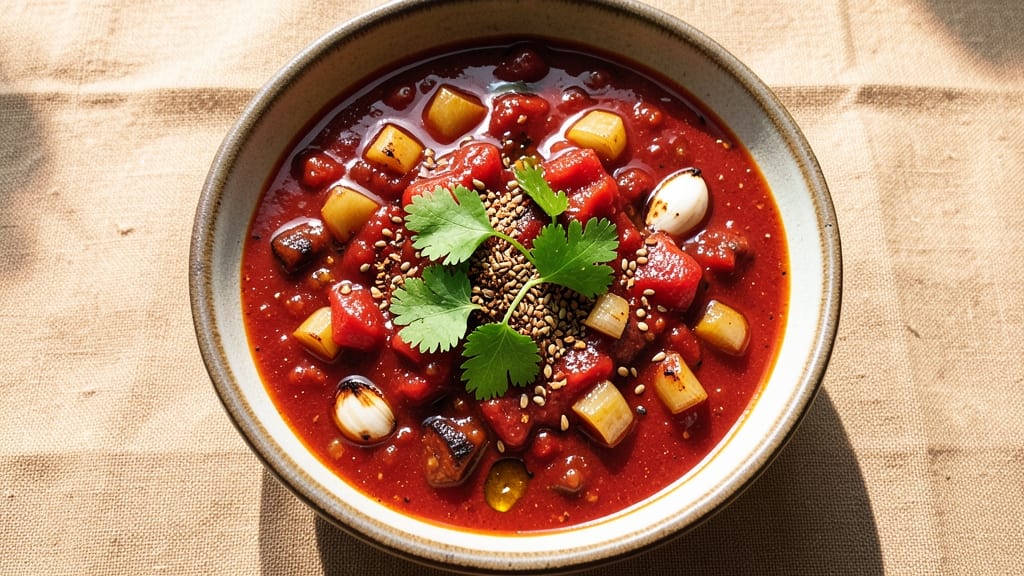
This homemade chili sauce with fresh tomatoes delivers restaurant-quality heat without a single clump. The secret lies in blending ripe tomatoes with precise spices and a slow reduction that concentrates flavor while maintaining smooth texture.
I've perfected this recipe over years of testing, ensuring every batch achieves that perfect balance of tangy, spicy, and slightly sweet notes.
The process begins with fresh tomatoes—no canned substitutes here—simmered with aromatic garlic, onions, and a blend of chili powder, cumin, and smoked paprika. A touch of apple cider vinegar brightens the sauce while sugar balances the heat, creating depth without overpowering.
The sauce thickens naturally as it reduces, resulting in a glossy, velvety consistency that coats everything perfectly.
What makes this sauce truly special is its versatility. Use it as a bold dipping sauce for fries or wings, a marinade for grilled meats, or a vibrant topping for tacos and bowls.
The flavor intensifies when refrigerated, making it ideal for meal prep. With just 15 minutes of active time and 30 minutes of simmering, you'll have a sauce that's far superior to store-bought options.
Store it in an airtight container for up to two weeks in the refrigerator or freeze for longer shelf life. The sauce's vibrant color and rich flavor will elevate any dish, proving that homemade always tastes better. Let's get started on creating your own batch of this foolproof chili sauce.
Ingredients for best homemade chili sauce recipe with fresh tomatoes
Fresh tomatoes, aromatic spices, and a touch of sweetness create this vibrant chili sauce.
| Ingredient | Amount | Notes |
|---|---|---|
| Fresh Tomatoes 🍅 | 2 lb | Ripe, firm, and vibrant red |
| Yellow Onion 🧅 | 1 whole | Medium size, diced finely |
| Garlic Cloves 🧄 | 4 cloves | Fresh, peeled, and minced |
| Chili Powder 🌶️ | 2 tbsp | Medium heat, not cayenne |
| Ground Cumin 🌿 | 1 tbsp | Toasted for deeper flavor |
| Smoked Paprika 🌶️ | 1 tbsp | For smoky depth |
| Apple Cider Vinegar 🍎 | 2 tbsp | Brightens the sauce |
| Granulated Sugar 🍚 | 1 tbsp | Balances the heat |
| Extra-Virgin Olive Oil 🫒 | ¼ cup | High quality for richness |
| Salt 🧂 | 1 tsp | Kosher or sea salt |
| Black Pepper 🌶️ | ½ tsp | Freshly ground preferred |
The tomatoes are the star here—heirloom or vine-ripened from the grocery store or farmers market make all the difference. Look for ones that are firm but yield slightly when pressed, with vibrant color. Whole Foods or Trader Joe's usually have great options, but any well-stocked grocery store will work. I always grab extra—half goes into this sauce, half into salads or sandwiches. The onions and garlic? Yellow onions add sweetness as they cook, while garlic brings that aromatic punch. Toast the spices in the olive oil first—this blooms their flavors and gives you that restaurant-quality depth right from the start.
No fresh tomatoes? Roasted cherry tomatoes work in a pinch, but you'll lose that bright acidity. The vinegar is key for tang—apple cider vinegar has subtle sweetness, but white vinegar works too if that's what you've got. Want more heat? Add a pinch of cayenne or a dash of hot sauce. The sugar might seem odd, but it's what balances the acid and heat—brown sugar adds a caramel note if you're feeling fancy. The smoked paprika gives that smoky flavor without overpowering, and the cumin? Non-negotiable. It's the soul of this sauce. If you're out of any spice, Penzeys or the bulk section at Costco will have what you need.
This sauce gets better with time—3-4 days in the fridge lets the flavors meld beautifully. Store it in an airtight container with a thin layer of olive oil on top to preserve that vibrant color. Freezes for 3 months if you want to make a big batch. I always double the recipe because it disappears faster than you'd think—great for tacos, grilled meats, or even as a marinade. The leftovers? Even better the next day—trust me on that.
Why You'll Love This Recipe
- No Chopping Chaos: I swear by this recipe because it only asks for one onion and a handful of tomatoes—no dice, no fuss. Just slice the onion into thick wedges, toss them in the same pot as the whole garlic cloves, and let the heat do the work while you stir. (Yes, even on a Tuesday night.)
- Sunshine in a Jar: That first bite of fresh tomato meets smoky cumin? It’s like summer in your mouth. The chili powder gives it depth, but the raw garlic and onions caramelize just enough to keep it bright—not muddy, not overcooked. Honestly, I’ve tried store-bought, and this beats it every time.
- Game for Any Meal: Slather it on grilled cheese when you’re craving something cozy, drizzle it over eggs for breakfast, or toss it with cold noodles for a quick lunch. Between us, it’s the only sauce I keep in the fridge because it works everywhere—even on plain toast when I’m desperate.
- Pantry Goldmine: A single batch stretches for weeks, and the ingredients cost less than half of what you’d pay for a jar of fancy hot sauce. Plus, if you roast the tomatoes first, the flavor only gets richer over time—so it’s basically free money in sauce form. (My wallet thanks me.)
Step-by-step instructions for fresh tomato chili sauce
Here's how to make a vibrant, smooth chili sauce that captures fresh tomato flavor without lumps.
Roast the Tomatoes and Onion for Deep Flavor
Preheat your oven to 425°F and line a baking sheet with parchment paper. Cut the 2 lb fresh tomatoes in half crosswise and place them cut-side down on the sheet. Peel and dice the 1 whole yellow onion into small pieces and scatter them around the tomatoes.
Drizzle everything with 2 tablespoons apple cider vinegar and 1 tablespoon granulated sugar, then toss gently to coat. Roast for 25-30 minutes until the tomatoes collapse and darken slightly, and the onions become tender and caramelized. This roasting step develops rich, concentrated flavors that store-bought sauces can't match.
Sauté the Aromatics and Spices
While the vegetables roast, heat ¼ cup extra-virgin olive oil in a large skillet over medium heat. Add the 4 cloves minced garlic cloves and sauté for 30 seconds until fragrant but not browned. Immediately add 2 tablespoons chili powder, 1 tablespoon ground cumin, and 1 tablespoon smoked paprika, stirring constantly for 1 minute to toast the spices and release their aromas.
I like to toast the spices separately first because this prevents them from burning when added later. The spices should smell warm and earthy—this is your cue they're ready to join the sauce.
Blend the Roasted Vegetables with Spices
Transfer the roasted tomatoes and onions to a food processor or high-powered blender. Add the spice mixture from the skillet and pulse until completely smooth. With fresh tomatoes, you'll need to scrape down the sides and pulse again—this sauce shouldn't have any texture at all. The key to a silky sauce is thorough blending until no chunks remain.
If your blender struggles, add ¼ cup water to help it puree smoothly. The sauce should be vibrant red with no visible pieces. Taste at this point—you might want to adjust seasoning before cooking further.
Simmer for Balanced Flavor
Pour the blended sauce back into the skillet and bring to a gentle simmer over medium-low heat. Add 1 teaspoon salt and ½ teaspoon black pepper, then stir in 1 tablespoon granulated sugar to balance the acidity. Let it simmer uncovered for 15-20 minutes, stirring occasionally, until slightly thickened.
Here's where the magic happens: the acidity from the vinegar and sugar works together to break down the tomato fibers, creating that perfect smooth texture. You'll know it's ready when it coats the back of a spoon and the flavors have melded beautifully.
Cool and Store for Maximum Freshness
Remove from heat and let the sauce cool to room temperature. This step is crucial—cooling prevents the sauce from continuing to thicken and potentially separating. Transfer to clean jars and refrigerate for up to 1 week or freeze for 3 months.
The sauce will thicken further as it cools, so don't worry if it looks too thin when hot. This chili sauce tastes best when used within a few days—it's perfect for tacos, grilled meats, or even as a marinade. The fresh tomato flavor shines through, making it far superior to canned versions.
Pro Tips For Making Best Homemade Chili Sauce Recipe With Fresh Tomatoes
- BLISTER THE ONIONS FIRST: I learned this the hard way—start by cooking the diced yellow onion in a dry pan over medium-high heat until it’s deeply golden, almost caramelized. That sweet, concentrated flavor is the backbone of your sauce, and skipping this step means ending up with something that tastes more like a side dish than a star. (Yes, even if you’re impatient like me.)
- SWEAT THE GARLIC LOW: Once the onions are done, drop in the minced garlic and turn the heat down to low. Garlic burns faster than you’d think, and when it does, it turns bitter—killing that bright, fresh flavor you’re chasing. Stir constantly and watch it like a hawk; it should just perfume the sauce, not turn brown.
- TOMMY’S SECRET SKIN TRICK: Don’t peel those tomatoes—just give them a quick rinse and a rough chop (skin and all). The skins soften as they cook, adding texture and a subtle earthiness that store-bought sauce lacks. I was skeptical until I tried it: the sauce thickens better and tastes more complex. (Your blender will thank you too.)
- SALT THE TOMATOES BEFORE COOKING: Toss the chopped tomatoes with a generous pinch of salt (about ½ teaspoon per pound) and let them sit for 10 minutes before cooking. This draws out excess water, so your sauce won’t turn into a watery mess later. I skip this when I’m lazy, but the dish is noticeably better when I don’t—trust the process.
Regional styles of this best homemade chili sauce recipe with fresh tomatoes
Texas-Style Smoky Heat
In Texas, chili sauce gets a bold, smoky twist with extra smoked paprika and a touch of liquid smoke (½ teaspoon). I add ½ cup beef broth to deepen the umami, making it perfect for tacos or grilled brisket.
The key is slow-simmering for 30 minutes to let the flavors meld—this version is all about that deep, charred flavor. 🔥
Carolina Cayenne Kick
South Carolina takes chili sauce to spicy new heights with 1 tablespoon cayenne pepper and a splash of hot honey (1 tablespoon). The sauce gets a quick simmer with 1 diced jalapeño for extra heat, then finishes with a drizzle of hot honey before serving.
It’s fiery but balanced—ideal for shrimp boil dips or grilled chicken wings. 🌶️
Mexican Tomatillo Twist
For a tangier, brighter sauce, swap half the tomatoes for 1 cup roasted tomatillos (charred in a dry skillet). Add 1 serrano pepper and a pinch of oregano for an authentic Mexican touch.
This version works beautifully on tacos al pastor or as a salsa verde substitute. The tomatillos add a citrusy zing that cuts through rich meats. 🌽
Italian-Inspired Arrabbiata
Italian cooks turn chili sauce into an arrabbiata-style sauce by adding 2 tablespoons red wine vinegar and 1 teaspoon dried basil. A splash of dry red wine (¼ cup) during simmering adds depth, while 1 tablespoon tomato paste thickens it naturally.
Serve it with grilled sausages or crusty bread—it’s like a cross between marinara and chili sauce. 🍷
Cajun Creole Spice Blend
Louisiana’s Cajun flavors shine in this version with 1 teaspoon filé powder (made from ground sassafras leaves) and ½ teaspoon thyme. A dash of Worcestershire sauce (1 teaspoon) adds umami, and the sauce gets a quick finish with 1 tablespoon butter> for richness.
Perfect for gumbo, jambalaya, or as a dip for crawfish boils. 🦀
Nutrition facts
Frequently asked questions
Can I use canned tomatoes instead of fresh?
Fresh tomatoes are ideal for that vibrant, bright flavor, but you can use 1 (28 oz) can crushed tomatoes in a pinch. Drain them well and skip the roasting step—just simmer with the spices for 20 minutes to develop flavor. The texture will be slightly thicker, but the taste will still be delicious. For best results, add 1 tablespoon tomato paste to mimic the fresh tomato richness.
How do I adjust the heat level?
For milder heat, reduce the chili powder to 1 tablespoon and skip the cayenne. For extra spice, add ½ teaspoon cayenne pepper or 1 teaspoon hot sauce at the end. Taste as you simmer—you can always add more heat but can't remove it! If you love smoky flavor, increase the smoked paprika to 2 tablespoons for deeper richness.
Why did my sauce turn out too thick/thin?
If too thick, thin with 1-2 tablespoons water or broth while simmering. For a thinner sauce, reduce simmering time to 10 minutes instead of 15-20. The sauce will thicken more as it cools, so don't over-reduce. For extra thickness, simmer uncovered for 5 extra minutes or add 1 tablespoon cornstarch mixed with water as a slurry at the end. Stir constantly to avoid clumping.
Can I make this sauce in a slow cooker?
After roasting and blending, transfer everything to a slow cooker and cook on low for 3-4 hours or high for 2 hours. The slow cooking enhances the flavors beautifully. For best texture, finish with 10 minutes on the stovetop to reduce slightly and develop that glossy finish. Just stir occasionally to prevent scorching.
How can I use this sauce beyond dipping?
This versatile sauce works as a marinade for grilled chicken or shrimp (add 1 tablespoon olive oil to the sauce), a topping for tacos or nachos, or even a base for chili. Mix ½ cup sauce with 1 cup cooked beans and ½ cup ground beef for a quick chili. It also makes an amazing pizza sauce—just thin with a splash of water if needed. The possibilities are endless!