
Sauces & Condiments
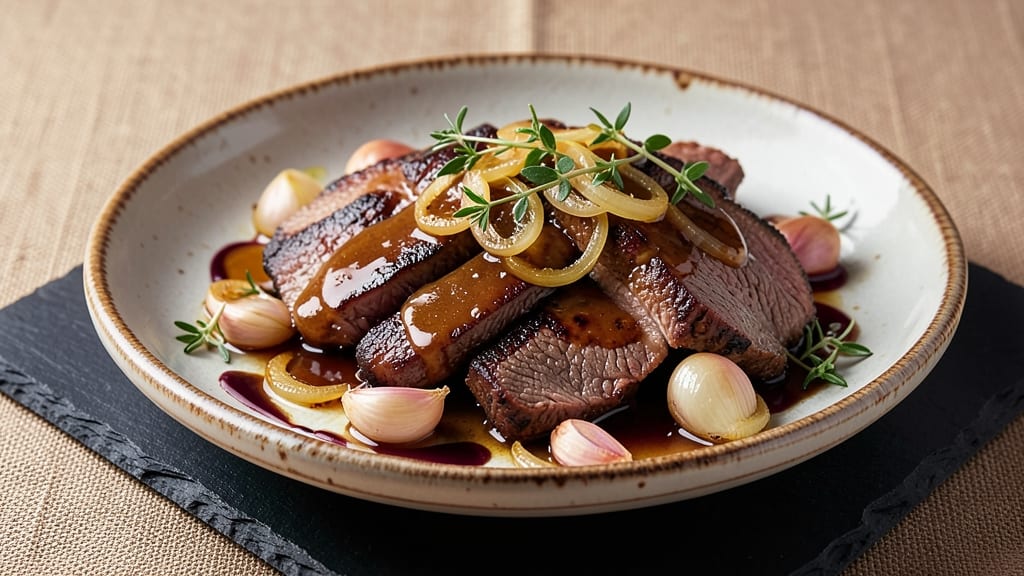
Transforming beef liver pan drippings into velvety sauce is where home cooking meets restaurant-quality depth. 🌟 The secret lies in simmering onions, garlic, and herbs until they release their natural sweetness, then combining them with wine and broth for a sauce that feels both luxurious and effortless.
This isn't just a sauce—it's a flavor multiplier that elevates any beef liver dish from ordinary to extraordinary.
The process begins with a simple technique: deglazing the pan after cooking liver to capture all those precious browned bits that hold intense flavor. Adding red wine reduces into a rich base, while thyme and bay leaf infuse earthy warmth.
The result is a sauce that's silky, aromatic, and packed with umami—exactly what you want clinging to tender liver slices.
What makes this sauce special is its versatility. Use it to coat pan-seared liver for extra richness, drizzle it over mashed potatoes, or serve it alongside roasted vegetables.
The sauce keeps beautifully in the refrigerator for up to five days, making it perfect for meal prepping or gifting to fellow food enthusiasts.
This recipe delivers restaurant-quality results with minimal effort—just 30 minutes of active time and a few simple ingredients. The key is patience during the reduction phase, allowing the flavors to meld into a harmonious, velvety finish that turns every bite into a memorable experience.
Ingredients for beef liver sauce
Eleven ingredients transform humble pan drippings into restaurant-worthy velvety sauce magic.
| Ingredient | Amount | Notes |
|---|---|---|
| Beef Liver Pan Drippings 🍖 | ½ cup | From cooked liver pan, strained |
| Yellow Onions 🧅 | 1 whole | Diced, medium size |
| Garlic Cloves 🧄 | 4 cloves | Minced, fresh preferred |
| Dry Red Wine 🍷 | ½ cup | Bold variety like Cabernet |
| Beef Broth 💧 | 1 cup | Low-sodium preferred |
| Fresh Thyme 🌿 | 1 tbsp | Leaves only, chopped |
| Bay Leaves 🍃 | 1 whole | Fresh preferred |
| Unsalted Butter 🧈 | 2 tbsp | Cold, cubed |
| All-Purpose Flour 🌾 | 1 tbsp | For thickening |
| Kosher Salt 🧂 | ½ tsp | Adjust to taste |
| Freshly Ground Black Pepper 🌶️ | ¼ tsp | For finishing |
The liver drippings are the heart of this sauce—never skip the deglazing step. Look for fresh beef liver at specialty butchers or the meat counter for the richest flavor. Yellow onions should be sweet and firm, not wilted. Whole Foods or Trader Joe's often carry high-quality onions perfect for this recipe. Garlic cloves should be plump and free of sprouts, with a vibrant purple hue indicating freshness. The red wine is critical—opt for a bold, dry variety like Cabernet Sauvignon or Merlot, as their tannins help create the sauce's depth. Avoid sweet or fruity wines that can overpower the dish.
No red wine? Dry sherry or beef broth with a splash of balsamic vinegar works in a pinch. Fresh thyme is ideal, but dried thyme at one-third the amount suffices. For the butter, European-style unsalted melts more smoothly than American brands. The flour should be all-purpose, not cake flour, to ensure proper thickening. If you're using pre-minced garlic, rinse it first to remove excess moisture. The bay leaves can be fresh or dried—just remember to remove them before serving.
This sauce is best made fresh, but it reheats beautifully. Store in an airtight container in the refrigerator for up to 5 days. For longer storage, freeze in ice cube trays for 3 months. The sauce thickens as it cools, so add a splash of warm water or broth when reheating. If thickening too much, whisk in a bit of warm beef broth to restore the perfect velvety consistency. Always taste and adjust seasoning before serving—this sauce deserves to shine.
Why You'll Love This Recipe
- Uses What You Have: I swear by this sauce because it turns scraps into gold. That beef liver you sear for dinner? The drippings alone—caramelized onions, garlic, and wine—make a sauce so rich, you’ll forget it started as leftovers.
- Deep Umami Magic: The red wine and beef broth create this unbelievable depth—like a hug in a pan. It’s not just flavor; it’s that thing that makes you pause mid-bite and think, “Wait, how is this so good?”
- Weeknight to Dinner Party: Same sauce, different vibes. Slather it on toast for a quick lunch, drizzle it over roasted potatoes for dinner, or serve it with crusty bread when friends drop by. No extra effort, just instant elevation.
- Budget-Friendly Luxury: Honestly, this is my way to feel fancy without breaking the bank. A few dollars’ worth of liver drippings and pantry staples stretch into a sauce that tastes like it cost ten times more—plus, it keeps well for days.
Step-by-step instructions for beef liver sauce
Transform humble pan drippings into a velvety sauce with rich depth and complexity.
🍳 Step 1: Sauté Onions and Garlic in Butter
Heat the 2 tablespoons unsalted butter in a medium saucepan over medium heat. Add the 1 whole yellow onions and cook for 5-6 minutes, stirring occasionally, until softened and beginning to caramelize at the edges. This process builds sweetness that forms the sauce's foundation.
Add the 4 cloves minced garlic and cook for another 30 seconds until fragrant. Here's the thing—don't let the garlic brown or it'll turn bitter. You want it to perfume the onions without overpowering them. The butter should foam but not brown—if it does, reduce the heat slightly. This aromatic base will carry all the flavors we'll develop next.
🍷 Step 2: Deglaze with Red Wine
Pour in the 0.5 cup dry red wine and scrape up any browned bits from the bottom of the pan with a wooden spoon. This deglazing captures all the flavor compounds that would otherwise burn. Let the wine simmer for 3-4 minutes until reduced by half and slightly syrupy in consistency.
Watch closely—you want the wine to reduce but not evaporate completely. When it reaches this stage, you'll notice the aroma becomes more concentrated and complex. This reduction step is crucial for developing the sauce's depth. If it reduces too quickly, lower the heat slightly to maintain control.
🥘 Step 3: Build the Sauce Base
Add the 1 cup beef broth, 1 whole bay leaves, and 1 tablespoon fresh thyme. Stir well and bring to a gentle simmer. Add the 0.5 cup beef liver pan drippings and stir to combine. The liver drippings contain concentrated umami flavors that will transform this into a rich sauce.
Simmer the mixture for 10-12 minutes until it reduces by about one-third and thickens slightly. You'll see the sauce coat the back of a spoon and develop a glossy sheen. This reduction step is where the sauce's texture comes together. If it reduces too quickly, add a splash of water or broth to maintain the proper consistency.
🔪 Step 4: Thicken and Season
In a small bowl, whisk together the 1 tablespoon all-purpose flour and 0.5 teaspoon kosher salt. Gradually whisk this mixture into the simmering sauce, stirring constantly for 1-2 minutes until it thickens noticeably. The flour will help create that velvety texture we're after.
Remove the sauce from heat and stir in the 0.25 teaspoon freshly ground black pepper. Taste and adjust the seasoning if needed—you might need a bit more salt to balance the flavors. Here's where the sauce comes together. It should be smooth, glossy, and rich with layers of flavor from the liver drippings, wine, and aromatics.
⏰ Step 5: Finish and Serve
Let the sauce rest for 5 minutes off the heat. This resting period allows the flavors to meld and the sauce to reach its final consistency. Skim off any excess fat that has risen to the surface if you prefer a lighter sauce.
Serve immediately over roasted vegetables, grilled meats, or crusty bread. The sauce should coat the back of a spoon and have a velvety texture with deep, complex flavors. If it thickens too much while serving, whisk in a splash of warm broth to restore the proper consistency. This sauce is best enjoyed fresh when all the flavors are at their peak.
Pro Tips For Making Beef Liver Sauce
- Sear the Liver First: I learned this the hard way—skipping the initial sear means your sauce will taste flat and mealy. Pat the liver slices completely dry, then hit them with high heat in a cold pan for 30 seconds per side before adding anything else. The crust locks in flavor and keeps the texture tender, not rubbery.
- Deglaze Immediately: As soon as you remove the liver, wipe the pan clean with a paper towel, then crank the heat back to medium-high. Pour in that red wine hot—it’s the only way to lift all the browned bits off the bottom. Let it bubble for 2 full minutes before adding onions; rushing this step means half your flavor disappears down the drain.
- Sweat Onions Low and Slow: I was skeptical until I tried it: cook the onions on low heat for 10 minutes before adding garlic. They’ll turn translucent and sweet, not browned or bitter. If they start to stick, add a splash of beef broth to loosen them—this is where the sauce’s depth comes from, not just the wine.
- Strain the Broth: Sounds weird, but it works: after simmering the wine and onions, strain the mixture through a fine-mesh sieve before adding beef broth. This removes any grit or overcooked onion bits that’ll make your sauce taste muddy. (Yes, even if you’re impatient like me—trust the process.)
Serving suggestions for this recipe
Liver Sauce Pairings
Serve this rich sauce alongside pan-seared beef liver for an extra layer of flavor that makes every bite decadent. The velvety texture coats the liver perfectly, balancing its natural richness. I like to drizzle it over crispy fried potatoes or creamy mashed potatoes for a hearty meal. 🍽️
Vegetable Companions
Roasted asparagus or green beans bring freshness to cut through the sauce's richness. Toss them with a pinch of sea salt and a drizzle of olive oil before roasting at 400°F for 12-15 minutes. The bright, crisp vegetables contrast beautifully with the deep, umami sauce.
Bread Service
Warm crusty sourdough or brioche makes an excellent accompaniment. Toast it lightly and serve with extra sauce for dipping. I love using Eataly's sourdough from the bakery section—it's perfect for soaking up every drop of this luxurious sauce.
Cheese Plating
Add a sharp cheddar or blue cheese crumble to your plate for a sophisticated touch. The tangy cheese pairs wonderfully with the sauce's depth, creating a balanced flavor profile. I often serve it with aged Gouda for a milder but equally delicious option.
Sauce Storage Tips
Store leftovers in an airtight container in the refrigerator for up to 5 days. When reheating, warm it gently over low heat with a splash of beef broth to restore its silky texture.
For longer storage, freeze in ice cube trays and transfer to a freezer bag for up to 3 months. 💫
Nutrition facts
Frequently asked questions
Can I make this sauce without beef liver drippings?
Yes, but the flavor will be less rich. Replace the 0.5 cup liver drippings with an extra 0.5 cup beef broth or 1 tablespoon beef bouillon powder dissolved in warm water. For depth, add 1 teaspoon Worcestershire sauce to mimic the umami from liver. The sauce will still be delicious but won't have the same concentrated meaty flavor.
How do I prevent the sauce from getting lumpy?
Whisk the flour into the broth first to create a smooth slurry before adding it to the sauce. Also, keep the heat at a gentle simmer—not a rolling boil—when thickening. If lumps appear, blend the sauce briefly with an immersion blender for a silky texture. Always whisk constantly while the flour cooks to prevent clumping.
What's the best wine substitute if I don't have red wine?
Use dry sherry or balsamic vinegar (reduce 2 tablespoons vinegar with 1 tablespoon sugar) for acidity. For depth, try 1 tablespoon soy sauce plus 0.5 cup beef broth. Avoid sweet wines—they'll make the sauce cloying. The key is balancing acidity and umami to replace the wine's complexity.
Can I make this sauce ahead of time?
This sauce actually tastes better the next day as flavors meld. Store it in an airtight container in the fridge for up to 5 days. Reheat gently over low heat with a splash of beef broth to restore its velvety texture. For freezing, portion into ice cube trays and transfer to a bag for up to 3 months.
Why did my sauce turn out too thin?
This usually happens from over-reducing or not enough thickening agent. For future batches, simmer uncovered until reduced by one-third (about 15 minutes) and use 1.5 tablespoons flour instead of 1. If it's too thin now, mix 1 tablespoon cornstarch with 1 tablespoon cold water, stir into the sauce, and simmer for 2 minutes until thickened.