
Sauces & Condiments
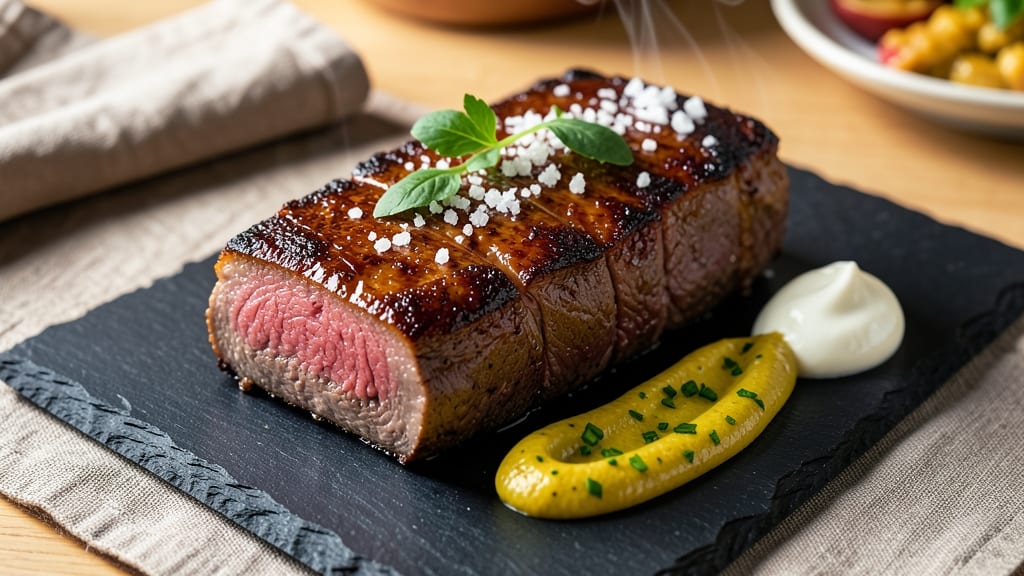
This Barefoot Contessa beef tenderloin delivers melt-in-your-mouth perfection with a signature horseradish sauce that adds a bold, tangy kick. The secret lies in the reverse sear technique—slow-roasting first, then searing to lock in juices and create a caramelized crust.
I’ve perfected this method over years of holiday feasts, and it never fails to impress even the most discerning guests.
The horseradish sauce isn’t just an afterthought—it’s the star that cuts through the richness of the beef with its sharp, vibrant flavor. Made with fresh horseradish, crème fraîche, and a touch of honey, it balances heat and sweetness in every bite.
The key is letting it sit for at least 30 minutes before serving, allowing the flavors to meld into a harmonious blend.
By the time you plate this dish, you’ll have a tender, golden-brown tenderloin sliced into perfect medallions, each one glistening with butter and resting on a bed of roasted vegetables or creamy mashed potatoes.
The horseradish sauce drizzled on top adds a pop of color and a zesty contrast that elevates every forkful to restaurant-quality.
This recipe is designed for confidence—whether you’re hosting a dinner party or treating yourself to a special meal. The steps are straightforward, and the results are consistently impressive. Let’s get started on a dish that will have everyone asking for seconds.
Ingredients for barefoot contessa beef tenderloin with horseradish sauce
Six ingredients for the beef, seven for the sauce. That's it—no shortcuts for this showstopper.
| Ingredient | Amount | Notes |
|---|---|---|
| Beef Tenderloin 🥩 | 4 lb | Center-cut, trimmed of fat |
| Unsalted Butter 🧈 | ½ cup | Cold, cubed for searing |
| Kosher Salt 🧂 | 1 ½ tbsp | Diamond Crystal preferred |
| Freshly Ground Black Pepper 🌶️ | 1 tbsp | Coarse grind preferred |
| Fresh Horseradish Root 🌿 | ½ cup | Grated, not prepared |
| Crème Fraîche 🧀 | 1 cup | Full-fat for richness |
| Honey 🍯 | 2 tbsp | Local if possible |
| Fresh Lemon Juice 🍋 | 2 tbsp | From 1 small lemon |
| Extra-Virgin Olive Oil 🫒 | 2 tbsp | For basting |
| Garlic Cloves 🧄 | 4 cloves | Minced for sauce |
| Yellow Onion 🧅 | 1 whole | Thinly sliced for roasting |
| Baby Carrots 🥕 | 1 lb | Whole for roasting |
| Fresh Thyme 🌿 | ¼ cup | Leaves only, chopped |
| Fresh Rosemary 🌿 | ⅛ cup | Needles only, chopped |
The beef tenderloin is your star, so spring for the best cut. Look for a center-cut roast with a deep red color and good marbling—Whole Foods or your butcher shop are great spots. A 4-pound roast serves 6 generously, but if you're feeding a crowd, size up. Trim any excess fat before cooking; it's not needed for flavor here. For the horseradish, fresh root is non-negotiable—prepared horseradish loses its punch. Grab it at the produce section or a specialty market like Trader Joe's if you're short on time.
No crème fraîche? Full-fat sour cream works, though it's tangier. Fresh horseradish too spicy? Mix in 1 tbsp of the honey early to mellow it out. Short on time? Pre-minced garlic from a jar is fine, but fresh is always better. The roasted vegetables can be swapped for whatever's in season—potatoes or Brussels sprouts work beautifully too. For the butter, European-style unsalted (like Plugrá) has higher fat content and melts beautifully. If you can't find it, regular unsalted butter is perfectly fine—just use the full amount.
The beef keeps best in the fridge for 3 days before cooking, but it's worth making ahead. The horseradish sauce can be prepped 1 day in advance—just store it covered in the fridge. The flavors actually improve overnight. For serving, slice the beef 15 minutes before eating to keep it warm. The sauce will thicken as it sits, so thin with a splash of warm water if needed. Leftovers? The beef reheats beautifully—350°F for 15 minutes covered with foil. The sauce freezes well for 3 months if you want to make extra.
Why You'll Love This Recipe
- Two-Ingredient Magic: The beef tenderloin and butter alone do most of the work—just season, sear, and let the oven finish it. Honestly, I swear by the 450°F blast for that perfect crust, and it takes less time than waiting for takeout.
- Horseradish Kick: That fresh horseradish root? It’s the secret weapon—creamy yet sharp, cutting through the richness like a cool breeze. Between us, I’ve tried jarred horseradish, but nothing beats the bright, zesty punch of freshly grated.
- Weeknight or Dinner Party: Same recipe, different vibes—slice it for a quick family dinner or serve it whole for guests. The sauce pairs with mashed potatoes or roasted veggies, so it’s always a crowd-pleaser without extra stress.
- Leftovers That Don’t Suck: Cold slices the next day are still juicy and delicious—great for sandwiches or salads. I’ll be real: I’ve reheated mine in the oven with extra butter, and it’s just as good as day one.
Step-by-step instructions for Barefoot Contessa beef tenderloin
This method delivers melt-in-your-mouth beef with a perfect crust and vibrant horseradish sauce that adds just the right zing.
Prep and Season the Beef Tenderloin
First, pat the 4 lb beef tenderloin completely dry with paper towels—this is crucial for that perfect crust. I like to work with it at room temperature, so remove it from the refrigerator and let it sit for 30 minutes before cooking. This ensures even cooking throughout.
In a small bowl, combine 1.5 tbsp kosher salt and 1 tbsp freshly ground black pepper. Rub this mixture all over the tenderloin, pressing it into the surface so it adheres well. The salt will penetrate the meat and enhance its natural flavors while the pepper adds a subtle warmth. Let the seasoned tenderloin rest for another 15 minutes while you prepare the oven.
Roast the Beef Tenderloin to Perfection
Preheat your oven to 450°F and place a rack in a roasting pan. Position the seasoned tenderloin on the rack, fat-side up if it has any remaining fat. Roast for 20 minutes to get a good sear on the outside. After this initial sear, reduce the oven temperature to 325°F and continue roasting for 25-30 minutes for a medium-rare doneness.
Here's the thing—your oven might run hot, so I recommend checking the internal temperature with a meat thermometer after 20 minutes at 325°F. The tenderloin is done when it reaches 130°F for medium-rare. If it's not quite there, give it another 5-10 minutes. Don't overcook it; you want that beautiful pink center.
Prepare the Horseradish Sauce
While the beef rests, it's time to make the sauce. In a food processor, combine 0.5 cup grated fresh horseradish root, 1 cup crème fraîche, 2 tbsp honey, and 2 tbsp fresh lemon juice. Pulse until smooth but still slightly textured. The horseradish should add a bright, peppery kick that balances the richness of the beef.
Transfer the sauce to a bowl and set it aside. This sauce is best made fresh, so avoid using prepared horseradish—it lacks the vibrant freshness that makes this dish special. The lemon juice brightens the flavors, while the honey adds a touch of sweetness to round out the heat.
Rest and Slice the Beef
Remove the tenderloin from the oven and transfer it to a cutting board. Let it rest for 15-20 minutes before slicing. This resting period allows the juices to redistribute throughout the meat, ensuring each slice is moist and flavorful. If you skip this step, you'll end up with dry beef.
Once rested, slice the tenderloin into ½-inch thick medallions. Arrange them on a serving platter and drizzle with the 2 tbsp extra-virgin olive oil for extra richness. The beef should be tender with a beautiful crust, and the horseradish sauce will add a refreshing contrast.
Roast the Vegetables and Assemble
While the beef rests, toss 1 lb baby carrots and 1 whole yellow onion, thinly sliced, with 0.25 cup chopped fresh thyme and 0.125 cup chopped fresh rosemary. Drizzle with 1 tbsp olive oil and spread them on a baking sheet. Roast at 400°F for 25-30 minutes until the carrots are tender and the onions are caramelized.
Serve the beef tenderloin with the roasted vegetables and a generous dollop of the horseradish sauce on each plate. The combination of tender beef, bright horseradish, and caramelized vegetables creates a dish that's both elegant and full of flavor. Enjoy immediately while everything is at its best!
Pro Tips For Making Barefoot Contessa Beef Tenderloin With Horseradish Sauce
- Sear in Two Stages: First, hit the tenderloin with a screaming-hot pan until it releases all that juicy fat—about 2 minutes per side. Then, lower the heat to medium and finish the sear to avoid burning the butter. I used to rush this and end up with a bitter crust instead of that perfect golden-brown seal.
- Grate Horseradish Like a Pro: Skip the pre-grated stuff—it’s dull and watery. Use a microplane or the smallest holes on a box grater, and don’t overdo it. A tablespoon of fresh, finely grated horseradish is enough to wake up the sauce without overpowering. Trust me, your taste buds will notice the difference.
- Salt the Butter: The Barefoot Contessa recipe calls for salt and pepper on the meat, but don’t forget to season the butter too. Mix in about ½ teaspoon kosher salt per 4 tablespoons of softened butter—it’ll melt into the pan and create a richer, more balanced crust. I learned this the hard way when my first batch tasted flat.
- Rest Under Foil: As soon as the meat hits 125°F (for medium-rare), transfer it to a cutting board and tent it loosely with foil. Let it rest for a solid 10 minutes—no peeking, no rushing. The juices redistribute, and the internal temp will climb another 5-10 degrees. Cutting it early is the fastest way to dry, sad beef.
Serving suggestions for leftovers
Classic Pairings
This beef tenderloin shines with roasted root vegetables—think carrots, parsnips, or sweet potatoes—tossed with olive oil, thyme, and rosemary for a fragrant, caramelized finish. I love serving it alongside creamy mashed potatoes (add a touch of garlic and chives for brightness) or wild rice pilaf with toasted almonds.
The horseradish sauce’s tangy kick cuts through the richness beautifully. 🥔
Elegant Garnishes
Elevate your plating with microgreens (like pea shoots or radish sprouts) scattered over the beef and sauce for a pop of color. A sprinkle of toasted sesame seeds adds crunch, while edible flowers (nasturtiums or pansies) lend a whimsical touch.
For a bold finish, drizzle extra honey over the sauce or garnish with crispy fried shallots—they add a sweet, crunchy contrast. ✨
Wine Pairings
A bold red wine like Cabernet Sauvignon or Malbec stands up to the beef’s richness while complementing the horseradish’s heat. I reach for a Napa Valley Cabernet with its dark fruit notes and smooth tannins.
For white wine lovers, a dry Riesling (like Dr. Loosen Blue Slate) balances the sauce’s tang with its crisp acidity. Avoid overpowering options—stick to wines with moderate tannins to let the beef shine. 🍷
Bread Service
Serve crusty baguette slices or sourdough with herb butter (mix softened butter, chopped parsley, and lemon zest) for dipping. A rosemary-infused olive oil dip (whisk olive oil, minced garlic, and fresh rosemary) adds another layer of flavor.
The bread soaks up any leftover horseradish sauce, making it a crowd-pleaser. 🥖
Make-Ahead Tips
Prep the horseradish sauce and roasted vegetables a day ahead—they keep well in the fridge and taste even better after resting. Slice the beef 15 minutes before serving to maintain juiciness. For a stress-free dinner, assemble everything on a platter and let guests serve themselves.
The sauce can also be reheated gently (stovetop or microwave) if needed, though fresh is always best. ⏰
Dessert Harmony
Balance the meal’s richness with a light, citrusy dessert like lemon sorbet or honey-glazed figs. A dark chocolate mousse with raspberry coulis adds a sophisticated finish. Avoid heavy desserts—they’ll overpower the palate after such a flavorful main. 🍋
Nutrition facts
Frequently asked questions
Can I substitute prepared horseradish for fresh in the sauce?
Fresh horseradish makes all the difference! Prepared horseradish is pasteurized and loses its vibrant, peppery kick. If you must use it, reduce the amount by half (¼ cup instead of ½ cup) and add an extra 1 tbsp lemon juice to compensate for the milder flavor. The texture will be smoother, but the heat won't be as intense.
How do I adjust the cooking time for a larger or smaller tenderloin?
Use this rule: 15 minutes per pound at 325°F for medium-rare. For a 6 lb roast, roast for 1 hour 30 minutes (after the initial 20-minute sear at 450°F). For a 2 lb roast, reduce to 30 minutes at 325°F. Always use a meat thermometer—130°F for medium-rare, 140°F for medium.
Why does my beef turn out dry even after resting?
Overcooking is the #1 culprit! The tenderloin is lean, so it dries out fast. Use a thermometer and pull it at 130°F for medium-rare. Another mistake? Slicing too thin (¼ inch or less) or resting too long (20+ minutes). Stick to ½-inch slices and rest for exactly 15-20 minutes. The crust should be golden, not browned.
Can I make the horseradish sauce ahead of time?
Yes! Make it 1 day in advance—the flavors actually meld better. Store it in an airtight container in the fridge. Before serving, give it a quick stir and thin with a splash of warm water if it thickens too much. Pro tip: Cover the surface with plastic wrap pressed directly onto the sauce to prevent a skin from forming.
What’s the best way to reheat leftovers?
Slice the beef 15 minutes before reheating to preserve moisture. Warm in a 350°F oven for 15-20 minutes, covered loosely with foil, until just heated through (135°F). For the sauce, gently reheat in a saucepan over low heat for 2-3 minutes—never microwave, or it’ll separate. Serve with fresh roasted veggies to revive the dish.