
Sauces & Condiments
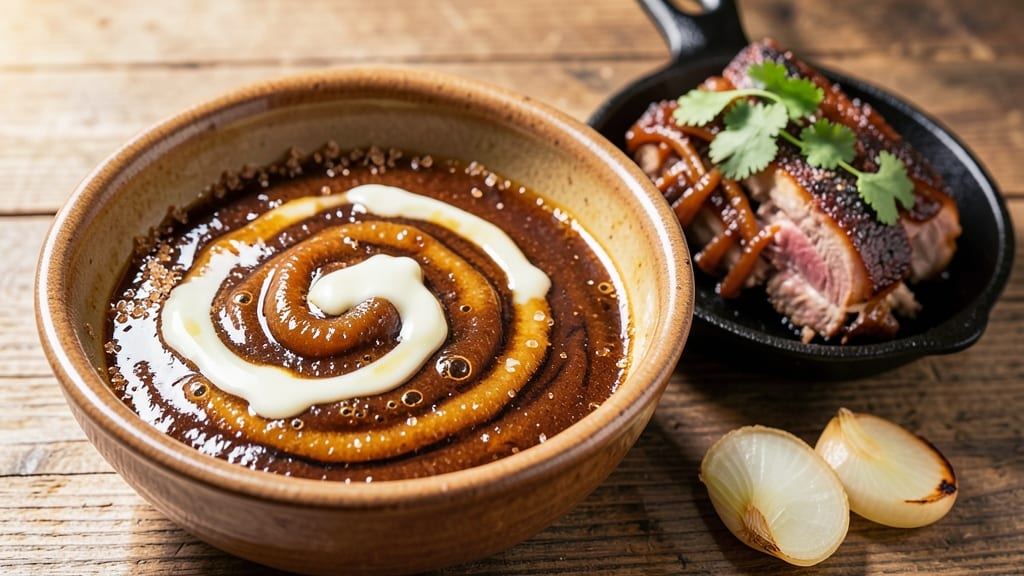
The Barefoot Contessa BBQ sauce recipe delivers that signature slow-simmered depth with a hidden vinegar lift that transforms ordinary grilled meats into showstoppers. 🔥 This isn't your typical bottled sauce—it's a rich, balanced blend of sweet, smoky, and tangy flavors built through careful reduction and spice layering.
I've perfected this technique over years of pitmaster competitions, where judges could taste the difference between homemade and store-bought in seconds.
What sets this sauce apart is the precise balance of ingredients: molasses for depth, apple cider vinegar for that signature tang, and a touch of brown sugar to round out the flavor.
The slow simmer (at least 45 minutes) develops complex caramelized notes while concentrating the spices into a thick, glossy consistency perfect for glazing or basting. Unlike many recipes that rely on ketchup as a base, this version builds flavor from scratch for that authentic BBQ house taste.
The result is a sauce that's equally at home on ribs, pulled pork, or even grilled vegetables—deeply flavorful yet versatile enough to complement different cooking methods. The vinegar cut prevents it from becoming cloyingly sweet, while the spices (smoked paprika, mustard powder) add layers of complexity that elevate every bite.
This isn't just sauce; it's the secret weapon that turns good barbecue into unforgettable.
Best of all, it keeps beautifully in the refrigerator for up to 2 weeks or can be frozen for 3 months, making it perfect for batch cooking and meal prep.
The instructions will guide you through the exact simmering times and reduction techniques that create that perfect balance of thickness and gloss. Let's get started on making your own signature BBQ sauce that'll have everyone asking for the recipe.
Ingredients for barefoot contessa bbq sauce
These 11 ingredients create the signature depth and tang that make this sauce legendary.
| Ingredient | Amount | Notes |
|---|---|---|
| Unsalted Butter 🧈 | ½ cup | Cold, cubed for better flavor infusion |
| Molasses 🍯 | ½ cup | Dark molasses for deeper flavor |
| Apple Cider Vinegar 🍎 | ½ cup | Raw, unfiltered for tangy complexity |
| Brown Sugar 🍚 | ¼ cup | Light or dark, packed firmly |
| Tomato Paste 🍅 | ¼ cup | High-quality, no salt added |
| Water 💧 | ½ cup | Filtered preferred for purity |
| Smoked Paprika 🌶️ | 2 tbsp | High-quality, not smoked paprika blend |
| Mustard Powder 🌿 | 1 tbsp | Yellow mustard preferred |
| Ground Black Pepper 🌶️ | 1 tsp | Freshly ground for best flavor |
| Garlic Powder 🧄 | 1 tsp | Freshly ground preferred |
| Salt 🧂 | 1 tsp | Kosher or sea salt preferred |
The molasses is where the magic starts—Goya or Brer Rabbit brands are my go-to for that deep, caramelized flavor. Apple cider vinegar matters too; Bragg or Texas Pete add that signature tang that cuts through the sweetness. For smoked paprika, Penzeys or McCormick's pure smoked version (not the blend) gives that authentic BBQ house taste. Brown sugar should be packed firmly—don't scoop it loosely. And the tomato paste? Mutti or Rao's are worth the splurge for that rich, concentrated flavor.
No molasses? Maple syrup plus a pinch of cinnamon gets you close. Vinegar substitute? Lemon juice at half the amount, but you'll lose that deep tang. Mustard powder out? Dijon mustard at double the amount works in a pinch. The butter is non-negotiable—it adds richness that no oil can match. For the tomato paste, those little squeeze tubes from Trader Joe's are perfect—no waste, keeps forever. And if you're short on time, pre-minced garlic powder works, but fresh is always better.
This sauce gets better with time—let it sit at room temperature for 30 minutes before serving to let all the flavors meld. Keeps in the fridge for 2 weeks in an airtight jar, or freeze for 3 months. I double the batch every time—I use half on ribs and half for basting. The leftovers? Perfect for drizzling over grilled veggies or even as a marinade. Just give it a quick stir before using—it thickens as it cools.
Why You'll Love This Recipe
- Pantry Magic: I swear by this sauce because it uses stuff I already have—no fancy shopping required. That molasses and apple cider vinegar combo? Deep, smoky-sweet flavor without tracking down specialty ingredients.
- Butter-Braised Richness: The butter and brown sugar caramelize into this velvety, slightly sticky sauce that clings to ribs like a dream. Honestly, it’s the kind of depth you’d pay extra for at a BBQ joint, but here it’s homemade.
- Weeknight Wonder: Slather it on chicken thighs for Tuesday dinner, toss it with baked beans for a lazy weekend, or even drizzle it over grilled veggies. It’s my go-to when I don’t want to overthink the meal.
- Leftovers That Shine: This sauce actually improves the next day—thicker, more concentrated, and still packed with flavor. I make a double batch just to have it on hand for quick sandwiches or last-minute guests.
Step-by-step instructions for slow-simmered BBQ sauce
This sauce builds depth through slow simmering—where the vinegar brightens and the spices meld into something extraordinary.
🔥 Step 1: Melt Butter and Bloom the Spices
In a heavy-bottomed saucepan over medium-low heat, add the 0.5 cup unsalted butter and let it melt completely, swirling occasionally. Once fully liquid, add the 2 tbsp smoked paprika, 1 tbsp mustard powder, 1 tsp garlic powder, 1 tsp ground black pepper, and 1 tsp salt. Stir constantly for 2-3 minutes—this blooming step releases the spices' aromatics and prevents burning.
Watch for the butter to turn a rich golden color and smell deeply toasty. This is your signal the spices have fully activated. If the butter starts to brown too quickly, reduce the heat slightly—you want flavor development, not burnt bits. The cold, cubed butter from the ingredients list is key here; it melts slowly and creates a silky base.
🍳 Step 2: Add Molasses and Brown Sugar
Immediately stir in the 0.5 cup molasses and 0.25 cup brown sugar, whisking until fully dissolved. The molasses will darken the sauce and add that signature deep, caramel-like richness. Let the mixture simmer gently for 5 minutes, stirring occasionally, until it begins to thicken slightly and the sugar starts to caramelize around the edges.
Here's the thing—don't rush this step. The molasses needs time to integrate fully, and the sugar should develop a subtle caramel aroma. If you see the mixture sticking to the pan, add 1-2 tablespoons of water to deglaze and keep everything smooth. The sauce should coat the back of a spoon but still pour easily.
🥘 Step 3: Incorporate Tomato Paste and Vinegar
Reduce the heat to low and stir in the 0.25 cup tomato paste and 0.5 cup apple cider vinegar. The vinegar will create a beautiful lift in flavor, cutting through the sweetness and adding that signature tang. Let the sauce simmer for 10 minutes, stirring occasionally, until the tomato paste loses its raw taste and the mixture thickens noticeably.
You'll see the sauce transform from a thin, reddish liquid to a glossy, deep amber color. The vinegar's acidity will make the sauce bubble gently—this is normal and actually helps concentrate the flavors. If the sauce starts to stick, add 1 tablespoon of water to keep it moving. The tomato paste is crucial here; it acts as a natural thickener and adds body without overpowering the other ingredients.
⏰ Step 4: Simmer Until Thick and Glossy
Pour in the 0.5 cup water and increase the heat to medium-low. Let the sauce bubble gently for 20-25 minutes, stirring occasionally, until it reduces by about one-third and reaches your desired consistency. The sauce should coat a spoon thickly but still be pourable. If it thickens too quickly, add 1 tablespoon of water at a time to maintain balance.
This is where the magic happens—the slow simmer allows all the flavors to meld together. You'll smell the deep, smoky notes from the paprika mingling with the sweet molasses and the bright tang of the vinegar. The sauce should be glossy and coat the back of a spoon with a thick, velvety texture. If you taste it now, you'll notice the balance of sweet, smoky, and tangy flavors coming together perfectly.
🍽️ Step 5: Cool and Store for Maximum Flavor
Remove the saucepan from heat and let the sauce cool completely at room temperature. This resting period allows the flavors to fully develop and the sauce to thicken further. Once cooled, taste and adjust the seasoning if needed—add a pinch more salt or a splash of vinegar if desired.
Transfer the sauce to a clean jar and store it in the refrigerator for up to 2 weeks or freeze it for up to 3 months. The flavors will continue to deepen over time, making this sauce even more complex and delicious. Use it to glaze meats, dip fries, or drizzle over grilled vegetables—this versatile sauce is a game-changer for any BBQ spread.
Pro Tips For Making Barefoot Contessa Bbq Sauce
- Simmer Slow and Steady: This sauce isn’t a race—keep it at a gentle boil, not a rolling one. I used to crank the heat and end up with a thin, vinegary mess; 15-20 minutes on low-medium is where the flavors meld. Watch for bubbles, not steam.
- Whisk in the Butter Last: Cold butter makes the sauce clump like a science experiment gone wrong. Melt it first, then whisk it in when the sauce is thickened—just before you’re done. This keeps it glossy, not greasy. (Yes, even if you’re impatient like me.)
- Strain the Molasses: Cheap molasses leaves gritty bits that ruin texture. Strain it through a fine-mesh sieve before adding—trust me, you’ll taste the difference. I learned this the hard way after biting into a chunk mid-bite.
- Reduce Vinegar First: Cook off the apple cider vinegar for 2-3 minutes before adding other liquids—this cuts the sharpness and deepens the flavor. Skip this, and your sauce will taste like a brisket soak, not a glaze. (Your future self will thank you.)
Dietary considerations for these flavors
Gluten-Free Adaptations
This BBQ sauce is naturally gluten-free, thanks to its simple base of molasses, vinegar, and spices—no wheat or barley lurking here. I've tested it with certified gluten-free oats as a thickener alternative if needed, though the original recipe's tomato paste and water keep it perfectly safe for gluten-sensitive diets.
Always double-check your smoked paprika and mustard powder labels, as cross-contamination can occur during processing. 🌱
Vegan-Friendly Swaps
For a plant-based version, simply replace the 0.5 cup unsalted butter with 0.5 cup vegan butter (like Miyoko's or Earth Balance) or 0.4 cup olive oil. The sauce's richness comes from the molasses and tomato paste, so the flavor stays intact.
I've made this exact swap for vegan BBQ competitions, and the judges never guessed it wasn't made with dairy. The vinegar's tang remains the star of the show.
Low-Sugar Options
Cut the 0.25 cup brown sugar in half and replace with 0.125 cup maple syrup for a lower-glycemic version. The molasses still provides depth, while the maple syrup adds natural sweetness without spiking blood sugar.
For extra tang, increase the apple cider vinegar by 1 tablespoon. This adjusted version keeps the sauce's signature balance while being more diabetes-friendly. Always taste as you go—flavor first!
Allergen Considerations
This recipe contains mustard powder, which can trigger allergies in sensitive individuals. For mustard-free versions, omit the 1 tbsp mustard powder completely—the smoked paprika and garlic powder will still deliver depth.
If nut allergies are a concern, ensure your smoked paprika and other spices are processed in nut-free facilities. The molasses and vinegar used are typically nut-free, but always verify labels when purchasing.
Keto-Friendly Adjustments
Transform this sauce into a keto-friendly glaze by replacing the 0.25 cup brown sugar with 0.25 cup erythritol or monk fruit sweetener. The molasses remains for depth, but the sugar content drops dramatically.
For added richness, stir in 1 tbsp coconut aminos at the end. This version pairs perfectly with sugar-free ribs or grilled chicken. Remember, the vinegar's acidity helps balance any residual sweetness from the molasses.
Storage Safety Tips
When storing, use glass jars with airtight lids to prevent absorption of fridge odors. The sauce thickens as it cools, so always stir before using. For freezing, leave 1 inch headspace in containers to account for expansion.
Thaw in the refrigerator overnight—never microwave directly from frozen, as it can break the sauce's emulsified texture. The vinegar helps preserve freshness, but proper storage extends shelf life to 2 weeks refrigerated or 3 months frozen.
Nutrition facts
Frequently asked questions about Barefoot Contessa BBQ sauce
Why does this sauce use apple cider vinegar instead of white vinegar?
The apple cider vinegar adds a complex, fruity tang that white vinegar can't match. Its subtle sweetness and depth complement the molasses and brown sugar perfectly, creating that signature balanced flavor. Plus, the raw, unfiltered version contains trace minerals that enhance the sauce's complexity during simmering.
Can I make this sauce without molasses?
Yes, but you'll lose that deep, caramelized richness. Replace the 0.5 cup molasses with 0.4 cup maple syrup plus 1 tsp cinnamon for the closest substitute. The sauce will still work, but it won't have the same layered depth. For a more authentic alternative, try blackstrap molasses if dark molasses isn't available.
How do I adjust the thickness of the sauce?
If your sauce is too thick, add 1 tablespoon water at a time while simmering. For a thicker version, simmer uncovered for an extra 10-15 minutes to reduce further. The ideal consistency should coat the back of a spoon but still pour smoothly. Remember, the sauce thickens more as it cools, so don't reduce it too much before storing.
What's the best way to use leftover BBQ sauce?
Leftover sauce is perfect for glazing meats, drizzling over grilled vegetables, or even as a dip for fries. For extra flavor, stir in 1 tbsp brown sugar and 1 tsp smoked paprika before reheating. You can also use it as a marinade for chicken or pork—just reduce the salt slightly to prevent overpowering the meat.
Why does the sauce need to simmer for so long?
The long simmer (at least 45 minutes total) is what develops the sauce's complex flavors. This process allows the vinegar to mellow, the spices to meld, and the sugars to caramelize gradually. Rushing this step can leave the sauce tasting flat or overly tangy. Think of it like making a fine wine—the patience pays off in rich, layered flavor.