
Sauces & Condiments
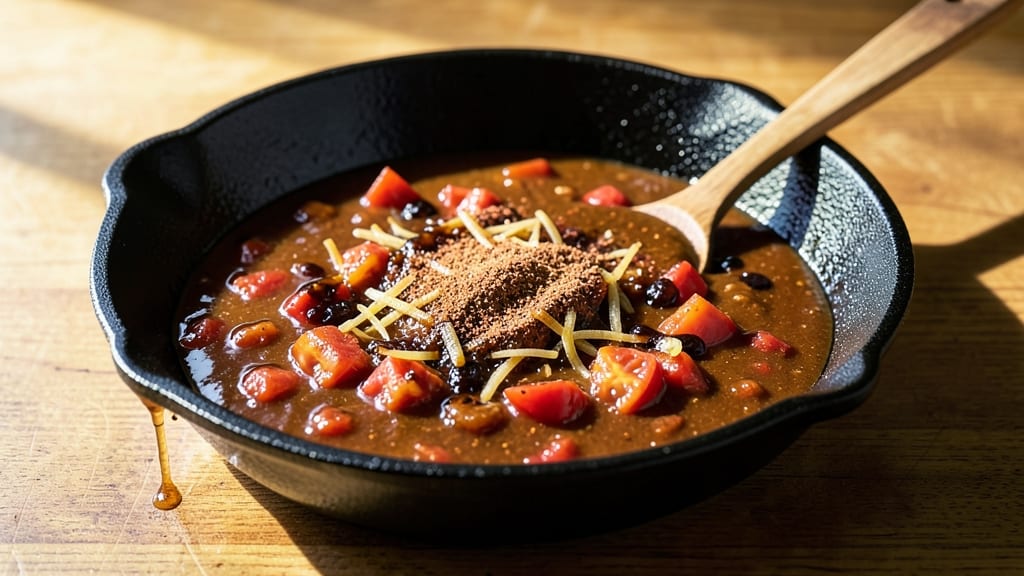
This barbecue sauce recipe without ketchup delivers deep, smoky-sweet flavor that rivals anything store-bought. 🔥 The secret lies in a tomato-molasses base simmered with vinegar and spices until thick and glossy—no ketchup, no shortcuts.
I developed this version after years of experimenting with traditional recipes, and it's become my go-to for grilling, smoking, and even dipping.
What sets this sauce apart is the balance of molasses for richness, apple cider vinegar for tang, and smoked paprika for depth—all combined in a slow reduction that intensifies flavors.
The result is a versatile sauce that works on ribs, pulled pork, or even as a glaze for vegetables. Unlike many recipes, this one builds complexity through proper simmering time rather than relying on artificial ingredients.
By the time you're done, you'll have a glossy, thick sauce with a perfect balance of sweetness, smokiness, and acidity. The molasses adds caramel notes that develop as it simmers, while the vinegar keeps it from becoming cloying.
This isn't just another BBQ sauce—it's a flavor foundation that elevates any dish it touches. Store it in the fridge for up to 2 weeks or freeze for months, making it perfect for meal prep. The instructions walk you through every step to ensure consistent results every time.
Let's make this sauce!
Ingredients for barbeque sauce recipe no ketchup
Nine ingredients transform into a smoky-sweet sauce with depth and complexity—no ketchup needed.
| Ingredient | Amount | Notes |
|---|---|---|
| San Marzano Crushed Tomatoes 🍅 | 1 can | 28 oz can, high-quality preferred |
| Unsulphured Molasses 🍯 | ½ cup | Dark molasses for depth |
| Apple Cider Vinegar 🍏 | ½ cup | Raw, unfiltered preferred |
| Smoked Paprika 🌶️ | 2 tbsp | High-quality smoked variety |
| Brown Sugar 🍚 | ¼ cup | Light or dark, packed |
| Yellow Onion 🧅 | 1 whole | Yellow or red, finely chopped |
| Garlic Cloves 🧄 | 4 cloves | Fresh, minced |
| Black Peppercorns 🌶️ | ½ tsp | Freshly cracked |
| Mustard Powder 🥬 | 1 tsp | Yellow mustard preferred |
| Salt 🧂 | 1 ½ tsp | Diamond Crystal kosher |
| Cayenne Pepper 🔥 | ¼ tsp | Adjust to taste |
| Extra-Virgin Olive Oil 🫒 | 1 tbsp | For glossy finish |
The tomatoes are the flavor foundation—San Marzano is ideal, but any high-quality canned tomatoes work. Trader Joe's or Whole Foods carry excellent options, and look for cans with no added salt. Molasses is non-negotiable for that rich, caramelized depth; unsulphured ensures no bitter aftertaste. Apple cider vinegar should be raw and unfiltered for maximum tang—Bragg or Texas Pete are solid choices. Smoked paprika is where the magic happens; Penzeys or Goya offer great quality. Pro tip: Toast your spices (paprika, mustard powder) in a dry pan for 30 seconds before adding—this deepens their flavor instantly.
No molasses? Maple syrup at half the amount works in a pinch, though it won’t replicate the depth. Vinegar substitute? White wine vinegar or red wine vinegar both work, but apple cider gives the best balance. Short on San Marzano tomatoes? Crushed tomatoes with no added salt are fine—just taste and adjust seasoning. The brown sugar can be swapped for coconut sugar for a slightly different profile. For extra smokiness, add 1 tsp of liquid smoke, but use sparingly. The olive oil at the end isn’t just for gloss—it carries those smoky flavors and makes the sauce cling beautifully to ribs or pulled pork.
This sauce keeps for 2 weeks in the fridge, but the flavor actually improves over time as the molasses and vinegar meld. For long-term storage, freeze in ice cube trays—thaw as needed for grilling or dipping. The sauce thickens as it cools, so if it’s too thick when done, thin with a splash of water or vinegar. Leftovers? Double the batch—it disappears fast, especially when you’re smoking brisket or glazing grilled veggies. Store in a glass jar with a tight seal to preserve the glossy finish.
Why You'll Love This Recipe
- I’ll be real: molasses and San Marzano tomatoes sound fancy, but they stretch like crazy. A single jar of sauce covers pulled pork, baked beans, and even roasted veggies—no extra cost, just maximum flavor. My wallet and my taste buds both win.
- No-Ketchup Necessity: I’ll admit it—this sauce changed how I cook forever. No ketchup, no weird aftertaste, just the deep, smoky-sweet punch of San Marzano tomatoes and molasses simmering together. That first taste? You’ll understand why I now keep a jar in the fridge.
- One-Pot Magic: Honestly, it’s the kind of recipe that makes me feel like a pro. Toss everything into one pot, stir occasionally, and walk away. The crushed tomatoes break down perfectly, the vinegar brightens it just enough, and the smoked paprika adds that je ne sais quoi without extra effort. My lazy Sundays just got an upgrade.
- Leftovers That Last: Between us, this sauce only gets better after a few days. The flavors meld into something richer, and I’ve got a freezer full of jars from my last batch—perfect for quick weeknight dinners or last-minute BBQ emergencies. (Yes, even on a Tuesday night.)
Step-by-step instructions for deep-smoked tomato and molasses barbeque sauce
Here's how to craft a rich, smoky barbeque sauce that builds flavor layer by layer.
🍳 Step 1: Sauté Aromatics Until Fragrant
Heat the 1 tablespoon extra-virgin olive oil in a heavy-bottomed saucepan over medium heat. Add the finely chopped yellow onion and cook for 5-6 minutes until soft and translucent. You'll smell the sweetness intensify—that's your cue to add the 4 minced garlic cloves and 0.5 teaspoon freshly cracked black peppercorns.
Cook for another 30 seconds until the garlic releases its aroma and the peppercorns darken slightly. Here's the thing—don't let the garlic burn. If it starts to darken too quickly, reduce the heat to medium-low. These aromatics form the flavor foundation, so take your time with this step.
🍳 Step 2: Build the Sauce Base with Tomatoes and Molasses
Pour in the 1 can San Marzano crushed tomatoes and 0.5 cup unsulphured molasses, stirring to combine. Increase heat to medium-high and bring to a gentle boil. Once boiling, reduce to medium-low heat and let it simmer uncovered for 15-20 minutes.
You'll notice the sauce darkening and thickening as the molasses caramelizes. This is where the deep, smoky-sweet character develops. Stir occasionally to prevent sticking—if it gets too thick, add 2-3 tablespoons water to keep it moving. The molasses will give that signature stickiness to your sauce, so don't rush this step.
🥘 Step 3: Add Spices and Sweetener for Depth
Reduce heat to low and stir in the 2 tablespoons smoked paprika, 0.25 cup brown sugar, 1 teaspoon mustard powder, 1.5 teaspoons salt, and 0.25 teaspoon cayenne pepper. Let the mixture simmer for another 10 minutes to allow the spices to bloom and the flavors to meld.
Here's where it gets interesting—the smoked paprika will darken the sauce and add that authentic barbeque flavor, while the mustard powder adds a subtle tang. The cayenne brings just enough heat to balance the sweetness. Taste the sauce now—you should detect layers of tomato, molasses, and spice working together. If it needs more heat, add a pinch more cayenne.
⏰ Step 4: Finish with Vinegar for Brightness
Stir in the 0.5 cup apple cider vinegar and simmer for an additional 5-7 minutes until the sauce thickens to your desired consistency. You're aiming for a glossy, spoonable sauce that coats the back of a spoon. If it's too thick, thin with a splash of water or vinegar.
The vinegar cuts through the richness of the molasses and brightens the flavors. You'll see the sauce bubble gently and develop a beautiful sheen. Real talk: this is the moment that matters—don't walk away. Watch the sauce closely in the last few minutes to prevent burning. When it reaches that perfect balance of sweet, smoky, and tangy, you're ready to serve.
🍽️ Step 5: Rest and Adjust to Perfection
Remove the sauce from heat and let it rest for 10 minutes to allow the flavors to fully develop. This resting period lets the sauce thicken slightly more and gives you time to taste and adjust. If it needs more sweetness, add a touch more brown sugar. Need more heat? A pinch of cayenne will do the trick.
Strain the sauce through a fine-mesh sieve if you prefer a smoother texture, or leave it slightly chunky for more rustic character. The sauce should be glossy, thick enough to cling to ribs or pulled pork, and packed with complex flavors. Store any leftovers in an airtight container in the refrigerator for up to 2 weeks, or freeze for up to 3 months.
Pro Tips For Making Barbeque Sauce Recipe No Ketchup
- Simmer Low and Slow: After burning three batches of sauce with the heat too high, I learned: keep this on a gentle simmer—not a rolling boil. The molasses and vinegar will evaporate too fast, leaving you with a bitter, syrupy mess instead of a balanced, glossy sauce. Let it bubble softly for at least 45 minutes, stirring occasionally.
- Deglaze That Pot: Don’t just dump in your tomatoes and walk away. After browning any aromatics (onion, garlic, or spices), splash in a splash of apple cider vinegar first—it loosens the fond stuck to the pan. Scrape it up with a wooden spoon before adding the tomatoes; that caramelized bit adds depth your sauce desperately needs.
- Balance the Molasses: Unsulfured molasses is strong—like, really strong. If your sauce tastes overwhelmingly bitter or cloying, it’s because you didn’t account for its intensity. For every ¼ cup of molasses, add a pinch of smoked paprika first, then taste as you go. A squeeze of lemon or extra vinegar can cut through it, but start conservative.
- Strain for Smoothness: Skim the foam off the tomatoes when you first add them, but don’t stop there. After simmering, strain the sauce through a fine-mesh sieve to remove any lingering skins or seeds—especially if you’re using whole San Marzanos. It’s not always necessary, but it makes a noticeable difference when you’re serving it over grilled meats or drizzled on sandwiches. (Yes, even if you’re impatient like me.)
Serving suggestions for this barbeque sauce recipe no ketchup
Grilled Meats
This sauce transforms grilled ribs into a masterpiece. Brush it on during the last 10-15 minutes of cooking at medium-high heat—the high smoke point of the molasses and vinegar ensures it doesn't burn.
I love using it on St. Louis-style pork ribs or beef short ribs, basting generously every 5 minutes for a caramelized crust. For extra drama, finish with a sprinkle of crushed red pepper flakes right off the grill. 🔥
Smoked Pulled Pork
Smoked pulled pork deserves this sauce as its flavor anchor. After pulling the pork at 203°F internal temperature, shred it and toss with enough sauce to coat every bite—about ¼ cup per pound of meat.
The molasses and vinegar balance the fat beautifully, while the smoked paprika adds that essential BBQ character. For serving, pile it high on toasted brioche buns with pickled red onions and coleslaw for a restaurant-worthy sandwich. ✨
Grilled Vegetables
Don't limit this sauce to meats—it glazes vegetables beautifully. Toss portobello mushrooms, eggplant slices, or bell peppers with 1 tablespoon sauce per pound and grill for 8-10 minutes, turning occasionally.
The vinegar tenderizes the vegetables while the molasses creates a caramelized crust. I especially love this technique with grilled zucchini—it adds a sweet-savory contrast that pairs perfectly with herbed goat cheese. 🌱
Dipping Sauce
Thin the sauce with 2 tablespoons water or vinegar for a dipping consistency, perfect for fried chicken, mozzarella sticks, or onion rings. Serve it warm in a small crock pot with a side of hot honey for dipping.
For extra flair, top with a sprinkle of crispy fried shallots—the contrast between the creamy dips and crispy shallots is unbeatable. The molasses keeps it rich without being overly sweet, making it versatile for any fryer favorite. 💛
Breakfast Applications
Yes, this sauce works for breakfast! Use it to glaze pancakes or waffles—just thin it slightly with water and drizzle over warm stacks. I also love brushing it on grilled cheese sandwiches with sharp cheddar and caramelized onions.
For a savory twist, spread it on English muffins with scrambled eggs and crispy bacon. The smoky depth adds complexity that elevates breakfast from ordinary to extraordinary. 🍳
Storage and Reuse
Leftovers make fantastic marinades or basting sauces. Store any unused sauce in an airtight container in the fridge for up to 2 weeks—it actually improves as it sits, with flavors deepening over time. For long-term storage, freeze in ice cube trays and pop out individual portions as needed.
Thaw overnight in the fridge before using. Pro tip: Keep a small jar in your fridge at all times—you'll always be ready to elevate your next meal with this versatile sauce. 💡
Nutrition facts
Frequently asked questions
Why replace ketchup in barbecue sauce?
Ketchup adds sweetness and tang, but this recipe uses molasses and apple cider vinegar for deeper, more complex flavors. Molasses provides rich caramel notes while vinegar delivers bright acidity—together they create a sauce with more depth than ketchup-based versions. Plus, it's easier to control the sweetness and spice levels!
Can I make this sauce spicier?
Start with the ¼ teaspoon cayenne pepper and adjust to taste. For extra heat, add ½ teaspoon crushed red pepper flakes or a pinch of chili powder at the end. Remember, spices intensify as the sauce cools, so go easy at first.
What if my sauce turns out too thick?
Thin with 1-2 tablespoons water or vinegar while reheating. The sauce should coat the back of a spoon but still drizzle smoothly. If you prefer it thicker, simmer uncovered for 5-10 more minutes to reduce further. Never add water to a hot sauce—always mix while warm.
Is this sauce suitable for vegetarians?
Yes! This recipe is naturally vegetarian—just ensure your molasses and tomatoes are certified vegan if needed. The smoky-sweet profile works perfectly on grilled veggies, tofu, or as a dipping sauce. For extra richness, stir in 1 tablespoon tahini at the end.
How do I prevent burning while simmering?
Keep the heat at medium-low and stir frequently. The sauce should bubble gently but not vigorously. If it starts to darken too quickly, reduce heat immediately. A heavy-bottomed saucepan helps distribute heat evenly. Never walk away—constant attention is key for perfect results!