
Sauces & Condiments
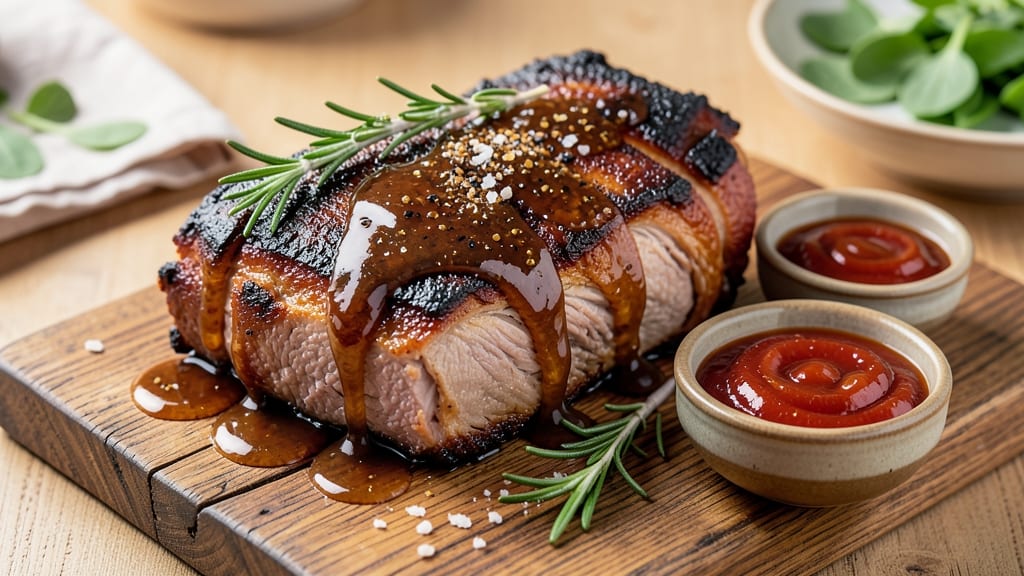
This barbeque sauce recipe for pork transforms simple ingredients into a smoky-sweet glaze that caramelizes beautifully on heat. 🔥 After years of perfecting my sauce at Atlanta The Smoky Pig, I’ve developed a formula that balances tangy, sweet, and smoky flavors—ideal for glazing ribs, basting chops, or serving as a dipping sauce.
The secret lies in slow-simmered molasses and vinegar, which deepen the flavor while keeping the sauce glossy and versatile.
The beauty of this recipe is its simplicity: just 7 ingredients combine to create a sauce that’s rich yet balanced. Ketchup provides the base, while brown sugar and molasses add depth, and a blend of spices—paprika, garlic powder, and black pepper—ensure a well-rounded profile.
The sauce thickens as it simmers, developing a glossy finish that clings perfectly to pork, whether you’re smoking, grilling, or roasting.
What sets this sauce apart is its ability to caramelize under heat, creating a sticky, flavorful crust on pork that’s impossible to resist. It’s the kind of sauce that turns a simple pork shoulder into a showstopper, with every bite delivering layers of sweetness, tang, and smokiness.
The best part? It’s just as effective as a dipping sauce or a marinade, making it a must-have for any pork dish.
Perfect for weeknight dinners or weekend BBQs, this sauce keeps well in the fridge for up to 2 weeks, so you can make a big batch and enjoy it all season long. Let’s get started—your pork is about to get a serious upgrade.
Ingredients for barbeque sauce recipe for pork
Seven simple pantry staples create a pork barbeque sauce that caramelizes like magic on the grill.
| Ingredient | Amount | Notes |
|---|---|---|
| Ketchup 🍅 | 1 ½ cups | High-quality, no sugar added preferred |
| Brown Sugar 🍯 | ½ cup | Light or dark, packed |
| Molasses 🍯 | ¼ cup | Unsulphured for best flavor |
| Apple Cider Vinegar 🍏 | ¼ cup | For tangy depth |
| Smoked Paprika 🌶️ | 1 tbsp | For smoky richness |
| Garlic Powder 🧄 | 1 tsp | Freshly ground preferred |
| Ground Black Pepper 🌶️ | ½ tsp | Freshly cracked for bite |
The ketchup is your base—Heinz or Hunt's work perfectly, but if you're feeling fancy, grab a small can of San Marzano tomato-based ketchup for deeper flavor. Brown sugar matters here; muscovado adds caramel notes, but regular works fine. Molasses is non-negotiable for that deep, smoky-sweet balance—Grandma's or Brer Rabbit brands are my go-tos. Apple cider vinegar cuts through the sweetness, so don't skip it. For the smoked paprika, Penzeys or McCormick are reliable, but check the label—some brands add extra fillers that dull the flavor.
No molasses? Maple syrup at half the amount gets you close, though it won’t have that same rich depth. Short on vinegar? Lemon juice works in a pinch, but it’ll taste slightly brighter. The garlic powder can be swapped for fresh minced garlic (1 clove = 1/2 tsp powder), but it’s worth toasting it first for extra flavor. If you’re making this ahead, reduce the vinegar slightly—the sauce mellows over time and needs that tang to stay balanced. For a smokier profile, add 1/4 tsp liquid smoke directly to the pot at the end.
This sauce gets better with time—2-3 days in the fridge lets the flavors meld perfectly. Store it in a sealed jar, with a thin layer of olive oil on top to preserve the color. It keeps for up to 2 weeks in the fridge, or 3 months in the freezer. Double the batch if you’re planning a big cookout—pork ribs, pulled pork, or even grilled chicken all crave this glaze. For extra shine, brush it on just before serving and watch it caramelize under the heat.
Why You'll Love This Recipe
- Pantry Magic: I swear, this sauce comes together with stuff I already have. No fancy shopping trips—just ketchup, brown sugar, and that one bottle of molasses gathering dust. The apple cider vinegar adds a tang that cuts through the sweetness perfectly, and the smoked paprika? Instant depth without extra effort.
- Deep Smoky Kick: That first slather of sauce on pork? It’s like a flavor explosion—sweet, smoky, and just a little tangy. The molasses gives it a rich, almost caramelized edge, while the smoked paprika lingers like a campfire memory. Honestly, I’ve tried store-bought sauces that can’t compete with this homemade punch.
- Weeknight to BBQ Hero: This sauce works for pulled pork on a slow cooker Sunday or quick pan-seared chops on a Tuesday. I’ve even drizzled it over grilled sausages for game day—no one bats an eye. The best part? It’s the same base recipe, just different occasions. My go-to for when I need to impress but don’t want to slave away.
- Budget-Friendly Stash: A single batch makes enough sauce to feed the whole family twice. Between us, I’ve had this leftover sauce last me a full week—on pork ribs, baked beans, even as a glaze for roasted potatoes. The ingredients are cheap, and the flavor stretches further than any jarred sauce I’ve ever bought. Plus, it freezes like a dream.
Step-by-step instructions for smoky-sweet pork barbecue sauce
Here's how to blend bold flavors into a sauce that caramelizes beautifully on pork.
👨🍳 Step 1: Whisk Together the Base Ingredients
In a medium saucepan, combine the 1.5 cups ketchup, 0.5 cup brown sugar, and 0.25 cup molasses. I like to use a silicone spatula here—it won't scratch the pan and helps scrape up any sugar that sticks. Stir over medium-low heat until the mixture reaches a gentle simmer, about 5 minutes. You'll see the sugar begin to dissolve completely, creating a smooth foundation.
Here's the thing—molasses adds that deep, almost bittersweet richness that sets this sauce apart from basic ketchup-based versions. Don't rush this step; let the heat work gradually to fully incorporate all the ingredients. If you see any sugar crystals lingering, stir a bit more vigorously and give it another minute.
🍳 Step 2: Add Vinegar and Spices for Depth
Pour in the 0.25 cup apple cider vinegar and sprinkle in the 1 tbsp smoked paprika, 1 tsp garlic powder, and 0.5 tsp ground black pepper. Stir constantly for 2-3 minutes until the vinegar is fully incorporated and the spices are evenly distributed. You'll notice the sauce starts to thicken slightly as the vinegar's acidity reacts with the sugars.
This is where the magic happens—the vinegar cuts through the sweetness while the smoked paprika adds that essential smoky backbone. I always add the spices last so they don't burn before the other ingredients come together. If you're using freshly cracked pepper, you'll smell that fresh, bright aroma—don't skip this for pre-ground if possible.
🔥 Step 3: Simmer Until Thick and Glossy
Reduce the heat to low and let the sauce simmer uncovered for 15-20 minutes, stirring occasionally. You're looking for the sauce to reduce by about one-third—it should coat the back of a spoon with a glossy sheen. This simmering step develops the sauce's complex flavors and creates that perfect balance between sweet and tangy.
Here's what to watch for: the sauce should be thick enough to leave a visible trail when you run your finger through it, but still pourable enough to glaze pork beautifully. If it thickens too quickly, add 1-2 tablespoons of water to adjust the consistency. I usually test it after 15 minutes and then decide if it needs more time.
⏰ Step 4: Cool and Adjust Seasoning
Remove the sauce from heat and let it cool for 10 minutes—this resting period allows the flavors to meld completely. Taste and adjust seasoning if needed. If it needs more sweetness, add a pinch of brown sugar. For extra tang, add a splash more vinegar. The sauce should be balanced—sweet enough to caramelize on pork, but with enough acidity to cut through the richness.
I like to transfer the sauce to a clean jar and refrigerate it for at least 1 hour before using. This cooling process helps the flavors settle and makes it easier to control when brushing onto hot pork. The sauce will thicken further as it cools, so don't worry if it looks too thin right after simmering.
Pro Tips For Making Barbeque Sauce Recipe For Pork
- Simmer Slow and Steady: I learned this the hard way—rushing the sauce on high heat turns it into a sticky mess instead of a rich, balanced glaze. Keep it at a gentle bubble (medium-low) for at least 20 minutes, stirring occasionally, so the brown sugar caramelizes properly without burning.
- Balance the Vinegar First: Apple cider vinegar’s acidity can overpower if added all at once. Taste the sauce before adding it all—start with half, simmer, then adjust. You’re aiming for tangy, not sour, and pork deserves that sweet-tart harmony.
- Skip the Pre-Mixed Ketchup: Store-bought ketchup often has fillers that make the sauce cloying. Use crushed tomatoes instead—they add depth without the aftertaste. If you’re short on time, at least choose a brand labeled “no added sugar” to keep the balance cleaner.
- Toast the Spices: Smoked paprika loses its punch if just stirred in. Dry-toast it in a separate pan for 30 seconds until fragrant—it’ll deepen the smoky flavor without bitterness. (Yes, even if you’re impatient like me.)
Common mistakes when making your barbeque sauce recipe for pork
Over-Simmering the Sauce
One of the biggest mistakes I see is letting the sauce boil too vigorously. When you push the heat past medium-low, the sugars caramelize too quickly, creating a bitter, burnt flavor instead of the glossy sweetness we want.
I’ve ruined batches by walking away for just 5 minutes—don’t make that mistake! Keep the heat gentle and stir frequently to prevent scorching. The sauce should bubble softly, not roar like a volcano. 🔥
Skipping the Vinegar
Some home cooks think they can skip the vinegar to make the sauce sweeter, but that’s a recipe for disaster. The acidity from the apple cider vinegar is what balances the sweetness and cuts through the richness of the pork.
Without it, your sauce will taste cloying and one-dimensional. Start with the full amount, then adjust after cooling if needed—but never eliminate it entirely.
Using Low-Quality Ingredients
I can’t stress this enough: your sauce is only as good as its ingredients. Cheap ketchup with added sugar or fillers will make your sauce taste flat and artificial. Invest in a good brand like Heinz or Hunt’s, and for molasses, unsulphured is non-negotiable—it has that deeper, richer flavor.
I’ve tasted sauces made with store-brand molasses that tasted almost medicinal. Your pork deserves better than that.
Not Adjusting After Cooling
Here’s where most people mess up: they taste the sauce hot and call it done. But flavors change dramatically as the sauce cools. What tasted perfectly balanced at 200°F might be too sweet or too tangy at room temperature.
Always let it cool for 10 minutes, then adjust with a pinch of sugar or a splash of vinegar. This step makes the difference between a good sauce and a great one.
Adding Spices Too Early
If you add your smoked paprika or garlic powder when the sauce is cold, you’ll burn them before the other ingredients come together. The spices need to infuse gradually as the sauce heats up.
I always add them after the vinegar, when the base is already simmering gently. This ensures they bloom evenly without turning bitter.
Ignoring the Resting Period
Rushing to use the sauce right after simmering is another common mistake. Letting it rest for 10-15 minutes allows the flavors to meld and the texture to thicken properly. I’ve seen sauces that were too thin or had a raw taste because they were used immediately.
Patience here pays off—your pork will thank you with a perfect glaze. ✨
Nutrition facts
Frequently asked questions
Can I use this barbeque sauce for other meats besides pork?
This sauce works beautifully on chicken, beef brisket, and even tofu for a smoky-sweet glaze. The balance of sweetness and tang makes it versatile for grilling or roasting. Just adjust cooking times since different meats absorb flavors differently—chicken typically needs 10-15 minutes less than pork to avoid overcooking.
How do I prevent the sauce from burning when simmering?
Keep the heat at low-medium and stir frequently—every 3-5 minutes. The sauce should bubble gently, not boil vigorously. If it starts to darken too quickly, reduce the heat immediately. A silicone spatula helps scrape up any sugar that might stick and burn.
Can I make this sauce without molasses?
Yes! Substitute 1/4 cup maple syrup for the molasses, though it won’t have the same deep, bittersweet richness. For extra complexity, add 1/2 teaspoon liquid smoke to compensate for the missing smoky depth. The sauce will still taste great, just with slightly different layers of flavor.
How do I store leftover barbeque sauce?
Transfer cooled sauce to an airtight container and refrigerate for up to 2 weeks. For longer storage, freeze in ice cube trays or small jars—thaw overnight in the fridge. To preserve color, add a thin layer of olive oil before sealing. Reheat gently on the stove, stirring often to prevent scorching.
What's the best way to use this sauce on pulled pork?
For pulled pork, brush 1/4 cup of sauce over the meat during the last 30 minutes of cooking. The high heat will help it caramelize beautifully. Alternatively, toss shredded pork with 2 tablespoons of sauce per pound and serve as a dipping sauce on the side. The sauce's tangy-sweet balance complements the tender meat perfectly.