
Sauces & Condiments
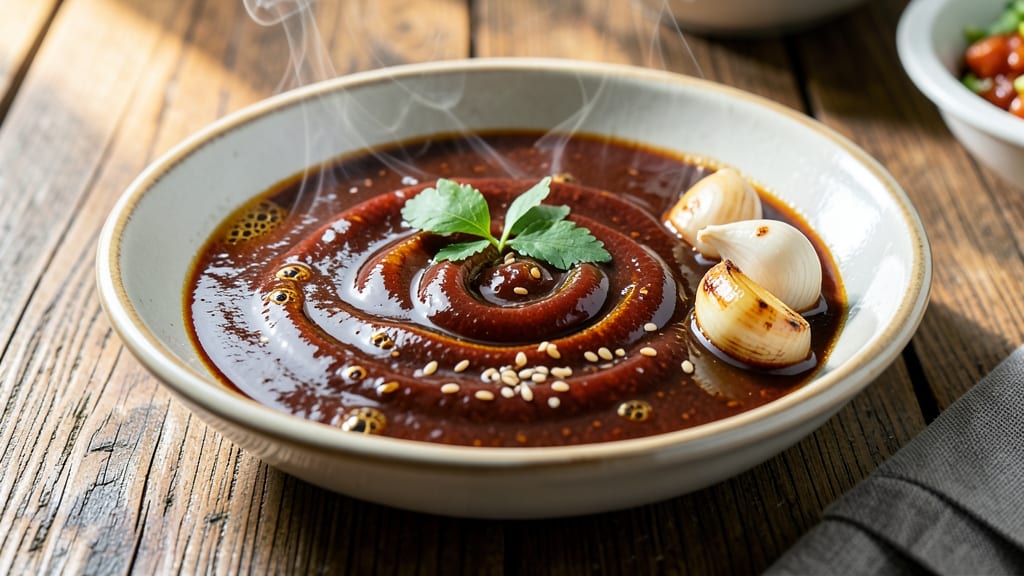
This Filipino-style barbecue sauce delivers the tangy, sweet-spicy zing that makes grilled meats unforgettable. The secret blend of tamarind paste, cane vinegar, and patis (fish sauce) creates a complex flavor profile that's both bold and balanced—perfect for marinating, glazing, or dipping.
I developed this recipe after years of perfecting the sauce for family gatherings, where it transforms simple grilled chicken into a showstopper dish.
The sauce builds layers of flavor through a simple yet precise process: simmering vinegar, sugar, and spices until syrupy, then incorporating tamarind for that signature tart depth and soy sauce for umami richness. Garlic and chili add heat and aroma, while a touch of black pepper rounds out the profile.
Unlike many commercial barbecue sauces, this version stays true to Filipino roots with its signature tangy-sweet balance.
What sets this sauce apart is its versatility—use it as a marinade for hours ahead, a quick glaze for last-minute grilling, or a dipping sauce that elevates every bite. The texture is just right: thick enough to cling to meat but still smooth enough to drizzle.
Once you taste the difference between this homemade version and store-bought, you'll never go back.
Best of all, the sauce keeps well in the fridge for up to two weeks, making it ideal for meal prep. Whether you're grilling chicken, pork skewers, or even vegetables, this sauce will take your dishes to the next level.
Let's get started on creating your own batch—your taste buds will thank you.
Ingredients for barbecue sauce filipino style
Nine simple ingredients for a sauce that transforms grilled meats into unforgettable bites.
| Ingredient | Amount | Notes |
|---|---|---|
| Cane Vinegar 💧 | ½ cup | White or cane vinegar preferred |
| Dark Brown Sugar 🍚 | ½ cup | Packed firmly for consistency |
| Tamarind Paste 🍈 | ⅓ cup | Thick, block-style preferred |
| Light Soy Sauce 🍶 | ¼ cup | Regular or reduced-sodium |
| Patis (Fish Sauce) 🐟 | 2 tbsp | Filipino brand preferred |
| Garlic Cloves 🧄 | 6 cloves | Minced finely for aroma |
| Fresh Chili Peppers 🌶️ | 2 whole | Siling labuyo or jalapeño |
| Ground Black Pepper 🌶️ | ½ tsp | Freshly ground for heat |
| Extra-Virgin Olive Oil 🫒 | 2 tbsp | For smooth texture |
Tamarind paste is the soul of this sauce—Filipino markets or Asian grocery stores carry the thick block form, which is ideal. If you can't find it, tamarind pulp from a can works in a pinch, but strain out the seeds. The cane vinegar should smell sharp and clean; avoid anything with a harsh or sour odor. For the patis (fish sauce), Squid Brand or Red Boat are reliable choices, but any Filipino brand will give you that authentic umami punch. Garlic and chili are non-negotiable—freshly minced garlic and whole chilies (seeds removed if you prefer less heat) make all the difference. I always grab extra chilies because they add so much character.
No tamarind paste? Lemon juice plus a pinch of sugar mimics the tang, though it won’t be identical. Short on cane vinegar? Apple cider vinegar or white vinegar works, but reduce by half since it’s milder. The soy sauce can be swapped for coconut aminos if you’re avoiding soy. For heat, red pepper flakes at half the amount will work, but you’ll lose some of the chili’s fruity depth. The olive oil is purely for texture—if you’re watching calories, use 1 tbsp instead. And if you’re making this for a crowd, double the batch; it disappears fast.
This sauce thickens as it cools, so stir before using. Keeps in the fridge for 2 weeks in an airtight container, though it’s best within the first week. For longer storage, freeze in ice cube trays—just thaw and stir. The flavor actually improves after a day or two, so make it ahead if you can. Trust me, your grilled chicken (or pork skewers) will thank you. And if you have leftovers, it’s amazing on rice too—don’t waste a drop.
Why You'll Love This Recipe
- Pantry Magic: I swear by this sauce because it uses stuff I already have—no special shopping trips needed. That tangy cane vinegar and salty patis (fish sauce) cut through the sweetness of the brown sugar like a dream, and tamarind paste? It’s the secret weapon for that deep, fruity umami punch without extra effort.
- Five-Ingredient Powerhouse: Between us, this is the kind of recipe where you taste-test as you go. The soy sauce adds depth, the vinegar keeps it bright, and the sugar caramelizes just enough to make everything—grilled chicken, rice, even eggs—ridiculously good. No fancy techniques, just pure flavor.
- Weeknight & Potluck Hero: Slather it on leftover roasted pork for Tuesday dinner or bring it in a jar for a family gathering. It’s the kind of sauce that works as a dip, a marinade, or a glaze—no rules, just versatility. My kids even ask for it on their plain rice now.
- Budget-Friendly Stash: A little goes a long way, and this sauce costs pennies per serving. Make a big batch, store it in the fridge, and you’ll have a flavor bomb ready for whenever cravings hit. Honestly, I’ve stretched one batch into three meals without breaking a sweat.
Step-by-step instructions for Filipino-style barbecue sauce
Here's how to make this bold, tangy sauce that balances sweet, sour, and umami perfectly.
Bloom the Tamarind Paste
In a medium saucepan, combine the 0.33 cup tamarind paste with the 0.5 cup cane vinegar over low heat. Stir constantly for 3-4 minutes until the tamarind completely dissolves and the mixture becomes smooth. This step is crucial—any lumps will make your sauce grainy.
I like to use a wooden spoon here because it helps scrape up any paste stuck to the bottom. The tamarind should transform from thick blocks to a glossy, syrupy liquid. If it's still thick after 4 minutes, add 1 tablespoon water and stir until fully incorporated. Remove from heat once completely smooth.
Add Aromatics and Sweeteners
Return the pan to medium-low heat and add the 2 tablespoons extra-virgin olive oil, 6 minced garlic cloves, and 2 whole fresh chili peppers (seeds removed if you prefer less heat). Cook for 3-4 minutes until the garlic turns golden and the chilis soften slightly—you'll smell that irresistible aroma building.
Next, stir in the 0.5 cup packed dark brown sugar and 0.25 cup light soy sauce. Let the mixture simmer for 2-3 minutes until the sugar begins to caramelize slightly at the edges. This is where the sauce develops its signature depth of flavor. Watch carefully—don't let it burn, but do let it develop some color.
Build the Sauce Base
Pour in the tamarind-vinegar mixture and stir vigorously to combine. Add the 2 tablespoons patis (fish sauce) and 0.5 teaspoon ground black pepper, then increase heat to medium-high. Bring the sauce to a gentle boil, then immediately reduce heat to medium-low and let it simmer uncovered for 10-12 minutes.
During this time, the sauce will thicken noticeably. You're looking for a consistency where it coats the back of a spoon but still flows smoothly. Stir occasionally to prevent sticking, and taste as you go. If it's too thin, simmer uncovered for another 2-3 minutes. If it thickens too quickly, add 1 tablespoon water to balance it out.
Finish and Adjust
Once the sauce reaches your desired consistency—thick enough to coat but still pourable—remove it from heat. Let it cool for 5 minutes before tasting. This cooling period allows all the flavors to meld properly.
Adjust to taste: Need more tang? Add 1 teaspoon cane vinegar. Want it sweeter? Stir in 1 tablespoon brown sugar. Prefer more umami? Add ½ teaspoon fish sauce. The beauty of this sauce is how customizable it is. For best results, let it sit at room temperature for 30 minutes before using—this lets the flavors fully develop and deepen.
Pro Tips For Making Barbecue Sauce Filipino Style
- Simmer Slow and Low: After burning three batches, I finally figured out that medium-low heat is your friend here—especially when the tamarind and cane vinegar start to thicken. High heat turns this into syrup; low heat lets the flavors meld without burning.
- Strain the Tamarind: Sounds weird, but it works: tamarind paste often has gritty bits that ruin texture. Run it through a fine-mesh sieve before mixing—yes, even if you’re impatient like me. Your sauce will be smoother, and you’ll avoid that weird mouthfeel.
- Balance the Patis: Fish sauce is potent, and I’ve overdone it more times than I’ll admit. Start with half the recommended amount, taste, then add the rest. You can always fix too little, but too much turns your sweet-savory sauce into something that tastes like a fish market.
- Reduce Early, Often: Don’t wait until the end to check for thickness. Stir and reduce the sauce in stages—especially after adding the soy sauce and brown sugar—so you’re not left with a gloppy mess. This isn’t BBQ sauce; it’s a sauce that clings to grilled meat.
Make-ahead tips for this recipe
Marinade Prep
For marinating, combine 1 cup of this sauce with 1 tablespoon olive oil in an airtight container. Add 1 pound chicken thighs or pork belly and marinate for 4-6 hours in the fridge. The longer it sits, the more flavorful your meat becomes—I often marinate overnight for restaurant-quality results. 💛
Glaze Shortcuts
Simmer the sauce uncovered for an extra 5 minutes to reduce it slightly, making it perfect for glazing. Brush onto grilled meats in the final 2-3 minutes of cooking for a caramelized finish.
I recommend using a pastry brush for even coverage. For extra shine, add 1 teaspoon honey to the glaze before applying.
Batch Freezing
Divide cooled sauce into ice cube trays and freeze. Once solid, transfer cubes to a ziplock bag for easy portioning. Thaw in the fridge overnight—no microwave needed! Each cube makes a perfect single-use glaze or dip. Label bags with the date to track freshness for up to 3 months.
Fridge Storage
Store leftover sauce in a glass jar with an airtight lid. It keeps for 2 weeks in the fridge, with flavors actually improving over time. Stir well before using—sauce thickens as it sits. For extra freshness, add a dash of vinegar before sealing to preserve tanginess.
Dipping Sauce Hack
Thin with 1 tablespoon water for a dipping sauce consistency. Serve with grilled shrimp skewers or spring rolls for an authentic Filipino touch. The sauce's tangy-sweet balance makes it irresistible for dipping—guaranteed crowd-pleaser at parties! ✨
Sauce Thickening
If your sauce becomes too thin after reheating, simmer uncovered for 3-5 minutes*. The natural sugars will help it thicken. For a quicker fix, mix 1 teaspoon cornstarch with 1 tablespoon water, stir into the sauce, and cook for 1 minute***. Always stir constantly to avoid lumps.
Nutrition facts
Frequently asked questions
Can I make this sauce without tamarind paste?
Yes! For a similar tangy flavor, mix ¼ cup lemon juice with 1 teaspoon sugar to mimic tamarind's acidity. However, tamarind adds a unique depth—if possible, try to find it in Asian markets. The sauce will still taste great, just slightly less complex.
How spicy should the sauce be?
This recipe uses 2 whole fresh chilies for mild heat. For extra kick, keep seeds in or add ½ teaspoon red pepper flakes. Adjust to taste—Filipino barbecue sauce often balances heat with sweetness, so don't be afraid to experiment!
Can I use this sauce on non-meat dishes?
It's fantastic on grilled tofu, portobello mushrooms, or even as a dipping sauce for spring rolls. The tangy-sweet profile works surprisingly well with vegetables too—try brushing it on corn on the cob for a sweet-spicy twist.
Why does my sauce look grainy?
Graininess usually means the tamarind didn't dissolve completely. Stir the tamarind-vinegar mixture for 5+ minutes over low heat, or blend briefly with 1 tablespoon water until smooth. For future batches, strain through a fine-mesh sieve if needed.
How does this compare to American-style barbecue sauce?
Filipino-style sauce is tangier (thanks to tamarind and vinegar) and less sweet than American versions. It also has umami depth from fish sauce and a spicier kick. While American sauces often use ketchup, this version focuses on vinegar, soy, and aromatic spices for a bold, balanced flavor.