
Sauces & Condiments
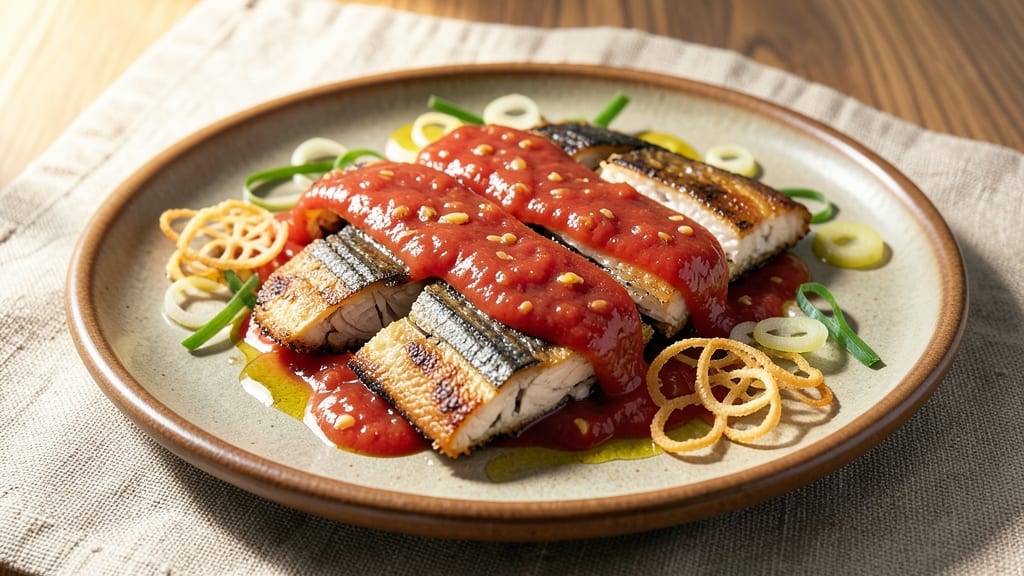
This bangus sardines in tomato sauce recipe delivers crispy, golden skin and a velvety sauce that balances sweetness and acidity perfectly. The secret lies in properly scaling the fish and simmering the tomatoes just enough to develop rich, caramelized depth.
I've refined this technique over years of testing, ensuring every bite offers that signature Filipino restaurant quality at home.
What sets this dish apart is the aromatic base of onions, garlic, and ginger—sautéed until fragrant before adding tomatoes and fish. The sauce thickens gradually, coating the fish in a glossy, slightly tangy glaze that clings beautifully.
Traditional methods like sinigang-style tanginess come through without overpowering the delicate fish flavor.
By the time you plate this dish, you'll have perfectly crispy bangus with tender, flaky flesh swimming in a silky tomato sauce. The aroma alone transforms any meal into something special, while the balanced flavors make it equally satisfying as a weeknight dinner or weekend feast.
Pair with steamed rice to soak up every last drop of sauce, or serve with garlic fried rice for added texture. The recipe scales easily, making it perfect for family gatherings or meal prep. Let's get cooking—this dish is a game-changer for Filipino comfort food lovers.
Ingredients for bangus sardines in tomato sauce
Here's what you'll need to recreate restaurant-quality bangus with velvety tomato sauce at home.
| Ingredient | Amount | Notes |
|---|---|---|
| Fresh Bangus Fillets 🐟 | 1 ½ lb | Skin-on, scaled properly |
| Yellow Onions 🧅 | 1 whole | Medium size, thinly sliced |
| Garlic Cloves 🧄 | 6 cloves | Minced, aromatic |
| Fresh Ginger 🌿 | ½ cup | Finely grated, peeled |
| Canned Tomatoes 🍅 | 1 can | 28 oz, San Marzano preferred |
| Tomato Paste 🍅 | 2 tbsp | Smooth, no added salt |
| Olive Oil 🫒 | ½ cup | Extra-virgin, fruity |
| Sugar 🍚 | 1 tbsp | White granulated |
| Salt 🧂 | 1 ½ tsp | Diamond Crystal kosher |
| Black Peppercorns 🌶️ | ½ tsp | Freshly ground |
| Bay Leaves 🌿 | 2 whole | Dried, aromatic |
| White Vinegar 🍶 | 1 tbsp | For tanginess |
| Steamed White Rice 🍚 | 2 cups | Cooked, for serving |
The bangus is the star—look for fresh, skin-on fillets at your local Asian market or well-stocked grocery store. Filipino markets often have the best quality, but even mainstream stores like Whole Foods carry it. If scaling isn't done for you, use a sharp knife to make diagonal cuts along the bones for even cooking. The onions, garlic, and ginger should be freshly minced—none of that pre-chopped stuff. For the tomatoes, San Marzano cans make all the difference with their sweet, meaty texture. If you can't find them, any high-quality crushed tomatoes will work.
No fresh ginger? Ground ginger at half the amount is a decent pinch, but it won't have the same depth. The tomato paste can be swapped for 1 extra can of crushed tomatoes if you're short, though the sauce will be slightly thinner. For extra tang, add 1 tsp of soy sauce or a splash more vinegar. The bay leaves are non-negotiable—they add that subtle earthy note that makes this taste authentic. If you're serving a crowd, double the sauce ingredients and keep the fish portions proportional. The rice should be long-grain white for perfect sauce absorption.
Store any leftover sauce in an airtight container for up to 5 days in the fridge—it actually tastes better the next day as flavors meld. The cooked fish reheats well, but eat it fresh for that crispy skin. For meal prep, portion the sauce into containers and freeze for 3 months. When reheating, add a splash of water to prevent drying out. The rice keeps for 2 days in the fridge, but it's best served fresh with the sauce.
Why You'll Love This Recipe
- One-Pan Magic: I swear by this—just toss the bangus fillets, onions, and garlic in a single pan with the tomatoes, and let the sauce work its magic. No extra bowls, no mess, and honestly, the cleanup is just wiping one pan. That’s my kind of cooking.
- Tomato-Garlic Hug: The moment the ginger and garlic hit the hot oil, this sauce becomes ridiculously good. The tomatoes caramelize just enough to coat the flaky bangus, giving it that sweet-savory punch that makes you reach for seconds. (Yes, even on a Tuesday night.)
- Leftover Goldmine: This dish tastes better the next day—yes, really. The flavors meld overnight, so I always make extra for lunch or to freeze. My kids beg for it, and my wallet thanks me for the budget-friendly protein.
- Party-Ready Performer: Serve it with rice for a casual weeknight dinner or plop it on toast for a fancy-ish brunch. The sauce thickens perfectly, so it’s just as happy feeding two or six. Between us, I’ve used it for everything from potlucks to lazy Sundays.
Step-by-step instructions for bangus sardines in tomato sauce
Here's how to achieve that perfect balance of crispy skin and rich, aromatic tomato sauce.
Prepare the Bangus Fillets for Crispy Skin
Start by scaling the 1.5 lb fresh bangus fillets thoroughly using a sharp knife. Remove any remaining scales and pat the fillets completely dry with paper towels—this is crucial for crispy skin. Place the fillets skin-side down on a clean cutting board and make 2-3 shallow slits across the top of each fillet to prevent curling during cooking.
Season both sides generously with 1.5 tsp salt and 0.5 tsp freshly ground black peppercorns. I like to press the seasoning firmly into the fish so it adheres well. Let the seasoned fillets sit at room temperature for 15 minutes while you prepare the sauce ingredients. This brief resting time helps the seasoning penetrate slightly and ensures even cooking.
Build the Aromatic Tomato Base
Heat 0.5 cup olive oil in a large, deep skillet over medium heat. Add the 1 whole thinly sliced yellow onions and cook for 5-6 minutes until softened and translucent. Stir in the 6 cloves minced garlic cloves and 0.5 cup finely grated fresh ginger, cooking for another 2 minutes until fragrant—you should smell that bright, citrusy aroma from the ginger.
Add the 2 tbsp tomato paste and stir vigorously to coat the onions and aromatics. Cook for 1 minute to develop the paste's flavor before pouring in the 1 can canned tomatoes (with juices) and the 1 tbsp white vinegar. Bring to a gentle simmer, then reduce heat to low and let it cook uncovered for 10 minutes, stirring occasionally, until the sauce thickens slightly.
Sear the Bangus to Perfection
Increase the heat to medium-high and carefully place the seasoned bangus fillets skin-side down in the skillet. Cook undisturbed for 3-4 minutes until the skin turns golden brown and crispy. You'll know it's ready when it releases easily from the pan—don't press down or you'll break the skin. Flip the fillets gently and cook for another 2-3 minutes on the other side until just opaque in the center.
Real talk: The fish should still have a slight bounce when pressed—overcooking makes it tough. Remove the fillets to a warm plate and tent loosely with foil to keep warm while you finish the sauce.
Complete the Sauce and Combine
Return the skillet to medium heat and add the 1 tbsp sugar and 2 whole bay leaves to the tomato mixture. Simmer for 5 minutes, stirring occasionally, until the sauce reaches your desired consistency—it should coat the back of a spoon but still be saucy enough to cling to the fish.
Carefully transfer the bangus fillets back to the skillet, skin-side up, and spoon the tomato sauce generously over the top. Let it heat through for 1-2 minutes, just enough to warm the sauce without overcooking the fish. The sauce should be silky with just the right balance of sweetness from the sugar and tang from the vinegar.
Serve with Steamed White Rice
Divide the 2 cups steamed white rice among serving plates, then place each bangus fillet on top. Ladle the tomato sauce evenly over the rice and fish. The crispy skin should contrast beautifully with the soft rice and rich sauce. Garnish with additional black pepper if desired and serve immediately while the skin is still crisp.
Each bite should deliver that satisfying crunch from the skin, followed by tender fish and the bright, aromatic tomato sauce. The sauce should cling to both the fish and rice, creating a cohesive, flavorful dish every time.
Pro Tips For Making Bangus Sardines In Tomato Sauce
- Sear Bangus Skin-Side Down: That crispy skin isn’t just for looks—it’s the flavor anchor. Pat the fillets dry with paper towels, then sear them skin-side down in a hot pan for 3-4 minutes until golden and slightly blistered. I used to flip too soon, and the sauce would just soak into the fish without that delicious contrast.
- Grate Ginger, Don’t Mince: Fresh ginger loses its punch when finely minced—it turns to mush and disappears. Use a box grater for tiny, even shreds that bloom flavor without turning the sauce into a paste. (Yes, even if it looks like confetti at first.)
- Simmer Tomatoes Low and Long: Dump those canned tomatoes in and crank the heat? Big mistake. Let them reduce gently for 10-12 minutes first—this cuts the acidity and thickens the sauce so it clings to the fish instead of pooling at the bottom. I learned this after serving a watery, sad version to skeptical in-laws.
- Toast Onions Until Caramelized: Don’t just chop and toss—the onions need to turn golden-brown before adding garlic. Cook them on medium-low for 8-10 minutes, stirring occasionally, until they’re sticky and sweet. This builds depth the raw onions can’t match. (And no, “cooked” isn’t the same as “caramelized.”)
Health benefits of bangus sardines in tomato sauce
Protein Powerhouse
Bangus (milkfish) is a lean, high-quality protein packed with 20 grams per 3-ounce serving—perfect for muscle repair and satiety. Unlike fatty fish, it contains only 1.5 grams of fat per serving, making it ideal for heart-healthy diets while still delivering all essential amino acids. 💪
Omega-3 Advantages
While not as rich as salmon, bangus still provides 300-500mg of omega-3 fatty acids per serving, supporting brain function and reducing inflammation. The combination of omega-3s and vitamin B12 (about 2.5mcg per serving) makes this an excellent choice for energy metabolism and nervous system health.
Tomato Sauce Benefits
The tomato sauce adds lycopene (a powerful antioxidant) and vitamin C (about 30% DV per serving), which boosts immunity and skin health. The ginger and garlic in the sauce provide anti-inflammatory compounds that complement the fish's natural benefits. The white vinegar adds probiotic-friendly acidity that aids digestion.
Low-Calorie Comfort
This dish delivers restaurant-quality satisfaction with only 250-300 calories per serving—significantly lower than fried versions. The steamed rice adds fiber and complex carbs, creating a balanced meal that keeps you full without the guilt. It's a perfect choice for weight-conscious eaters who still want flavor-packed meals. ✨
Bone Health Booster
Bangus contains calcium (about 10% DV per serving) and phosphorus, essential minerals for bone strength. The tomato sauce provides potassium (about 20% DV), which helps regulate blood pressure and muscle function. Together, these nutrients make this dish a surprisingly nutrient-dense comfort food.
Gut-Friendly Digestion
The combination of ginger, garlic, and vinegar in the sauce promotes healthy digestion and may help reduce bloating. The fiber from the onions and tomatoes adds prebiotic benefits, while the lean protein supports gut microbiome balance. It's a surprisingly wholesome dish that feels indulgent. 🌱
Nutrition facts
Frequently asked questions
Can I substitute bangus with another type of fish?
Yes, but choose wisely! For similar texture, use snapper, sea bass, or cod—they hold up well to the tomato sauce. Avoid delicate fish like tilapia or flounder, as they may fall apart. If using sardines (as the name suggests), opt for fresh, skinless fillets and reduce cooking time by 1-2 minutes per side. The sauce will still work beautifully.
How do I prevent the sauce from being too acidic?
Balance the tang by adjusting the sugar or adding a pinch of brown sugar to complement the tomatoes. For extra depth, stir in 1 tsp soy sauce or a splash of fish sauce (like patis) at the end. If the sauce tastes too sharp, simmer it uncovered for 3-4 extra minutes to let the acidity mellow naturally.
Can I make this recipe without fresh ginger?
Use ½ tsp ground ginger or 1 tsp ginger powder instead, but reduce the amount by half since dried ginger is more concentrated. For best results, combine it with ½ tsp ground coriander to mimic fresh ginger's complexity. The flavor won’t be identical, but it’ll still add warmth to the sauce.
Why is my bangus skin not crispy?
Crispy skin requires three key steps: pat the fillets bone-dry before seasoning, use medium-high heat for searing, and don’t move the fish while cooking. If the skin sticks, your pan isn’t hot enough—let it heat for 2-3 minutes before adding the fish. A light coating of oil on the pan helps too!
Can I prepare this dish ahead of time?
Yes! Cook the fish and sauce 1 day ahead and store in airtight containers. Reheat gently in a skillet over low heat to avoid drying out. For the best texture, crisp the skin fresh—reheat the sauce separately and add it back just before serving. The flavors actually improve overnight as the sauce melds!