
Sauces & Condiments
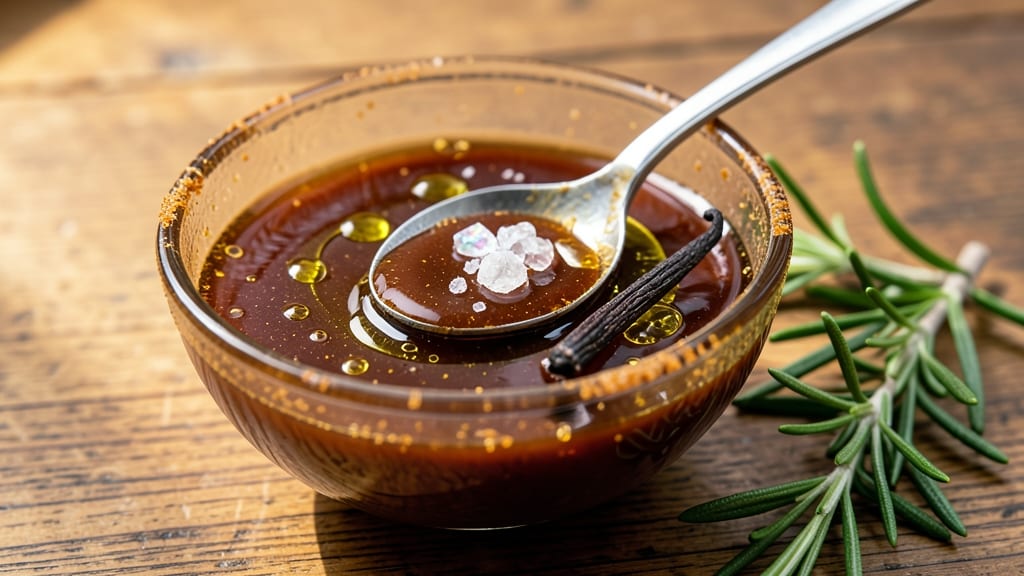
Transforming simple balsamic vinegar into the rich, velvety balsamic glaze sauce recipe is one of those kitchen magic tricks that elevates everything it touches. This delivers depth of flavor through slow reduction, creating a sauce that's perfect for drizzling over salads, meats, or cheeses.
The process is straightforward but requires patience—letting the vinegar simmer until it thickens into a glossy, caramelized syrup with complex layers of sweetness and acidity.
The beauty of this recipe lies in its versatility and simplicity. With just three core ingredients—balsamic vinegar, sugar, and a pinch of salt—you’ll create a sauce that’s restaurant-quality without the fuss.
The sugar isn’t just for sweetness; it’s essential for the reduction process, helping the vinegar break down into a syrupy consistency while adding a subtle caramel note. Optional additions like vanilla bean or fresh herbs can further customize the flavor to suit your taste.
What sets this glaze apart is its ability to transform ordinary dishes into something extraordinary. A few tablespoons drizzled over a caprese salad, seared steak, or even roasted vegetables add a glossy finish and a burst of tangy-sweet flavor.
The slow reduction process concentrates the vinegar’s natural depth, resulting in a sauce that’s far more complex than store-bought versions. Once made, it keeps beautifully in the fridge for up to two weeks, making it a pantry staple for quick flavor boosts.
The key to success is attention to detail during the reduction—keeping the heat low and stirring occasionally to prevent burning. This method ensures a smooth, glossy finish with no bitterness.
Whether you're prepping for a dinner party or simply want to elevate a weeknight meal, this glaze is your secret weapon for adding professional-level flavor with minimal effort.
Ingredients for balsamic glaze sauce
Three core ingredients plus optional enhancements create this velvety, restaurant-quality balsamic glaze.
| Ingredient | Amount | Notes |
|---|---|---|
| Balsamic Vinegar 🍷 | 1 cup | High-quality aged balsamic preferred |
| Granulated Sugar 🍚 | ½ cup | White or brown for caramel depth |
| Sea Salt 🧂 | ¼ tsp | Fine grain for balance |
| Vanilla Bean 🌿 | 1 whole | Seeded for aromatic depth (optional) |
| Fresh Rosemary 🌿 | 2 sprigs | For herbal complexity (optional) |
| Extra-Virgin Olive Oil 🫒 | 1 tbsp | For glossy finish (optional) |
The foundation is aged balsamic vinegar—look for 12-year or older at specialty stores like Whole Foods or Trader Joe's for maximum depth. Domino is a reliable budget option, but the real magic happens with premium brands like Giovanni Giusti. Sugar isn't just for sweetness; it's the catalyst for reduction, breaking down the vinegar into a syrupy consistency. Brown sugar adds subtle caramel notes, while white sugar keeps it cleaner. For the vanilla bean, split one lengthwise—scrape the seeds directly into the sauce for maximum flavor infusion. Fresh rosemary should be vibrant green with no browning, and Costco often sells bundles at reasonable prices.
No aged balsamic? Red wine vinegar with 1 tbsp balsamic cream mimics the depth. Substitute maple syrup for sugar (1:1 ratio) for a vegan option, though it alters the caramelization slightly. Dried thyme works at half the amount of fresh rosemary, but fresh is preferred. The olive oil addition is optional but recommended—California extra-virgin brands like Corto or Otto provide the best fruity finish. If omitting, add an extra 1 tsp sugar to compensate for lost gloss. For a spiced variation, add 1/4 tsp cinnamon during the final reduction stage.
Store the glaze in an airtight glass jar in the refrigerator for up to 2 weeks. The sauce thickens as it cools—reheat gently in a small saucepan with 1 tsp water to restore its glossy consistency. For long-term storage, freeze in ice cube trays for perfect single-use portions. The glaze's acidity intensifies over time, so use within 2 weeks for optimal flavor. Garnish with a sprinkle of flaky sea salt before serving to enhance its complexity.
Why You'll Love This Recipe
- Pantry Magic: I swear by this—no shopping list, just what’s already lurking in my cabinets. Balsamic vinegar, sugar, and a splash of vanilla? That’s it for the base. Even my rosemary plant (yes, the one I forget to water) gets pressed into action.
- Sweet-Savory Balance: The sugar caramelizes into something rich, while the vanilla and rosemary add depth—like a fancy dessert but for your dinner plate. It’s the kind of sauce that makes you pause mid-bite and think, “Wait, why didn’t I do this sooner?”
- Glaze for Everything: Drizzle it over grilled chicken, toss it with roasted veggies, or use it to deglaze a pan after searing steak. Honestly, I’ve even spooned it straight from the jar when I’m lazy. It’s the ultimate “I’ll figure it out later” solution.
- Make-Ahead Gold: Simmer it down, let it cool, and it keeps for weeks in the fridge. I double the batch because it disappears faster than I can say “second helping.” Plus, it’s cheap—like, dirt-cheap—so you can afford to be generous.
Step-by-step instructions for crafting rich balsamic glaze
The secret lies in patience and precision—slow reduction transforms simple ingredients into luxurious depth.
Prepare the Base with Sugar and Vinegar
In a heavy-bottomed saucepan, combine the 1 cup balsamic vinegar and 0.5 cup granulated sugar. I prefer using a saucepan with thick walls—it distributes heat evenly and prevents scorching. Place over medium-high heat and bring to a gentle boil, stirring occasionally to dissolve the sugar completely.
Watch closely as the mixture begins to bubble. You'll see the sugar dissolve into a clear liquid, but don't walk away—balsamic vinegar has a low boiling point and can burn quickly. Once boiling steadily, reduce heat to medium-low to maintain a gentle simmer. This is where the magic starts—the sugar begins caramelizing, creating complex flavors that will develop further during reduction.
Infuse with Aromatics and Vanilla
Add the 2 sprigs fresh rosemary and the 1 whole vanilla bean (split lengthwise) to the simmering mixture. The rosemary should be whole sprigs—this allows the needles to infuse their piney aroma without becoming bitter. Gently stir to submerge the vanilla bean completely, scraping the bottom of the pan occasionally to prevent any sugar from sticking.
Simmer uncovered for 20-25 minutes, stirring every 3-4 minutes to prevent sticking. You'll notice the mixture darkening and thickening as it reduces. The aroma will become intensely sweet and complex—this is your cue that the flavors are melding beautifully. The vanilla bean will release its floral notes, while the rosemary adds an earthy depth that balances the sweetness.
Reduce to Glossy Perfection
Continue simmering until the mixture reduces by about two-thirds, reaching a syrupy consistency. You're aiming for a glaze that coats the back of a spoon smoothly—this typically takes an additional 15-20 minutes. The glaze should be thick enough to drizzle but still pourable, with a deep mahogany color and a glossy sheen.
To test doneness, dip a wooden spoon into the mixture and let it cool for a moment. When you run your finger through it, the glaze should leave a clean trail without dripping excessively. If it's still too thin, continue reducing—patience here ensures a properly balanced sauce. The longer you reduce, the more concentrated and complex the flavors become, but avoid over-reducing or the glaze may become too intense.
Finish with Olive Oil and Salt
Remove the pan from heat and carefully discard the rosemary sprigs. While still warm, stir in the 1 tablespoon extra-virgin olive oil and 0.25 teaspoon sea salt. The olive oil adds a silky finish and helps balance the acidity of the balsamic. Let the glaze sit off heat for 5 minutes—this allows the flavors to meld completely and the olive oil to emulsify naturally.
Taste and adjust seasoning if needed. The glaze should be sweet, tangy, and aromatic with notes of vanilla and rosemary. If it tastes too sharp, add a pinch more sugar; if it lacks balance, add a bit more salt. For best results, use the glaze immediately, but it will keep in an airtight container in the refrigerator for up to 2 weeks. The flavors continue to develop over time, making it even more complex when reheated gently.
Pro Tips For Making Balsamic Glaze Sauce
- STIR CONSTANTLY LOW HEAT: I learned this the hard way—skipping the stir and letting it boil hard turns your glaze into syrup fast. Keep it at a gentle simmer (tiny bubbles, barely there) and stir every 30 seconds with a wooden spoon. The sugar needs time to dissolve evenly, not burn in spots.
- SCRUB THE ROSMARY STEM: Fresh rosemary’s woody stem hides flavor, but scrubbing it under cold water first loosens the needles—just rub it between your palms like you’re washing a potato. Toss the cleaned sprig whole into the simmering vinegar, then fish it out before reducing. The needles infuse faster than you’d think.
- DON’T RUSH THE SUGAR: Dumping sugar in and cranking the heat? That’s how you end up with grainy glaze. Whisk the sugar into the vinegar first—let it dissolve completely at room temp before even turning on the stove. If it’s still gritty after 2 minutes, strain it. Your patience will pay off.
- SALT AT THE END: Salt early, and you’ll end up with a glaze that tastes like vinegar punch. Add the sea salt only in the last 30 seconds of cooking—just a pinch, since you’re not seasoning a whole dish. Taste it drizzled over something neutral (like toast) to judge. Too much, and you’ll regret it.
Common mistakes when making great balsamic glaze sauce
Overheating the Vinegar
One of the most common mistakes is letting the balsamic vinegar boil too vigorously. When heat exceeds medium-low, the vinegar can burn before it properly reduces, creating a bitter, almost burnt flavor instead of the desired sweet-tangy glaze.
I’ve seen this happen when cooks walk away or use thin-bottomed pans that heat unevenly. Always keep the heat at medium-low once boiling begins, and stir frequently to prevent scorching. 🔥
Skipping the Sugar
Some recipes omit sugar entirely, thinking balsamic vinegar is sweet enough on its own. But sugar isn’t just for sweetness—it’s essential for the reduction process. Without it, the vinegar won’t thicken properly, and you’ll end up with a thin, watery sauce.
Use ½ cup granulated sugar as directed; it caramelizes during reduction, adding depth and helping the glaze achieve its signature syrupy texture.
Rushing the Reduction
Patience is key when making balsamic glaze. Rushing the process by cranking up the heat or skipping the 45-60 minute total simmer time results in a thin, underdeveloped sauce. The reduction needs time to concentrate the flavors and achieve that glossy, caramelized finish.
Test doneness by coating the back of a spoon—if it drips too much, keep reducing. Trust the process; the longer you simmer (up to 1 hour), the richer the flavor.
Ignoring the Aromatics
If you’re using optional ingredients like vanilla or rosemary, don’t just toss them in and forget about them. These aromatics need time to infuse their flavors into the glaze. Simmer them for at least 20 minutes—stirring occasionally—to ensure they release their full essence.
Skipping this step leaves your glaze lacking complexity. For maximum flavor, scrape the vanilla bean seeds directly into the sauce and remove the rosemary sprigs only after reduction is complete.
Storing Improperly
Once your glaze is ready, storing it incorrectly can ruin its texture and flavor. Never store it in a metal container, as the acidity can react with the metal, causing a metallic taste. Use an airtight glass jar instead, and refrigerate for up to 2 weeks.
The glaze will thicken as it cools—reheat it gently in a small saucepan with 1 teaspoon water to restore its smooth consistency. If stored properly, the flavors will continue to develop, making it even more delicious over time.
Nutrition facts
Frequently asked questions
Can I make balsamic glaze without sugar?
While possible, sugar is essential for proper reduction and flavor development. Without it, your glaze won't thicken properly and will lack the rich caramel notes that define authentic balsamic glaze. For a sugar-free version, try using maple syrup or honey (1:1 ratio) instead, though the texture may differ slightly.
How do I know when the glaze is done?
Your glaze is ready when it coats the back of a spoon smoothly and leaves a clean trail when you run your finger through it. This typically takes 45-60 minutes of simmering. The color should be deep mahogany with a glossy sheen. If it's still too thin, continue reducing at low heat.
Can I use this glaze on vegetables?
Balsamic glaze pairs beautifully with roasted or grilled vegetables like Brussels sprouts, asparagus, or eggplant. Drizzle it over warm veggies or toss them in the glaze before serving. The sweet-tangy flavor complements their natural sweetness perfectly, creating a restaurant-worthy dish.
Why did my glaze turn bitter?
Bitter flavor usually means the vinegar burned or reduced too long. Keep heat at medium-low and stir frequently to prevent scorching. If it's already bitter, try balancing it with a pinch more sugar or a splash of extra-virgin olive oil. For future batches, reduce heat further and monitor closely.
How can I make this glaze spicy?
Add 1/2 teaspoon chili flakes or a pinch of cayenne pepper during the final 5 minutes of reduction. For a smoky twist, include 1/2 teaspoon smoked paprika with the rosemary. Stir well and taste before removing from heat to adjust spice level. This works especially well with grilled meats or spicy salads.