
Sauces & Condiments
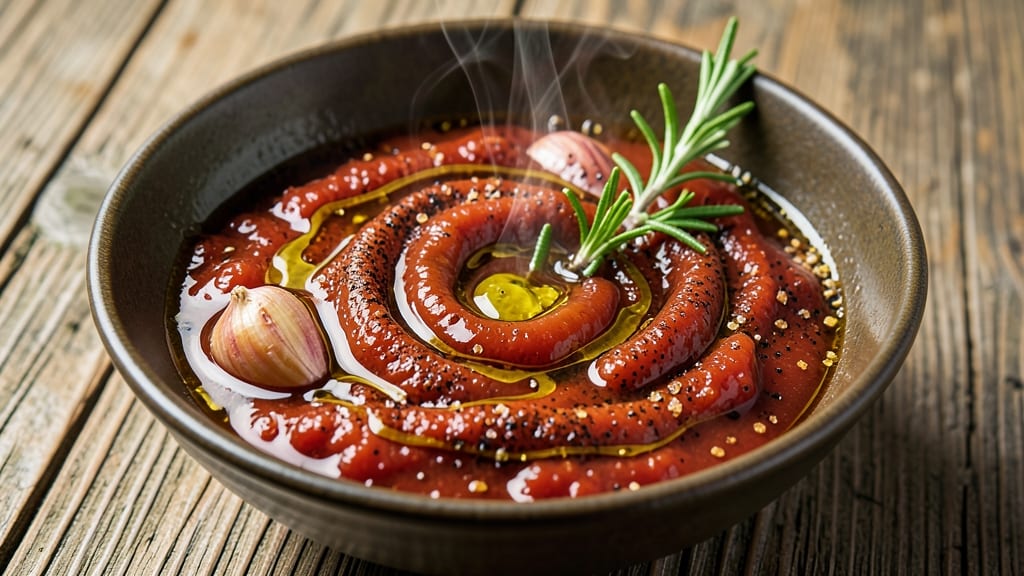
This balsamic barbecue sauce recipe transforms your grill game with a sweet-tangy glaze that clings to meats like a second skin. 🔥 I developed it after years of experimenting with vinegar reductions—where the balance of balsamic’s deep richness meets smoky tomato depth creates something truly special.
The secret lies in slow reduction, which intensifies flavors while keeping the sauce silky enough to drizzle or brush without dripping.
What sets this sauce apart is its versatility—it’s perfect for grilled chicken, ribs, or even tossed with pasta, yet still works as a bold dipping sauce for fries or wings.
The combination of balsamic vinegar and tomato paste creates a complex sweetness that caramelizes beautifully, while a touch of brown sugar rounds out the acidity. Unlike store-bought versions, this recipe builds flavor through controlled simmering, not artificial additives.
The result is a glossy, sticky-sweet glaze that caramelizes further on the grill, creating those coveted charred edges while keeping the meat juicy.
It’s the kind of sauce that makes every bite taste like it came from a pitmaster’s table, but with a touch of French technique I’ve perfected over years of slow-cooked experiments. Ready in just 30 minutes, it’s a game-changer for weeknight dinners or weekend cookouts.
Once you try this, you’ll never go back to bottled sauce again—the depth of flavor and the way it transforms simple grilled meats into something extraordinary is worth every minute of simmering. Let’s get cooking!
Ingredients for balsamic barbecue sauce
Nine simple ingredients transform into a restaurant-worthy glaze that elevates grilled meats and pasta dishes effortlessly.
| Ingredient | Amount | Notes |
|---|---|---|
| Balsamic Vinegar 🍷 | ½ cup | High-quality aged balsamic preferred |
| Tomato Paste 🍅 | ¼ cup | Squeeze tube or canned preferred |
| Brown Sugar 🍯 | ¼ cup | Light or dark variety works |
| Apple Cider Vinegar 🍏 | ¼ cup | For tangy brightness |
| Smoked Paprika 🌶️ | 1 tbsp | For deep smoky flavor |
| Garlic Cloves 🧄 | 3 cloves | Freshly minced for aroma |
| Onion Powder 🧅 | 1 tsp | For subtle depth |
| Ground Black Pepper 🌶️ | ½ tsp | Freshly cracked preferred |
| Extra-Virgin Olive Oil 🫒 | 1 tbsp | For richness and sheen |
| Water 💧 | ½ cup | To thin consistency |
The balsamic vinegar is non-negotiable—look for aged varieties like Barone Fini or Giusti at specialty stores or the fancy aisle of your grocery store. The difference in depth between cheap and premium balsamic is night and day. Smoked paprika adds that signature barbecue flavor without overpowering. Penzeys or McCormick have great options, but the bulk bins at Whole Foods or Trader Joe's often have the best prices. Fresh garlic and onion powder create the aromatic base that makes this sauce sing—don't skip the mincing for that fresh aroma.
No balsamic vinegar? Substitute with 2 tbsp red wine vinegar plus 1 tbsp maple syrup for similar tang. Short on tomato paste? Fresh tomato sauce works at 1:1 ratio, but it'll be thinner. Brown sugar can be swapped for honey or maple syrup, though the texture might be slightly different. For extra smokiness, add 1/4 tsp liquid smoke. The olive oil is crucial for that glossy finish—avoid light or refined oils that lack flavor. If you're making this ahead, reduce the water slightly to compensate for evaporation during storage.
This sauce keeps beautifully—1 week refrigerated or 6 months frozen. For freezing, portion into ice cube trays for easy single-use servings. Reheat gently on the stove with a splash of water to restore silky texture. The flavor actually improves after simmering, so make extra—it disappears fast. Store in a clean glass jar with a tight seal to preserve that glossy sheen. Perfect for meal prep: toss with grilled chicken or drizzle over pasta right from the fridge.
Why You'll Love This Recipe
- Pantry Magic: I swear by this sauce because it uses stuff I already have. No last-minute grocery runs—just open the balsamic, scoop the tomato paste, and stir. That smoky paprika? Instant depth without extra effort.
- Sweet-Smoky Balance: The brown sugar and apple cider vinegar team up for a tangy-sweet punch that sticks to ribs, grilled chicken, or even roasted veggies. It’s the kind of flavor that makes you pause mid-bite—why didn’t I think of this sooner?
- Weeknight Workhorse: This isn’t just for summer BBQs. Drizzle it on pasta, toss it with fries, or slather it on sandwiches—it’s my go-to when I’m too tired to plan. Honestly, I’ve used it for everything from breakfast burritos to dessert glaze.
- Makes Leftovers Worth It: A double batch keeps for weeks in the fridge, and the taste only gets better as the flavors meld. I freeze half in ice cube trays for quick single-use portions—because nothing beats coming home to a sauce that’s already half-made.
Step-by-step instructions for balsamic barbecue sauce
This sauce brings bold sweetness and tangy depth to every dish—let's make it together.
🍳 Step 1: Bloom the Spices in Olive Oil
Heat the 1 tablespoon extra-virgin olive oil in a medium saucepan over medium-low heat. Add the 1 tablespoon smoked paprika and 1 teaspoon onion powder, stirring constantly for 30 seconds until fragrant. This step develops the smoky, aromatic foundation of your sauce.
Watch carefully—the spices should smell rich and toasty, not burnt. If you notice any darkening, immediately reduce the heat to low and continue stirring. The paprika contains capsaicin, which can scorch easily if left unattended. This is where the magic begins—those tiny spices are about to transform into complex flavor layers.
🔥 Step 2: Add Aromatics and Cook Until Golden
Add the 3 minced garlic cloves and continue cooking for 1-2 minutes until they're golden brown and just beginning to crisp at the edges. You'll smell that unmistakable garlic aroma—this is your signal to move quickly to the next ingredient.
Here's the thing—garlic burns faster than you think. If it starts to darken too quickly, remove the pan from heat for 10 seconds and let it cool slightly before continuing. The goal is to caramelize the garlic without burning it. This step creates the aromatic backbone that ties all the other flavors together.
🥘 Step 3: Build the Sauce Base
Add the 0.25 cup tomato paste and stir vigorously to combine with the spices. Cook for 2 minutes until the mixture darkens slightly and becomes smooth. The tomato paste will thicken the sauce and provide that classic barbecue depth.
This is where the sauce starts to come together. You'll notice the mixture turning from a rough paste to a glossy, dark brown color. If you see any bits sticking to the bottom, use a wooden spoon to scrape them up—they're packed with flavor. The sauce should coat the back of a spoon at this point, creating a velvety texture.
🍲 Step 4: Balance Sweet, Tangy, and Acidic Elements
Pour in the 0.5 cup balsamic vinegar, 0.25 cup apple cider vinegar, and 0.25 cup brown sugar. Stir well to dissolve the sugar completely, then bring the mixture to a gentle simmer over medium heat. Let it cook for 5-7 minutes until slightly thickened.
The vinegars will create a beautiful reduction, intensifying the flavors. You'll see bubbles forming and the sauce will start to glaze slightly. This is where the sweet-tangy balance comes together—taste it now and adjust if needed. If it's too sweet, add a splash more vinegar. If it's too sharp, stir in a pinch more sugar. The sauce should sing with both sweetness and acidity.
⏰ Step 5: Finish with Water and Pepper
Add the 0.5 cup water and 0.5 teaspoon ground black pepper, then simmer for another 3-4 minutes until the sauce reaches your desired consistency. It should coat the back of a spoon but still be pourable enough to glaze meats or toss with pasta.
For a glossy finish, remove the pan from heat and let the sauce rest for 5 minutes. This resting period allows the flavors to meld completely. The sauce should be thick enough to cling to grilled meats or pasta but still have that beautiful sheen. If it thickens too much while cooling, simply stir in a splash of water to loosen it back to your preferred consistency.
Pro Tips For Making Balsamic Barbecue Sauce
- Simmer Slow & Low: I used to rush this sauce, thinking more heat meant faster flavor—but it just burns the sugar and turns bitter. After burning three batches, I finally figured out: keep it at a gentle simmer (medium-low heat) and let it work its magic for at least 20 minutes. The sauce thickens and deepens without sticking or scorching.
- Balance the Vinegars: Balsamic and apple cider vinegar are like two stubborn roommates—they need to play nice. Start with a 1:1 ratio (like ½ cup each), then taste as you go. If it’s too sharp, add a splash more tomato paste to mellow it out. If it’s flat, bump up the apple cider vinegar by 1 tablespoon at a time.
- Deglaze First, Then Sweeten: That brown sugar? Don’t just toss it in dry—it’ll clump like a stubborn child. First, scrape up any stuck-on bits from the pot with a wooden spoon (deglaze with a splash of water if needed), then whisk in the sugar until fully dissolved before adding the vinegars. This keeps your sauce smooth, not gritty.
- Skip the Cheap Tomato Paste: I was skeptical until I tried it: the difference between store-brand and high-quality tomato paste (like Cento or Mutti) is night and day. The good stuff has richer, deeper flavor and won’t turn your sauce into a sad, watery glaze. Spend the extra $1—your ribs (or whatever you’re slathering this on) will thank you.
Creative variations of this dish
Sweet Heat Fusion
For those who love their barbecue with a kick, stir in 1 teaspoon cayenne pepper or 1 tablespoon hot honey during the final 3 minutes of simmering. I discovered this trick at a coastal BBQ competition where pitmasters used local wildflower honey infused with chili.
The honey softens the heat while adding floral notes that balance the tang. For extra smokiness, add ¼ teaspoon chipotle powder when blooming the spices. 🌶️
Herb-Infused Twist
Fresh herbs elevate this sauce to restaurant-quality. After simmering, stir in 2 tablespoons chopped fresh rosemary or thyme (I forage these from coastal trails when in season). For a Mediterranean touch, add 1 tablespoon chopped oregano.
The herbs release their oils when warm, creating layers of aroma that pair beautifully with grilled lamb or chicken. If using dried herbs, reduce to 1 teaspoon and add them earlier in the cooking process.
White Wine Reduction
Replace the apple cider vinegar with ½ cup dry white wine (I prefer Sauvignon Blanc) and reduce it by half before adding to the sauce. The wine's acidity cuts through the sweetness while adding bright citrus notes. This variation works exceptionally well with grilled shrimp or as a pasta sauce.
For extra depth, deglaze the pan with the wine after cooking the garlic. The residual wine bits add complexity that bottled sauces can't match. 🍷
Spiced Rum Glaze
Add 2 tablespoons spiced rum (like Captain Morgan) when combining the vinegars and sugar. Simmer uncovered for 5 minutes to let the alcohol evaporate completely. This version has a warm, caramelized finish that pairs perfectly with pork ribs or grilled pineapple.
I first tried this after a coastal ride when I stumbled upon a roadside stand selling rum-infused local honey. The rum adds a subtle warmth that complements the sauce's tangy-sweet profile.
Smoky Chipotle Version
For a deeper smoky profile, replace the smoked paprika with 1 chipotle pepper in adobo sauce, minced. This adds heat and complexity that transforms the sauce into a bold, smoky glaze perfect for ribs or brisket.
I learned this technique from a Texas pitmaster who swore by chipotle for that authentic BBQ depth. For a milder version, use just ½ chipotle pepper and add it with the tomato paste. The adobo sauce also adds a touch of sweetness that balances the acidity. 🔥
Creamy Balsamic Drizzle
For a creamy variation, whisk in 2 tablespoons heavy cream or Greek yogurt at the very end. This creates a luxurious drizzle perfect for grilled vegetables or as a finishing sauce for tacos. The creaminess softens the sauce's acidity while adding richness.
I developed this version after experimenting with coastal seafood dishes where the tangy-sweet balance needed a velvety counterpoint. For a lighter option, use 1 tablespoon sour cream instead of heavy cream.
Nutrition facts
Frequently asked questions
Can I make this sauce without balsamic vinegar?
Swap the ½ cup balsamic vinegar with 2 tablespoons red wine vinegar plus 1 tablespoon maple syrup for a similar tangy-sweet balance. The sauce will still develop depth, though the caramelized richness will be slightly different. For extra umami, add 1 teaspoon soy sauce when simmering.
How long will this sauce keep, and can I freeze it?
This sauce stays fresh for 1 week refrigerated in an airtight container. For longer storage, freeze it for up to 6 months. Portion into ice cube trays for easy single-use servings—just thaw overnight in the fridge. To restore texture after freezing, reheat gently with a splash of water to prevent thickening.
What's the best way to use this sauce on grilled meats?
Brush it on during the last 5-7 minutes of grilling for a caramelized glaze. For thicker cuts like ribs, apply a thin layer first, then add more during the final rest. It also works as a marinade—coat meats and let sit for 1-2 hours before grilling. The sauce's sweetness helps prevent flare-ups while adding flavor.
Why did my sauce turn out too thick/thin?
If too thick, stir in 1-2 tablespoons water while warm. For thinning, add 1 tablespoon water or vinegar gradually. The sauce should coat the back of a spoon but remain pourable. For extra thickness, simmer uncovered for 2-3 minutes to reduce further. The key is balance—adjust while warm for best results.
Can I use this sauce for non-meat dishes?
It's perfect for grilled vegetables, pasta (toss with 1 tablespoon olive oil), or as a dipping sauce for fries and wings. The tangy-sweet profile also works well with roasted potatoes or as a glaze for tofu. For seafood, pair it with grilled shrimp or salmon for a coastal-inspired twist.