
Sauces & Condiments
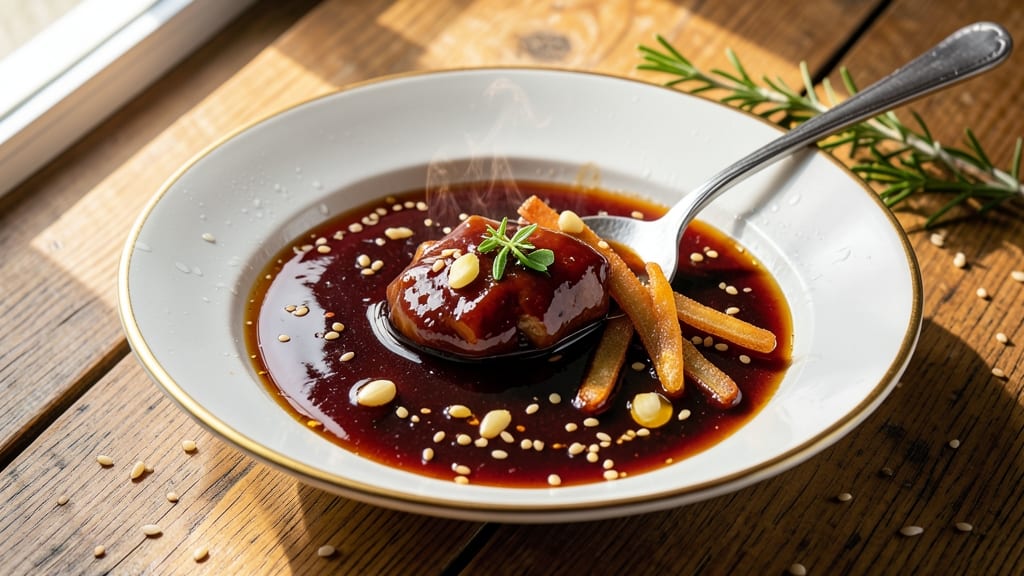
This balsamic teriyaki sauce transforms ordinary dishes into restaurant-quality masterpieces with its perfect balance of sweet, tangy, and umami flavors. The secret lies in combining traditional teriyaki with aged balsamic vinegar, creating a glaze that caramelizes beautifully while adding depth you won't find in store-bought versions.
I developed this recipe after years of experimenting with Asian-inspired sauces, and it consistently delivers that perfect harmony of flavors that keeps people coming back for seconds.
The process is straightforward but precise—simmering the ingredients until the sauce reduces to a glossy, syrupy consistency that clings perfectly to meats, vegetables, or noodles. What makes this sauce truly special is how it enhances other dishes without overpowering them.
The balsamic adds a sophisticated tang, while the teriyaki brings that familiar sweet-savory profile we all love. It's the kind of sauce that elevates simple weeknight dinners into something memorable.
By the time you're done, you'll have a versatile sauce that works as a glaze for grilled chicken or salmon, a marinade for tofu or beef, or even a dipping sauce for spring rolls.
The reduced nature means it keeps well in the fridge for up to two weeks, making it perfect for meal prep. Whether you're cooking for a crowd or treating yourself to a special dinner, this sauce will become your new go-to for adding depth and complexity to any dish.
Ready to elevate your cooking? This sauce is designed to be simple enough for beginners but impressive enough for experienced cooks. Let's get started on creating a sauce that will transform your meals.
Ingredients for balsamic teriyaki sauce
Eight ingredients that combine for a sauce with restaurant-quality depth and balance.
| Ingredient | Amount | Notes |
|---|---|---|
| Aged Balsamic Vinegar 🍷 | ½ cup | Extra-aged for richer flavor |
| Teriyaki Sauce 🍜 | 1 cup | Store-bought or homemade |
| Low-Sodium Soy Sauce 🥢 | ½ cup | For deeper umami |
| Honey 🍯 | ¼ cup | Or maple syrup for vegan |
| Garlic Cloves 🧄 | 3 cloves | Minced for aromatic punch |
| Fresh Ginger 🌿 | 1 tbsp | Grated, not powdered |
| Sesame Oil 🫒 | 1 tbsp | Toasted for nutty aroma |
| Rice Vinegar 🍶 | 1 tbsp | Balances sweetness |
| Brown Sugar 🍚 | 2 tbsp | Lightly packed |
| Salt 🧂 | ½ tsp | Kosher or sea salt |
The balsamic vinegar is where the magic happens—aged balsamic from Trader Joe's or Whole Foods has that rich, caramelized depth you can't get with regular vinegar. I always grab the extra-aged stuff (it's worth the splurge). The teriyaki sauce? Kikkoman or Yamasa are my go-tos, but any quality brand works. Fresh ginger and garlic are non-negotiable here—powdered just won't cut it. Pro tip: toast your sesame oil in a dry pan for 30 seconds before adding to bring out those nutty flavors. The brown sugar should be packed lightly—don't scoop it straight from the bag or you'll end up with a clumpy mess.
No aged balsamic? Regular balsamic vinegar plus 1 tbsp molasses gets you close. Short on honey? Maple syrup works 1:1, though it'll be slightly less smooth. The sesame oil can be swapped for neutral oil plus 1/2 tsp toasted sesame seeds, but you'll lose that aromatic punch. Teriyaki sauce missing? Mix 1/4 cup soy sauce + 1 tbsp mirin + 1 tbsp sugar for a quick sub. Ginger powder in a pinch? Double the amount, but fresh is always better. And if you're watching sugar, reduce the brown sugar by half and add 1 tbsp erythritol—it dissolves better than other sugar substitutes.
This sauce keeps beautifully—2 weeks in the fridge sealed in a jar with a thin layer of oil on top to preserve freshness. Freezes for 3 months too, though the texture gets slightly thicker after thawing. I like to make double batches because it's perfect for meal prep—just reheat gently and stir. The sauce thickens as it cools, so if it seems too stiff, add a splash of water or rice vinegar to loosen it up. Store it in a pretty bottle on your stove so you'll actually use it!
Why You'll Love This Recipe
- Here’s what sold me: that first bite where the deep umami from the soy and teriyaki pops against the tangy, caramelized balsamic and the honey’s golden warmth. It’s the kind of sauce that makes you pause mid-bite—like a flavor hug you didn’t see coming.
- Five-Ingredient Magic: Honestly, I keep this on speed dial because it’s that simple—just simmer those five ingredients until they meld into something richer than you’d expect. No peeling garlic cloves like a surgeon, no measuring spoons out of control; just dump, stir, and let the balsamic and honey do the heavy lifting.
- Sweet-Savory Balance: Here’s what sold me: that first bite where the deep umami from the soy and teriyaki pops against the tangy, caramelized balsamic and the honey’s golden warmth. It’s the kind of sauce that makes you pause mid-bite—like a flavor hug you didn’t see coming.
- Weeknight to Dinner Party: Between us, this sauce works everywhere. Toss it on grilled chicken for a 15-minute dinner, drizzle it over roasted veggies when you’re prepping for the week, or slather it on salmon for when your in-laws drop by unannounced. (Yes, even on a Tuesday night.)
Step-by-step instructions for balsamic teriyaki glaze
This sauce delivers perfect balance—sweet, tangy, and packed with umami depth.
Toast the Aromatics for Maximum Flavor
Heat a small saucepan over medium heat and add the 1 tablespoon sesame oil. Once shimmering, add the 3 cloves minced garlic and 1 tablespoon grated fresh ginger. Cook for 1-2 minutes until fragrant and just beginning to turn golden—this releases their essential oils and builds the sauce's aromatic foundation.
Here's the thing—don't let them burn. You'll know it's ready when the kitchen smells like a Japanese street market. Remove from heat immediately after the garlic turns golden, as it continues cooking even after you stop heating.
Combine Wet Ingredients for Perfect Balance
In the same saucepan, add the 1 cup teriyaki sauce, 0.5 cup low-sodium soy sauce, 0.5 cup aged balsamic vinegar, and 1 tablespoon rice vinegar. Stir well to combine all ingredients thoroughly. The balsamic will start to bubble gently—this is normal and actually helps develop its rich caramelized flavor.
Bring the mixture to a gentle simmer over medium-low heat. Let it reduce for 5 minutes until the volume decreases by about one-third. You're looking for a syrupy consistency that coats the back of a spoon. This reduction concentrates all those beautiful flavors.
Sweeten and Season to Perfection
Add the 0.25 cup honey and 2 tablespoons brown sugar to the simmering sauce. Stir constantly for 3-4 minutes until the sugars dissolve completely and the mixture becomes glossy. The sauce should coat the back of a spoon smoothly—this is your target consistency.
Finally, stir in the 0.5 teaspoon salt and taste. Adjust seasoning if needed—you might want to add a bit more soy sauce for saltiness or a splash of balsamic for tang. The sauce should sing with sweet, tangy, salty, and umami notes all working together harmoniously.
Simmer and Thicken for Glossy Finish
Continue simmering the sauce uncovered for 8-10 minutes until it thickens to a glossy glaze consistency. You'll see it become syrupy and coat the pan in a thin layer. This final reduction step is crucial—it transforms the sauce from good to extraordinary.
For a restaurant-quality finish, strain the sauce through a fine-mesh sieve to remove any garlic or ginger bits. This gives you a silky-smooth glaze perfect for drizzling over grilled meats, roasted vegetables, or noodles. The sauce should be thick enough to cling but still pourable—like honey meets teriyaki.
Pro Tips For Making Balsamic Teriyaki Sauce
- Simmer Garlic Low: I learned this the hard way—crushing garlic cloves whole into the pan leads to bitter chunks. Instead, mince them finely (or use a food processor) and cook them on medium-low heat for 3-4 minutes until they’re just golden, not brown. That way, they melt into the sauce smoothly without overpowering the sweet-savory balance.
- Balance Vinegar Gradually: Aged balsamic adds depth, but too much upfront makes the sauce taste harsh. Start with half the amount called for, let it simmer with the other ingredients for 5 minutes, then add the rest. Taste as you go—you can always add more, but you can’t take it out.
- Skip the Raw Soy: Teriyaki sauce already has soy in it, and adding raw low-sodium soy sauce to the mix can make the sauce clump or separate. Instead, reduce the teriyaki sauce first (by half) before combining it with the other ingredients. This thickens it naturally and prevents a watery finish.
- Infuse Honey Last: Honey burns faster than you’d think, especially when mixed with garlic and vinegar. Wait until the sauce has simmered for at least 8-10 minutes before stirring in the honey. This gives it time to caramelize gently—no bitter aftertaste, just rich depth.
Flavor customization for this balsamic teriyaki sauce
Sweet Heat Boost
For those who love a little kick, add 1 teaspoon sriracha or ½ teaspoon red pepper flakes when combining the wet ingredients. The heat will mingle beautifully with the balsamic tang and teriyaki sweetness.
I like to add it at the end of simmering so the flavors meld without overwhelming the sauce. Start with less—you can always add more later! 🌶️
Citrus Zing
Brighten the sauce with 1 tablespoon freshly squeezed lemon juice or lime zest during the final simmer. The citrus cuts through the richness and adds a refreshing contrast.
I find this works especially well when using the sauce on seafood or grilled vegetables. Add it just before removing from heat to preserve its vibrant flavor.
Smoky Depth
For a smoky twist, stir in ½ teaspoon smoked paprika or 1 teaspoon liquid smoke** (like La Choy) during the final reduction. This adds a subtle campfire note that pairs wonderfully with grilled meats.
I recommend using liquid smoke sparingly—it's potent! The smoky flavor works surprisingly well with the balsamic's caramelized notes. 🔥
Herbaceous Freshness
Finish with 1 tablespoon chopped fresh herbs like cilantro, basil, or Thai basil right before serving. The herbs add a fresh, vibrant note that contrasts beautifully with the rich, reduced sauce. I like to add them just before drizzling over dishes so they stay bright and aromatic.
For an extra touch, lightly toast the herbs in a dry pan for 10 seconds before adding to enhance their flavor.
Spiced Warmth
Infuse the sauce with warmth by adding ½ teaspoon ground cinnamon or ¼ teaspoon ground cardamom during the final simmer. These spices add an unexpected but delightful warmth that complements the balsamic's tang.
I find this works particularly well when using the sauce on pork or chicken dishes. The spices dissolve completely, so you won't find any gritty bits in your finished sauce.
Umami Bomb
For an extra layer of umami, stir in 1 teaspoon fish sauce or ½ teaspoon miso paste during the final reduction. These ingredients deepen the savory profile without altering the sauce's sweet-tangy balance.
I recommend using Red Boat fish sauce for the best quality. The umami boost makes the sauce even more versatile for marinades and glazes. 💫
Nutrition facts
Frequently asked questions
Can I make this sauce without honey?
Use maple syrup as a 1:1 substitute for a vegan option, or swap in agave nectar for a neutral sweetness. For those watching sugar, try monk fruit sweetener (use half the amount) or erythritol, though the texture may be slightly thinner. The key is maintaining the sauce's balance—adjust other sweet components like brown sugar if needed.
How do I prevent the sauce from getting too thick?
If your sauce thickens faster than expected, add 1-2 teaspoons of warm water or rice vinegar while simmering and stir until smooth. For a smoother glaze, strain the sauce through a fine-mesh sieve after cooking. The ideal consistency should coat the back of a spoon but still be pourable—like thick honey. If it's too stiff after cooling, thin it with a splash of water or vinegar before using.
What's the best way to store leftover sauce?
Transfer the sauce to an airtight container and refrigerate for up to 2 weeks. For longer storage, freeze it in ice cube trays (perfect for single-use portions) or a sealed container for 3 months. To preserve freshness, add a thin layer of oil on top before sealing. When reheating, warm gently over low heat and stir—never microwave directly, as it can separate the flavors.
Can I use this sauce as a marinade?
Yes! This sauce makes an excellent marinade for chicken, pork, tofu, or shrimp. For best results, marinate proteins for 30-60 minutes (longer for tougher cuts like pork). Reserve 2-3 tablespoons of the marinade for basting during cooking, as it will caramelize beautifully. Never boil the marinade with raw meat—always use a separate portion for cooking to avoid cross-contamination.
Why does my sauce taste too sweet?
If the sweetness overpowers the tangy and umami notes, balance it by adding 1-2 teaspoons of rice vinegar or aged balsamic vinegar. A pinch of soy sauce can also help deepen the savory profile. For a more complex flavor, try adding a splash of mirin or a dash of fish sauce—both enhance umami without adding sweetness. Taste as you go and adjust gradually!