
Sauces & Condiments
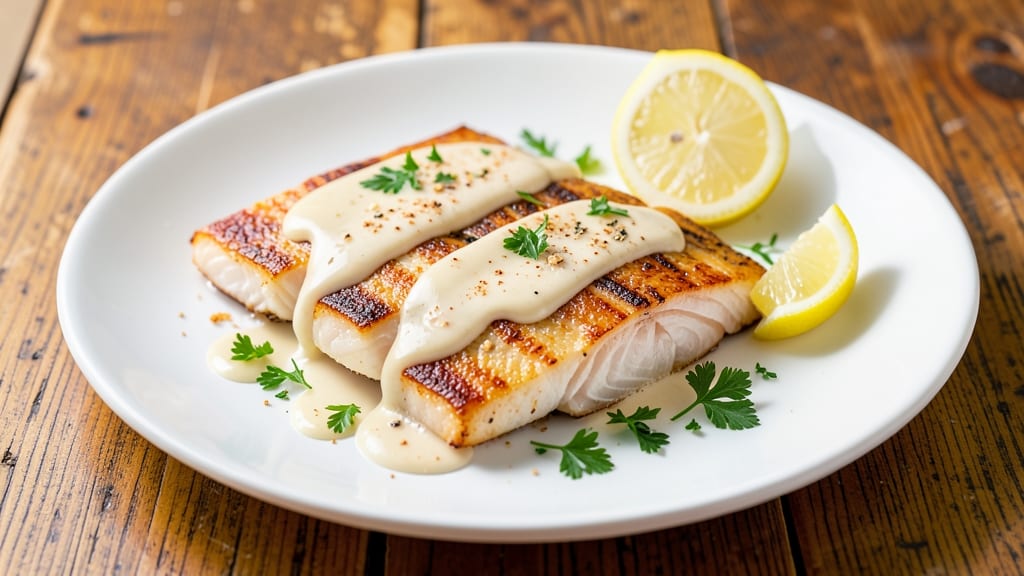
Baked fish in white sauce transforms simple weeknight dinners into restaurant-worthy meals with minimal effort. The secret lies in achieving crispy, golden skin while maintaining tender, flaky flesh—paired with a velvety white sauce that ties everything together. This recipe delivers a harmonious balance of textures and flavors, perfect for pescatarian diets or anyone craving a light yet satisfying meal.
Start with a high-quality white fish like cod or tilapia, seasoned simply with salt, pepper, and a touch of lemon zest to enhance its natural flavor. The white sauce—a creamy blend of butter, flour, milk, and fresh herbs—adds richness without overpowering the delicate fish.
Baking at the right temperature ensures the skin crisps beautifully while the flesh stays moist, creating a dish that’s both impressive and foolproof.
By the time you plate this dish, you’ll have perfectly baked fish with a crisp top and tender center, smothered in a luscious white sauce that clings to every flake. The sauce’s herbed notes complement the fish beautifully, while the crispy skin adds a satisfying contrast.
Serve with roasted vegetables or a simple salad to round out the meal, and you’ll have a dish that feels special without requiring hours in the kitchen.
This recipe is designed to be versatile—swap herbs in the sauce, adjust the baking time based on fish thickness, or add a sprinkle of breadcrumbs for extra crunch.
Whether you're cooking for a weeknight dinner or a weekend gathering, this baked fish in white sauce will leave everyone asking for seconds. Let’s get started!
Ingredients for baked fish in white sauce
Four simple ingredients transform plain fish into restaurant-style perfection with crispy skin and velvety sauce.
| Ingredient | Amount | Notes |
|---|---|---|
| White Fish Fillets 🐟 | 4 pieces | Cod or tilapia, skin-on, 6-8 oz each |
| Unsalted Butter 🧈 | ½ cup | Cold, cubed for crispy skin |
| All-Purpose Flour 🌾 | ¼ cup | For dredging fish |
| Whole Milk 🥛 | 1 cup | Full-fat for creamy sauce |
| Fresh Lemon 🍋 | 1 whole | Zest and juice for brightness |
| Fresh Parsley 🌿 | ¼ cup | Chopped, for herbed sauce |
| Fresh Dill 🌿 | 2 tbsp | Chopped, for herbed sauce |
| Garlic Cloves 🧄 | 2 cloves | Minced for sauce flavor |
| Salt 🧂 | 1 ½ tsp | Kosher or sea salt |
| Ground Black Pepper 🌶️ | ½ tsp | Freshly ground preferred |
| Olive Oil 🫒 | 1 tbsp | For greasing baking dish |
The fish is everything here. Cod or tilapia are your best bets—they stay flaky and absorb flavors beautifully. Grab fillets with the skin still on at Whole Foods or your local seafood counter—they'll be pre-cut and ready to go. If you're buying whole fish, ask for it to be filleted with the skin intact. Look for fillets with a firm, translucent skin—that's your sign of freshness. The butter needs to be cold when you cube it, so pull it straight from the fridge. European-style butter like Plugrá has higher fat content, which gives you that extra crispiness on top.
No cod or tilapia? Haddock or halibut work just as well—just adjust baking time based on thickness. Running short on fresh herbs? Dried parsley or dill at half the amount will work in a pinch, but fresh is ideal. The milk can be swapped for heavy cream for extra richness, but whole milk gives you that perfect balance. For the flour, all-purpose is fine, but if you've got bread flour, it'll give your sauce a slightly thicker texture. The lemon zest is key for brightness—if you don't have a zester, just grate the peel finely with a microplane. And trust me, don't skip the olive oil in the baking dish—it keeps the fish from sticking.
Fish stays freshest wrapped in paper towels in the fridge for 1-2 days. The butter cubes can be prepped ahead and stored in an airtight container for up to 1 week. Once you've made the sauce, it reheats beautifully—just warm it gently on the stove with a splash of milk to loosen it up. This dish tastes even better the next day, so make extra sauce if you're serving with other proteins like shrimp or chicken. The herbed sauce keeps for 3 days in the fridge, so you can make it ahead and just reheat when needed.
Why You'll Love This Recipe
- I’ll be real: most baked fish leftovers taste sad. Not this one. The sauce stays creamy, the fish doesn’t dry out, and reheating it in the microwave (yes, even in a mug) is a thing I do regularly. Plus, it’s cheap—milk, butter, flour, and a lemon make this way more budget-friendly than takeout.
- One-Pan Magic: I swear by this recipe—just toss the fish and sauce in one baking dish, pop it in, and walk away. No chopping, no fussing, and the milk-and-butter sauce thickens right on top while the fish flakes apart like it’s been simmering for hours.
- Lemon-Butter Bliss: That bright lemon zest cutting through the rich white sauce? It’s the kind of balance that makes you close your eyes and sigh. The butter melts into the flour-milk roux until it’s velvety, but the lemon keeps it from feeling heavy—like a hug from your favorite chef.
- Lunch or Dinner: Honestly, I make this for both. A quick lunch? Serve it over greens with a sprinkle of parsley. Dinner for guests? Pair it with crusty bread and a crisp white wine. The sauce clings to the fish so well, it’s basically foolproof for any meal where you want to feel fancy without trying too hard.
Step-by-step instructions for baked fish in white sauce
Here's how to achieve that perfect balance of crispy skin and creamy sauce every time.
Season and Dredge the Fish Fillets
Pat the 4 pieces of white fish fillets dry with paper towels—this step is crucial for crispy skin. Arrange them skin-side down on a clean work surface. Sprinkle evenly with 1.5 teaspoons salt and 0.5 teaspoon ground black pepper, pressing gently so the seasoning adheres.
In a shallow dish, combine the 0.25 cup all-purpose flour with an additional pinch of salt. Lightly dredge each fillet on both sides, shaking off any excess. The flour creates a delicate crust that will crisp beautifully in the oven. Don't press too hard—just a light coating is all you need. Place the seasoned fillets on a plate and let them sit at room temperature while you prepare the sauce components.
Prepare the Herbed White Sauce Base
In a medium saucepan, melt the 0.5 cup unsalted butter over medium heat. Once melted, add the 2 minced garlic cloves and cook for 30 seconds until fragrant—don't let it brown or it'll turn bitter. Immediately whisk in the 0.25 cup all-purpose flour to create a roux, stirring constantly for 1-2 minutes until it turns a light golden color.
Slowly pour in the 1 cup whole milk while whisking continuously to prevent lumps from forming. Bring the mixture to a gentle simmer and cook for 3-4 minutes, stirring often, until the sauce thickens enough to coat the back of a spoon. This is your velvety base—keep it smooth and lump-free for that perfect white sauce texture.
Finish the Sauce and Assemble the Dish
Remove the saucepan from heat and stir in the zest and juice from 1 whole fresh lemon, 0.25 cup chopped fresh parsley, and 2 tablespoons chopped fresh dill. The lemon adds brightness that cuts through the richness of the butter, while the herbs bring freshness. Taste and adjust seasoning with more salt or pepper if needed—you want it flavorful but not overpowering.
Grease a 9x13-inch baking dish with 1 tablespoon olive oil (this prevents sticking and adds flavor). Arrange the dredged fish fillets in a single layer in the dish, skin-side down. Pour the herbed white sauce evenly over the fillets, making sure each piece is well-coated. The sauce should come about halfway up the sides of the fish.
Bake to Golden Perfection
Preheat your oven to 375°F while the fish comes to room temperature. Place the baking dish on the middle rack and bake for 12-15 minutes. You'll know it's done when the fish flakes easily with a fork and the edges are golden brown—the flour crust should be crispy while the fish remains tender underneath.
For the best results, don't overbake. The fish continues cooking slightly after you remove it from the oven. When the edges are golden and the internal temperature reaches 145°F, it's time to serve. The sauce should be thick and creamy, clinging beautifully to the fish.
Rest and Serve
Let the fish rest for 2-3 minutes before serving. This brief resting period allows the juices to redistribute, ensuring each bite is moist and flavorful. The crispy crust will soften slightly but maintain its texture.
Garnish with additional chopped parsley and dill if desired, and serve immediately with steamed vegetables or crusty bread to soak up that delicious white sauce. The contrast of crispy skin, flaky fish, and creamy herbed sauce makes this dish truly special.
Pro Tips For Making Baked Fish In White Sauce
- Preheat Pan, Not Just Oven: The fish needs a hot start—place the baking dish on the middle rack with the oven on broil for 3 minutes before adding the fish. I learned this the hard way when my fish turned rubbery because the pan was cold. A quick broil jump-starts the butter and flour into a proper sauce base.
- Pat Fish Very Dry: Skip the paper towels and use a clean kitchen towel—it absorbs moisture faster. Wet fish steams instead of browning, and that white sauce will slide right off. (Yes, even if you’re impatient like me.)
- Whisk Milk Cold: Chill the milk before adding it to the butter-flour roux—hot milk makes the sauce split like a bad joke. I used to ignore this, and my sauce would curdle every time. Pour slowly while stirring like you’re mixing paint.
- Lemon Zest, Not Just Juice: Grate a strip of lemon peel into the sauce—it brightens the flavor without overpowering. The zest dissolves quietly, but it’s the thing that makes this dish taste fresh, not just tangy. (Your future self will notice.)
Pro cooking tips for perfect results
Crispy Skin Secrets
Pat the fish fillets completely dry with paper towels before seasoning—this step is non-negotiable for crispy skin. I use two layers of paper towels and press firmly to remove all moisture.
The skin needs to be bone-dry so the flour can create a proper crust. If you skip this, your fish will steam instead of crisp. 🌡️
For extra crunch, I recommend using European-style butter like Plugrá for the flour dredge. The higher fat content (82-86%) creates a more stable crust.
Cube the butter and let it sit at room temperature for 10 minutes before dredging to prevent the flour from absorbing moisture and turning into a paste.
Sauce Thickness Control
The key to a perfect white sauce is constant stirring during the roux stage. I use a wooden spoon and stir vigorously for exactly 1-2 minutes until the flour turns golden.
If you walk away, the roux will burn and create bitter flavors. For extra smoothness, I strain the sauce through a fine-mesh sieve before adding the lemon and herbs.
If your sauce is too thick after simmering, thin it with 1-2 tablespoons of warm milk. For extra richness, stir in 1 tablespoon of cold butter at the end—this creates a silky texture. I always taste the sauce before assembling the dish to ensure proper seasoning.
Baking Temperature Precision
Never bake fish at 400°F—this high heat will cook the outside too quickly while the center remains underdone. 375°F is the sweet spot for even cooking. I use an oven thermometer to verify accuracy, as home ovens often run 25°F hotter or colder than set.
Place the fish on the middle rack for consistent heat distribution.
For thicker fillets (over 1 inch), increase baking time by 2-3 minutes per quarter-inch thickness. Test doneness by gently pressing the fish with a fork—it should flake easily but still hold together slightly. The internal temperature should reach 145°F at the thickest part.
Resting for Moisture
Letting the fish rest for 2-3 minutes after baking is crucial—this allows the juices to redistribute. I place the baking dish on a wire rack to prevent soggy bottoms.
If you serve immediately, the fish will be dry and less flavorful. This resting time also lets the crispy crust firm up slightly for better presentation.
For extra flakiness, I sometimes tent the fish loosely with aluminum foil during resting to keep it warm. This works especially well if you're serving multiple courses. The sauce will thicken slightly during resting, so adjust consistency if needed before serving.
Nutrition facts
Frequently asked questions
What’s the best fish for this recipe?
Cod or tilapia work perfectly—they stay flaky and absorb flavors beautifully. For thicker fillets (like haddock or halibut), adjust baking time by 2-3 minutes per extra quarter-inch thickness. Avoid delicate fish like sole or flounder, as they can fall apart easily.
Can I make the sauce ahead of time?
The white sauce keeps in the fridge for 3 days—just reheat it gently with a splash of milk to loosen it. For the fish, prep the dredge and sauce components separately, then assemble just before baking to maintain crispiness.
Why is my fish not crispy?
Skipping the dry-pat step or using wet flour are common culprits. Always pat fillets completely dry with paper towels before dredging, and use cold butter cubes for the roux. If the skin still isn’t crisp, bake at 400°F for the last 2 minutes to finish.
How do I thicken the sauce if it’s too thin?
Simmer the sauce uncovered for 1-2 extra minutes to evaporate excess moisture. For a quick fix, mix 1 teaspoon cornstarch with 1 tablespoon cold water, stir it in, and cook for 30 seconds until thickened. Avoid over-thickening—it should coat the back of a spoon but remain smooth.
Can I use a different white sauce?
Yes! Swap the herbed version for a lemon-beurre blanc (butter, lemon juice, shallots) or a garlic-parsley sauce (add minced garlic and extra parsley). For dairy-free, use coconut milk and olive oil instead of butter. Just adjust seasoning to complement the fish.