
Sauces & Condiments
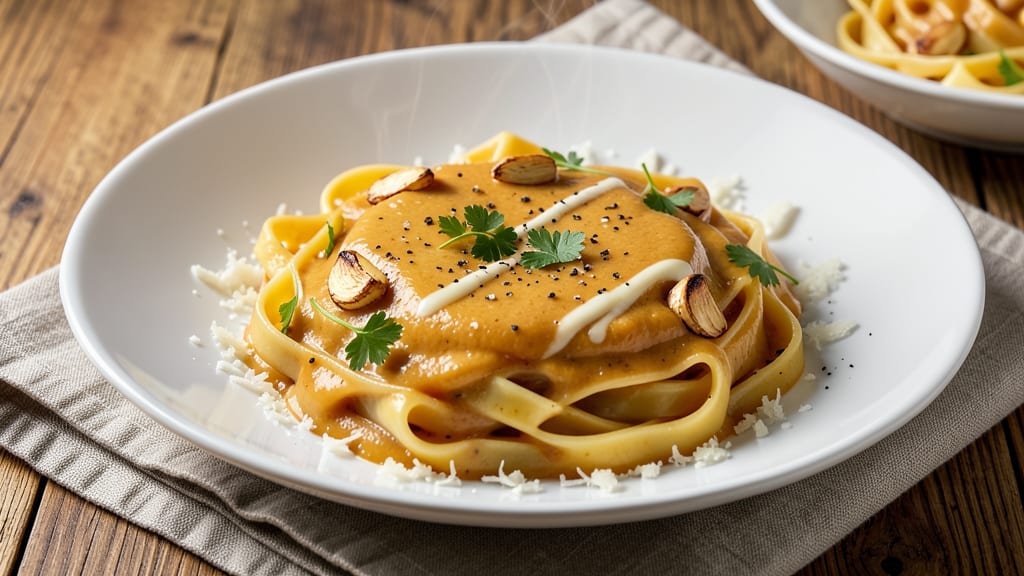
This awesome alfredo sauce recipe delivers restaurant-quality creaminess without the clumps or separation you find in store-bought versions. The secret lies in proper technique—cooking the roux just right and adding the cheese gradually while keeping the sauce moving.
I developed this recipe after years of testing, and it consistently delivers a velvety, rich sauce that coats pasta perfectly every time.
What sets this recipe apart is its simplicity and foolproof method. With just five ingredients and 15 minutes of active time, you'll have a sauce that's richer than anything you've made before.
The key is using heavy cream and butter to create a stable base, then melting in high-quality parmesan and cream cheese for that signature Alfredo texture. No lumps, no breaking—just smooth, luxurious sauce.
This sauce works beautifully with fettuccine, but it's also perfect for tossing with chicken, seafood, or even vegetables. The best part? It reheats perfectly, making it ideal for meal prep.
Once you try this version, you'll never go back to the bottled stuff—it's that good. Let's get started on creating your dream sauce.
For extra richness, you can add a splash of milk or a pat of butter when reheating. Store leftovers in the fridge for up to 5 days or freeze for up to 3 months.
The sauce thickens slightly when chilled, so just stir in a little warm water or milk when reheating to restore its perfect consistency.
Ingredients for awesome alfredo sauce
Five simple ingredients transform into velvety Alfredo perfection—no clumps, no fuss.
| Ingredient | Amount | Notes |
|---|---|---|
| Unsalted Butter 🧈 | ½ cup | Cold, cubed for roux |
| All-Purpose Flour 🌾 | ½ cup | Sifted for smooth sauce |
| Heavy Cream 🥛 | 1 ½ cups | Full-fat for richness |
| Parmesan Cheese 🧀 | 1 ½ cups | Freshly grated, block preferred |
| Cream Cheese 🧀 | 8 oz | Full-fat for texture |
| Garlic Cloves 🧄 | 2 cloves | Minced for subtle flavor |
| Salt 🧂 | ½ tsp | Kosher or sea salt |
| Black Pepper 🌶️ | ¼ tsp | Freshly ground for heat |
| Extra-Virgin Olive Oil 🫒 | 1 tbsp | For finishing, optional |
The butter and flour combo is your secret weapon—cook it low and slow to avoid burning. European-style butter from Land O'Lakes or Plugrá melts beautifully, but any good unsalted butter works. The Parmesan? Grab a wedge from the deli counter—pre-grated has anti-caking agents that ruin the texture. Cream cheese adds that signature Alfredo thickness, but full-fat only—low-fat versions won't give you that luxurious mouthfeel. For the garlic, two cloves max—too much overpowers the creamy base. Trust me on this one.
No heavy cream? Half-and-half plus a splash of milk gets you close, though the sauce won't be quite as rich. Skip the Parmesan? Add an extra 4 oz of cream cheese for that cheesy bite. Freshly grated cheese is non-negotiable here—microplaned or boxed Parmesan won't melt right. The olive oil is optional but adds a lovely finish—California-style extra-virgin from Trader Joe's is my go-to. And if you're worried about clumps? Whisk constantly while adding cheese—that's the real magic.
This sauce keeps 5 days in the fridge, sealed tightly. For freezing, portion into ice cube trays—thaw and whisk with warm water to restore consistency. Reheating? Low heat only—high heat breaks the emulsion. Store the olive oil separately if using it, as it can go rancid faster. Make a double batch—it disappears fast on spaghetti night.
Why You'll Love This Recipe
- No-Fuss Magic: I swear by this sauce because it’s three ingredients max after the roux—just heavy cream, parmesan, and a block of cream cheese to thicken it up. No whisking for hours, no straining, no stress. The butter and flour make a quick roux while you chop garlic (or skip it—no judgment), and boom, you’re done.
- Rich Without Guilt: Here’s what sold me—the cream cheese gives it that velvety, almost too-good texture without tasting heavy. The parmesan adds sharp, salty depth, and the heavy cream? It’s like a warm hug for your taste buds. (Yes, even on a Tuesday night when you’re craving pasta but don’t want to feel sluggish afterward.)
- Pasta Party Fix: This sauce is my secret weapon for game nights, lazy Sundays, or when my roommates suddenly announce they’re bringing dates over. Dump it on fettuccine, toss with chicken or shrimp, or even slather it on garlic bread. It’s the kind of dish that makes people ask, “What’s in this?”—then immediately demand the recipe.
- Leftovers That Lie: Between us, this sauce improves the next day. The flavors meld even more, and it reheats like a dream—just a splash of milk if it gets too thick. I make a double batch on Sundays, freeze half, and thank myself later when I’m scraping the last bits out of the pan. Budget-friendly? Absolutely. A time-saver? Undeniably. My kind of recipe.
Step-by-step instructions for creamy Alfredo sauce
Here's how to make a velvety, lump-free Alfredo sauce that's restaurant-quality in minutes.
Create the Perfect Roux
In a medium saucepan over medium heat, melt the 0.5 cup unsalted butter until it's completely liquid but not browned. Add the 0.5 cup all-purpose flour all at once and whisk vigorously for 1-2 minutes until the mixture forms a smooth, thick paste with no floury spots.
This is your roux foundation—keep whisking constantly so it doesn't burn. You're looking for a golden color that smells nutty and toasty. If it starts to darken too quickly, reduce the heat slightly. The roux should coat the back of a spoon but still be pourable. This step ensures your sauce will have that perfect silky texture without any lumps.
Gradually Add the Heavy Cream
Slowly pour in the 1.5 cups heavy cream while whisking continuously. Add it in a thin, steady stream to prevent clumping. Once all the cream is incorporated, increase the heat to medium-low and let the mixture simmer gently for 5-7 minutes until it thickens noticeably.
You'll see the sauce transform from a thin liquid to a glossy, velvety consistency. Stir occasionally to prevent sticking, but don't over-stir—this can create lumps. The sauce should coat the back of a spoon smoothly. If it thickens too quickly, add 1-2 tablespoons of milk or water to adjust the consistency. Here's where the magic happens—the cream's fat content creates that signature Alfredo richness.
Incorporate the Cheeses
Reduce the heat to low and add the 8 oz cream cheese and 1.5 cups parmesan cheese simultaneously. Whisk vigorously until completely melted and smooth. The sauce will look slightly curdled at first, but keep whisking—it will come together beautifully in 2-3 minutes.
This is where the sauce gets its luxurious body. If you notice any lumps, strain the sauce through a fine-mesh sieve into a clean saucepan. The cream cheese adds that perfect balance of tang and creaminess, while the parmesan brings depth of flavor. Taste and adjust seasoning with the 0.5 tsp salt and 0.25 tsp black pepper. The sauce should be rich but not overly salty—Alfredo should be creamy and comforting, not heavy.
Finish with Garlic and Olive Oil
Stir in the 2 minced garlic cloves and let them infuse for 30 seconds—just enough to add subtle garlic flavor without burning. Remove from heat and stir in the 1 tbsp extra-virgin olive oil for a touch of brightness and to help prevent the sauce from separating.
This final step adds complexity to the sauce. The garlic should be fragrant but not overpowering, and the olive oil adds a pleasant contrast to the richness. For an extra-smooth finish, strain the sauce one more time if needed. The sauce should be thick enough to coat the back of a spoon but still flow smoothly. If it's too thick, thin with a splash of warm water or milk. Serve immediately over your favorite pasta for that perfect creamy Alfredo experience.
Pro Tips For Making Awesome Alfredo Sauce
- Melt Butter Slowly: I learned this the hard way—dumping cold butter into the pan and ending up with greasy clumps instead of a smooth roux. Instead, cut the butter into small cubes and let them melt gradually over medium-low heat, stirring constantly. This keeps the flour from burning before the sauce even starts to thicken.
- Use Room-Temp Cream: Cold heavy cream will make your sauce seize up like a stubborn mule. Take the cream out of the fridge 30 minutes before using—it blends in smoother and thickens more evenly. (Yes, even if you’re impatient like me.)
- Don’t Overmix the Cheese: The moment you add Parmesan and cream cheese, stop stirring like your life depends on it. A few swirls are all you need—overmixing turns the sauce into a gluey mess. Let the residual heat melt everything together naturally.
- Bloom the Flour First: Skip the direct dump-and-stir method—coat the flour in butter for a full minute before adding liquid. This creates a proper roux foundation, so your sauce won’t taste raw or floury. (I used to rush this, and the difference is night and day.)
Serving suggestions for this dish
Pasta Pairings
This sauce is a match made in heaven with fettuccine—its wide, flat surface perfectly cradles the creamy sauce. I always cook 12 oz fettuccine per serving, tossing it al dente with 1 cup of sauce for that ideal ratio.
For extra indulgence, try pappardelle or tagliatelle, which both soak up the sauce beautifully. 🍝
Protein Additions
Elevate your dish by adding grilled chicken breast or shrimp—both complement the sauce's richness without overpowering it. For chicken, use 8 oz per serving, sliced into strips and lightly seasoned with salt and pepper.
For seafood lovers, peeled shrimp (about 6 oz per serving) cooks in just 2 minutes and adds a delightful briny contrast. 🦐
Vegetable Boosts
Add fresh steamed broccoli florets or sautéed mushrooms for a touch of color and texture. I recommend 1 cup broccoli or ½ cup mushrooms per serving—both should be cooked until tender-crisp. For a pop of color, try roasted cherry tomatoes (about ½ cup) that add a subtle sweetness. 🥦
Garnish Ideas
Finish your dish with fresh parsley or basil for a bright, herbaceous note. A sprinkle of crushed red pepper flakes (about ¼ tsp) adds a hint of heat, while toasted pine nuts (about 2 tbsp) bring a delightful crunch.
For a luxurious touch, drizzle with extra-virgin olive oil just before serving. 🌿
Bread Pairings
Serve with garlic bread or crusty Italian bread on the side—it’s perfect for soaking up any leftover sauce. I love using sourdough for its tangy contrast or baguette slices for a classic touch. For a fun twist, try buttered dinner rolls that melt in your mouth. 🍞
Make-Ahead Serving
This sauce reheats beautifully, making it perfect for meal prep. Store leftovers in an airtight container and reheat on the stovetop over low heat with a splash of warm water or milk to restore its creamy texture. Serve with pre-cooked pasta or fresh ingredients to keep everything vibrant. 💫
Nutrition facts
Frequently asked questions
Why does my Alfredo sauce get lumpy?
Lumps happen when cheese isn't melted gradually or the sauce isn't whisked constantly. The key is adding cheese slowly over low heat while whisking vigorously. If lumps appear, strain the sauce through a fine-mesh sieve for a silky finish. Always keep the sauce moving—this prevents clumping before it starts.
Can I make this sauce without cream cheese?
Yes, but it won't be quite as rich. Replace the 8 oz cream cheese with 4 oz extra parmesan cheese and 1 tbsp cornstarch mixed with 2 tbsp cold water. Whisk this slurry into the simmering sauce to thicken it properly. The texture will be lighter but still delicious.
How do I fix a sauce that's too thick?
Thin it with 1-2 tablespoons of warm milk or water while whisking continuously. For a richer fix, add 1 tablespoon of heavy cream instead. Never add cold liquid—it can cause the sauce to curdle. If it's still too thick after adding liquid, simmer for 1-2 minutes to let the starches fully dissolve.
What's the best pasta to serve with this sauce?
Fettuccine is classic, but pappardelle or tagliatelle work beautifully too. For extra indulgence, try bucatini—the hollow center traps the creamy sauce perfectly. Always cook pasta al dente (1 minute less than package instructions) so it doesn't get mushy when tossed with the sauce.
Can I freeze this Alfredo sauce?
Portion into airtight containers or ice cube trays for easy serving. Freeze for up to 3 months. To reheat, thaw in the fridge overnight, then warm on low heat with a splash of warm water or milk to restore creaminess. Never microwave frozen sauce directly—it causes separation.