
Sauces & Condiments
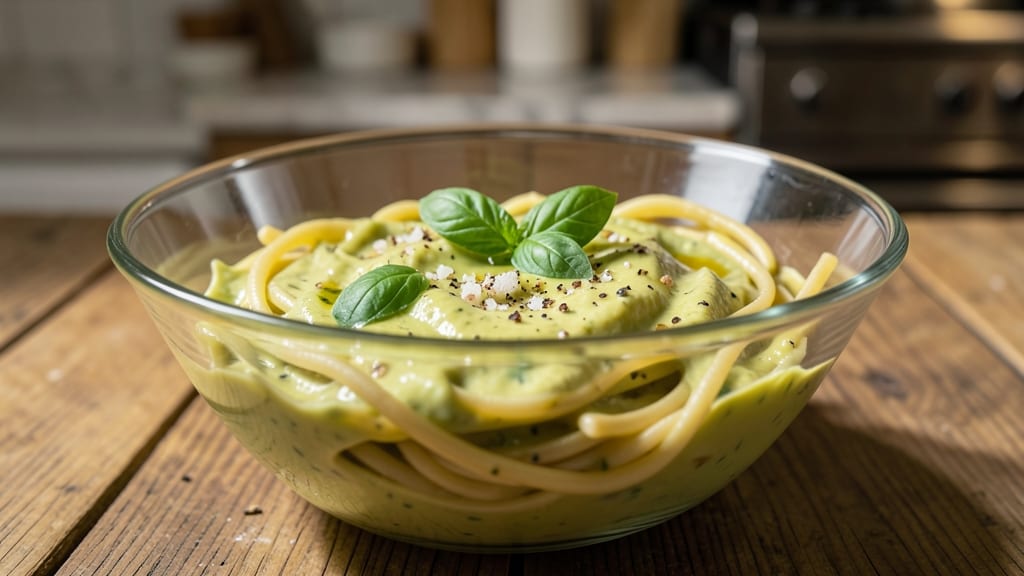
This avocado cream pasta sauce transforms simple noodles into a luxurious, velvety masterpiece with just 10 minutes of prep—no cooking required. The secret? Ripe avocados blend into a silky base, while a touch of apple cider vinegar adds a bright, unexpected zing that balances the richness.
I developed this recipe after craving a creamy sauce without heavy cream, and it became an instant weeknight favorite.
The magic happens in the texture: avocados create a naturally thick, velvety consistency that clings to pasta perfectly, while Greek yogurt adds tang and lightness. Garlic, lemon juice, and fresh herbs infuse layers of flavor without overpowering the dish.
What makes this sauce special is its versatility—it elevates grilled chicken, roasted vegetables, or even crusty bread into a satisfying meal.
This sauce keeps beautifully in an airtight container in the refrigerator for up to 3 days, making it ideal for meal prep. The vinegar trick prevents browning, so you won’t lose that vibrant green color or fresh taste.
Whether you’re dressing up a simple pasta dish or turning a salad into something extraordinary, this recipe delivers restaurant-quality results with minimal effort.
Pair it with your favorite proteins or enjoy it as a standalone dip—just don’t forget the extra herbs on top. Here’s how to make it shine.
Ingredients for avocado cream pasta sauce
Ten ingredients transform into a velvety sauce that clings perfectly to noodles.
| Ingredient | Amount | Notes |
|---|---|---|
| Ripe Avocados 🥑 | 2 whole | Firm but yielding when pressed |
| Plain Greek Yogurt 🥛 | ½ cup | Full-fat for creaminess |
| Extra-Virgin Olive Oil 🫒 | ¼ cup | Light fruity variety preferred |
| Apple Cider Vinegar 🍏 | 1 tbsp | Raw, unfiltered preferred |
| Fresh Garlic 🧄 | 2 cloves | Minced finely for depth |
| Lemon Juice 🍋 | 1 tbsp | Freshly squeezed |
| Fresh Basil Leaves 🌿 | ¼ cup | Packed, stems removed |
| Diamond Crystal Kosher Salt 🧂 | ½ tsp | Fine grain preferred |
| Freshly Ground Black Pepper 🌶️ | ¼ tsp | Freshly cracked |
| Unsalted Butter 🧈 | 1 tbsp | For richness finish |
Avocados are the star here—pick ones that yield slightly to gentle pressure but don't feel mushy. Whole Foods or local markets usually carry the ripest ones, but any grocery store's produce section works in a pinch. The Greek yogurt should be thick and tangy—Fage or Chobani are my go-tos, but any plain variety will do. For the vinegar, Bragg or local apple cider vinegar adds that bright zing without overpowering. Fresh herbs make all the difference—basil from the farmers market has the most vibrant flavor, but store-bought works fine if it's bright green with no wilt.
No avocados? Silken tofu blended with lemon juice mimics the texture, though it won't be quite as creamy. Substitute apple cider vinegar with white wine vinegar or rice vinegar if needed, but the flavor will shift slightly. Fresh basil? Dried basil at one-third the amount works in a bind, though it lacks that fresh pop. The olive oil should be extra-virgin with a peppery finish—none of that cheap cooking oil. And if you're out of butter, a little more olive oil will keep the sauce rich.
This sauce keeps beautifully in an airtight container in the fridge for up to 3 days, though it's best within the first day or two. To prevent browning, press plastic wrap directly on the surface before sealing. Freezes well for up to 2 months if you portion it into ice cube trays first—perfect for quick pasta nights. Leftovers? Toss with cooked pasta or use as a dip for veggies—extra herbs on top make it feel fresh every time.
Why You'll Love This Recipe
- No Blender Needed: I swear by this—just mash the avocado with a fork, mix in the yogurt, and stir. That’s it. No pulsing, no straining, no cleanup beyond one bowl.
- Creamy Without Heavy: The Greek yogurt gives it that luscious texture without the richness of heavy cream. Honestly, the avocado’s natural fat keeps it rich, but the vinegar adds this bright tang that cuts through it perfectly.
- Leftover Magic: This sauce actually improves the next day. The flavors meld, and it’s still silky—no separation, no weird textures. I’ve reheated it for lunch three times in a row, and it’s always a hit.
- Budget-Friendly Luxury: Avocados are pricey, but one ripe one stretches for two meals. Pair it with basic pasta, and suddenly you’ve got a restaurant-worthy dish that costs less than takeout. (Yes, even on a Tuesday night.)
Step-by-step instructions for avocado cream pasta sauce
This velvety sauce comes together in minutes with simple techniques for maximum flavor.
Halve and Pit the Avocados
Cut the 2 whole ripe avocados in half lengthwise and remove the pits using a sturdy spoon. I press the spoon into the center of each half and twist gently to dislodge the pit—this prevents the avocado from flying out unexpectedly. The flesh should be firm but yield slightly when pressed, indicating perfect ripeness for this sauce.
Scoop the avocado flesh into a food processor or high-powered blender, leaving the skins behind. You'll want about 1½ cups of avocado flesh total. If using a food processor, I recommend scraping the sides down once or twice during blending to ensure even emulsification. The goal is to create a completely smooth base without any visible texture.
Blend the Creamy Base
Add the 0.5 cup plain Greek yogurt, 0.25 cup extra-virgin olive oil, 1 tablespoon apple cider vinegar, 2 cloves minced fresh garlic, and 1 tablespoon lemon juice to the food processor with the avocado. The vinegar might seem odd, but it's what gives this sauce its bright, complex character that prevents it from tasting too heavy.
Pulse the mixture briefly to combine, then blend continuously for 30-45 seconds until completely smooth. You'll notice the mixture immediately thickens as the ingredients emulsify. If it looks too thick, add 1-2 tablespoons of water to achieve a pourable consistency. The sauce should be velvety and glossy, with no visible flecks of avocado or garlic.
Season and Finish with Basil
Transfer the blended mixture to a medium bowl and stir in the 0.25 cup chopped fresh basil leaves, 0.5 teaspoon diamond crystal kosher salt, and 0.25 teaspoon freshly ground black pepper. The basil adds freshness that cuts through the richness of the avocado and yogurt. I like to press the basil against the side of the bowl with a spoon to release their essential oils before stirring.
Taste and adjust the seasoning if needed—this is where the vinegar's tang comes through. If it needs more brightness, add another teaspoon of lemon juice. If it needs more salt, add it gradually. The sauce should be well-seasoned but balanced, with the vinegar adding a subtle zing that prevents it from tasting flat.
Warm and Finish with Butter
Heat a large skillet over medium-low heat and pour in the avocado sauce. Stir gently to warm through, being careful not to let it boil or separate. After about 2 minutes, remove from heat and stir in the 1 tablespoon unsalted butter. The butter adds luxurious richness and helps stabilize the sauce if it starts to thin from the heat.
Taste again and adjust seasoning one final time. The sauce should be warm but not hot—just enough to melt the butter completely. If you're serving immediately, keep the skillet warm over very low heat. For best results, toss the sauce with cooked pasta right before serving to prevent the avocado from oxidizing and turning brown.
Serve with Fresh Herbs
Garnish each serving with additional chopped fresh basil and a sprinkle of freshly ground black pepper. The contrast between the cool, creamy sauce and warm pasta creates an incredibly satisfying texture. I like to serve this with al dente spaghetti or linguine, but it also works beautifully with penne or fusilli.
For extra brightness, drizzle with a touch of olive oil from the same bottle you used in the recipe. The sauce should coat the pasta completely, with each bite delivering creamy avocado, tangy vinegar, and fresh basil notes. The key to success is keeping everything cold until the very last moment to preserve the avocado's vibrant green color and fresh flavor.
Pro Tips For Making Avocado Cream Pasta Sauce
- BLEND IN BATCHES: I learned this the hard way—don’t dump all your avocado and yogurt into the blender at once. Start with half, pulse until smooth, then add the rest. This keeps the motor from overheating and ensures you don’t end up with a greasy, uneven mess. (Yes, even if you’re impatient like me.)
- USE COLD YOGURT: Sounds weird, but it works: pull that Greek yogurt from the fridge right before blending. Cold yogurt keeps the sauce thick and creamy longer, while room-temperature yogurt turns watery the second it hits the pasta. No need to stress—just grab it straight from the cold shelf.
- MINCE GARLIC FINE: Skip the press or rough chop—this sauce needs finely minced garlic, not chunks. Use a knife to smash the cloves flat, then slice them paper-thin before adding. You’ll taste it evenly, not in random garlic bursts. (And trust me, you don’t want a pasta sauce where one bite hits you like a garlic bomb.)
- ACIDIFY GRADUALLY: Start with half the apple cider vinegar, taste, then add more if needed. Too much upfront and your sauce tastes sharp; too little and it’s bland. The yogurt and avocado are rich enough—let the acid brighten, not overpower. (Pro move: keep a tiny bowl of vinegar nearby so you can adjust as you go.)
Best sauces and condiments for avocado cream pasta sauce
Creamy Avocado Variations
Swap Greek yogurt for sour cream to deepen the richness—just reduce the butter to ½ tablespoon since sour cream is naturally fattier. For a dairy-free option, use ½ cup full-fat coconut yogurt (like Kite Hill) and add 1 teaspoon maple syrup to balance acidity. 🥥
Herb Alternatives
Need to skip basil? Try cilantro for a bright, citrusy note (add ¼ cup chopped and a pinch of cumin). Parsley works too—use ⅓ cup chopped and a squeeze of extra lemon juice.
For a Mediterranean twist, add 1 teaspoon dried oregano and a pinch of red pepper flakes.
Protein Pairings
This sauce clings beautifully to grilled shrimp—toss with ½ pound cooked shrimp and a sprinkle of fresh chives. For heartier meals, pair with crispy chickpeas (toss 1 cup roasted chickpeas with sauce and lemon zest).
The creamy texture also complements seared scallops—just add a pinch of smoked paprika to the sauce for depth. 🍤
Vegetable Boosters
Stir in roasted cherry tomatoes (halved) for a sweet-tangy contrast, or add sautéed mushrooms (cooked with 1 clove garlic and 1 tbsp olive oil). For extra color, fold in shredded kale (massaged with 1 tsp lemon juice first).
These additions work best when added to the warm sauce just before serving.
Texture Adjustments
Too thick? Thin with 1-2 tbsp warm water or vegetable broth. Too thin? Stir in 1 tbsp mashed avocado or a dollop of Greek yogurt. For a chunkier texture, pulse the avocado in the food processor for just 10 seconds before adding other ingredients.
The vinegar helps stabilize the sauce, but if it still separates, whisk in 1 tsp cornstarch mixed with 1 tsp water.
Nutrition facts
Frequently asked questions
Why does this avocado sauce turn brown after blending?
Avocados oxidize quickly when exposed to air, causing that unsightly browning. To prevent it, press plastic wrap directly onto the sauce's surface in an airtight container before refrigerating. For immediate use, keep everything cold until the last moment and toss with pasta right before serving. The vinegar in the recipe also helps slow oxidation slightly.
Can I make this sauce without a food processor?
Yes! Use a high-powered blender or even a sturdy hand mixer. For a smoother texture, mash the avocado first with a fork, then whisk in the yogurt, olive oil, and other ingredients gradually. You might need to strain it through a fine-mesh sieve to remove any remaining lumps. The key is patience—blend for at least 1 minute to achieve that velvety consistency.
What's the best pasta shape for this creamy sauce?
This sauce clings beautifully to linguine, spaghetti, or fettuccine thanks to its smooth texture. For extra grip, try pappardelle or tagliatelle. If you prefer chunkier noodles, penne or fusilli work well too. Just cook the pasta 1 minute less than package instructions suggest—al dente pasta holds up better to creamy sauces.
How can I make this sauce spicier?
Add ½ teaspoon cayenne pepper or 1 teaspoon hot sauce (like sriracha) to the blended mixture. For smoky heat, stir in ½ teaspoon smoked paprika with the butter at the end. If you love fresh chili, blend in 1 jalapeño seedless with the avocado. Always taste first—you can adjust the heat level easily with more or less.
Will this sauce work with gluten-free pasta?
This sauce is naturally gluten-free and pairs perfectly with gluten-free pasta. For best results, choose a high-quality brand like Barilla GF or De Cecco GF that holds its shape well. Cook the pasta in well-salted water and reserve ½ cup pasta water to thin the sauce if needed—gluten-free noodles can be drier.