
Sauces & Condiments
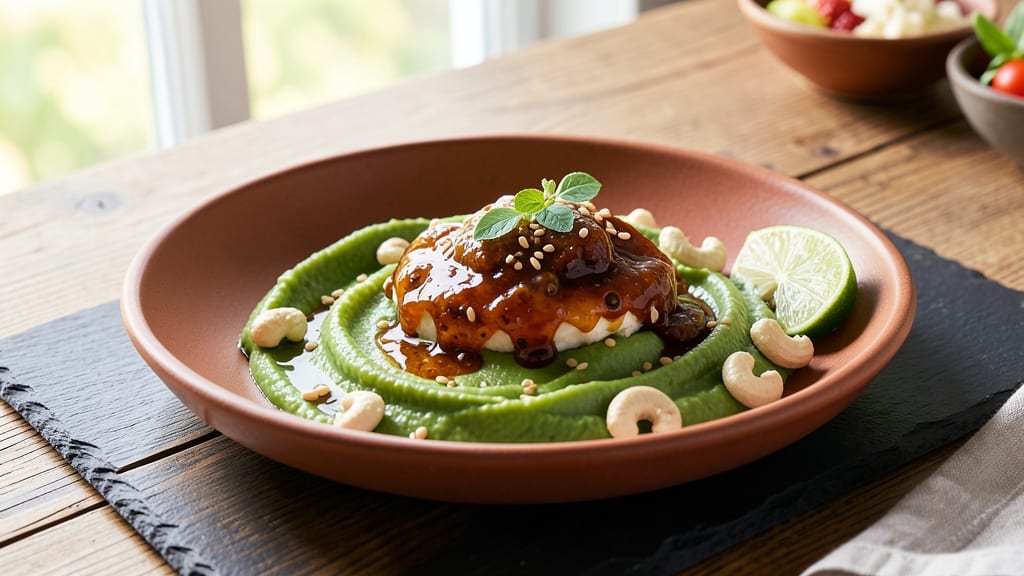
This avocado and soy sauce recipe transforms simple ingredients into a creamy, umami-rich dip that balances rich textures with bold flavors. The secret lies in blending ripe avocado with tangy soy sauce, creating a velvety base that's both satisfying and versatile.
I developed this while craving something savory yet creamy—no heavy cream or dairy needed.
What sets this dish apart is the crunchy topping twist: toasted sesame seeds and crushed peanuts add texture that contrasts perfectly with the smooth avocado.
The soy sauce brings depth without overpowering, while lime juice brightens the mix. It’s vegan-friendly, packed with plant-based protein, and ready in just 10 minutes.
The result is a dip that’s restaurant-quality at home—ideal for veggie platters, tacos, or even as a spread on toast. The avocado’s natural fats balance the soy’s saltiness, while the crunchy topping elevates every bite.
Serve immediately for the best texture, or store with a squeeze of lime to keep it fresh.
Pair it with cucumber slices, fresh herbs, or warm tortilla chips for a complete meal. The flavors are bold yet balanced, making this a standout for any gathering. Let’s get started—your taste buds will thank you.
Ingredients for avocado and soy sauce
Creamy avocado meets bold soy sauce—just 12 ingredients for restaurant-quality flavor.
| Ingredient | Amount | Notes |
|---|---|---|
| Ripe Avocados 🥑 | 2 whole | Pitted, scooped flesh only |
| Tamarind Soy Sauce 🍶 | ¼ cup | Or sub light soy sauce |
| Lime Juice 🍋 | 2 tbsp | Freshly squeezed, strained |
| Raw Cashews 🥜 | ¼ cup | Soaked 1 hour for creaminess |
| Water 💧 | ¼ cup | For blending consistency |
| Toasted Sesame Seeds 🌾 | 2 tbsp | Lightly browned in dry pan |
| Crushed Peanuts 🥜 | ¼ cup | Raw or roasted preferred |
| Garlic Cloves 🧄 | 1 clove | Minced for subtle depth |
| Extra-Virgin Olive Oil 🫒 | 1 tbsp | For richness and binding |
| Sea Salt 🧂 | ½ tsp | Diamond Crystal preferred |
| Ground Black Pepper 🌶️ | ¼ tsp | Freshly cracked preferred |
| Cucumber Slices 🥒 | 1 cup | For serving, optional garnish |
The avocados are non-negotiable here. Ripe but firm ones blend perfectly—check for no dark spots or mushy areas. Trader Joe's often carries the best ones, but any grocery store's produce section works if you pick the right ones. The tamarind soy sauce (or regular light soy) is what gives this dip its signature depth—Kikkoman or San Chuan are solid choices. If you can't find tamarind soy, a mix of light soy plus a pinch of brown sugar mimics it well. For the cashews, soaking them for at least an hour makes all the difference—they blend into a velvety texture that replaces dairy cream perfectly.
No tamarind soy? Light soy sauce plus 1 tsp maple syrup gets you close. Fresh lime juice is ideal, but bottled works in a pinch—just add a pinch of salt to compensate. The garlic can be skipped if you're sensitive to its flavor, but it adds that subtle complexity that makes this dip feel restaurant-made. Crushed peanuts are key for texture—if you can't find them, toast regular peanuts and pulse them in a food processor. The sesame seeds should be toasted until they're just golden, not burnt. For extra crunch, toast them right before serving. The cucumber slices are optional but add that fresh, crisp contrast that balances the richness.
This dip is best served immediately, but if you need to prep ahead, store it in an airtight container with a thin layer of olive oil on top to prevent browning. Keeps for 2 days in the fridge, though the texture gets softer over time. For longer storage, freeze the base (without toppings) for up to 3 months. When reheating, add a splash of water and blend until smooth. The lime juice is your friend here—add a squeeze before serving to keep everything bright. Portion it into small containers for easy grab-and-go dipping, or serve family-style with tortilla chips for maximum fun.
Why You'll Love This Recipe
- Five-Ingredient Magic: I swear, this is the kind of recipe where you glance at your pantry and think, "I’ve got this." No chopping, no peeling, no fancy techniques—just mash avocado, stir in tamarind soy sauce, and let the lime juice do its bright thing. The cashews add crunch with zero effort, and boom, you’re done.
- Umami Bomb: That tamarind soy sauce? It’s where the flavor party starts. Salty, tangy, and just a little sweet—it turns simple avocado into something dangerously addictive. Add the lime, and suddenly you’ve got a balance that makes every bite sing. Honestly, I’ve never met a dip that hits this hard with so few ingredients.
- Office Party Hero: This is my go-to for gatherings where you need something impressive but not labor-intensive. Slap it in a bowl with some crackers or veggies, and suddenly you’re the host who didn’t stress. It’s not just a dip—it’s the kind of thing people will ask for the recipe, and you’ll look like a genius.
- Make-Ahead MVP: Between us, this stuff tastes better the next day. The flavors meld, the cashews soften just enough, and you’ve got a ready-to-go snack or appetizer with zero last-minute panic. Plus, it’s cheap—avocados stretch far, and a little soy sauce goes a long way. My wallet and my future self thank me every time.
Step-by-step instructions for creamy avocado and soy sauce dip
Here's how to make this velvety umami dip with a perfect crunchy contrast—every bite delivers rich avocado creaminess and nutty texture.
Prepare the Avocado Base
Cut the 2 whole ripe avocados in half, remove the pits, and scoop the flesh directly into a food processor. I like to use a rubber spatula to get every last bit—avocado waste is a crime when you're making something this creamy. Add the 2 tbsp lime juice, 1 tbsp extra-virgin olive oil, 0.5 tsp sea salt, and 0.25 tsp ground black pepper to the processor. The lime juice is crucial here—it prevents browning and brightens the avocado flavor.
Pulse everything together for about 10 seconds to break up the avocado slightly, but don't over-process yet. You want to preserve some texture in the base. The mixture should look like coarse sand with visible avocado chunks. This is where the magic starts—raw avocado alone won't give you that signature dip consistency, so we're about to add the game-changers.
Blend the Creamy Foundation
Add the 0.25 cup soaked raw cashews and 0.25 cup water to the food processor. The soaked cashews are key—they blend into a silky cream that binds everything together. Process on high speed for 30-45 seconds until completely smooth. You'll know it's ready when the mixture looks like thick, pale green mayonnaise with no visible texture.
Here's the thing—I've found that using soaked cashews instead of almonds gives a richer, nuttier flavor that pairs perfectly with the tamarind soy sauce. If you didn't soak them, the dip might turn out too thick. Taste a small spoonful at this stage—it should be creamy but not overly rich. If it needs more balance, add another splash of water, 1 tsp at a time.
Incorporate the Umami Elements
With the processor running, slowly drizzle in the 0.25 cup tamarind soy sauce. This is where the dip gets its signature depth of flavor. The tamarind adds that tangy complexity that cuts through the richness of the avocado. Add the minced 1 clove garlic next—just a few pulses to incorporate without overpowering. The garlic should disappear completely into the mixture.
Stop the processor and scrape down the sides with a spatula. This ensures even blending and prevents any unincorporated bits from sitting at the bottom. The mixture should now have a vibrant green color with a glossy sheen. If it looks too thick, add another splash of water—you want it to coat the back of a spoon smoothly but still hold its shape when spread.
Assemble the Crunchy Topping
In a small bowl, combine the 0.25 cup crushed peanuts and 2 tbsp toasted sesame seeds. This topping is what makes this dip special—it provides that satisfying crunch that contrasts beautifully with the creamy base. Give them a quick mix with your fingers to distribute evenly. The peanuts should be finely crushed but not powdered, and the sesame seeds should still be whole for maximum texture.
Here's my pro tip: Toast the sesame seeds in a dry pan over medium heat for about 1 minute until they're lightly golden and fragrant. This enhances their nutty flavor significantly. Let them cool completely before mixing with the peanuts—hot sesame seeds can make the peanuts soften too much.
Layer and Serve
Transfer the creamy avocado mixture to a serving bowl. Using the back of a spoon or a small offset spatula, create a well in the center of the dip. Spoon the peanut and sesame seed mixture into this well, then gently swirl it into the creamy base using a circular motion. This creates beautiful marbled patterns that make the dish look as good as it tastes.
Garnish with the 1 cup cucumber slices arranged around the edge of the bowl. The cool, crisp cucumber provides a refreshing contrast to the rich, umami dip. Serve immediately while the avocado is at its peak freshness. This dip keeps well in the refrigerator for up to 2 days, but the texture will gradually soften. If it does, just give it a quick stir before serving to restore the creamy consistency.
Pro Tips For Making Avocado And Soy Sauce
- TOAST CASHEWS FIRST: Pop raw cashews in a dry pan for 2-3 minutes until they just start to smell nutty—this banishes that raw, chalky bite that ruins the creamy texture. I learned this the hard way after serving a dish where the cashews tasted like they’d been sitting in the pantry for a month.
- SALT THE AVOCADO: Sprinkle a pinch of flaky salt directly on the avocado slices before adding anything else. It draws out moisture, crisps the edges just slightly, and makes the tamarind soy sauce cling better. Skip this, and your avocado will turn to mush faster than you can say "sauce overload."
- BALANCE THE SOY: Start with half the tamarind soy sauce called for, taste, then adjust—lime juice first to cut the salt, then a splash of water if it’s too thick. I used to dump it all in and end up with a dish that tasted like a soy sauce factory exploded. Patience here saves your dish.
- CHILL THE MIX: Let the avocado-soy-cashew blend sit in the fridge for 10 minutes before serving. The cashews soften slightly, the flavors meld, and the texture goes from "lumpy" to "luxurious." I know, I know—it’s not instant gratification, but your guests won’t care when they take seconds.
Common mistakes when making this recipe
Overblending the Dip
The biggest mistake I see is overprocessing the avocado mixture until it becomes greasy and pasty. When you blend for too long—beyond 45 seconds—the avocado releases excess oils, turning your dip into a heavy, unappetizing sludge.
Instead, aim for a smooth but still slightly textured consistency, like thick mayonnaise. The cashews help create creaminess, so you don’t need to force the avocado into submission. 🥑
Skipping the Soak
If you forget to soak the cashews for at least 1 hour, they’ll blend into tiny gritty bits instead of a silky cream. This disrupts the dip’s velvety texture and leaves an unpleasant mouthfeel.
I’ve tested this—unsoaked cashews make the dip taste dry and chalky. Pro tip: Cover them with hot water to speed up soaking to just 30 minutes if you’re short on time.
Using Unripe Avocados
Unripe avocados are the enemy of this recipe—they’ll turn your dip into a bland, grainy mess. Always check for slight give when gently pressed near the stem. If they’re too firm, let them sit at room temperature for 1-2 hours before using.
The flavor and texture difference is night-and-day. I keep a stash of ripe avocados in the fridge to ensure they’re always ready when I need them.
Ignoring the Lime Juice
Omitting or skimping on lime juice is a flavor crime. The acidity brightens the avocado, prevents browning, and balances the soy sauce’s saltiness. Use freshly squeezed lime juice—bottled versions lack the punch.
If you’re worried about bitterness, strain out any pulp. A squeeze of lime before serving also keeps the dip vibrant and fresh-tasting.
Overloading on Toppings
Adding too many toppings can overwhelm the delicate balance of flavors. Stick to the 0.25 cup crushed peanuts and 2 tbsp sesame seeds—any more, and the crunch becomes muddled.
Toast the seeds lightly to enhance their flavor, but don’t burn them. The goal is contrast, not competition. A little goes a long way in making this dip shine.
Storing Without Protection
Leaving the dip exposed to air causes it to brown and dry out, especially the avocado. Always store it in an airtight container with a thin layer of olive oil on top to preserve freshness. For longer storage, freeze the base (without toppings) for up to 3 months.
When reheating, add a splash of water and blend until smooth. The lime juice is your best friend here—add a squeeze before serving to revive the flavors. ❄️
Nutrition facts
Frequently asked questions
Can I make this avocado dip without cashews?
Yes! For a nut-free version, substitute the 0.25 cup soaked cashews with 0.25 cup silken tofu or 2 tbsp tahini mixed with 2 tbsp water. The texture will be slightly lighter but still creamy. For extra richness, add 1 tbsp coconut cream. The key is maintaining the same total liquid-to-cream ratio for proper blending.
How do I prevent the avocado from browning?
Fresh lime juice is your best defense! Always add the full 2 tbsp right when you start blending, and add another squeeze before serving. For extra protection, place plastic wrap directly on the surface of the dip in the bowl and press it down. The avocado's natural oils will keep it fresh for 2-3 hours at room temperature.
What are the best ways to serve this creamy dip?
This versatile dip works perfectly with warm tortilla chips, cucumber slices, or as a spread on toasted baguette. For a complete meal, serve it with steamed edamame, sliced bell peppers, or as a topping for rice bowls. The umami-sweet balance makes it an unexpected but delicious match for grilled fish or tofu skewers too.
Can I adjust the spice level?
For heat lovers, add 0.25 tsp of chili flakes or 1 tsp of sriracha to the base. For a smoky twist, mix in 0.5 tsp smoked paprika. If you prefer milder flavors, reduce the garlic to 0.5 clove or omit it entirely. The soy sauce already provides depth, so adjust other spices to taste after blending.
Why does my dip taste too salty?
Tamarind soy sauce is naturally salty—use 0.2 cup instead of 0.25 cup if needed. Balance the flavor by adding 1 tsp of maple syrup or 1 tbsp of coconut milk to the base. If the saltiness persists, dilute slightly with 1 tsp of water and blend again. Always taste as you go, especially when adjusting soy sauce amounts.