
Sauces & Condiments
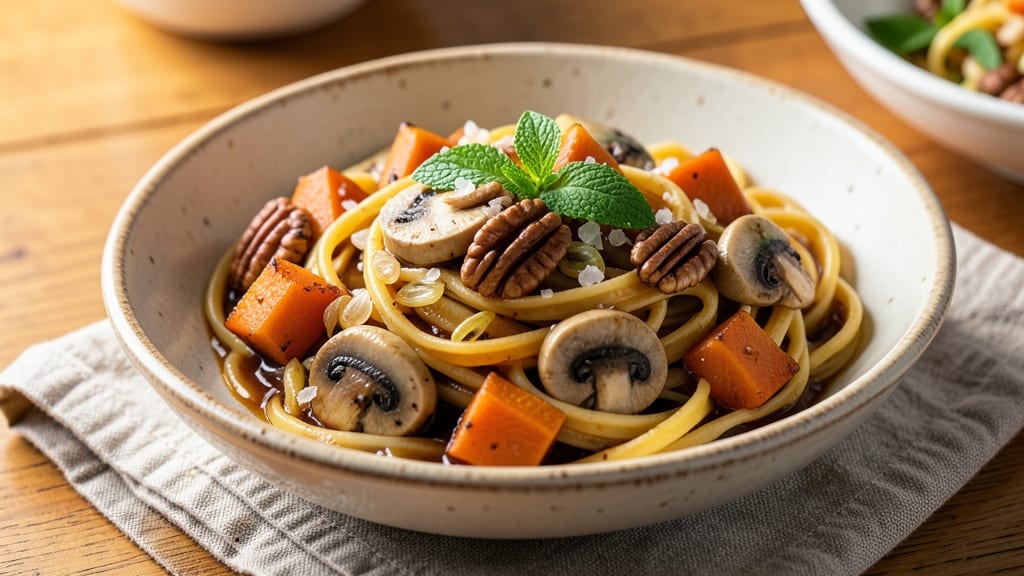
This autumn pasta sauce recipe transforms simple ingredients into a rich, velvety masterpiece that captures fall's warmth in every spoonful. The secret lies in toasting walnuts and sage until fragrant, then blending them with roasted butternut squash and mushrooms for depth.
What starts as a savory base becomes irresistible when finished with a touch of honey and a pinch of nutmeg, creating a sauce that's both comforting and sophisticated.
What sets this sauce apart is its versatility—it clings beautifully to pasta but also elevates roasted meats, grilled vegetables, or even sandwiches. The process is straightforward: sauté your aromatics, simmer until thickened, and finish with just the right balance of sweet and savory.
No fancy techniques required, just patience and attention to texture.
The result is a sauce that's creamy yet light, with layers of toasted nut flavor and earthy mushrooms that sing with autumn spices. The honeyed finish adds just enough brightness to cut through richness, making this the perfect companion for any fall meal.
Ready in under 45 minutes, it's restaurant-quality without the fuss.
Store leftovers in the refrigerator for up to 5 days or freeze for longer shelf life—this sauce only gets better with time as flavors meld. Whether you're serving it over fresh pasta or drizzling it over roasted chicken, this autumn pasta sauce will become your seasonal staple.
Let's create it together.
Ingredients for autumn pasta sauce
Eight simple ingredients transform into velvet autumn sauce with nutty depth and honeyed warmth.
| Ingredient | Amount | Notes |
|---|---|---|
| Butternut Squash 🎃 | 1 ½ lb | Peeled, cubed, roasted |
| Walnuts 🥜 | ½ cup | Toasted until fragrant |
| Fresh Sage Leaves 🌿 | ½ cup | Stems removed, chopped |
| Creamy Mushrooms 🍄 | 8 oz | Sliced, cremini or button |
| Garlic Cloves 🧄 | 3 cloves | Peeled, minced |
| Shallots 🧅 | 2 whole | Minced, 2 tbsp total |
| Extra-Virgin Olive Oil 🫒 | ½ cup | High quality, fruity |
| Vegetable Broth 💧 | 1 cup | Low-sodium preferred |
| Honey 🍯 | 1 tbsp | Wildflower preferred |
| Ground Nutmeg 🌶️ | ¼ tsp | Freshly grated |
| Salt 🧂 | 1 tsp | Kosher or sea salt |
| Black Pepper 🌶️ | ½ tsp | Freshly ground |
The butternut squash is your flavor anchor—Costco or Trader Joe's sell pre-cut pieces for convenience, but a whole squash lasts longer. Toast the walnuts and sage together until they smell like fall morning (about 5 minutes)—that's where the magic happens. Fresh sage is non-negotiable here; dried won't give you that same aromatic punch. For mushrooms, cremini have more earthy flavor than white, but button mushrooms work in a pinch. The shallots? Don't skip the mincing—small pieces caramelize better than chunks.
No honey? Maple syrup at half the amount works, but it'll taste different. Short on walnuts? Pecans or hazelnuts toast just as well. The vegetable broth can be swapped for white wine (reduce by half first), but keep it low-sodium—you'll be adding salt later. For extra richness, stir in 2 tbsp of cashew cream at the end. The nutmeg is key—if you don't have it, a pinch of cinnamon adds warmth, but it's not the same. And if your olive oil smells like nothing, switch to a fruity variety—it makes all the difference.
This sauce thickens as it cools, so don't stress if it looks loose right after making. Store in a glass jar with a layer of olive oil on top—keeps it vibrant for 5 days in the fridge. Freezes beautifully for 3 months, though the texture gets slightly grainy. I always make double batches—one for pasta, one for roasted chicken. The flavors deepen overnight, so leftovers are even better than fresh.
Why You'll Love This Recipe
- I’ll be real: most pasta sauces turn gluey after day two. Not this one. The walnuts and mushrooms keep it interesting, and the squash adds natural sweetness that doesn’t go stale. Double the batch—you’ll thank me later.
- One-Pot Magic: I swear by this—just roast the squash and mushrooms together, then toss everything in the same pan. No extra dishes, no stress. That caramelized squash practically falls apart when you stir it into the sauce.
- Walnuts Add Crunch: Here’s what sold me—the toasted walnuts. They’re like little flavor bombs: nutty, earthy, and crunchy when you take that first bite. (Yes, even on a Tuesday night, I’ll fight for the last spoonful.)
- Weeknight to Dinner Party: Between us, this sauce works for both. Serve it with fettuccine for a quick weeknight meal, or drizzle it over polenta for guests. The sage and garlic make it feel fancy, but it’s really just a 30-minute solution.
Step-by-step instructions for autumn pasta sauce
Here's how to craft this rich, nutty, and aromatic sauce that'll make your pasta unforgettable.
Roast the Butternut Squash Until Caramelized
Preheat your oven to 400°F. Toss the 1.5 lb peeled and cubed butternut squash with 1 tablespoon of the extra-virgin olive oil, ½ teaspoon of the salt, and ¼ teaspoon of the black pepper. Spread the squash in a single layer on a baking sheet—don't crowd the pan or it won't brown properly.
Roast for 25-30 minutes until the edges are deep golden brown and the squash is tender when pierced with a fork. You want it caramelized, not mushy. If it's not quite brown enough, return it to the oven for another 5-10 minutes. The roasted squash will be the sweet, velvety base of your sauce, so take your time here. Once done, transfer the squash to a plate and let it cool slightly.
Toast the Walnuts and Sauté the Aromatics
While the squash roasts, heat a large skillet over medium heat. Add the ½ cup walnuts and toast them for 3-4 minutes, stirring constantly, until they're fragrant and lightly golden. Watch them closely—they burn quickly. Remove the walnuts with a slotted spoon and set them aside to cool.
In the same skillet, add the remaining ¼ cup extra-virgin olive oil and let it warm for 30 seconds until shimmering. Add the 2 minced shallots and cook for 2-3 minutes until soft and translucent. Stir in the 3 minced garlic cloves and cook for another 30 seconds until fragrant. Don't let the garlic brown—it should just perfume the oil. This aromatic base is the flavor foundation of your sauce.
Build the Sauce with Mushrooms and Broth
Increase the heat to medium-high and add the 8 oz sliced creamy mushrooms to the skillet. Cook for 5-6 minutes, stirring occasionally, until they release their moisture and then brown beautifully. You want them tender but still with a little bite—this adds texture to the sauce.
Pour in the 1 cup vegetable broth and scrape up any browned bits from the bottom of the pan with a wooden spoon. These bits are packed with flavor—don't miss them! Add the roasted butternut squash to the skillet and stir to combine. Let the mixture simmer gently for 5 minutes until the squash breaks down slightly and the sauce begins to thicken.
Finish with Sage, Honey, and Nutmeg
Reduce the heat to low and stir in the ½ cup chopped fresh sage leaves, 1 tablespoon honey, and ¼ teaspoon ground nutmeg. Let the sauce simmer for another 3-4 minutes until the sage wilts slightly and the flavors meld together. The honey will caramelize just a bit, adding a subtle sweetness that balances the earthy notes.
Taste and adjust the seasoning with the remaining ½ teaspoon salt and ¼ teaspoon black pepper if needed. The sauce should be rich, slightly sweet, and deeply aromatic. If it's too thick, add a splash of water or broth to reach your desired consistency. Stir in the toasted walnuts just before serving to keep them crisp.
Toss with Pasta and Garnish
Cook your favorite pasta according to package instructions until al dente. Reserve ½ cup pasta water before draining, then toss the pasta with the sauce. If the sauce seems too thick, add a little of the reserved pasta water to loosen it. The sauce should cling beautifully to each strand of pasta.
Serve immediately, garnished with additional chopped fresh sage and a sprinkle of toasted walnuts. The contrast of warm, nutty sauce with al dente pasta is pure autumn perfection. This sauce keeps well in the refrigerator for 3-4 days, so make extra for leftovers—it's even better the next day!
Pro Tips For Making Autumn Pasta Sauce
- ROAST SQUASH FIRST: I used to toss raw butternut squash into the sauce and wonder why it tasted bland. Roast it first at 400°F (200°C) for 25-30 minutes until fork-tender—this caramelizes the natural sugars and makes it melt into the sauce like butter. No one will guess it was ever raw.
- CRUSH WALNUTS COARSELY: Whole walnuts? Skip it. Pulse them in a food processor for 10-12 seconds until they’re chunky but broken—this releases their flavor without turning the sauce into nut butter. (Yes, I learned this after serving a dish that looked like a trail mix.)
- SAUTÉ MUSHROOMS LOW: High heat turns mushrooms into sad, watery sludge. Keep the pan on medium-low and let them cook for 8-10 minutes until all the moisture evaporates. If you’re impatient, cover the pan for the last 2 minutes—it’ll speed things up without wrecking the texture.
- TOAST SAGE LAST: Fresh sage loses its bright flavor if it sits in hot oil too long. Add the leaves to the sauce in the final 2 minutes of cooking, just until they’re fragrant and slightly crisp. Overcook them, and you’ll end up with bitter, shriveled leaves that ruin the whole dish.
Troubleshooting your autumn pasta sauce
Sauce Too Thin?
If your sauce looks too loose after simmering, don't panic! The butternut squash releases moisture as it cooks, so this is normal. Simmer uncovered for an extra 5-10 minutes—the liquid will reduce naturally.
For immediate thickening, mix 1 tablespoon cornstarch with 2 tablespoons cold water, stir into the sauce, and cook for 2 minutes until it reaches your desired consistency. 💧
Burnt Walnuts?
Walnuts toast quickly and burn just as fast. Keep a close eye on them—remove them from the pan as soon as they're lightly golden and fragrant (about 3-4 minutes).
If they darken too much, strain them through a fine-mesh sieve to remove any burnt bits before adding back to the sauce. A handheld fan helps cool them faster if you're worried about over-toasting. 🥜
Mushrooms Too Watery?
If your mushrooms release excessive moisture, pat them dry with a paper towel before cooking. Also, increase the heat to medium-high and cook them uncovered—this helps evaporate excess liquid faster. For extra depth, add 1 teaspoon soy sauce or white wine when sautéing to enhance umami flavors. 🍄
Sauce Too Sweet?
The honey adds a lovely touch, but if it overpowers the earthy flavors, balance it with a pinch of lemon zest or 1 teaspoon balsamic vinegar. Alternatively, add ½ teaspoon smoked paprika to deepen the savory notes. Always taste as you go—adjust gradually to avoid overcorrecting. 🍯
Sage Not Releasing Aroma?
Fresh sage needs proper heat to release its fragrance. After adding the leaves, let the sauce simmer gently for 3-4 minutes—they should wilt and perfume the air. If using dried sage, reduce to ½ teaspoon and steep it in warm broth for 5 minutes before adding to the sauce.
Never skip fresh sage; dried lacks the same aromatic punch. 🌿
Sauce Separating?
This happens when fats (like olive oil) and liquids separate. Stir in 1 tablespoon heavy cream or cashew cream and simmer gently for 2 minutes to emulsify. Alternatively, blend the sauce briefly with an immersion blender—this breaks up any separation while keeping the nutty texture. 🥄
Nutrition facts
Frequently asked questions
Can I use canned pumpkin instead of roasted butternut squash?
Yes! 1 cup of canned pumpkin puree works perfectly as a 1:1 substitute for the roasted squash. Just skip the roasting step and stir it in with the broth. The texture will be slightly smoother, but you'll still get that autumnal sweetness. For extra depth, add ½ teaspoon pumpkin pie spice when finishing the sauce.
How do I make this sauce vegetarian?
This recipe is already vegetarian, but if you want to boost protein, stir in ½ cup cooked lentils or ¼ cup nutritional yeast at the end. For a vegan version, use vegetable broth and ensure your honey is vegan-certified (or substitute agave syrup). The walnuts and mushrooms provide plenty of umami even without meat.
What's the best pasta to pair with this sauce?
This rich, nutty sauce clings beautifully to fettuccine or pappardelle, but penne or rigatoni work too. For extra texture, try whole wheat or chickpea pasta. The wider noodles hold the sauce better, while thin strands like spaghetti need a slightly thinner sauce—just add a splash of pasta water if needed.
Can I make this sauce ahead of time?
This sauce tastes even better the next day as flavors meld. Store in an airtight container in the fridge for up to 5 days or freeze for 3 months. Reheat gently on the stove with a splash of water or broth to restore thickness. Pro tip: Toast fresh walnuts and sage just before serving to revive their aroma.
What if I don't have fresh sage?
Use ½ teaspoon dried sage, but steep it in 2 tablespoons warm broth for 5 minutes first to release flavor. For a different twist, substitute with 1 teaspoon thyme or ½ teaspoon rosemary, though the aroma won't be identical. The walnuts and nutmeg will still carry the autumnal profile beautifully.