
Sauces & Condiments
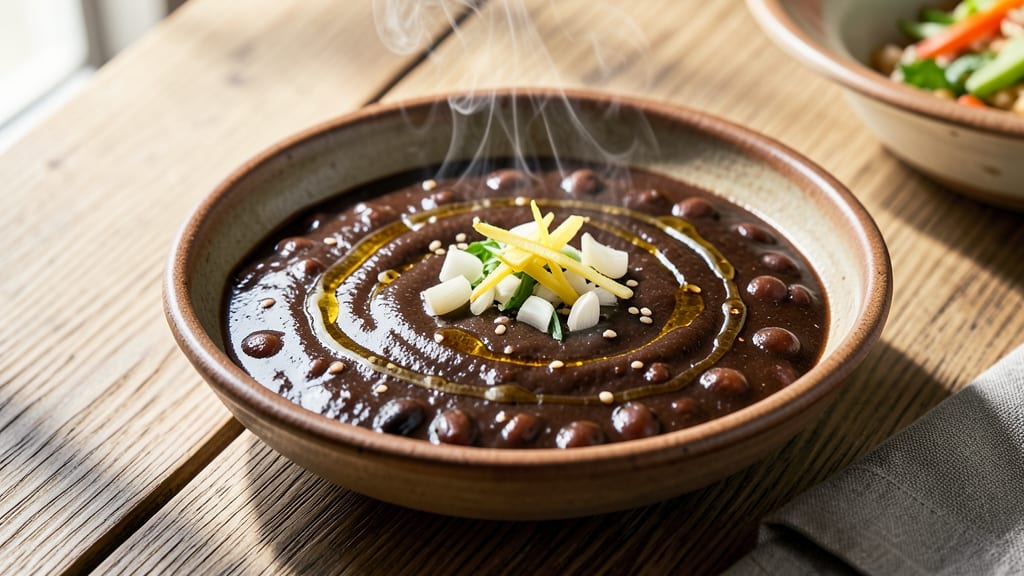
This authentic black bean sauce transforms simple stir-fries into restaurant-worthy meals with its deep umami richness. 🌟 The secret lies in blending cooked black beans with aromatic garlic, ginger, and soy sauce, then simmering until thick and velvety.
Unlike store-bought versions, this recipe delivers balanced flavors—savory, slightly sweet, and subtly tangy—without relying on artificial ingredients.
The process is straightforward: blend the beans until smooth, then build layers of flavor by cooking with garlic, ginger, and a touch of vinegar for brightness. A splash of sesame oil adds depth, while optional chili paste introduces controlled heat.
The sauce thickens naturally as it simmers, creating a versatile condiment that clings perfectly to noodles, dumplings, or tacos.
What sets this sauce apart is its adaptability—use it as a dipping sauce, stir-fry glaze, or taco topping. The texture remains silky-smooth whether blended finely or left slightly chunky.
Best of all, it keeps well in the fridge for up to a week or freezes for months, making it a pantry staple for quick, flavor-packed meals.
Perfect for vegan diets, this sauce proves plant-based cooking can be just as bold and satisfying as traditional recipes. Ready to elevate your dishes? Let’s get started with the ingredients.
Ingredients for authentic black bean sauce
Eleven simple ingredients create this restaurant-worthy black bean sauce with authentic umami depth.
| Ingredient | Amount | Notes |
|---|---|---|
| Cooked Black Beans 🫘 | 1 ½ cups | Canned or cooked from dry, drained and rinsed |
| Garlic Cloves 🧄 | 4 cloves | Freshly minced for aromatic depth |
| Fresh Ginger 🌿 | 1 ½ tbsp | Finely grated, peeled |
| Light Soy Sauce 🥢 | 2 tbsp | Use low-sodium for balance |
| Sesame Oil 🫒 | 1 tbsp | Toasted for nutty aroma |
| Rice Vinegar 🍶 | 1 tbsp | White or seasoned variety |
| Red Chili Paste 🌶️ | 1 tbsp | Adjust for preferred heat level |
| Maple Syrup 🍁 | 1 tbsp | For subtle sweetness balance |
| Vegetable Oil 🫒 | 1 tbsp | Neutral high-smoke point oil |
| Sesame Seeds 🌾 | 1 tsp | Toasted for garnish and crunch |
| Water 💧 | ½ cup | For adjusting consistency |
The black beans form the sauce's velvety foundation—opt for high-quality canned beans like Eden Organic or Trader Joe's for superior texture. Fresh garlic and ginger are non-negotiable here; Penzeys Spices sells pre-minced ginger if you prefer convenience. For the chili paste, Maesri Thai Chili Jam adds authentic heat without overwhelming the sauce. The sesame oil should be toasted—Kadoya brand is my go-to for that nutty aroma. All ingredients should be fresh to maximize umami development during simmering.
No sesame oil? Avocado oil at half the amount works in a pinch, though it lacks the signature aroma. Substitute maple syrup with agave nectar or coconut sugar for similar sweetness. For the vinegar, apple cider vinegar at equal measure adds tangy complexity. The sauce thickens naturally, but if it's too thin, add 1 tsp cornstarch slurry. For extra depth, miso paste (1 tsp) can replace half the soy sauce—just remember it contains salt. Always taste before serving; adjust soy sauce or vinegar as needed for perfect balance.
This sauce maintains peak flavor for 1 week refrigerated when stored in an airtight container. For longer storage, portion into ice cube trays and freeze—thaw as needed. The sauce thickens further when reheated, so add a splash of water if needed. Garnish with toasted sesame seeds just before serving to preserve their crunch. Portion into small containers for easy use as a stir-fry sauce, taco topping, or dipping sauce throughout the week.
Why You'll Love This Recipe
- Pantry-to-Pan Ready: I keep a can of black beans in my cupboard just for this—no soaking, no fancy prep. Mash them with garlic and ginger, toss in soy sauce, and hit the stove for 10 minutes. That’s it. The sauce always comes together, even when I’m scrolling through my phone waiting for dinner.
- Umami Bomb: The combo of fermented black beans, fresh ginger, and toasted sesame oil? It’s like a flavor explosion in your mouth. That first spoonful hits with a deep, savory punch—sweet from the beans, sharp from the garlic, and nutty from the oil. Honestly, it’s the kind of taste that makes you pause mid-bite.
- Dresses Up Everything: This sauce turns a simple stir-fry into a restaurant-worthy meal, but it’s also my go-to for drizzling over rice, tossing with noodles, or even slathering on grilled chicken. I’ve used it as a dip, a marinade, and even a quick glaze for roasted veggies. It’s the ultimate lazy chef’s secret weapon.
- Budget-Friendly Stash: A single batch stretches across three meals—leftover sauce keeps in the fridge for days without losing its vibrancy. Between us, I’ve made this sauce for under $2 per serving, and it still feels fancy. Plus, black beans and soy sauce are shelf-stable, so I’m never scrambling for ingredients.
Step-by-step instructions for authentic black bean sauce
Transform simple pantry staples into a complex, umami-rich sauce that elevates any dish.
🍳 Step 1: Bloom the Aromatics in Oil
Heat the 1 tablespoon vegetable oil in a medium saucepan over medium-low heat. Add the 4 cloves minced garlic cloves and 1.5 tablespoons finely grated fresh ginger, stirring constantly. Cook for 2-3 minutes until the garlic turns a pale golden color and becomes fragrant—this prevents bitterness while developing deep flavor.
Watch carefully here: garlic burns quickly. If it starts to darken, reduce heat immediately. The moment you smell that sweet, aromatic release, you're ready for the next step. This foundational flavor layer is what makes the sauce authentically complex.
🍳 Step 2: Build the Sauce Base
Add the 1.5 cups cooked black beans to the pan, breaking them up slightly with a wooden spoon. Pour in the 2 tablespoons light soy sauce and 1 tablespoon red chili paste, stirring to combine. Let the mixture simmer gently for 5 minutes until the beans begin to break down and release their natural starches.
This simmering process is crucial—it develops the sauce's body while allowing the flavors to meld. You'll notice the mixture thicken slightly as the beans release their moisture. If it gets too dry, add 1-2 tablespoons of the 0.5 cup water to maintain proper consistency.
🥘 Step 3: Balance Flavors with Sweet and Acid
Reduce heat to low and stir in the 1 tablespoon maple syrup and 1 tablespoon rice vinegar. Add the 1 tablespoon sesame oil last, stirring vigorously to emulsify. The sauce should now have a glossy sheen and balanced flavor profile—sweet, tangy, umami, and slightly spicy.
Taste and adjust seasoning if needed. For more depth, add another ½ teaspoon soy sauce. For more heat, add a pinch of red chili paste. The sauce should be thick enough to coat the back of a spoon but still pourable. If too thick, thin with remaining water 1 teaspoon at a time.
⏰ Step 4: Finish and Garnish
Transfer the sauce to a blender or use an immersion blender to purée until completely smooth. Return to the saucepan and bring to a gentle simmer for 2-3 minutes to kill any bacteria from the raw garlic and ginger. Remove from heat and stir in the 1 teaspoon sesame seeds.
The sauce is now ready to use immediately or can be stored in an airtight container in the refrigerator for up to 5 days. When reheating, warm gently over low heat and stir occasionally to prevent skin formation. This sauce works beautifully as a stir-fry sauce, taco dip, or marinade—its authentic balance of flavors makes it infinitely versatile.
Pro Tips For Making Authentic Black Bean Sauce
- Mash Those Beans: Don’t just dump in whole beans—give them a good mash with a fork or potato masher first. This breaks down the texture and lets the sauce blend smoothly. I learned this the hard way when my sauce ended up lumpy and unappetizing.
- Toast the Aromatics: Cook the minced garlic and ginger in oil over medium heat until they’re just golden, not browned. This adds depth without bitterness—skip the rush, or you’ll end up with a burnt taste that ruins the whole dish.
- Balance the Soy: Start with half the soy sauce and taste as you go. Black bean sauce needs a savory punch, but too much soy can overpower the natural richness. I used to dump it all in and wondered why my sauce tasted flat.
- Finish with Oil: Stir in the sesame oil at the very end—just before serving. This keeps its nutty aroma intact and prevents it from cooking off into nothing. Sounds simple, but I’ve ruined batches by adding it too early.
Perfect pairings for authentic black bean sauce
Stir-Fry Sauce Base
This black bean sauce transforms stir-fries into flavor-packed masterpieces. Toss it with rice noodles, shredded chicken, or crispy tofu—the sauce clings beautifully to ingredients while adding depth. I love pairing it with steamed bok choy and sliced bell peppers for a balanced wok-style dish. 🍳
Taco Topping Twist
Use it as a tangy, umami-rich alternative to traditional salsa or crema. Warm the sauce slightly and drizzle over corn tortillas topped with grilled shrimp or black beans.
The sauce's natural thickness makes it perfect for dipping or spooning—no extra prep needed. Garnish with cilantro and lime wedges for brightness.
Dipping Sauce Powerhouse
Serve it chilled as a dipping sauce for spring rolls, edamame, or crudité sticks. The smooth texture and balanced flavors make it irresistible.
For extra appeal, drizzle with chili oil before serving. I often double the batch to keep on hand for quick appetizers—it’s a crowd-pleaser at parties.
Marinade Magic
Use it to tenderize and flavor grilled meats like pork tenderloin or chicken thighs. Coat the protein generously and marinate for 30-60 minutes before cooking. The sauce’s acidity and umami break down fibers, creating juicy, flavorful results. It also works wonders on seared tofu for a plant-based option.
Soup & Stew Booster
Stir a spoonful into pho broth or miso soup for instant umami richness. The sauce blends seamlessly without overpowering other flavors. I add it to vegetable ramen just before serving to elevate the broth’s depth. A splash of sesame oil on top finishes the dish beautifully.
Bowl Game-Changer
Add it to grain bowls with quinoa, roasted sweet potatoes, and avocado. The sauce’s sweet-tangy profile bridges the gap between savory and creamy elements. For a protein boost, toss in grilled salmon or crispy chickpeas—the combinations are endless and always delicious. 💫
Nutrition facts
Frequently asked questions
Can I make this black bean sauce without a blender?
Yes! If you don't have a blender, mash the cooked black beans with a fork or potato masher until completely smooth. For extra creaminess, simmer the sauce longer (10-15 minutes) to help break down the beans naturally. The texture will be slightly thicker but still delicious for stir-fries or dipping.
How do I adjust the heat level in this sauce?
Start with 1 tablespoon red chili paste for mild heat. For medium heat, add 1.5 tablespoons. For spicy, increase to 2 tablespoons or add ½ teaspoon cayenne pepper. Taste as you go—you can always reduce heat by adding 1 teaspoon maple syrup to balance.
Can I substitute canned black beans with other beans?
While black beans work best for authentic flavor, you can try canned pinto beans or kidney beans in a pinch. For a richer texture, use 1 cup cooked lentils mixed with ½ cup black beans. Avoid white beans—they're too mild and won't develop the same umami depth. Always drain and rinse thoroughly first.
Why did my sauce turn out too thin?
This usually happens if you didn't simmer long enough or used too much water. Fix it by returning the sauce to medium-low heat and cooking uncovered for 5-10 minutes to reduce. For immediate thickening, mix 1 teaspoon cornstarch with 1 tablespoon water, stir into the sauce, and simmer for 2 minutes until thickened.
Is this sauce gluten-free?
Only if you use gluten-free soy sauce and rice vinegar. Check labels—most regular soy sauces contain wheat. For a fully gluten-free version, substitute with tamari and apple cider vinegar. The flavor will still be rich and authentic, just with a slightly different depth.