
Sauces & Condiments
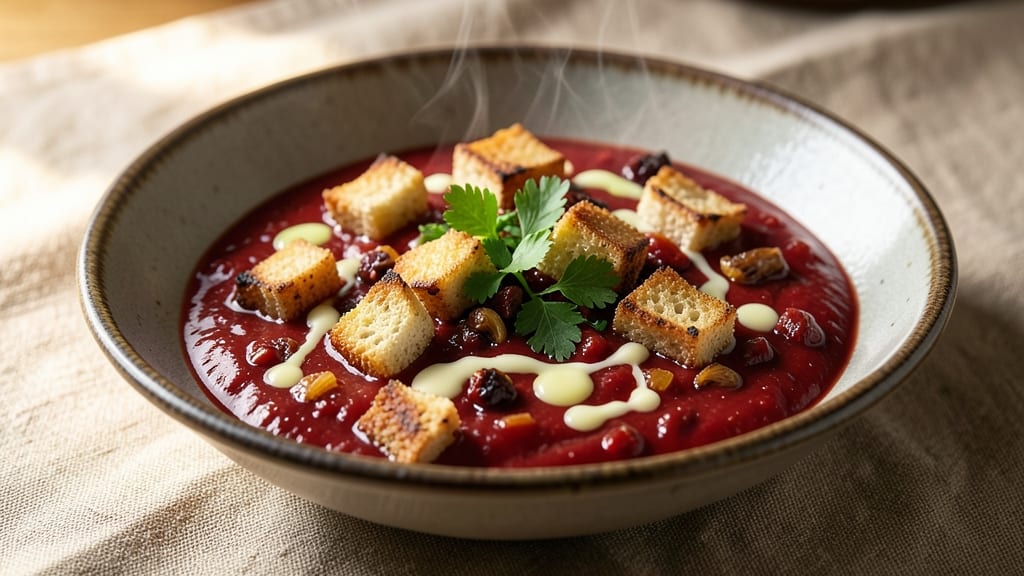
This au sauce recipe transforms simple ingredients into a rich, velvety sauce with a perfect balance of smoky chipotle and bright vinegar notes. The secret lies in reducing tomatoes and wine until thick and concentrated, then finishing with a touch of vinegar for that signature tang.
Professional chefs rely on this technique to elevate everything from steak to pasta—it's the kind of sauce that turns ordinary meals into restaurant-worthy dishes.
The process is straightforward but requires patience: simmering the sauce until it reaches the right consistency creates that luxurious, clingy texture. A splash of vinegar at the end cuts through the richness, adding depth without overpowering.
This isn't just a sauce—it's a flavor multiplier that works equally well as a dipping sauce, pasta topping, or glaze for grilled meats.
What makes this au sauce special is its versatility. Use it to drizzle over seared scallops, toss with fettuccine, or even brush onto roasted vegetables for a restaurant-quality finish.
The smoky chipotle heat lingers just enough to intrigue, while the vinegar keeps it bright and balanced. Once you master this technique, you'll never buy store-bought sauce again.
The best part? This sauce keeps well in the fridge for up to a week, allowing you to make a big batch and use it throughout the week.
For extra richness, stir in a pat of butter at the end, or swap the chipotle for a pinch of smoked paprika for a vegetarian-friendly version. Here's how to make it perfectly every time.
Ingredients for au sauce
Nine essential ingredients create this restaurant-quality au sauce with velvety texture and perfect smoky-tangy balance.
| Ingredient | Amount | Notes |
|---|---|---|
| Extra-Virgin Olive Oil 🫒 | ½ cup | High-quality, fruity variety preferred |
| Shallots 🧅 | 1 whole | Finely minced for sweet depth |
| Garlic Cloves 🧄 | 4 cloves | Peeled and minced for aromatic base |
| Canned San Marzano Tomatoes 🍅 | 1 can | 28 oz, crushed by hand |
| Dry Red Wine 🍷 | 1 cup | Bold Cabernet Sauvignon recommended |
| Chipotle Peppers in Adobo 🌶️ | 2 whole | Adjusted for smoky intensity |
| White Wine Vinegar 🍋 | 1 tbsp | For signature tangy finish |
| Diamond Crystal Kosher Salt 🧂 | 1 tsp | Adjust to taste |
| Fresh Thyme Leaves 🌿 | ¼ cup | Or 1 tsp dried thyme |
| Granulated Sugar 🍚 | 1 tbsp | Balances acidity |
The tomatoes and wine form the sauce's foundation—San Marzano tomatoes provide natural sweetness without bitterness, while a bold Cabernet Sauvignon adds depth. For the chipotle, use adobo sauce from canned chipotles—it's more consistent than fresh peppers. Whole Foods or Trader Joe's carry excellent quality canned tomatoes and vinegar. Fresh thyme should be vibrant green; dried works in a pinch but lacks complexity. The shallots and garlic are non-negotiable for building flavor—don't substitute onion powder here.
No red wine? Dry sherry or beef broth works in a pinch, though the flavor will differ slightly. Swapping chipotle for smoked paprika creates a vegetarian version with milder heat. The vinegar is crucial—apple cider vinegar adds fruity notes, while white wine vinegar keeps it classic. For extra richness, stir in 1 tbsp butter at the end (optional). If your tomatoes are watery, drain them through a fine-mesh sieve before using. The sugar helps balance acidity but can be reduced if your tomatoes are particularly sweet.
This sauce thickens as it cools, so don't over-reduce it. Store in an airtight container for up to 1 week in the fridge. For longer storage, freeze in ice cube trays—perfect for single-use portions. Reheat gently on the stove, stirring occasionally. The sauce thickens further when reheated, so add a splash of water if needed. Always taste before serving—adjust salt and vinegar as needed. Leftovers make excellent pasta sauce or steak glaze.
Why You'll Love This Recipe
- One-Pot Magic: I swear by this sauce because it’s all in the pan—no chopping mountains of veggies, no blender cleanup. Just shallots and garlic in olive oil until they’re golden, a splash of wine to deglaze, and tomatoes to simmer. Fifteen minutes, one pot, and zero stress.
- Wine-Infused Depth: That red wine isn’t just for show—it cuts through the acidity of the tomatoes and adds layers of earthy richness. Honestly, the first time I tasted it, I thought, "Why didn’t I do this sooner?" The San Marzano tomatoes keep it sweet without being cloying, and the olive oil ties it all together like a hug.
- Weeknight to Dinner Party: Between us, this sauce is my lazy night and my impress-the-guests secret. Dump it over pasta, use it as a marinade for grilled chicken, or drizzle it on crusty bread with cheese. My roommates still don’t know it’s my "I don’t feel like cooking" move—until I serve it.
- Budget-Friendly Pantry Staples: I make this at least once a month because it’s stupidly affordable. Canned tomatoes, a cheap bottle of wine, and shallots (which last forever) mean I’m not breaking the bank. Plus, leftovers? They taste even better the next day—perfect for reheating over eggs or tossing with roasted veggies.
Step-by-step instructions for velvety tomato-chipotle sauce
This sauce builds layer by layer—start with aromatics, then deglaze, reduce, and finish with precision.
Sauté Shallots and Garlic Until Translucent
Heat the 0.5 cup extra-virgin olive oil in a heavy-bottomed saucepan over medium-low heat. Add the 1 whole finely minced shallots and cook, stirring occasionally, for 5-6 minutes until completely soft and just beginning to color. This slow cooking prevents burning while developing sweetness.
Add the 4 cloves minced garlic and cook for another 1-2 minutes until fragrant but not browned. The garlic should perfume the oil without adding bitterness. If it darkens too quickly, reduce the heat immediately—garlic burns faster than you might expect. Remove the pan from heat temporarily while you prepare the next ingredients.
Deglaze with Red Wine and Reduce
Return the pan to medium heat and pour in the 1 cup dry red wine, scraping up any browned bits from the bottom with a wooden spoon. This deglazing step captures all the flavor compounds released during cooking. Let the wine simmer for 3-4 minutes until reduced by about half—you'll see the liquid thicken noticeably.
Add the 1 can crushed San Marzano tomatoes and stir well. The acidity of the tomatoes will begin breaking down the wine's alcohol content, creating a smoother base. Bring the mixture to a gentle simmer and let it cook uncovered for 15 minutes, stirring occasionally. This initial reduction builds the sauce's depth.
Add Chipotle, Vinegar, and Seasonings
While the sauce simmers, finely mince the 2 whole chipotle peppers in adobo (remove seeds for milder heat) and set aside. Add them to the sauce along with the 1 tablespoon white wine vinegar, 1 tablespoon granulated sugar, and 1 teaspoon kosher salt. The vinegar adds a bright, almost hidden tang that balances the smokiness, while the sugar rounds out the acidity.
Stir in the 0.25 cup fresh thyme leaves (or 1 teaspoon dried thyme) and let the sauce simmer for another 10-12 minutes. You'll notice the sauce thicken as the liquid continues to reduce. Taste and adjust seasoning—you may need a touch more salt or sugar depending on your tomatoes' natural acidity.
Simmer to Perfect Consistency
Reduce the heat to low and let the sauce simmer gently for 20-25 minutes, stirring occasionally. The sauce should thicken to a velvety consistency that coats the back of a spoon but remains pourable. If it reduces too quickly, add 1-2 tablespoons water to reach your desired texture.
The final sauce should have a deep red color with visible flecks of chipotle and thyme. It should smell complex—smoky, slightly sweet, with a bright vinegar note underneath. For best results, let it rest at room temperature for 10 minutes before serving, allowing all the flavors to meld completely.
Pro Tips For Making Au Sauce
- Sweat Shallots Slowly: I learned this the hard way—ditch the high heat for shallots. Cook them over medium-low with a splash of water or wine to keep them from burning before the garlic joins. Browned shallots add depth, but charred ones turn bitter and ruin the sauce’s balance.
- Crush Tomatoes by Hand: Skip the blender—crush San Marzano tomatoes with your fingers or a wooden spoon. This breaks up seeds and skins just enough to thicken the sauce naturally while keeping the texture silky, not pasty. (Yes, it’s messy, but it works.)
- Deglaze with Wine Early: Pour in the red wine as soon as the shallots and garlic hit the pan—don’t wait. The alcohol evaporates faster when the pan’s hot, and you’ll get a richer, more integrated flavor instead of a sharp aftertaste lingering in the sauce.
- Strain for Smoothness (Optional): If you’re serving the sauce over delicate proteins like fish or poached eggs, strain it through a fine-mesh sieve after simmering. It’s extra work, but the result is a velvety texture that lets the wine and tomato shine without chunks interfering. (I skip this for pasta—rustic is fine.)
Perfect pairings for this dish
Pasta Perfection
This au sauce transforms into a showstopper when tossed with fettuccine or linguine. Use about ½ cup sauce per serving, reserving a little to drizzle on top for extra flair.
I love adding seared shrimp or grilled chicken for a hearty meal. For a vegetarian option, toss with creamy ricotta and roasted cherry tomatoes—the smoky chipotle adds depth without overpowering. 🍝
Meat Glaze Magic
Brush this sauce onto grilled steaks or pork chops during the last 3-4 minutes of cooking. The high heat will caramelize the sugars, creating a glossy, sticky crust. For roasted chicken thighs, spoon the sauce over the top in the final 10 minutes of baking.
It also works beautifully as a dipping sauce for fried calamari or mozzarella sticks.
Cheese Board Elevator
Warm the sauce slightly and drizzle over aged cheddar, blue cheese, or goat cheese on a charcuterie board. The tangy-sweet balance cuts through rich cheeses while adding a gourmet touch.
Pair with crusty baguette slices, marinated olives, and proscuitto for a crowd-pleasing spread. I often serve this at holiday parties—it’s always the first to disappear! 🧀
Vegetable Upgrade
Use this sauce to elevate roasted Brussels sprouts, eggplant, or zucchini. Toss warm vegetables with 2-3 tablespoons sauce per cup and finish with toasted pine nuts or crumbled feta.
The chipotle heat lingers beautifully, while the vinegar keeps the dish bright. For extra richness, stir in 1 tablespoon butter at the end. 🥦
Breakfast Twist
Yes, really! Pour this sauce over scrambled eggs or shredded hash browns for a smoky, tangy breakfast. It’s especially great with chorizo or sausage patties. For a brunch spread, drizzle over baked French toast or waffles—the sweetness balances the heat perfectly.
Trust me, your morning routine will never be the same. 🍳
Storage Hacks
Leftovers keep for up to 1 week in the fridge, making this an ideal make-ahead sauce. For longer storage, freeze in ice cube trays—perfect for single-use portions. Thaw overnight in the fridge, then reheat gently on the stove.
If the sauce thickens too much after reheating, add 1-2 tablespoons water to restore consistency. The flavor actually improves over time! ❄️
Nutrition facts
Frequently asked questions
Can I make this sauce without red wine?
Swap the 1 cup dry red wine with 1 cup beef broth for meat dishes or 1 cup vegetable broth for vegetarian versions. The flavor will shift slightly but still deliver that rich, velvety texture. For a wine-like depth without alcohol, use 1 cup dry white wine vinegar + 1 cup water—it adds acidity and complexity.
How do I adjust the heat level?
For milder heat, remove seeds and membranes from the 2 chipotle peppers before mincing. For extra spice, add 1-2 teaspoons chipotle powder at the end. If you prefer no heat, substitute with 1 teaspoon smoked paprika—it keeps the smoky flavor without the kick. Always taste before serving!
Can I use fresh tomatoes instead of canned?
Fresh tomatoes work but require extra prep. Roast 4-5 large vine-ripened tomatoes at 400°F for 20 minutes until collapsed, then blend until smooth. Strain through a fine-mesh sieve to remove skins/seeds. The result will be slightly less concentrated, so reduce the sauce longer. Canned San Marzano tomatoes are ideal for consistent flavor.
Why did my sauce turn out too thin?
Sauces thicken as they cool—if it's still runny after resting, simmer uncovered for 5-10 more minutes to evaporate excess liquid. For immediate thickening, mix 1 tablespoon cornstarch with 2 tablespoons cold water, stir into the sauce, and simmer for 2 minutes until glossy. Avoid over-reducing, which can make the sauce bitter.
What's the best way to reheat leftovers?
Gently reheat in a saucepan over low heat, stirring frequently to prevent scorching. Add 1-2 tablespoons water if needed to loosen the sauce. For microwave reheating, use 30-second intervals, stirring between each, until warmed through. Never boil—this can break down the delicate flavors and make the sauce separate.