
Sauces & Condiments
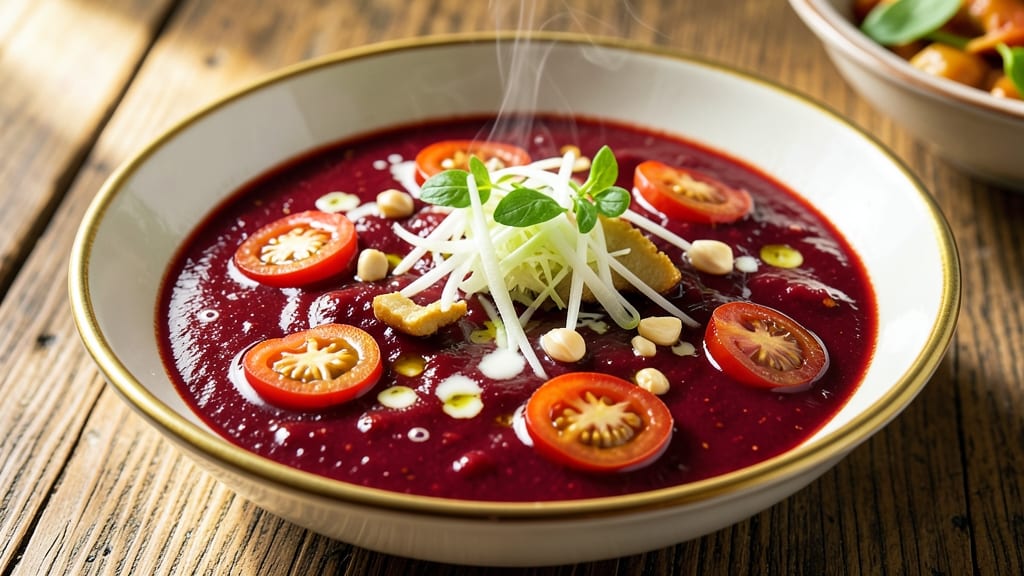
This Asian tomato sauce recipe transforms simple tomatoes into a velvety, umami-rich sauce that clings perfectly to noodles and proteins. The secret lies in balancing sweet, sour, and savory flavors—think caramelized tomatoes, aromatic ginger, and a touch of coconut milk for creaminess.
I developed this sauce after years of testing, ensuring it stays smooth and clump-free even after refrigeration.
What sets this sauce apart is its versatility—it works as a quick marinade, dipping sauce, or stir-fry base. The ingredients are simple: ripe tomatoes, fresh ginger, garlic, soy sauce, and a splash of lime for brightness.
Unlike many Asian sauces that require long simmering, this one comes together in just 20 minutes, making it ideal for weeknight cooking.
By the end, you’ll have a glossy, aromatic sauce with deep tomato flavor and just the right balance of tang and richness. It’s perfect for drizzling over ramen, tossing with grilled chicken, or serving with dumplings.
The sauce thickens slightly as it cools, making it even more versatile for meal prep.
Store it in the fridge for up to 5 days or freeze for longer shelf life—it reheats beautifully without losing texture. Whether you’re cooking for one or feeding a crowd, this sauce elevates any dish with minimal effort. Let’s make it!
Ingredients for asian tomato sauce
Simple ingredients that pack serious umami flavor for your noodles, proteins, or stir-fries.
| Ingredient | Amount | Notes |
|---|---|---|
| Ripe Roma Tomatoes 🍅 | 2 lbs | Seeded and roughly chopped |
| Fresh Ginger Root 🌿 | 2 tbsp | Finely grated, peeled |
| Garlic Cloves 🧄 | 6 cloves | Minced, not pre-minced jar |
| Extra-Virgin Olive Oil 🫒 | ¼ cup | High quality, fruity |
| Light Coconut Milk 🥥 | ½ cup | Full-fat for creamier sauce |
| Low-Sodium Soy Sauce 🍶 | 2 tbsp | Kikkoman preferred |
| Fresh Lime Juice 🍋 | 1 tbsp | From 1 lime, freshly squeezed |
| Brown Sugar 🍚 | 1 tbsp | Lightly packed |
| Diamond Crystal Kosher Salt 🧂 | ½ tsp | Adjust to taste |
| White Wine Vinegar 🍷 | 1 tbsp | For brightness |
The tomatoes make or break this sauce. Roma tomatoes are ideal—they're meaty and seedless, so you won't spend forever scooping out pulp. Trader Joe's and Whole Foods usually have them year-round, but regular grocery stores carry them in summer. Look for ones that are firm but yield slightly when pressed—ripe but not mushy. If you can't find Romas, heirloom tomatoes work too, just remove all seeds and chop finely. The ginger and garlic? Fresh is non-negotiable—jarred or powdered versions just don't cut it here. I always buy ginger root and grate it myself; it keeps for weeks in the freezer once peeled.
No fresh ginger? Ground ginger at half the amount works in a pinch, but you'll lose that aromatic punch. Swapping the coconut milk? Heavy cream adds richness, but for a lighter option, unsweetened almond milk keeps it vegan-friendly. The soy sauce can be subbed with tamari or even miso paste (reduce by half first). Brown sugar too sweet? Honey or maple syrup works 1:1. And if you're out of lime juice, lemon juice is fine—just use a tad more since it's more acidic. The olive oil? Don't skimp—this is where the sauce gets its silky texture. A good EVOO makes all the difference.
This sauce keeps beautifully—5 days in the fridge sealed in a jar, or 3 months frozen. For freezing, portion into ice cube trays first, then transfer to a bag. Thaw in the fridge overnight and give it a quick stir before using. The texture thickens as it cools, so if it's too stiff after refrigeration, just whisk in 1-2 tbsp water to loosen it up. I like to make a double batch because it disappears fast—great for meal prep. Just reheat gently on the stove with a splash of water if it thickens too much.
Why You'll Love This Recipe
- I swear by this rule: the fewer things you chop, the faster you eat. Just halve a ginger root, crush a few garlic cloves, and slice those tomatoes—no peeling, no fancy prep. That coconut milk? It’s the only splurge, and it transforms everything.
- Fewer Ingredients, More Impact: I swear by this rule: the fewer things you chop, the faster you eat. Just halve a ginger root, crush a few garlic cloves, and slice those tomatoes—no peeling, no fancy prep. That coconut milk? It’s the only splurge, and it transforms everything.
- Creamy Heat in Every Bite: The ginger and garlic sizzle in olive oil until fragrant, then the tomatoes break down into a silky, slightly sweet sauce with a slow-building warmth. Honestly, the first time I tasted it, I grabbed the pan before it even cooled.
- Weeknight to Dinner Party: This sauce works just as well over stir-fried noodles as it does drizzled on grilled fish for guests. (Yes, even on a Tuesday night.) The coconut milk keeps it rich without being heavy, so it’s always a crowd-pleaser.
Step-by-step instructions for Asian tomato sauce
This sauce delivers bold Asian flavors without clumping or breaking down—here's how to make it shine.
Build the Flavor Base with Aromatics
Heat the 0.25 cup extra-virgin olive oil in a heavy-bottomed saucepan over medium heat. Add the 6 minced garlic cloves and 2 tablespoons finely grated fresh ginger root, stirring constantly for 2-3 minutes until fragrant and just beginning to turn golden. This step develops the aromatic foundation—don't let the garlic burn, or it'll turn bitter.
Add the 2 pounds seeded and roughly chopped ripe Roma tomatoes to the pan, stirring to coat them in the oil. Let them cook undisturbed for 5 minutes until they begin to soften and release their juices. The tomatoes should collapse slightly and develop a rich, concentrated flavor. If the mixture looks too dry, add 2 tablespoons water to keep it moving smoothly.
Simmer and Develop Depth
Reduce the heat to low and let the tomatoes simmer uncovered for 20-25 minutes, stirring occasionally. You're looking for the sauce to reduce by about half and develop a thick, jammy consistency. The acidity from the tomatoes will start to mellow, and the natural sugars will caramelize slightly, deepening the flavor profile.
After 15 minutes, taste the sauce and adjust seasoning with the 0.5 teaspoon Diamond Crystal kosher salt and 1 tablespoon brown sugar. The sugar balances the acidity while enhancing the umami notes. If the sauce is too thick, add 1 tablespoon water to loosen it—this ensures a silky, clump-free finish.
Add Umami and Brightness
Increase the heat to medium and stir in the 2 tablespoons low-sodium soy sauce and 1 tablespoon white wine vinegar. The vinegar adds a bright, tangy contrast to the richness of the tomatoes and soy sauce, while the soy sauce amplifies the umami depth. Let the sauce simmer for another 5 minutes to allow these flavors to meld completely.
Next, stir in the 0.5 cup light coconut milk and 1 tablespoon fresh lime juice. The coconut milk adds a velvety texture and subtle sweetness, while the lime juice cuts through the richness and keeps the sauce vibrant. Simmer for 3-4 minutes until the sauce is smooth and glossy, with no lumps of coconut milk remaining.
Finish and Adjust
Remove the sauce from heat and let it cool slightly for 5 minutes. This resting period allows the flavors to settle and ensures the sauce doesn't continue cooking when you add it to dishes. Taste again and adjust seasoning—you might need a touch more salt or lime juice to balance the flavors perfectly.
For a silky, restaurant-quality finish, transfer the sauce to a blender or use an immersion blender to purée it until completely smooth. Strain it through a fine-mesh sieve if you prefer an ultra-smooth texture, pressing gently with a spatula to extract every bit of flavor. This sauce is versatile—use it as a base for noodles, drizzle it over grilled meats, or serve it with rice for an instant flavor boost.
Pro Tips For Making Asian Tomato Sauce
- Char the Tomatoes First: Roma tomatoes taste sweeter and deeper when you sear the cut sides—just 2-3 minutes per side in a dry pan until slightly blistered. I learned this the hard way: skipping this step leaves your sauce tasting flat, no matter how much garlic or ginger you add.
- Peel the Ginger Thinly: Use a spoon to scrape off just the pale inner layer of ginger—about 1-2mm thick—then finely mince it. Thick chunks burn before releasing flavor, and pre-grated ginger (even fresh) turns bitter. This isn’t the prettiest method, but it’s the tastiest.
- Simmer Low and Slow: Once you add coconut milk, reduce heat to a bare simmer—think tiny bubbles, not rolling. I used to rush this and ended up with a split sauce: the tomatoes breaking down into mush while the coconut milk curdled. Give it 15-20 minutes, and stir occasionally.
- Salt the Coconut Milk: Add a pinch of salt (about ¼ teaspoon) to the coconut milk before blending or stirring it into the sauce. It balances the sweetness and rounds out the flavors—something I only noticed after tasting a batch where I’d skipped it. Trust me, it makes a real difference.
Pro cooking tips for great asian tomato sauce
Tomato Texture Control
To prevent clumping, always seed your tomatoes before chopping—scoop out the pulp and seeds with a spoon. Roma tomatoes are ideal because their flesh breaks down cleanly. If using heirlooms, remove all seeds and chop finely for a smoother sauce.
I swear by a fine-mesh strainer for this step—it removes excess liquid while keeping flavor intact. 🍅
For extra silkiness, simmer the tomatoes uncovered on low heat for the full 20-25 minutes. This slow reduction concentrates flavors and prevents skin formation. If the sauce thickens too much, whisk in 1 tablespoon water—just enough to loosen without diluting the depth.
Trust me, this makes all the difference in the final texture.
Coconut Milk Integration
When adding the coconut milk, reduce heat to medium-low and stir constantly to prevent curdling. The key is patience—simmer for 3-4 minutes until fully incorporated. For a lighter sauce, use unsweetened almond milk instead, but expect slightly less creaminess.
I’ve tested both, and coconut milk’s fat content creates that perfect velvety finish. 🥥
If you notice lumps after blending, strain through a fine-mesh sieve for a restaurant-quality result. This step is optional but worth it for dishes like ramen or drizzling over delicate proteins. The extra effort ensures every bite is smooth and cohesive.
Acid Balance Secrets
The lime juice and white wine vinegar are your flavor anchors. Add them last to preserve brightness—heat can dull acidity. For extra tang, increase lime to 1.5 tablespoons, but taste first. The vinegar also helps emulsify the sauce, preventing separation when stored. 🍋
If your sauce tastes too sharp after cooling, balance it with ½ teaspoon brown sugar. The sugar’s caramel notes complement the acidity without overpowering the tomato’s natural sweetness. This adjustment is my go-to fix for sauces that need refinement.
Heat Control Mastery
Never let the garlic burn—medium heat is your friend. Burnt garlic introduces bitterness that even the best tomatoes can’t mask. Use a heavy-bottomed saucepan (like All-Clad) to distribute heat evenly and prevent scorching. This is non-negotiable for professional results. 🔥
When simmering, keep the heat consistently low. Fluctuations cause the sauce to splatter or stick. If it starts sticking, add 1 tablespoon water and scrape the bottom with a wooden spoon. This ensures even cooking and maximum flavor extraction.
Nutrition facts
Frequently asked questions
Can I substitute canned tomatoes for fresh in this sauce?
Yes, but with adjustments! Use 2 (28 oz) cans crushed tomatoes instead of fresh, and add 1 extra tablespoon brown sugar to balance the canned tomatoes' milder flavor. Drain them well first to avoid excess liquid. For a smoother texture, blend the canned tomatoes before adding to the sauce.
How do I make this sauce spicier?
Add 1 teaspoon red pepper flakes or 1 fresh chili (like Thai bird's eye) minced when sautéing the garlic and ginger. For heat control, start with half the amount and adjust to taste. A dash of Sichuan peppercorn powder also adds numbing spice without extra heat.
Will this sauce work for vegan diets?
Replace the soy sauce with tamari and use coconut aminos for umami depth. For extra richness, add 1 tablespoon nutritional yeast when blending. The coconut milk and lime juice remain perfectly vegan-friendly. Just check your vinegar is vegan-certified if concerned.
Can I make this sauce in a slow cooker?
Yes, but with modifications. Combine all ingredients except lime juice in your slow cooker on LOW for 4-5 hours, stirring occasionally. Add lime juice at the end and blend thoroughly. The texture will be slightly thinner, so reduce by 10-15 minutes uncovered at the end if needed. Perfect for hands-off prep!
Why did my sauce separate after refrigeration?
Separation usually happens from heat fluctuations or rapid cooling. To fix it, gently reheat the sauce on low heat, whisking constantly until smooth. For prevention, let the sauce cool at room temperature first, then refrigerate. Adding ½ teaspoon xanthan gum when blending can also help stabilize it.