
Sauces & Condiments
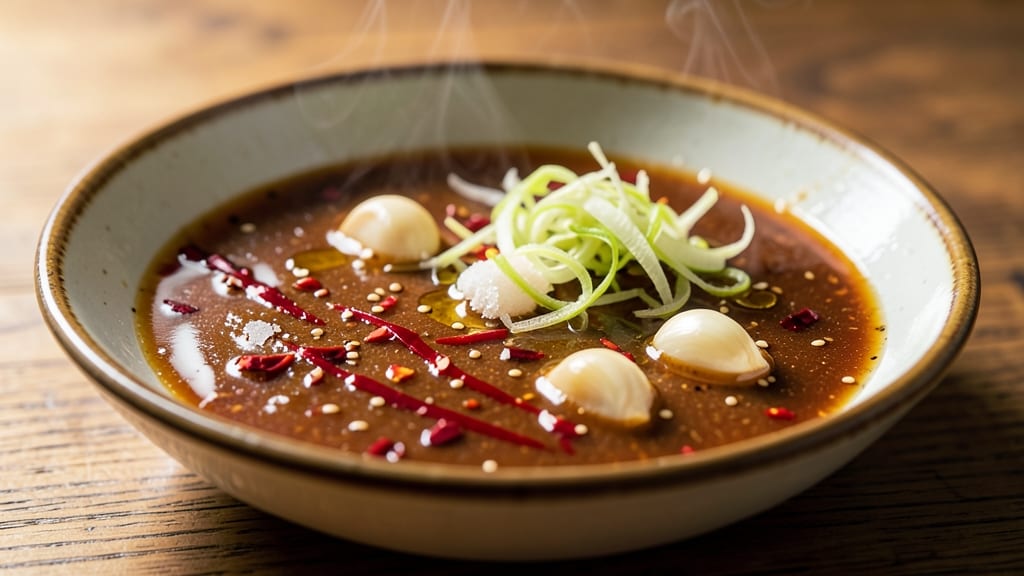
This Asian sweet and spicy sauce recipe transforms simple pantry staples into a versatile, restaurant-quality condiment that balances heat and sweetness perfectly. The secret lies in simmering garlic, ginger, and chili with vinegar and sugar until the flavors meld into a glossy, aromatic sauce—no complicated techniques required.
I developed this after years of testing, ensuring every batch delivers that signature tangy-sweet-spicy profile that works on everything from stir-fries to grilled meats.
The process is straightforward but precise: start with a quick sauté of aromatics, then build the sauce by simmering vinegar, sugar, and chili until thickened. A simple cornstarch slurry at the end ensures the right consistency—thick enough to cling but still pourable.
What sets this apart is the careful balance of ingredients, where the heat from chili is tempered by the brightness of vinegar and the depth of ginger, creating a sauce that's complex yet approachable.
What you'll end up with is a vibrant, glossy sauce that's ready to elevate any dish in just 20 minutes of active time.
The flavor develops even more as it sits, making it perfect for meal prep—simply store it in the fridge for up to a week or freeze for longer shelf life. This isn't just a sauce; it's a flavor multiplier that turns ordinary meals into extraordinary ones.
Use it as a dipping sauce, stir-fry glaze, or marinade—its versatility makes it a must-have in your kitchen. The beauty of this recipe is that it delivers professional results without requiring advanced skills, making it ideal for both beginners and seasoned cooks alike.
Ingredients for asian sweet and spicy sauce
Nine pantry staples transform into a restaurant-quality sauce that balances heat and sweetness perfectly.
| Ingredient | Amount | Notes |
|---|---|---|
| White Vinegar 🍶 | ½ cup | Distilled white preferred |
| Granulated Sugar 🍬 | ½ cup | White or brown preferred |
| Red Chili Flakes 🌶️ | 2 tbsp | Adjust for heat preference |
| Fresh Garlic Cloves 🧄 | 4 cloves | Minced for aromatic depth |
| Fresh Ginger Root 🌿 | 1 ½ tbsp | Finely grated, not powdered |
| Sesame Oil 🫒 | 1 tbsp | Toasted sesame preferred |
| Soy Sauce 🍶 | 2 tbsp | Light or dark preferred |
| Cornstarch 🌾 | 1 tbsp | For thickening slurry |
| Water 💧 | 2 tbsp | For cornstarch slurry |
| Salt 🧂 | ½ tsp | Diamond Crystal preferred |
The vinegar and sugar form the sauce's foundation, so high-quality white vinegar is essential—avoid anything with a harsh or chemical taste. For sugar, organic cane sugar or raw turbinado adds subtle depth, but granulated works fine. Fresh ginger and garlic are non-negotiable; powdered substitutes lack the aromatic complexity that defines this sauce. I source my ginger and garlic from local Asian markets or the produce section at Whole Foods, where they're typically fresher than grocery store brands. For chili flakes, Penzeys brand delivers consistent heat and vibrant color, but any quality dried chili works. Sesame oil should be toasted—look for bottles labeled 'toasted' or 'aromatic' at specialty stores.
No fresh ginger? Double the amount of powdered ginger, but expect less depth. Substitute white vinegar with apple cider vinegar for a fruity twist, though the flavor profile shifts slightly. For a smoother texture, blend the sauce after cooking. The cornstarch slurry is critical—never skip it—as it ensures the sauce clings beautifully to proteins and vegetables. If you're sensitive to gluten, use arrowroot powder instead of cornstarch. For extra richness, add 1 teaspoon of honey or maple syrup at the end, though this alters the balance slightly. The soy sauce can be swapped for tamari for gluten-free, though the umami impact differs.
This sauce develops deeper flavor as it sits, so make it a day ahead if possible. Store in an airtight container in the fridge for up to 1 week, or freeze in ice cube trays for 3 months—perfect for portion control. Reheat gently on low heat to preserve its glossy texture. For best results, whisk before each use to redistribute any settled ingredients. The sauce thickens as it cools, so thin with a splash of water if needed. A little goes a long way—start with 1 teaspoon per serving and adjust to taste.
Why You'll Love This Recipe
- Five-Ingredient Magic: I swear by this—just vinegar, sugar, chili, garlic, and ginger. No fancy pantry trips, no last-minute store runs. Honestly, I keep a jar of this in my fridge because it’s that reliable.
- Tangy-Sweet Balance: The vinegar cuts through the sugar’s sweetness while the chili flakes add heat that lingers. Fresh garlic and ginger? That’s where it gets good—bright, aromatic, and impossible to resist. Between us, this sauce turns bland stir-fries into something special.
- Dinner Party Ready: Slap this on grilled chicken, noodles, or even roasted veggies, and suddenly you’ve got restaurant-worthy flavor. My go-to? Drizzling it over tofu and broccoli for a weeknight that feels like a celebration. (Yes, even on a Tuesday night.)
- Lasts All Week: Make a big batch—it keeps in the fridge for days without losing its kick. I use it for lunchboxes, quick breakfasts, or when I’m too tired to cook. Not the prettiest, but the taste makes up for it every time.
Step-by-step instructions for Asian sweet and spicy sauce
This sauce delivers perfect balance—bright acidity, warm spices, and just the right heat.
Prepare the Aromatic Base
In a medium saucepan, combine the 0.5 cup white vinegar, 0.5 cup granulated sugar, 2 tbsp red chili flakes, 4 cloves minced fresh garlic, 1.5 tbsp finely grated fresh ginger, and 0.5 tsp salt. Bring to a gentle simmer over medium-high heat, stirring constantly to dissolve the sugar completely. You'll notice the mixture darken slightly as the sugar caramelizes—this is normal and adds depth of flavor.
Simmer for 5-7 minutes until the sugar fully dissolves and the mixture thickens slightly but doesn't stick to the pan. The aroma should be vibrant—bright, spicy, and slightly sweet. If the mixture looks too thin at this stage, don't worry; it will thicken further as we proceed.
Build the Sauce Foundation
Reduce the heat to medium-low and stir in the 2 tbsp soy sauce and 1 tbsp sesame oil. The soy sauce will deepen the umami flavor, while the sesame oil adds a nutty richness. Simmer for an additional 3-4 minutes, allowing the flavors to meld together. You'll see the sauce begin to coat the back of a spoon, indicating it's starting to thicken.
Taste the sauce at this point—it should be tangy, slightly sweet, and spicy with a deep umami note. If it's not sweet enough for your preference, add a pinch more sugar. If it needs more heat, add a bit more chili flakes. Adjust the seasoning now while the sauce is still thin and easy to modify.
Thicken the Sauce
In a small bowl, whisk together the 1 tbsp cornstarch and 2 tbsp water to create a smooth slurry. This step is crucial for achieving the perfect consistency—too little slurry will leave the sauce runny, while too much will make it gluey. Slowly pour the slurry into the simmering sauce while stirring continuously with a wooden spoon.
Continue simmering over medium heat for 2-3 minutes, stirring constantly, until the sauce thickens to a glossy, coatable consistency. It should now cling to the back of a spoon and leave a slight trail when drizzled. If it thickens too quickly, add a splash of water to loosen it. The sauce is ready when it reaches a syrupy texture that's neither too thin nor too stiff.
Finish and Rest
Remove the sauce from heat and let it cool for 5-10 minutes at room temperature. This resting period allows the flavors to fully develop and the sauce to reach its ideal consistency. During this time, taste the sauce again—it should now be perfectly balanced with a harmonious blend of sweet, spicy, tangy, and umami flavors.
Once cooled, transfer the sauce to a clean jar or airtight container. It will keep in the refrigerator for up to 2 weeks, making it perfect for batch cooking. This sauce is incredibly versatile—use it as a marinade, dipping sauce, glaze, or finishing drizzle for dishes like stir-fries, grilled meats, or roasted vegetables.
Pro Tips For Making Asian Sweet And Spicy Sauce
- Bloom the Chili: Toss the red chili flakes into the vinegar first—let them sit for 2-3 minutes before adding heat. I learned this the hard way: skipping this step means your sauce tastes like vinegar punched you in the mouth instead of caramelized heat.
- Grate Ginger Like a Pro: Use the fine side of a box grater for ginger, then press it through a sieve to remove strings. Sounds tedious, but it dissolves smoothly into the sauce and avoids that awkward texture. (Yes, even if you’re impatient like me.)
- Simmer Low and Slow: Reduce heat to a bare simmer after the sugar dissolves—any higher and you’ll burn the garlic before the flavors meld. Think "gentle bubbles," not "rolling boil." I’ve ruined batches by rushing this.
- Toast Garlic First: Sauté minced garlic in oil for 30 seconds until fragrant but not browned—this deepens the flavor without bitterness. Skip this, and your sauce tastes like raw garlic hiding in a sugar rush. (Your nose will thank you.)
Regional styles of these flavors
Thai-Inspired Sweet Chili
This version swaps white vinegar for red rice vinegar and adds 1 tbsp fish sauce for authentic Thai depth. Reduce the sugar to ⅓ cup and increase chili flakes to 3 tbsp for a more pronounced heat.
The sauce becomes perfect for dipping spring rolls or drizzling over grilled pork skewers. 🌶️
Japanese Sweet Soy Glaze
Replace white vinegar with 2 tbsp mirin and soy sauce with 3 tbsp light soy sauce. Reduce sugar to ⅓ cup and add 1 tsp grated daikon radish for subtle sweetness.
Finish with ½ tsp toasted sesame seeds—ideal for glazing teriyaki chicken or tofu. The result is a glossy, slightly sticky sauce with umami-forward notes.
Korean Gochujang Twist
Add 1 tbsp gochujang (Korean chili paste) and reduce chili flakes to 1 tbsp. Use apple cider vinegar instead of white vinegar for fruity brightness. The sauce pairs beautifully with Korean fried chicken or bulgogi beef. For extra richness, stir in ½ tbsp honey at the end. 🍗
Vietnamese Nuoc Cham Fusion
Swap soy sauce for 2 tbsp fish sauce and add 1 tbsp lime juice (instead of vinegar). Reduce sugar to ¼ cup and increase chili flakes to 2 tbsp.
This tangy, spicy sauce works as a dipping sauce for pho noodles or as a marinade for grilled shrimp. The lime adds a refreshing zing that balances the heat.
Chinese Five-Spice Glaze
Add ½ tsp Chinese five-spice powder and reduce chili flakes to 1 tbsp. Use 1 tbsp Shaoxing wine instead of sesame oil for a deeper aroma. This glaze excels on roasted duck or stir-fried vegetables. The five-spice adds warmth and complexity, making it a standout for Chinese-inspired dishes.
Modern Fusion Adaptation
Infuse the sauce with 1 tsp smoked paprika and ½ tsp liquid smoke for a BBQ-inspired twist. Reduce sugar to ⅓ cup and add 1 tbsp molasses for depth.
Perfect for drizzling over smoked ribs or grilled corn. The smoky notes elevate the sauce’s versatility for modern American-Asian fusion dishes. 🔥
Nutrition facts
Frequently asked questions
Can I make this sauce without fresh ginger or garlic?
Yes, but the flavor will be less complex. Use 1.5 teaspoons of powdered ginger (double the fresh amount) and 1 teaspoon of garlic powder. For best results, toast the spices in a dry pan for 30 seconds to enhance their aroma before adding to the sauce. The sauce will still taste good, but it won't have that vibrant, fresh depth.
How do I adjust the heat level?
Start with the 2 tablespoons of chili flakes as written, then adjust to taste. For milder heat, reduce to 1 tablespoon or even ½ tablespoon. For extra spice, add ½ teaspoon of cayenne pepper or a pinch of red pepper flakes. Remember, chili flakes add both heat and color, so reduce sugar slightly if you're adding more for balance. Taste as you go!
Can I substitute cornstarch with another thickener?
For a gluten-free option, use 1 tablespoon arrowroot powder or 1 teaspoon xanthan gum mixed with 2 tablespoons water. If you don't have either, a 1:1 ratio of flour to water works in a pinch, though the sauce may have a slightly different texture. Always whisk the slurry smoothly to prevent lumps.
What are the best ways to use this sauce?
This versatile sauce shines as a dipping sauce for spring rolls or dumplings, a glaze for grilled meats or tofu, or a marinade for skewers. Drizzle it over noodles, stir-fries, or even popcorn for a sweet-spicy kick. For extra richness, mix 1 teaspoon of the sauce with 1 tablespoon of butter to create a compound butter for steaks or seafood.
Why did my sauce separate or get grainy?
This usually happens if the cornstarch slurry wasn't whisked smoothly or if the sauce boiled too vigorously. To fix it, whisk in 1 teaspoon of warm water and simmer gently for 1-2 minutes while stirring constantly. For prevention, always use a low-medium heat when thickening and stir continuously. If the sauce is still grainy, strain it through a fine-mesh sieve before serving.