
Sauces & Condiments
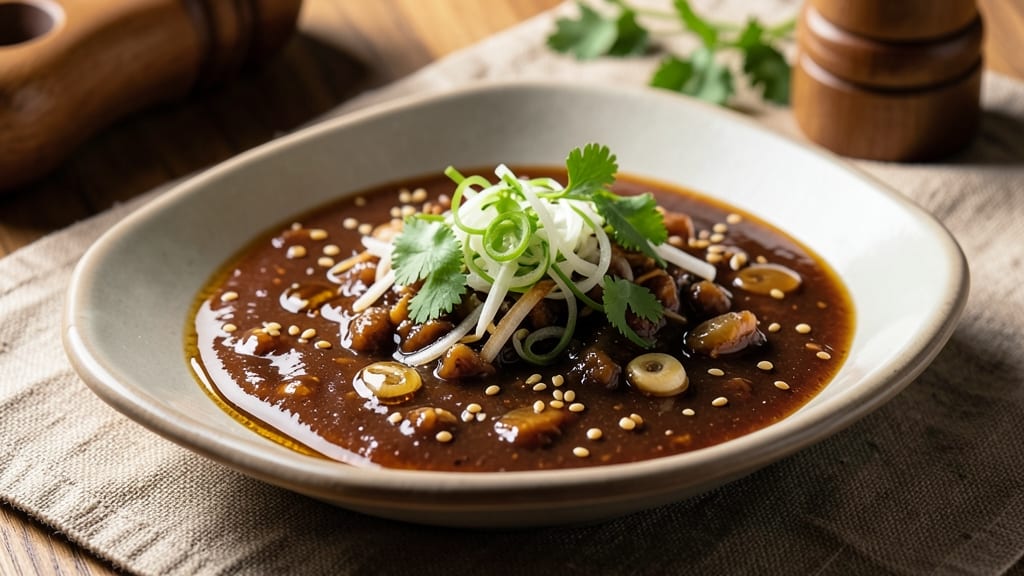
This Asian-style BBQ sauce recipe delivers the perfect balance of sweet, tangy, and umami-rich flavors that elevate any protein. The secret lies in slow-simmered garlic and ginger, which infuse the sauce with aromatic depth while honey and soy sauce create that signature glossy finish.
Unlike store-bought versions, this homemade sauce builds layers of flavor through careful reduction and umami enhancers like fish sauce.
What sets this sauce apart is its velvet-smooth texture—achieved by simmering until thick and glossy, not sticky. The garlic isn’t just chopped; it’s minced and cooked until fragrant, ensuring every bite carries that signature punch.
A touch of vinegar brightens the sweetness, while optional oyster sauce adds a luxurious depth that makes this sauce restaurant-worthy.
The process is straightforward but requires patience: combining ingredients, simmering for 20-30 minutes, and reducing until the sauce coats the back of a spoon.
This isn’t just a glaze—it’s a flavor bomb that clings to meats, tofu, or vegetables, transforming simple grilled chicken into a dish fit for a feast.
Store it in the fridge for up to 2 weeks or freeze for longer shelf life, making it the ultimate pantry staple. Whether you’re marinating, basting, or drizzling, this sauce turns ordinary meals into extraordinary ones. Let’s make it—your taste buds will thank you.
Ingredients for asian style bbq sauce
Nine ingredients transform into a restaurant-quality sauce with velvety texture and layered umami.
| Ingredient | Amount | Notes |
|---|---|---|
| Extra-Virgin Olive Oil 🫒 | 2 tbsp | For sautéing garlic and ginger |
| Garlic Cloves 🧄 | 6 cloves | Finely minced for aromatic depth |
| Fresh Ginger 🌿 | ½ cup | Finely grated, skin removed |
| Raw Honey 🍯 | ½ cup | Use high-quality, local honey |
| Light Soy Sauce 🍶 | ½ cup | Kikkoman preferred for balance |
| Rice Vinegar 🍋 | ¼ cup | White vinegar substitute |
| Fish Sauce 🐟 | 2 tbsp | Red Boat brand recommended |
| Oyster Sauce 🦪 | 2 tbsp | Optional for luxurious depth |
| Sesame Oil 🌰 | 1 tbsp | Toasted for nutty aroma |
| Diamond Crystal Kosher Salt 🧂 | 1 tsp | Adjust to taste |
The garlic and ginger are non-negotiable here—fresh, never powdered. Grab a whole bulb of garlic and a chunk of ginger from the produce section (the root, not the jarred paste). Trader Joe's has great pre-minced garlic if you're short on time, but fresh is always better. For ginger, look for a firm, bumpy root with no soft spots. The honey should be raw and local if possible—it adds subtle floral notes that jarred honey can't match. Soy sauce matters too: Kikkoman light soy is the industry standard for this recipe.
No fish sauce? Worcestershire sauce at half the amount works in a pinch, but you'll lose some depth. Skip the oyster sauce if you're avoiding seafood, but the sauce will still be delicious. For vinegar, apple cider vinegar adds a fruity twist if you're feeling adventurous. The sesame oil is where you can splurge—toasted, not flavored. If you're out, a pinch of ground sesame seeds at the end brings back some of that nutty character. Pro tip: Taste as you go—adjust the salt and vinegar to balance sweet and tangy.
This sauce keeps beautifully in the fridge for 2 weeks in an airtight jar, with the oil forming a protective layer on top. For longer storage, freeze in ice cube trays—perfect for portion control. The flavor actually improves after a day or two as everything melds. I like to make a double batch so I always have some on hand for quick weeknight marinades. Just shake well before using, especially if it's been refrigerated.
Why You'll Love This Recipe
- No-Pantry Panic: I swear by this sauce because it uses what’s already in my fridge and spice rack. That jar of soy sauce? The ginger root gathering dust? Suddenly, they’re the stars of the show—no special shopping trips needed.
- Umami Bomb: The honey and olive oil team up with garlic and ginger to create a sauce that’s sweet, tangy, and deep—like a hug for your taste buds. Honestly, I’ve tried store-bought versions, but this one actually tastes homemade.
- Weeknight Magic: Slather it on grilled chicken, toss it with noodles, or drizzle it over roasted veggies—it’s the kind of sauce that turns a simple meal into something special. (Yes, even on a Tuesday night.)
- Budget Win: A little goes a long way, and the ingredients cost pennies. Between us, I’ve made enough to last a month, and it’s still just as good on the third use. That’s savings I can get behind.
Step-by-step instructions for Asian style BBQ sauce
This velvety sauce delivers deep umami with a perfect balance of sweet and tangy heat.
Sauté Aromatics Until Fragrant
Heat the 2 tablespoons extra-virgin olive oil in a medium saucepan over medium heat. Add the 6 cloves minced garlic and ½ cup finely grated fresh ginger, stirring constantly for 2-3 minutes until the garlic turns golden and the ginger softens. You'll smell that irresistible aromatic punch—this is where the sauce's soul begins.
Here's the thing—don't let the garlic burn. If it starts to darken too quickly, reduce the heat to medium-low and keep stirring. Burnt garlic will make the sauce taste bitter, and we're going for that perfect sweet-savory balance. Once the aromatics are fragrant and the garlic is just turning golden, you're ready for the next step.
Build the Sauce Foundation
Pour in the ½ cup light soy sauce and ¼ cup rice vinegar, stirring to combine. Let the mixture simmer gently for 3-4 minutes until it reduces slightly and the raw vinegar smell dissipates. You'll notice the sauce becoming thicker and more cohesive as the liquid evaporates.
Now add the 2 tablespoons fish sauce and 2 tablespoons oyster sauce, stirring well to incorporate. Taste the mixture at this stage—you should detect layers of umami and saltiness. If it's too strong, add a splash of water; if too mild, a pinch more salt. This is your flavor baseline before we add the sweetness.
Sweeten and Finish the Sauce
Reduce heat to low and stir in the ½ cup raw honey. Let the sauce simmer for 5-6 minutes, stirring occasionally, until it thickens noticeably. You're looking for a consistency that coats the back of a spoon—a balance between pourable and clingy. The honey will caramelize slightly, deepening the sauce's complexity.
In the final minute, remove the pan from heat and stir in the 1 tablespoon toasted sesame oil. This adds that nutty aroma and rich depth that makes this sauce truly Asian-inspired. Let the sauce rest for 5 minutes off the heat—this allows all the flavors to meld together perfectly.
Season to Perfection
Return the sauce to low heat and taste it again. This time, you're checking for balance—sweet, salty, tangy, and umami all working together. Add the 1 teaspoon Diamond Crystal kosher salt if needed, but often the fish sauce and soy sauce provide enough saltiness. The sauce should be vibrant, glossy, and ready to transform any dish.
For best results, let the sauce cool completely before using it on grilled meats or roasted vegetables. The flavors will continue developing as it sits, creating that restaurant-quality depth we're after. Store any leftovers in an airtight container in the refrigerator for up to 2 weeks, or freeze for longer storage.
Pro Tips For Making Asian Style Bbq Sauce
- Bloom the Garlic First: I learned this the hard way—raw garlic burns fast and turns bitter. Slice those cloves thin, toss them in the olive oil, and let them sit for 5 minutes before hitting the heat. That extra time makes all the difference when you’re simmering with ginger and honey later.
- Peel Ginger with a Knife: Yes, even if you’re impatient like me. Scrape the skin off with a paring knife instead of peeling it like an apple—it’s faster and leaves you with smoother, more flavorful pieces. No one wants stringy ginger in their sauce.
- Simmer Low and Slow: This isn’t the time to rush. After adding the honey and soy sauce, keep the heat at a gentle simmer for at least 10 minutes. Too high, and you’ll end up with a burnt, syrupy mess instead of a balanced, glossy sauce.
- Balance the Honey with Vinegar: I skip this sometimes, but the dish is noticeably better when I don’t. Add 1 tablespoon of rice vinegar or apple cider vinegar at the end—it cuts the sweetness and brightens the whole sauce. Trust me, your taste buds will notice.
Best sauces and condiments for asian style bbq sauce
Sweet Heat Balance
This sauce thrives on the interplay between sweet honey and tangy vinegar, creating a perfect balance that caramelizes beautifully. I like to add 1 teaspoon of sriracha or ½ teaspoon of chili flakes for subtle heat—just enough to wake up your taste buds without overpowering.
For a smoky twist, swap ½ cup of the honey for maple syrup and add ½ teaspoon of smoked paprika. 🌶️
Umami Boosters
Fish sauce and oyster sauce are the secret weapons here, but don’t skip them! If you’re avoiding seafood, 2 tablespoons of coconut aminos (like Coconut Secret) work as a vegetarian substitute, though the flavor will be milder.
For extra depth, add 1 tablespoon of miso paste or 1 teaspoon of mushroom powder—both add a savory richness that elevates the sauce. Trust me, these umami enhancers make all the difference.
Texture Control
Simmering is key to achieving that velvety, clingy texture. If your sauce thickens too quickly, add 1 tablespoon of water to loosen it. For a glossier finish, stir in 1 teaspoon of cornstarch mixed with 1 tablespoon water at the end and simmer for 1 minute.
This trick ensures the sauce stays smooth and coats your food perfectly, whether you're glazing ribs or drizzling over noodles. ✨
Versatile Uses
This sauce isn’t just for grilling—it’s a game-changer for stir-fries, marinades, and even drizzled over rice bowls. For stir-fries, toss it with bell peppers, broccoli, and tofu for a quick weeknight meal.
As a marinade, let proteins like chicken thighs or pork belly soak for at least 2 hours before grilling. I also love using it as a dip for spring rolls or dumplings—the balance of flavors is irresistible. 🍱
Storage Hacks
Store leftovers in an airtight glass jar in the fridge for up to 2 weeks, with the oil forming a protective seal on top. For longer storage, freeze in ice cube trays—perfect for portion control when you only need a little for a quick glaze.
When reheating, warm gently on the stovetop over low heat to preserve the texture. The flavors actually deepen over time, so making a batch ahead is always a good idea. ❄️
Flavor Customization
Want to tweak the sauce? Swap honey for agave for a vegan option, or add 1 teaspoon of grated lime zest for a bright, citrusy kick. For a spicy kick, stir in 1 tablespoon of gochujang (Korean chili paste) at the end.
If you love fruitiness, add ½ cup of pineapple juice when simmering the sauce—it adds a tropical twist that pairs beautifully with grilled shrimp. 🍍
Nutrition facts
Frequently asked questions
Can I make this sauce without fish sauce?
Yes! For a vegetarian version, substitute the 2 tablespoons fish sauce with 2 tablespoons coconut aminos (like Coconut Secret) or 1 tablespoon soy sauce plus 1 teaspoon mushroom powder. The umami will be slightly milder but still delicious. For a deeper flavor, add 1 tablespoon miso paste instead.
How spicy should this sauce be?
The recipe is designed to be mildly balanced—sweet, tangy, and umami-rich without heat. For subtle spice, add ½ teaspoon chili flakes or 1 teaspoon sriracha at the end. For a bolder kick, stir in 1 tablespoon gochujang (Korean chili paste) during the final simmer. Adjust to taste!
Can I use this sauce on vegetables or tofu?
This sauce works beautifully on grilled vegetables (like bell peppers, zucchini, or mushrooms) or tofu. For extra flavor, marinate tofu for 15-20 minutes before grilling or baking. The sauce’s glossy texture clings perfectly to both proteins and veggies, adding depth without overpowering.
Why does my sauce look too thin?
If your sauce isn’t coating the back of a spoon, simmer it longer over low heat (another 5-10 minutes) to reduce. For a quick fix, mix 1 teaspoon cornstarch with 1 tablespoon water, stir into the sauce, and simmer for 1 minute. Avoid adding too much water—this sauce relies on reduction for its velvety texture.
How can I make this sauce nut-free?
Simply omit the sesame oil and replace it with 1 teaspoon neutral oil (like avocado or grapeseed) or a pinch of ground sesame seeds (if no allergy concerns). The sauce will still taste rich and aromatic—just skip the nutty depth. Always double-check labels on soy sauce and oyster sauce for cross-contamination warnings.