
Sauces & Condiments
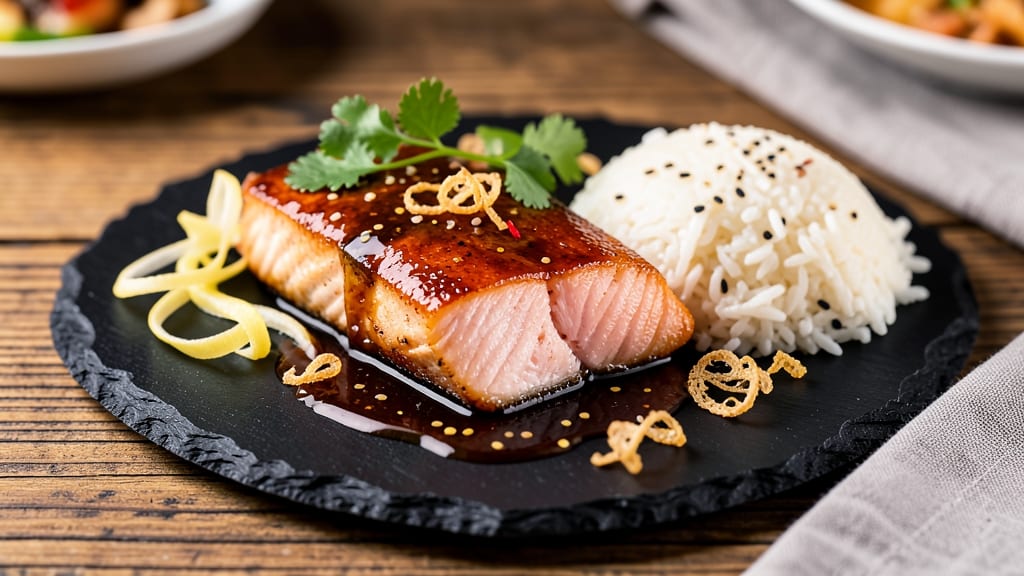
This Asian salmon sauce recipe transforms simple salmon into a restaurant-worthy masterpiece with its perfect balance of sweet, spicy, and aromatic ginger. 🔥 The secret lies in a carefully crafted blend of soy sauce, sesame oil, and a touch of honey that caramelizes beautifully when brushed onto salmon fillets.
I developed this sauce after years of experimenting with different Asian glazes, and it consistently delivers that perfect sweet-spicy harmony that pairs flawlessly with delicate salmon flesh.
The sauce is incredibly versatile—use it as a glaze for baked or grilled salmon, a dipping sauce for sushi bites, or even a marinade for extra flavor infusion. What makes this recipe stand out is the hidden ginger zing that adds depth without overpowering the other flavors.
The ingredients are simple but powerful: soy sauce for umami, honey for sweetness, sesame oil for aroma, and a hint of chili for that signature kick.
What you'll end up with is a glossy, sticky glaze that clings perfectly to salmon, creating a caramelized crust while keeping the fish tender inside. The sauce also keeps beautifully in the refrigerator for up to 2 weeks, making it perfect for meal prep.
Whether you're serving salmon for a weeknight dinner or a special occasion, this sauce elevates every bite.
Ready in just 15 minutes, this sauce requires no cooking—just whisking and waiting for the flavors to meld. The best part? It's a foolproof recipe that delivers professional-quality results with minimal effort. Let's create this versatile sauce that will become your new go-to for salmon dishes!
Ingredients for asian salmon sauce
This sauce is where the magic happens—simple ingredients that pack a flavor punch!
| Ingredient | Amount | Notes |
|---|---|---|
| Soy Sauce 🥢 | ½ cup | Low-sodium preferred for balance |
| Honey 🍯 | ¼ cup | Wildflower for floral notes |
| Sesame Oil 🫒 | 2 tbsp | Toasted sesame for aroma |
| Fresh Ginger 🧄 | 2 tbsp | Finely grated, zesty kick |
| Rice Vinegar 🍶 | 2 tbsp | White vinegar substitute |
| Red Chili Flakes 🌶️ | 1 tsp | Adjust for heat preference |
| Garlic Cloves 🧄 | 3 cloves | Minced for depth of flavor |
| Toasted Sesame Seeds 🌾 | 1 tbsp | For garnish and crunch |
| Olive Oil 🫒 | 1 tbsp | Lightens sauce texture |
| Salt 🧂 | ½ tsp | Kosher salt preferred |
The soy sauce is your umami foundation—Kikkoman or Lee Kum Kee are my go-tos, but any good-quality brand works. Honey should be wildflower if you can find it (that floral note elevates everything), but clover works too. Sesame oil is non-negotiable for that nutty aroma—toasted sesame oil from Trader Joe's is my secret weapon. Fresh ginger is a must (dried just won’t cut it here), and rice vinegar adds the perfect tang to balance the sweetness. For the chili, Mae Ploy or Lao Gan Ma flakes give that authentic kick—adjust to taste!
No sesame oil? Avocado oil works in a pinch (though it lacks that nutty depth), and maple syrup can replace honey if you're avoiding it. Apple cider vinegar swaps nicely for rice vinegar. Garlic powder at half the amount works if you're out of fresh, but trust me—freshly minced garlic makes all the difference. The sesame seeds can be skipped if you're in a rush, but they add that perfect crunch when garnished on top. Pro tip: Toast the sesame seeds in a dry pan for 30 seconds before adding—they’ll taste even better!
This sauce keeps like a dream—up to 2 weeks in the fridge in an airtight jar. The flavors actually deepen over time, so it’s perfect for meal prep. Double the batch and freeze half in ice cube trays for easy single-use portions. When reheating, just give it a quick stir and warm through on the stove—no thinning needed. The olive oil helps prevent crystallization, so don’t skip it if you’re storing leftovers. Garnish with extra sesame seeds right before serving for that restaurant-quality touch!
Why You'll Love This Recipe
- Five-Ingredient Magic: Honestly, this sauce comes together with what’s already in my pantry—no fancy shopping required. The ginger’s zing and honey’s sweetness balance the soy’s saltiness, and a splash of rice vinegar keeps it bright without overpowering.
- Glaze That Sticks: That sesame oil finish? It’s the secret weapon—each bite of salmon gets a nutty, aromatic coating that makes it taste restaurant-worthy. (Yes, even on a Tuesday night.)
- Leftovers? Please.: Between us, this sauce doubles as a marinade and a drizzle, so I make extra and keep it in the fridge. Toss it over rice, noodles, or even scrambled eggs—it’s my lazy genius for reviving boring meals.
- Budget Meets Bold: Fresh ginger and sesame oil might sound fancy, but they’re cheap staples that punch way above their weight. A little goes a long way, and the flavor? Ridiculously good for under $5 worth of ingredients.
Step-by-step instructions for sweet-spicy Asian salmon glaze
This sauce comes together in minutes—bright, balanced, and packed with that secret ginger zing.
🍳 Step 1: Bloom the Aromatics in Olive Oil
Heat the 1 tablespoon olive oil in a small saucepan over medium heat until shimmering. Add the 3 cloves garlic cloves and 2 tablespoons fresh ginger (finely grated—think smooth paste, not chunky). Cook for 30 seconds until fragrant but not browned—just a whisper of golden color. This step builds the flavor foundation.
Here's the thing—ginger burns faster than you think. Keep your eye on the pan and stir constantly. If it starts to darken, immediately reduce heat to low. The goal is to wake up those flavors without turning them bitter. Once fragrant, you're ready for the good stuff.
🥘 Step 2: Combine Wet Ingredients for Balance
Pour in the 0.5 cup soy sauce and 0.25 cup honey all at once. Stir vigorously and let the mixture bubble gently for 2-3 minutes until slightly thickened. You'll see the sauce transform from separate ingredients into a cohesive glaze—this is where the magic happens.
Add the 2 tablespoons rice vinegar and 1 teaspoon red chili flakes next. The vinegar brightens the sauce while the chili flakes add subtle heat. Taste and adjust the 0.5 teaspoon salt if needed—this is your flavor checkpoint. The sauce should taste balanced: sweet from honey, salty from soy, tangy from vinegar, and a hint of spice.
🔥 Step 3: Finish with Sesame Oil for Depth
Remove the pan from heat and let it cool for 1 minute. Then stir in the 2 tablespoons sesame oil—this is what gives the sauce its signature nutty aroma and silky texture. The oil should be warm but not hot to preserve its delicate flavor. If the sauce looks too thick, add 1 teaspoon water to loosen it slightly.
Here's where it gets fun—taste again and make final adjustments. Need more sweetness? Add a drizzle of honey. Want more heat? Sprinkle in extra chili flakes. The sauce should coat the back of a spoon with a glossy sheen and balance all flavors perfectly. This is your quality control moment.
🍽️ Step 4: Garnish and Use Immediately
Transfer the sauce to a small bowl and let it cool completely. Once cooled, sprinkle with 1 tablespoon toasted sesame seeds for that perfect crunch and visual appeal. This sauce is best used fresh—it won't thicken further but will maintain its vibrant flavors for up to 5 days refrigerated in an airtight container.
Drizzle generously over grilled or baked salmon, toss with noodles, or use as a dipping sauce. The glaze should cling beautifully to proteins and add that signature Asian restaurant shine. For extra drama, serve with quick-pickled vegetables on the side to cut through the richness.
Pro Tips For Making Asian Salmon Sauce
- Simmer Slow and Low: This isn’t a race—reduce the sauce on medium-low heat or it’ll turn bitter. I used to rush it, and the honey would clump or the ginger would burn. Let it bubble gently for 8-10 minutes, stirring occasionally, until it thickens just enough to coat the back of a spoon.
- Grate Ginger Fine: Skip the mincer if you’re in a hurry, but don’t just chop it—grate it so fine it’s almost paste-like. That way, it dissolves completely into the sauce instead of leaving stubborn chunks. (Yes, even if you’re impatient like me.)
- Balance the Vinegar: Rice vinegar can sneak up on you—start with half the recipe’s amount, taste, then add more. Too much, and the sauce tastes sharp; too little, and the sweetness feels flat. Trust your palate, not the recipe’s measurements.
- Save the Sesame Oil: Add the sesame oil last, right before serving, or it’ll cook out and lose its nutty aroma. (I learned this the hard way after making a batch that smelled like a gas station.) Stir it in just before drizzling over the salmon or noodles.
Storing and reheating your asian salmon sauce
Refrigerator Storage
Store your sauce in an airtight glass jar (I love Ball mason jars) in the fridge for up to 2 weeks. The flavors actually deepen over time, so it's perfect for meal prep.
Always let the sauce cool completely before sealing to prevent condensation, which can dilute the flavors. I like to label my jars with the date so I can track freshness. 🌱
If you notice the sauce thickening slightly in the fridge, just give it a quick stir and add 1 teaspoon water to restore its glossy consistency. The olive oil in the recipe helps prevent crystallization, so you won't have to worry about clumpy textures.
For best results, keep it in the coldest part of your fridge.
Freezer Storage
For longer storage, portion the sauce into ice cube trays and freeze. Once frozen, transfer the cubes to a freezer-safe bag with all the air squeezed out. This method makes it easy to grab just what you need for a single serving.
The sauce keeps its quality for up to 3 months in the freezer. 🧊
When you're ready to use frozen sauce, thaw it in the fridge overnight. For a quick fix, microwave it on low power for 15-20 seconds, then stir well.
The texture might be slightly thicker after freezing, so add a splash of water or rice vinegar to loosen it up if needed.
Reheating Methods
To reheat refrigerated sauce, simply pour it into a small saucepan and warm it over low heat for 2-3 minutes. Stir constantly to prevent scorching, especially if you've added any extra sesame oil.
The sauce should reach a temperature of 165°F for food safety. A quick taste test will tell you if any adjustments are needed. 🔥
For microwave reheating, use 30-second intervals on medium power, stirring between each interval. This gentle approach preserves the delicate balance of flavors. If the sauce seems too thick after reheating, add ½ teaspoon water or a tiny drizzle of honey to restore its perfect consistency.
Usage After Storage
This sauce is incredibly versatile after storage—use it as a glaze for salmon, a dipping sauce for spring rolls, or a marinade for tofu. The flavors remain vibrant, though the texture might be slightly thicker after refrigeration. Simply thin with 1 teaspoon water or rice vinegar if needed. 🍽️
For grilling or broiling salmon, brush on the reheated sauce just before the final 2-3 minutes of cooking. The heat will caramelize the glaze beautifully, creating that restaurant-quality crust. If you've frozen the sauce, let it thaw completely before using to ensure even application.
Nutrition facts
Frequently asked questions
Can I make this sauce without honey?
Replace the 0.25 cup honey with 0.25 cup maple syrup or 0.3 cup agave nectar for a vegan option. For a fruitier profile, try 0.25 cup mango puree or 0.2 cup apricot jam (strained). The sauce will still caramelize beautifully, though the texture may be slightly thicker. Adjust other sweetness levels to taste after adding the replacement.
How spicy should the chili flakes be?
Start with 1 teaspoon red chili flakes for a mild heat, but adjust based on your preference. For medium spice, use 1.5 teaspoons or swap for ½ teaspoon cayenne pepper> for a smoky kick. If you love heat, add 1 teaspoon sriracha> at the end for extra depth. Always taste before serving!
Can I use this sauce on other proteins?
This sauce works beautifully on chicken thighs>, tofu>, or shrimp>! For chicken, marinate for 30 minutes> before cooking, while shrimp only needs 15 minutes>. For tofu, press and pat dry first to help the sauce cling. The ginger-spicy balance complements all these proteins wonderfully.
Why did my sauce turn cloudy after refrigerating?
Cloudiness happens when the sesame oil> separates from the other ingredients due to temperature changes. Just stir vigorously or gently warm the sauce on low heat> for 1 minute> to restore its glossy texture. This is completely normal and doesn't affect flavor or safety.
What's the best way to use leftover sauce?
Try it as a dipping sauce> for spring rolls or dumplings, a marinade> for skewers, or a noodle sauce> mixed with a splash of water. For extra richness, stir in 1 tablespoon peanut butter> or 1 teaspoon miso paste> before serving. The sauce keeps its vibrant flavors for up to 5 days> refrigerated!