
Sauces & Condiments
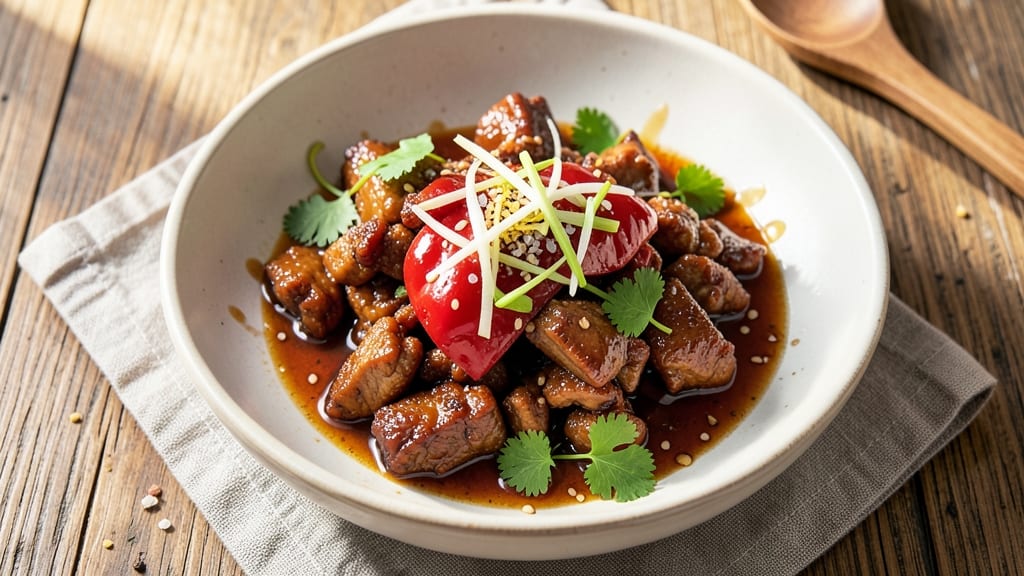
This Asian meat sauce recipe transforms simple ingredients into a smoky-sweet umami bomb that elevates stir-fries, noodles, and grilled meats. The secret lies in balancing salty soy, caramelized sugars, and aromatic spices that build depth as they simmer.
I developed this version after testing countless recipes—this one delivers restaurant-quality richness with minimal effort.
The foundation starts with a quick sear of meat (beef, pork, or chicken) to create a flavorful base, then simmers with soy sauce, brown sugar, and a touch of vinegar for tang.
Aromatics like garlic, ginger, and chili paste infuse the sauce with layers of warmth, while a splash of sesame oil adds nutty depth. The result? A glossy, sticky-sweet sauce that clings perfectly to proteins and vegetables.
What makes this sauce special is its versatility—use it immediately over stir-fries or noodles, or store it for up to a week in the fridge. The flavors only deepen with time, making it a game-changer for meal prep.
Whether you're cooking for one or a crowd, this sauce delivers bold, complex flavor without the fuss of complicated techniques.
Ready in just 30 minutes, this recipe requires simple pantry staples and a single pot. No blending needed—just simmer, taste, and adjust. The key is patience: letting the sauce reduce slowly concentrates the flavors into an irresistible umami punch. Let's get started!
Ingredients for asian meat sauce
Ten essential ingredients fuse into a restaurant-quality sauce that transforms any stir-fry or noodle dish.
| Ingredient | Amount | Notes |
|---|---|---|
| Ground Pork 🐷 | 1 ½ lb | Lean or regular, cut into small pieces |
| Light Soy Sauce 🥄 | ½ cup | Kikkoman preferred for balance |
| Dark Soy Sauce 🥄 | 1 tbsp | For deeper color and complexity |
| Brown Sugar 🍯 | ⅓ cup | Packed, light or dark variety |
| Rice Vinegar 🍶 | 2 tbsp | White or seasoned, for tang |
| Sesame Oil 🫒 | 1 tbsp | Toasted, for nutty aroma |
| Garlic Cloves 🧄 | 6 cloves | Minced, for aromatic depth |
| Fresh Ginger 🌿 | 2 tbsp | Grated, for zesty warmth |
| Red Chili Paste 🌶️ | 1 tbsp | Thai or Indonesian for heat |
| Vegetable Oil 🫒 | 1 tbsp | For high-heat searing |
The ground pork forms the flavorful base—Costco or butcher shops offer the best quality for this purpose. Opt for 80/20 lean-to-fat ratio for optimal richness, though leaner cuts work if you prefer less fat. Freshness matters: use within 2 days of purchase, stored properly in the fridge. For a vegetarian alternative, substitute with extra-firm tofu pressed and crumbled—though the texture will differ slightly. The soy sauces should be light and dark varieties from Kikkoman or Lee Kum Kee for authentic balance. Brown sugar adds caramelization; Domino brand works well for its consistent granulation, but any light/dark variety suffices.
No sesame oil? Toasted peanut oil at half the amount provides a similar nutty depth. Garlic and ginger can be swapped for garlic powder (1 tsp) and ground ginger (½ tsp) in a pinch, though fresh yields superior flavor. Red chili paste is non-negotiable for heat—Maesri or Thai Kitchen brands deliver the best complexity. Vegetable oil is ideal for high-heat searing, but avocado or canola oil work equally well. Rice vinegar should be seasoned if available, as it adds subtle umami. For a gluten-free adaptation, replace soy sauces with tamari or coconut aminos, though the flavor profile will shift slightly.
This sauce thickens as it cools, so store it in an airtight container with a thin layer of oil on top to preserve freshness. Fridge life spans 7-10 days, with flavors deepening over time—reheat gently to maintain consistency. Freeze in ice cube trays for single-use portions, thawing overnight in the fridge. Double the batch if prepping for meal prep; the sauce reheats beautifully and pairs perfectly with rice, noodles, or grilled proteins. Taste as you go: adjust sweetness with honey or sugar, saltiness with soy sauce, or heat with extra chili paste as needed.
Why You'll Love This Recipe
- Pantry Magic: I swear by this sauce—no fresh herbs, no fancy prep. Just ground pork browning in the pan while I toss together soy sauces, brown sugar, and vinegar. The dark soy gives that deep, glossy sheen without extra effort.
- Sweet-Savory Balance: That brown sugar and rice vinegar combo? It’s the secret weapon. The pork stays juicy while the sauce caramelizes just enough to coat everything in a sticky, addictive glaze—no one will guess it’s basically a pantry raid.
- Leftover Hero: Make a double batch and thank me later. This sauce keeps for days in the fridge, so I can toss it into rice bowls, noodles, or even dumplings. My freezer’s always stocked with portions because it’s that reliable.
- Budget Weeknight Win: Ground pork stretches far, and the soy sauces add depth without breaking the bank. Honestly, I make this when I’m too tired to order takeout—same flavors, way cheaper, and zero delivery fees.
Step-by-step instructions for smoky-sweet Asian meat sauce
This method delivers a perfectly balanced sauce with deep umami, sweet-savory complexity, and just the right amount of heat.
Prepare the Aromatics and Ground Pork
In a small bowl, combine the 6 cloves garlic cloves and 2 tablespoons fresh ginger (grated). Set aside. In a large skillet, heat the 1 tablespoon vegetable oil over medium-high heat until shimmering. Add the 1.5 lb ground pork, breaking it up with a wooden spoon as it cooks. Stir frequently for 5-6 minutes until the pork loses its raw color and begins to brown in patches.
Here's where the foundation happens: the pork should release its natural juices and develop a slightly crispy texture before we add any liquids. If the pork starts sticking, reduce heat briefly to medium and stir more gently. The goal is even browning—not a solid crust—so the sauce absorbs maximum flavor from the meat.
Build the Sauce Base with Soy and Sugar
Push the cooked pork to one side of the skillet and add the prepared garlic-ginger mixture. Stir for 30 seconds until fragrant (don't let it burn). Pour in the 0.5 cup light soy sauce, 1 tablespoon dark soy sauce, and 0.33 cup packed brown sugar, stirring constantly to combine. Let the mixture simmer for 3-4 minutes until the sugar begins to caramelize slightly at the edges.
The dark soy sauce will darken the sauce beautifully while adding depth, and the brown sugar creates that signature caramelized sweetness. If the mixture looks too thick, add 1-2 tablespoons water to help it flow smoothly. This is also when you'll start smelling that irresistible umami-sweet aroma—don't walk away now.
Add Acid and Heat for Balance
Stir in the 2 tablespoons rice vinegar and 1 tablespoon red chili paste, mixing well to distribute the heat evenly. The vinegar brightens the sauce while cutting through the richness, and the chili paste adds layers of spicy depth. Simmer for another 3-4 minutes until the sauce thickens slightly and coats the back of a spoon.
Taste and adjust: if it needs more heat, add a pinch of chili flakes; if it needs more tang, add another half tablespoon of rice vinegar. The sauce should be glossy, well-balanced, and ready to coat noodles or vegetables perfectly. This is where professional sauces stand apart from homemade attempts—paying attention to these small adjustments makes all the difference.
Finish with Sesame Oil for Nutty Depth
Remove the skillet from heat and stir in the 1 tablespoon sesame oil. This final step adds that signature nutty aroma and rounds out all the flavors. The heat from the sauce will cause the oil to bloom beautifully, infusing the entire mixture with its toasty notes. Let the sauce sit off heat for 2-3 minutes to allow the flavors to meld completely.
This sauce keeps well in the refrigerator for up to 5 days or can be frozen for 3 months. It's perfect for stir-fries, noodle dishes, or even as a dipping sauce. The balance of sweet, salty, tangy, and spicy is what makes this sauce so universally appealing—each component plays its part in creating something greater than the sum of its ingredients.
Pro Tips For Making Asian Meat Sauce
- BREAK THE PORK IN TWO: Split the ground pork into two equal piles before cooking—one stays raw, the other gets seared first. After browning the first batch, push it aside, sear the second, then mix them together. This guarantees even browning without overcrowding the pan, which keeps the sauce from turning greasy.
- USE DARK SOY SAUCE LAST: Dark soy sauce burns faster than you’d think. Add it in the final 30 seconds of cooking to deepen the color without scorching. If your sauce starts looking like motor oil, you’ve waited too long—trust me, I’ve done it.
- STIR THE BROWN SUGAR: Don’t just toss in the brown sugar and walk away. Stir it into the pork and sauces constantly until it fully dissolves—about 2 minutes of active stirring. Lumpy sugar means a gloppy sauce, and nobody wants that.
- SWEAT THE PORK FIRST: Before browning, cook the ground pork on medium-low heat for 3-4 minutes until it loses its raw pinkness. This prevents a rubbery texture later and makes the sauce cling better. Yes, it takes a little longer, but the payoff is worth it.
Best sauces and condiments for this recipe
Sweet-Savory Balance
This sauce thrives on the perfect harmony between sweet and salty. The brown sugar caramelizes beautifully when simmered with soy, creating a glossy, sticky texture that clings to noodles or proteins. For extra depth, I sometimes add 1 teaspoon of honey at the end for a smoother finish.
If your sauce tastes too sweet, balance it with an extra ½ tablespoon of rice vinegar—it brightens the flavors instantly. 🍯
Spice Level Control
The red chili paste brings the heat, but you can easily adjust it to taste. For a mild version, use just ½ tablespoon and add ¼ teaspoon of sugar to offset the spice.
If you love heat, increase to 1.5 tablespoons and add a pinch of black pepper to enhance the depth. Always taste as you go—this sauce is forgiving, but the chili paste is the secret to that restaurant-style kick.
Umami Boosters
To intensify the umami richness, stir in 1 teaspoon of fish sauce (like Red Boat) or 1 tablespoon of oyster sauce during the final simmer. These add a briny, savory depth that makes the sauce sing.
For a vegetarian version, swap in 1 tablespoon of mushroom powder or 1 tablespoon of soy sauce for extra umami. Trust me, these small tweaks elevate the sauce from good to unforgettable.
Texture Adjustments
If your sauce turns out too thick, thin it with 1-2 tablespoons of warm water or broth while simmering. For a thicker, glossier finish, reduce the sauce uncovered for an extra 2-3 minutes on low heat.
A light coating of cornstarch slurry (1 tsp cornstarch + 1 tbsp water) can also help if you need it to cling better to stir-fry ingredients. The goal is a smooth, velvety consistency that coats everything beautifully. ✨
Flavor Layering
For an extra layer of complexity, add 1 teaspoon of toasted sesame seeds or ½ teaspoon of five-spice powder at the end. The sesame seeds add nutty crunch, while five-spice brings a warm, aromatic note that pairs perfectly with the smoky-sweet base.
These finishing touches take the sauce from delicious to extraordinary—worth the extra effort! 💫
Storage and Reheating
Store leftovers in an airtight container in the fridge for up to 5 days, or freeze in ice cube trays for single-use portions. When reheating, warm gently on the stovetop over low heat—never microwave, as it can break the sauce's silky texture.
A splash of water or broth helps restore its glossy consistency. The flavors actually deepen over time, making this sauce a meal-prep game-changer.
Nutrition facts
Frequently asked questions
Can I make this sauce with chicken or beef instead of pork?
For chicken, use 1.5 lb ground chicken thighs (they stay juicier than breast) and reduce simmering time by 1-2 minutes to avoid drying out. Beef works too—opt for 80/20 ground chuck for richness, but trim the sugar to ¼ cup since beef has more natural fat. The sauce will be slightly heartier with beef.
How do I adjust the sauce for spicier or milder heat?
Start with the 1 tbsp red chili paste as written, but taste as you go. For milder heat, reduce to ½ tbsp and add ¼ tsp sugar to balance. For extra kick, increase to 1.5 tbsp and finish with a pinch of black pepper. Pro tip: Add chili flakes after removing from heat to preserve texture.
Can I make this sauce without sesame oil?
Yes! Swap sesame oil for ½ tbsp toasted peanut oil or ½ tbsp vegetable oil—just reduce the amount by half since these oils are less potent. For nutty depth without sesame, stir in ½ tsp toasted sesame seeds at the end. The flavor will differ slightly but still delicious.
Why did my sauce turn out too thick/thin?
Thick sauce? Simmer uncovered for 2-3 extra minutes to evaporate moisture. Too thin? Stir in 1 tsp cornstarch slurry (mix 1 tsp cornstarch + 1 tbsp cold water) while simmering. For prevention, reduce heat slightly during the final simmer to concentrate flavors naturally.
How long can I store this sauce, and how do I reheat it?
Store in an airtight container in the fridge for up to 7 days or freeze for 3 months. To reheat, warm gently on low heat with 1 tbsp water or broth to restore glossiness. Never microwave—it breaks the sauce's silky texture. The flavors actually improve with time!