
Sauces & Condiments
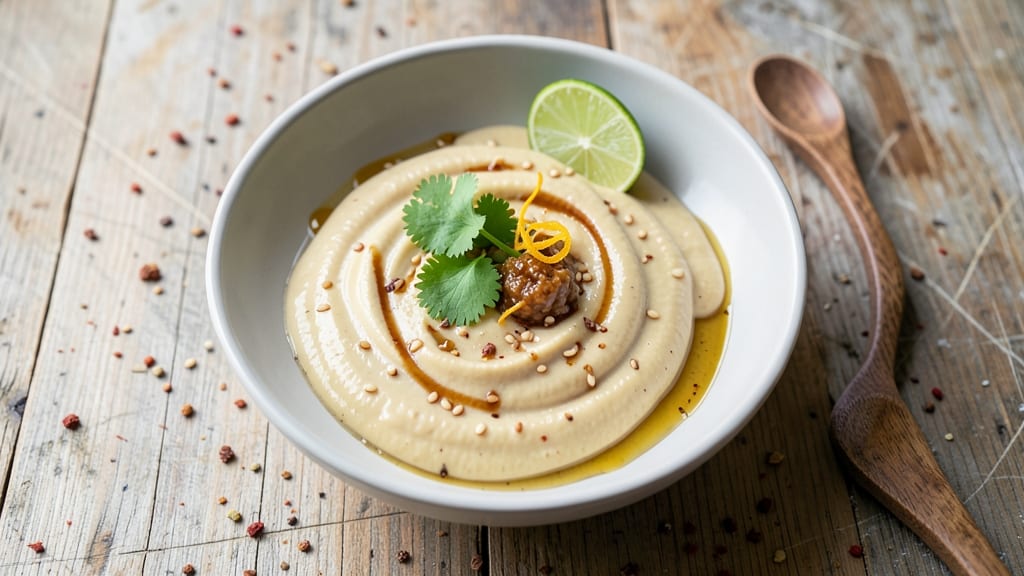
This Asian lettuce wrap sauce recipe transforms ordinary wraps into a restaurant-quality experience with just 5 minutes of prep. The perfect balance of tangy peanut, fresh herbs, and subtle heat creates a sauce that clings beautifully to lettuce cups while adding depth to any dish.
I developed this version after years of testing—it's the one that finally earned compliments from even the most skeptical eaters.
The secret lies in blending creamy peanut butter with bright lime juice and aromatic garlic-ginger paste, then finishing with fresh cilantro and Thai basil for that signature Asian crunch. Unlike store-bought versions, this sauce stays fresh for 5 days in the fridge and gets better as flavors meld.
The texture is velvety yet slightly chunky, ensuring every bite delivers that perfect peanut-tangy contrast.
What makes this sauce truly versatile is its adaptability—use it for traditional Vietnamese summer rolls, modern lettuce wraps with grilled chicken or tofu, or even as a dipping sauce for spring rolls.
The heat level is fully customizable, so you can dial it up with chili flakes or keep it mild for family-friendly meals. This is the sauce that turns simple ingredients into something extraordinary.
Once you try this recipe, you'll never go back to bottled versions. The combination of rich peanut, zesty lime, and fresh herbs creates a flavor profile that's both familiar and excitingly new. Ready to elevate your lettuce wraps? Let's make this sauce—your taste buds will thank you.
Ingredients for asian lettuce wrap sauce
Five minutes of blending transforms these pantry staples into restaurant-worthy sauce.
| Ingredient | Amount | Notes |
|---|---|---|
| Natural Peanut Butter 🥜 | ½ cup | Creamy, unsweetened variety |
| Lime Juice 🍋 | ¼ cup | Freshly squeezed, seeds strained |
| Garlic-Ginger Paste 🧄 | 2 tbsp | Freshly made or store-bought |
| Soy Sauce 🥢 | 2 tbsp | Light or regular, not low-sodium |
| Honey 🍯 | 1 tbsp | For balancing tangy flavors |
| Sesame Oil 🫒 | 1 tbsp | Toasted, for nutty aroma |
| Fresh Cilantro 🌿 | ¼ cup | Stems removed, loosely packed |
| Thai Basil Leaves 🌿 | ¼ cup | Or regular basil in a pinch |
| Red Chili Flakes 🌶️ | ½ tsp | Adjust for heat preference |
| Rice Vinegar 🍶 | 1 tbsp | For extra tangy brightness |
The peanut butter is the heart of this sauce—creamy, unsweetened is non-negotiable. Trader Joe's or Smucker's Natural are my go-tos, but any natural brand works. Fresh garlic-ginger paste makes all the difference (I make a big batch and freeze it), but store-bought works in a pinch. The lime juice needs to be fresh—bottled just doesn't cut it. For the Thai basil, Asian markets usually have it, but regular basil adds a nice twist if that's all you've got. The sesame oil? Toasted is key—it's what gives that nutty aroma. Skip the regular kind.
No peanut butter? Almond butter or tahini works, but the flavor will shift slightly. Short on lime? Lemon juice at half the amount gets you close, but it'll be less tangy. The honey can be swapped for maple syrup if you're avoiding it. For extra heat, fresh chili paste goes wild—just start with a teaspoon. The soy sauce is crucial for umami depth, but if you're gluten-free, tamari works perfectly. The cilantro stems are edible, but they're tough—save them for broth or garnish instead.
This sauce keeps beautifully—5 days in the fridge, 3 months frozen. I double the batch every time because it disappears fast. For freezing, portion into ice cube trays and pop out when needed. The texture thickens as it sits, so stir in a splash of water if it gets too stiff. Leftovers? Perfect for quick stir-fries or noodle bowls. Trust me, you'll want to make this often.
Why You'll Love This Recipe
- Five-Ingredient Magic: I swear, this sauce comes together with just a bowl and a spoon—no fancy gadgets, no stress. Stir in the peanut butter, splash in lime juice, and let the garlic-ginger paste do the heavy lifting while you sip your coffee.
- Sweet-Savory Balance: That honey-soy combo? It’s the secret weapon—creamy peanut butter meets bright acidity, then gets this deep umami punch from the soy. Honestly, the first time I tasted it, I immediately doubled the recipe.
- Wrap Any Meal: Slather it on lettuce wraps, drizzle over grilled chicken, or toss with noodles—this sauce doesn’t care what you throw at it. I’ve used it for lunchboxes, dinner parties, and even as a quick marinade. (Yes, even on a Tuesday night.)
- Makes Leftovers Worth It: A small batch lasts me a week in the fridge, and it only gets better as the flavors meld. Freeze extras for when you’re too tired to mix another batch—just thaw and stir. My lazy-sauce emergency fund.
Step-by-step instructions for tangy-peanut lettuce wrap sauce
Here's how to blend bold flavors into a smooth, vibrant sauce that brings lettuce wraps to life.
Whisk Peanut Butter and Lime Juice Until Smooth
In a medium bowl, combine the 0.5 cup Natural Peanut Butter and 0.25 cup Lime Juice. Use a whisk to blend vigorously for 2-3 minutes until completely smooth and free of any graininess. The peanut butter should transform from thick and clumpy to a creamy, pale yellow emulsion.
This step is crucial—don't rush it. The lime juice helps break down the peanut butter's fat molecules, creating that signature silky texture. If you're using a food processor, pulse briefly to avoid overheating the peanut butter.
Add Wet Ingredients and Blend Thoroughly
Pour in the 2 tbsp Garlic-Ginger Paste, 2 tbsp Soy Sauce, 1 tbsp Honey, 1 tbsp Sesame Oil, and 1 tbsp Rice Vinegar. Whisk continuously for another 2 minutes until everything is fully incorporated. The sauce should begin to take on a glossy sheen.
Taste at this stage and adjust seasoning if needed. You might want to add a pinch more soy sauce for saltiness or a splash of lime juice for extra tang. The sauce should balance sweet, salty, and acidic notes perfectly—this is your flavor foundation.
Fold in Fresh Herbs and Chili Flakes
Gently stir in the 0.25 cup Fresh Cilantro and 0.25 cup Thai Basil Leaves using a spatula, being careful not to overmix. The herbs should be evenly distributed but still visible, adding vibrant green flecks to the sauce. Sprinkle in the 0.5 tsp Red Chili Flakes and mix just until combined.
Here's where the sauce gets its fresh, aromatic character. The herbs should be chopped finely enough to blend smoothly but still contribute their bright flavors. If you're using regular basil instead of Thai basil, you'll notice a slightly sweeter, more peppery note in the final sauce.
Adjust Consistency and Test the Sauce
Taste the sauce and make any final adjustments. For extra tang, add 1-2 teaspoons more lime juice. For more heat, add up to 0.25 tsp additional red chili flakes. If the sauce is too thick, thin it with 1-2 teaspoons warm water until it reaches a pourable consistency—it should coat the back of a spoon smoothly.
Let the sauce sit for 5 minutes before using. This resting period allows the flavors to meld together. The perfect sauce should be vibrant, slightly sticky, and packed with layers of flavor—peanutty richness from the peanut butter, bright acidity from the lime and vinegar, and a subtle kick from the chili flakes.
Pro Tips For Making Asian Lettuce Wrap Sauce
- Whisk in Warm Peanut Butter: Natural peanut butter thickens like glue when cold—trust me, I’ve turned a perfectly good sauce into a sticky mess. Warm the peanut butter with a splash of water (about 2 tablespoons) in a small bowl for 10 seconds in the microwave first. It’ll blend smoother and save you from scrubbing peanut butter off your whisk.
- Use Fresh Lime, Not Bottled: Bottled lime juice tastes like sad, watered-down vinegar next to fresh. If you’re using bottled, add an extra ½ teaspoon of lime zest—it’ll make the sauce actually sing. (I learned this after serving a batch that tasted like a sad margarita.)
- Balance Soy and Honey First: Taste the soy sauce and honey separately before mixing—this is where most sauces go wrong. If your honey is too sweet, add a splash of water to dilute it slightly. If the soy is too salty, a pinch of honey (not sugar) will round it out without clashing.
- Thin with Warm Water, Not Cold: Cold water makes peanut butter seize up like a stubborn child. Use warm water (just off the tap) to thin the sauce gradually—it’ll emulsify better and you’ll avoid that dreaded peanut-butter curdling. (Yes, I’ve seen it happen.)
Troubleshooting this dish
Peanut Butter Graininess
If your peanut butter separates or looks grainy after blending, you likely didn't whisk long enough. I've found that using a hand mixer for 1-2 minutes after whisking helps emulsify stubborn peanut butter.
For extra insurance, warm the peanut butter slightly (microwave for 10-15 seconds) before blending—this softens the oils and makes it smoother. 🥜
Sauce Too Thin or Watery
This usually happens when you add too much lime juice or thin it excessively. The fix is simple: simmer the sauce in a small saucepan over low heat for 3-5 minutes, stirring constantly.
This evaporates excess moisture without cooking the flavors. For immediate thickening, stir in 1-2 teaspoons of cornstarch mixed with 1 tablespoon water until the sauce reaches your desired consistency.
Herbs Sinking to Bottom
Fresh herbs like cilantro and Thai basil tend to settle if not properly incorporated. To prevent this, finely chop the herbs before adding them (about ¼-inch pieces) and stir gently but thoroughly.
For extra insurance, blend the herbs with 1 tablespoon of the sauce first to create a paste, then mix it back in. This ensures even distribution and prevents separation when storing. 🌿
Lacking Depth of Flavor
If your sauce tastes flat or one-dimensional, it's likely missing the umami boost from soy sauce or the aromatic depth of garlic-ginger. Double-check that you're using light or regular soy sauce (not low-sodium) and that your garlic-ginger paste is fresh.
For an instant upgrade, add 1 teaspoon of fish sauce or ½ teaspoon of miso paste—these add complexity without overpowering. Trust me, this small adjustment makes a world of difference.
Heat Level Too Mild
The ½ teaspoon of red chili flakes is just a starting point. For more heat, try ½ teaspoon of fresh chili paste (like sambal oelek) or ¼ teaspoon of cayenne pepper.
If you prefer a smoky heat, swap the chili flakes for ½ teaspoon of smoked paprika and add a pinch of ground cinnamon for warmth. Always taste as you go—you can't overdo it with heat, but you can't fix it if you underdo it!
Sauce Separates After Refrigeration
This is a common issue with peanut-based sauces due to oil separation. To prevent it, store the sauce in an airtight container and press plastic wrap directly on the surface before sealing.
When ready to use, give it a good stir and whisk in 1 teaspoon of warm water to re-emulsify. For long-term storage, freeze the sauce in ice cube trays—thawing one cube at a time keeps the texture consistent. ❄️
Nutrition facts
Frequently asked questions
Can I make this sauce without peanut butter?
Yes! For a nut-free version, substitute ½ cup almond butter or ¼ cup tahini mixed with 1 tablespoon water to thin. The flavor will shift slightly toward nutty richness, but it still works beautifully. For a completely different profile, try ½ cup coconut milk blended with 1 teaspoon coconut aminos instead.
How spicy should this sauce be?
The recipe starts with ½ teaspoon chili flakes for mild heat, but you can easily adjust. For medium heat, add ½ teaspoon sambal oelek or ¼ teaspoon cayenne. For spicy, use 1 teaspoon fresh chili paste. Always taste before serving—you can't fix underseasoned heat, but you can always dilute it with a splash of lime juice!
What's the best way to store leftovers?
Store in an airtight container in the fridge for up to 5 days. For longer storage, freeze in ice cube trays (thaw one cube at a time). The sauce thickens when refrigerated—stir in 1 teaspoon warm water to restore consistency. Avoid freezing if you prefer the fresh herb texture, as they lose crispness.
Can I use this sauce for other dishes?
It's perfect for dipping spring rolls, drizzling over grilled meats, or tossing with rice noodles. For extra versatility, thin it with 1 tablespoon water to use as a marinade for tofu or chicken. The peanut-lime base works surprisingly well in stir-fries too—just reduce the herbs by half.
Why does my sauce look grainy?
Graininess happens when peanut butter isn't fully emulsified. Fix it by whisking with a hand mixer for 1-2 minutes or microwaving the peanut butter for 10-15 seconds to soften the oils. For stubborn lumps, blend the sauce briefly with 1 tablespoon water to break them down. Always use creamy, unsweetened peanut butter for the best texture.